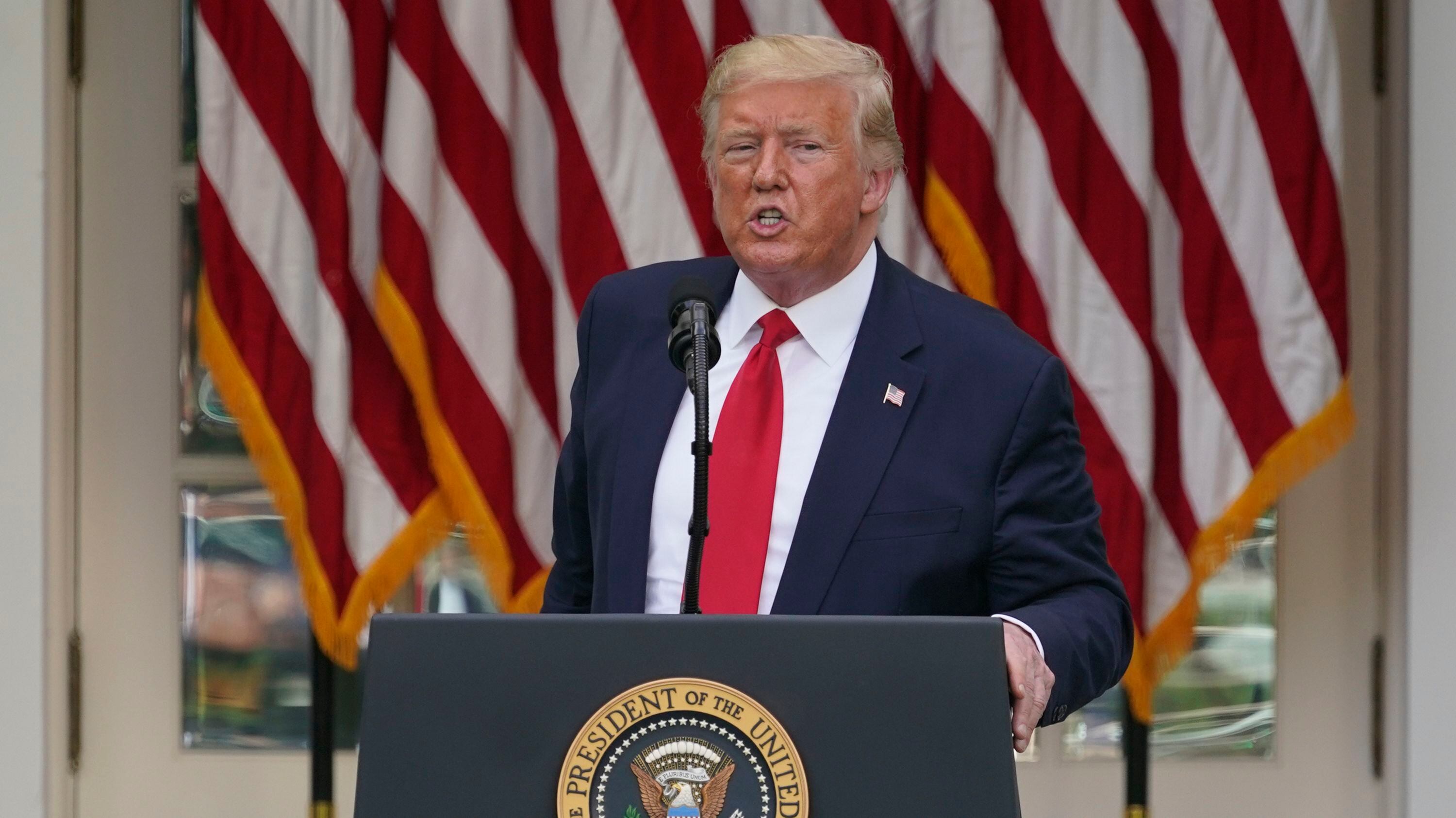
President Donald Trump answers questions from reporters during an event on protecting seniors with diabetes in the Rose Garden White House, Tuesday, May 26, 2020, in Washington. (AP Photo/Evan Vucci)
By Zeke Miller
President Donald Trump on Wednesday threatened social media companies with new regulations or even shuttering after Twitter added fact checks to two of his tweets.
The president can’t unilaterally regulate or close the companies, which would require action by Congress or the Federal Communications Commission. But that didn't stop Trump from angrily issuing strong warnings.
Claiming tech giants “silence conservative voices,” Trump tweeted early Wednesday, “We will strongly regulate, or close them down, before we can ever allow this to happen.” Later he tweeted without elaboration, “Big Action to follow.”
He repeated his unsubstantiated claim — which sparked his latest showdown with Silicon Valley — that expanding mail-in voting “would be a free for all on cheating, forgery and the theft of Ballots.”
There was no immediate reaction from Twitter or other social media companies to the president’s threats.
Trump and his campaign had lashed out Tuesday after Twitter added a warning phrase to two Trump tweets that called mail-in ballots “fraudulent” and predicted that “mail boxes will be robbed,” among other things. Under the tweets, there is now a link reading “Get the facts about mail-in ballots” that guides users to a Twitter “moments” page with fact checks and news stories about Trump’s unsubstantiated claims.
Trump replied on Twitter, accusing the platform of “interfering in the 2020 Presidential Election” and insisting that “as president, I will not allow this to happen.” His 2020 campaign manager, Brad Parscale, said Twitter’s “clear political bias” had led the campaign to pull “all our advertising from Twitter months ago.” Twitter has banned all political advertising since last November.
Trump did not explain his threat Wednesday, and the call to expand regulation appeared to fly in the face of long-held conservative principles on deregulation.
But some Trump allies, who have alleged bias on the part of tech companies, have questioned whether platforms like Twitter and Facebook should continue to enjoy liability protections as “platforms” under federal law — or be treated more like publishers, which can face lawsuits over content.
The protections have been credited with allowing the unfettered growth of the internet for more than two decades, but now some Trump allies are advocating that social media companies face more scrutiny.
“Big tech gets a huge handout from the federal government," Republican Sen. Josh Hawley told Fox News. “They get this special immunity, this special immunity from suits and from liability that’s worth billions of dollars to them every year. Why are they getting subsidized by federal taxpayers to censor conservatives, to censor people critical of China?”
There was no immediate reaction from Twitter or other social media companies to the president's threats.
Tesla's Austin, Texas-based gigafactory could be days away from opening its doors and beginning production. Dan Ives, managing director of equity research at WedBush Securities, joined Cheddar to talk about his estimate that the EV company will be running its factory within a week and noted that Tesla has been in a good position despite ongoing semiconductor shortages. "They're really almost Teflon-like relative to other automakers," he said, calling its production delays "containable." Amid another shortage — labor —, he said he thinks Tesla positioned itself well for access to talent months ago with expanded hiring amid the move to Texas from California.
The UK's Information Commissioner's office is scrutinizing Facebook's parent company Meta over child safety practices linked to the Oculus headset, according to a report. The agency is looking to question the tech giant about how it's protecting children from harmful experiences in virtual reality.
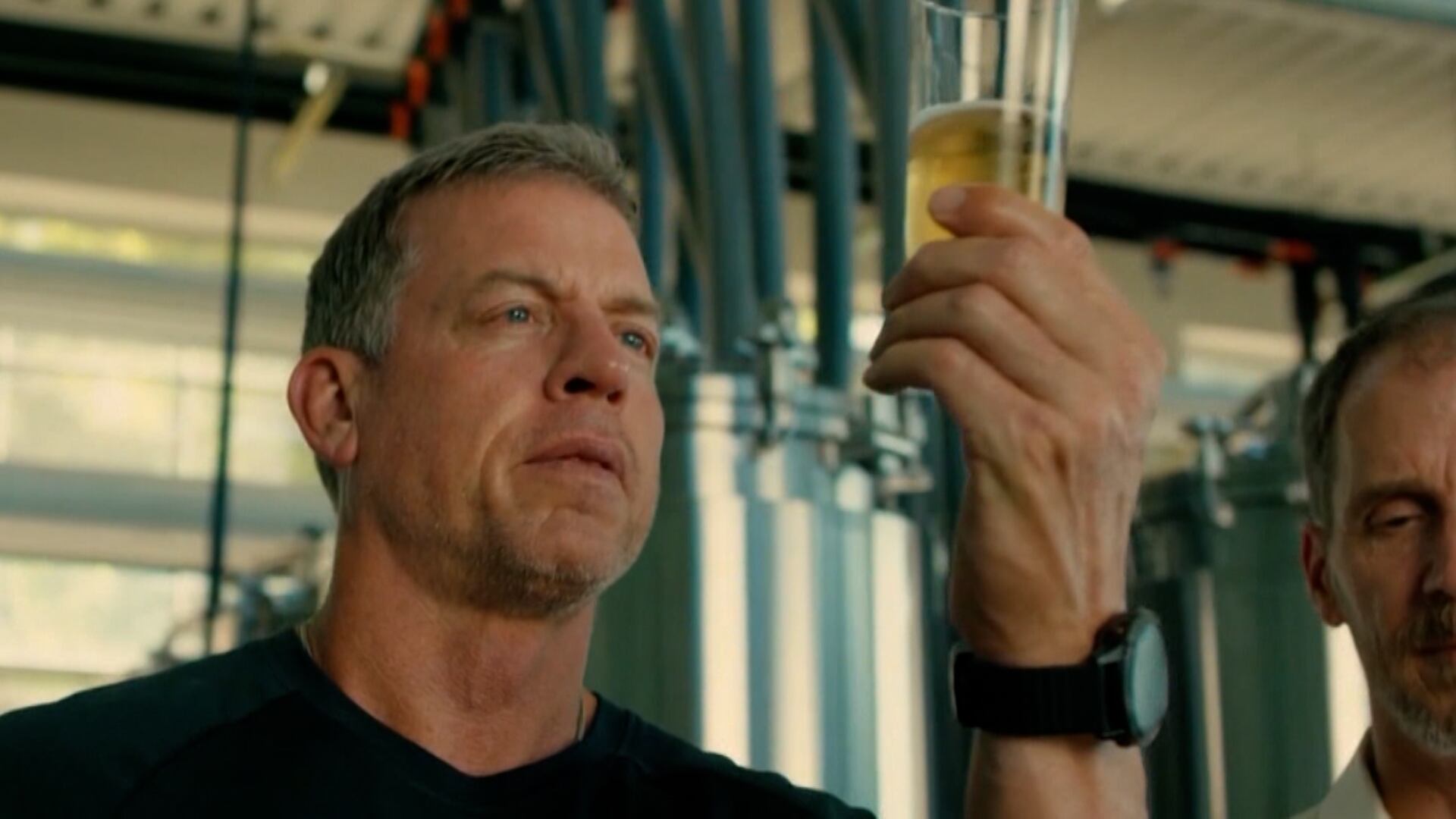
Hall of Fame quarterback Troy Aikman joined Cheddar's "Between Bells" to talk about his own brand of organic light beer called Eight (his jersey number with the Dallas Cowboys) and explained that he's had an interest in the industry since his days working for a distributor during college. "These brands that are on the market have been there for a long time and [I] felt that it was time for something fresh, something new, and I thought that we could do it in a way that was a better-for-you beer' and that's what we've done," he said. Aikman also provided some insight into the upcoming NFL playoffs and noted that he doesn't see a clear frontrunner for this year's Vince Lombardi trophy.
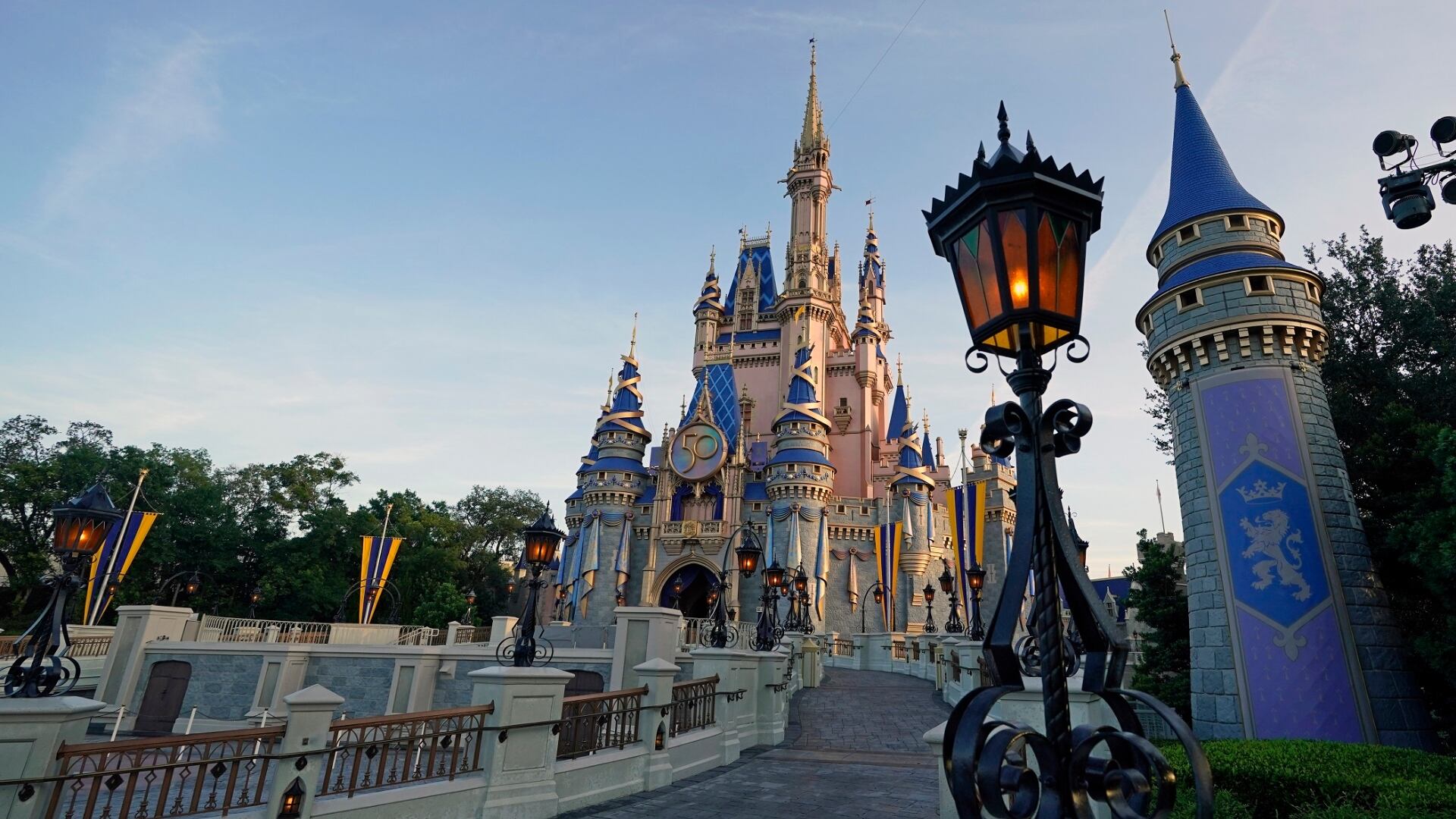
Disney has secured a patent for a digital world simulator for headset-free augmented reality expected to be accessible in parks by tracking smartphones and projecting personalized 3D displays, an indication that the entertainment giant is gearing up for its entry into the metaverse.
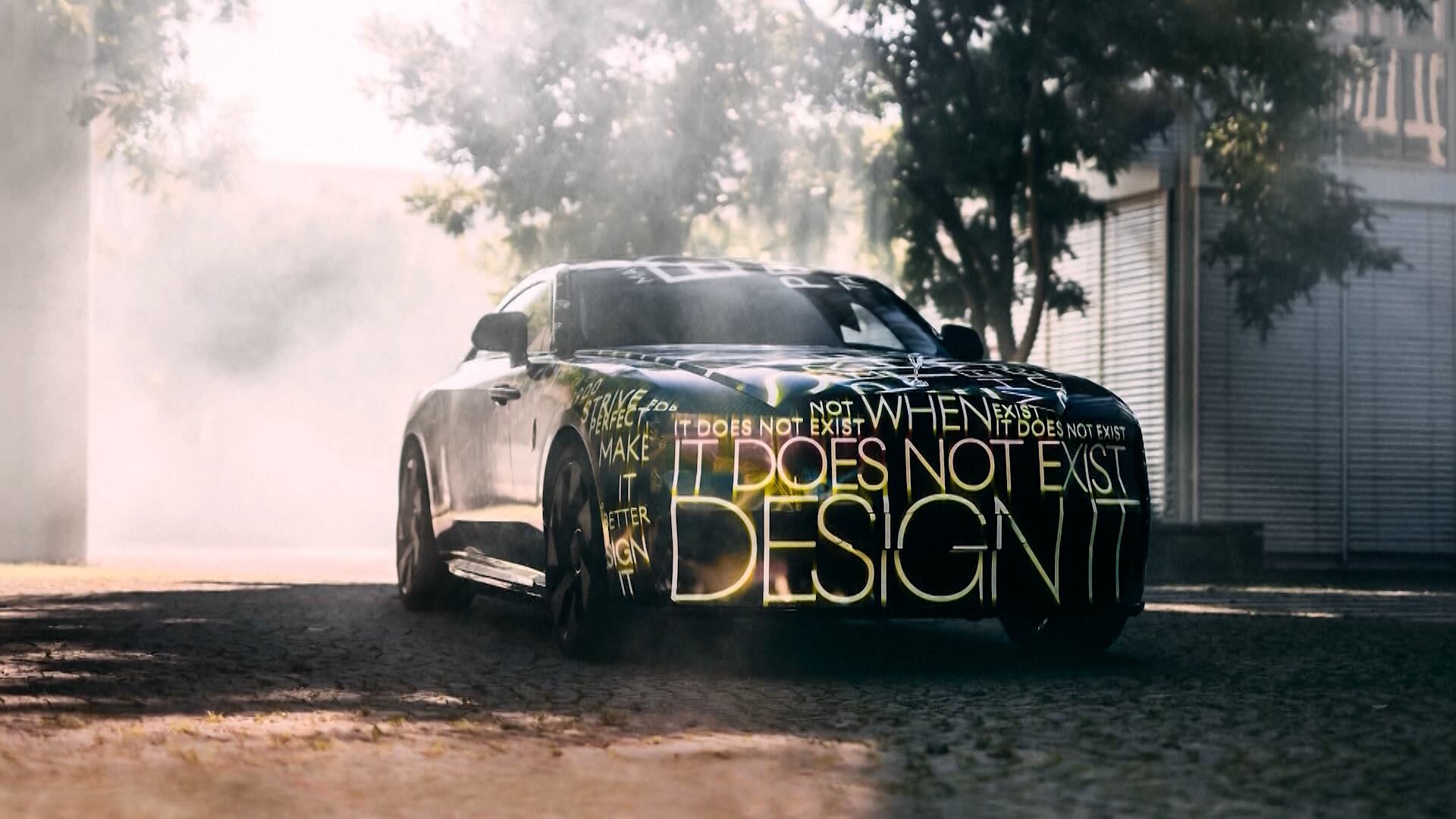
It has been a record year for luxury automaker Rolls-Royce despite the industry struggling to meet demand overall due to the ongoing semiconductor chip shortage. CEO Torsten Müller-Ötvös joined Cheddar to discuss the driving factors behind the company's 2021 success. He said after the pandemic forced the closure of factories in 2020 and people stopped making large purchases, they were open to spending more in 2021. "The entire luxury sector was fueled by there's money available, and people are prepared to spend money," he said.
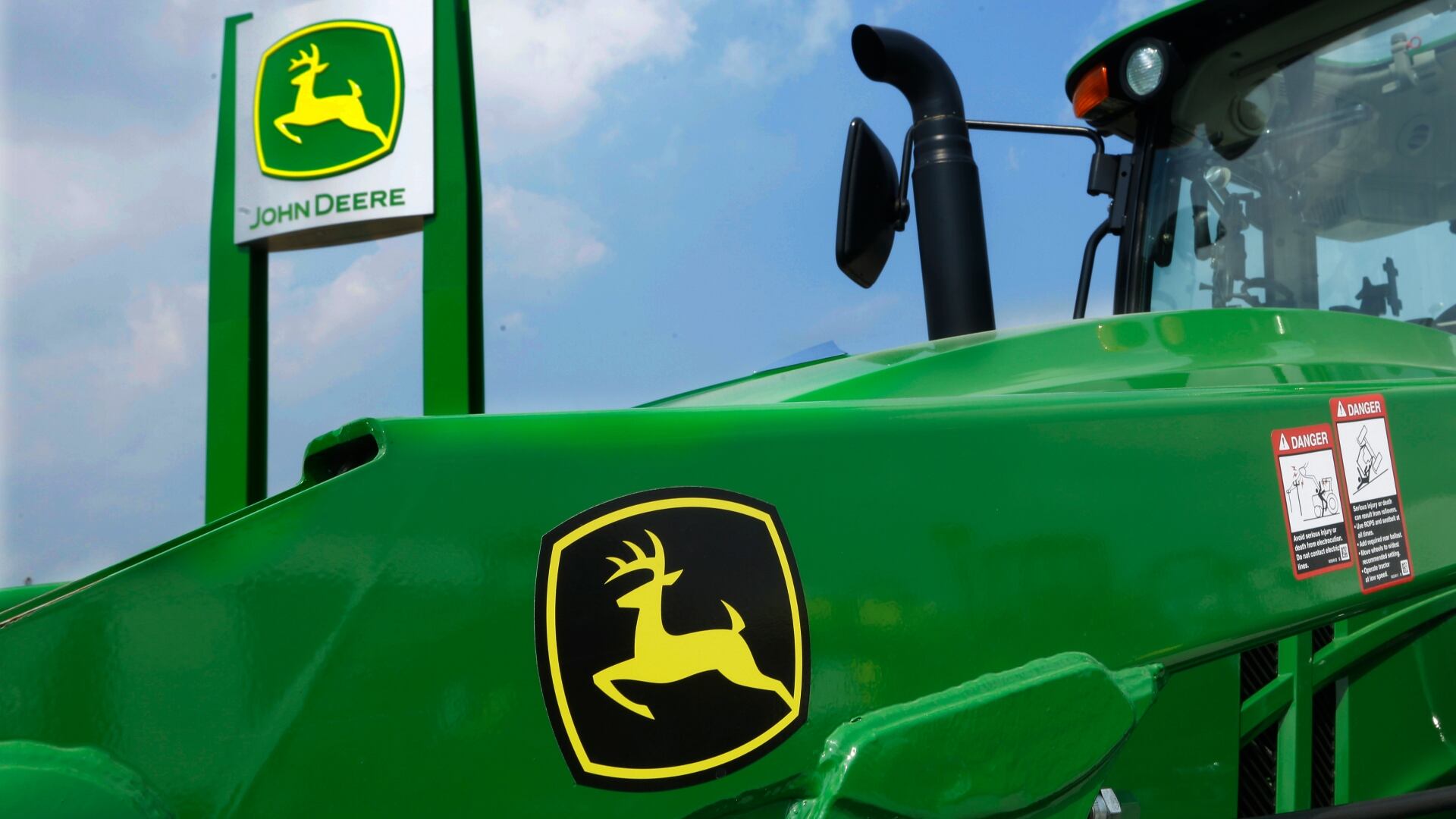
John Deere is getting on board the autonomous vehicle craze with its own self-driving tractors. The farming and forestry equipment manufacturer made the announcement at the 2022 CES convention in Las Vegas. Jahmy Hindman, chief technology officer at John Deere, spoke to Cheddar about the shift to self-driving to agriculture and how it will help farmers produce even more food as the world's population continues to grow. "It's all about trying to do more with less in farming," he said. "Labor's already a problem on the farm, and it's only getting to be more of a problem in the future. And we really view autonomy as a way to solve that problem."
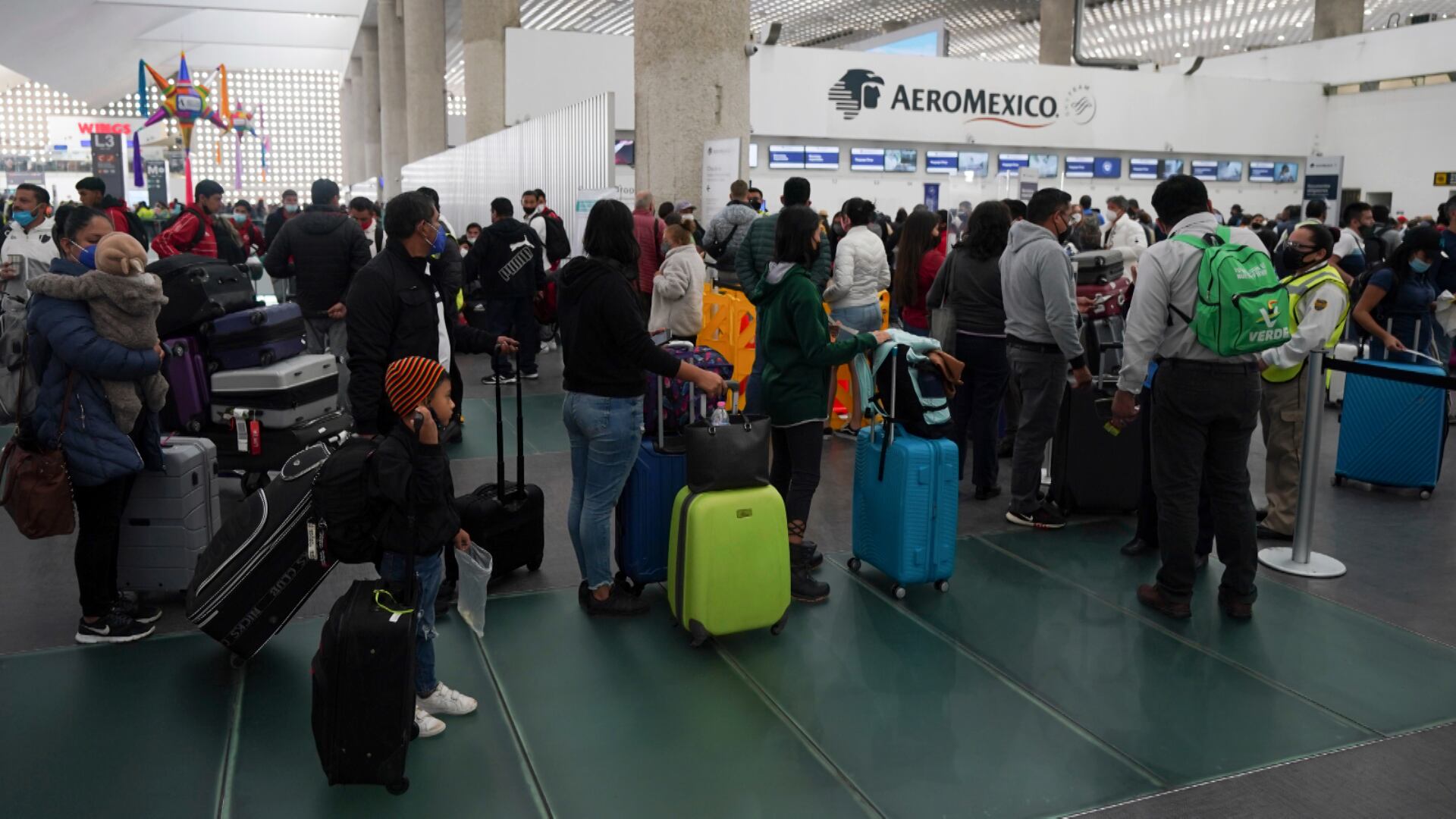
John Grant, a senior analyst at OAG, and Jonathan Root, an airline analyst at Moody's, joined Cheddar to provide some insight into how mass cancellations are affecting both travelers and airlines after more than 5,000 U.S. flights were scrapped over the weekend. In addition to staff shortages linked to COVID-19, inclement weather reportedly also played a major role in the canceled flights, but Root downplayed the effect on revenues. "We're not concerned about the financial impact, which is going to be very manageable," he said. "We see these conditions as temporary with a favorable outlook as we pass the omicron wave."