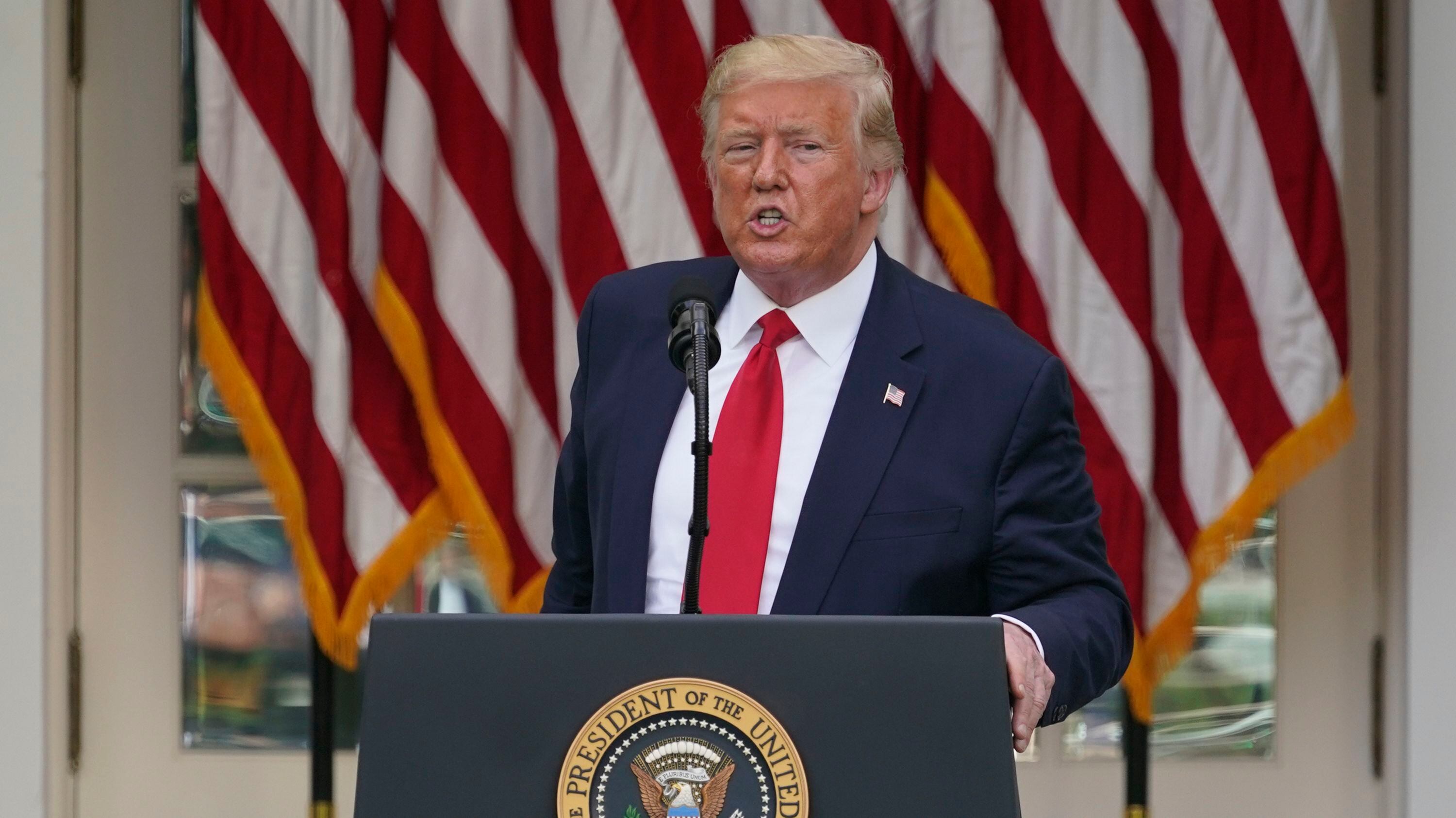
President Donald Trump answers questions from reporters during an event on protecting seniors with diabetes in the Rose Garden White House, Tuesday, May 26, 2020, in Washington. (AP Photo/Evan Vucci)
By Zeke Miller
President Donald Trump on Wednesday threatened social media companies with new regulations or even shuttering after Twitter added fact checks to two of his tweets.
The president can’t unilaterally regulate or close the companies, which would require action by Congress or the Federal Communications Commission. But that didn't stop Trump from angrily issuing strong warnings.
Claiming tech giants “silence conservative voices,” Trump tweeted early Wednesday, “We will strongly regulate, or close them down, before we can ever allow this to happen.” Later he tweeted without elaboration, “Big Action to follow.”
He repeated his unsubstantiated claim — which sparked his latest showdown with Silicon Valley — that expanding mail-in voting “would be a free for all on cheating, forgery and the theft of Ballots.”
There was no immediate reaction from Twitter or other social media companies to the president’s threats.
Trump and his campaign had lashed out Tuesday after Twitter added a warning phrase to two Trump tweets that called mail-in ballots “fraudulent” and predicted that “mail boxes will be robbed,” among other things. Under the tweets, there is now a link reading “Get the facts about mail-in ballots” that guides users to a Twitter “moments” page with fact checks and news stories about Trump’s unsubstantiated claims.
Trump replied on Twitter, accusing the platform of “interfering in the 2020 Presidential Election” and insisting that “as president, I will not allow this to happen.” His 2020 campaign manager, Brad Parscale, said Twitter’s “clear political bias” had led the campaign to pull “all our advertising from Twitter months ago.” Twitter has banned all political advertising since last November.
Trump did not explain his threat Wednesday, and the call to expand regulation appeared to fly in the face of long-held conservative principles on deregulation.
But some Trump allies, who have alleged bias on the part of tech companies, have questioned whether platforms like Twitter and Facebook should continue to enjoy liability protections as “platforms” under federal law — or be treated more like publishers, which can face lawsuits over content.
The protections have been credited with allowing the unfettered growth of the internet for more than two decades, but now some Trump allies are advocating that social media companies face more scrutiny.
“Big tech gets a huge handout from the federal government," Republican Sen. Josh Hawley told Fox News. “They get this special immunity, this special immunity from suits and from liability that’s worth billions of dollars to them every year. Why are they getting subsidized by federal taxpayers to censor conservatives, to censor people critical of China?”
There was no immediate reaction from Twitter or other social media companies to the president's threats.
Driver assistance monitoring systems are meant to keep the driver's eyes on the road, but according to a report from AAA, different ways of monitoring provide significantly different results. The study found that direct camera-based systems that scanned the driver's eye movements were faster and more reliable than those indirect systems that looked at steering-wheel input. Megan McKernan, the manager of automotive services for the Automobile Club of Southern California, joined Cheddar to discuss the findings. "Triple-A is recommending that automakers include both direct and indirect systems just to really prevent consumers from trying to misuse these systems," she said, noting that neither system on its own is not foolproof.
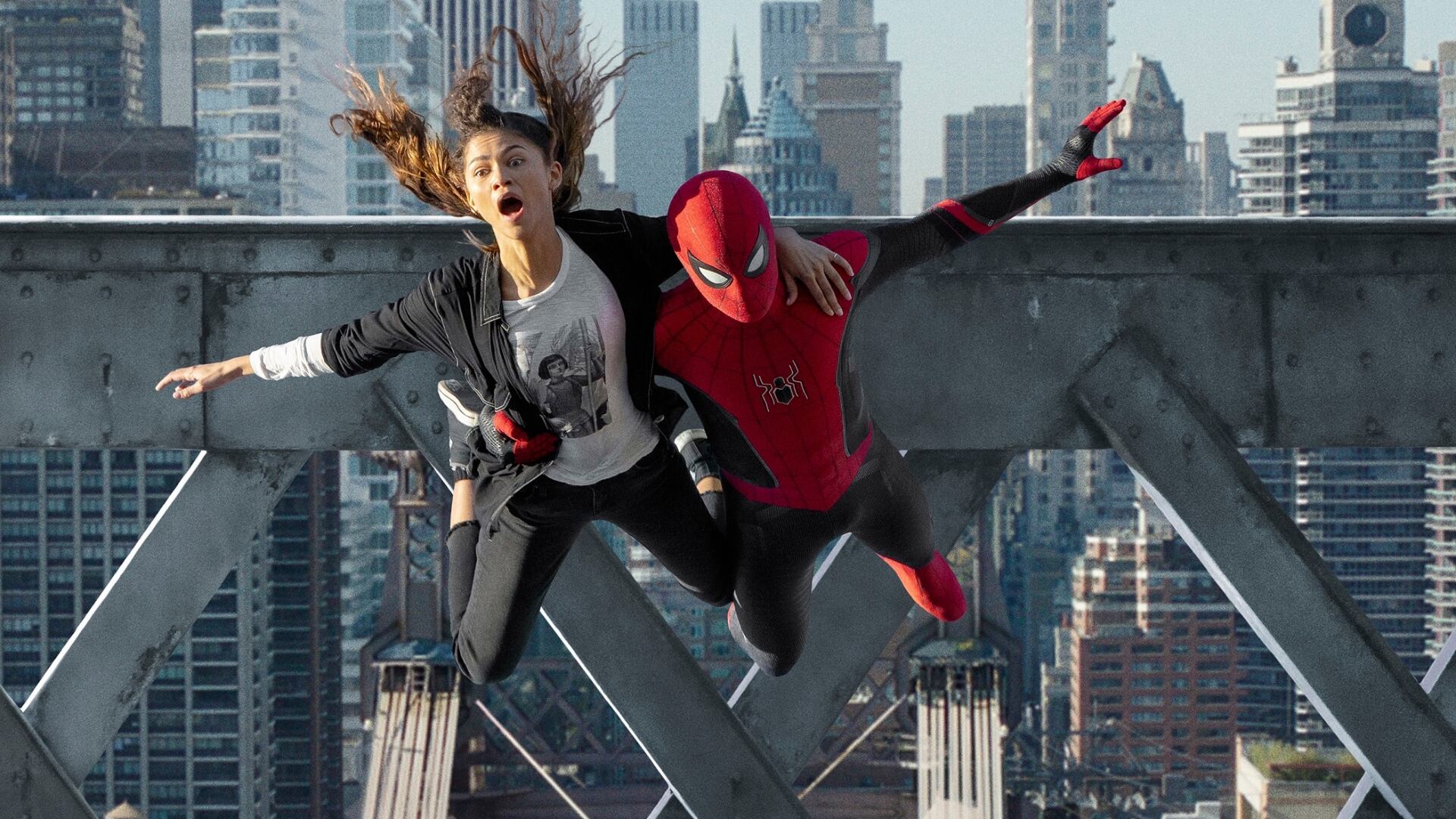
"Sing 2" has overthrown "Spider-Man: No Way Home" as the number one film at the UK box office. The animated sequel brought in $8.1 million, in just its two first weekends. However, "No Way Home" is still on track to beat "Avatar" as the number one grossing movie of all time.
Pinterest recently added augmented reality to its portfolio. The image sharing and social media platform's new e-commerce tech will allow consumers to interact with retailers and visualize online products inside their homes.
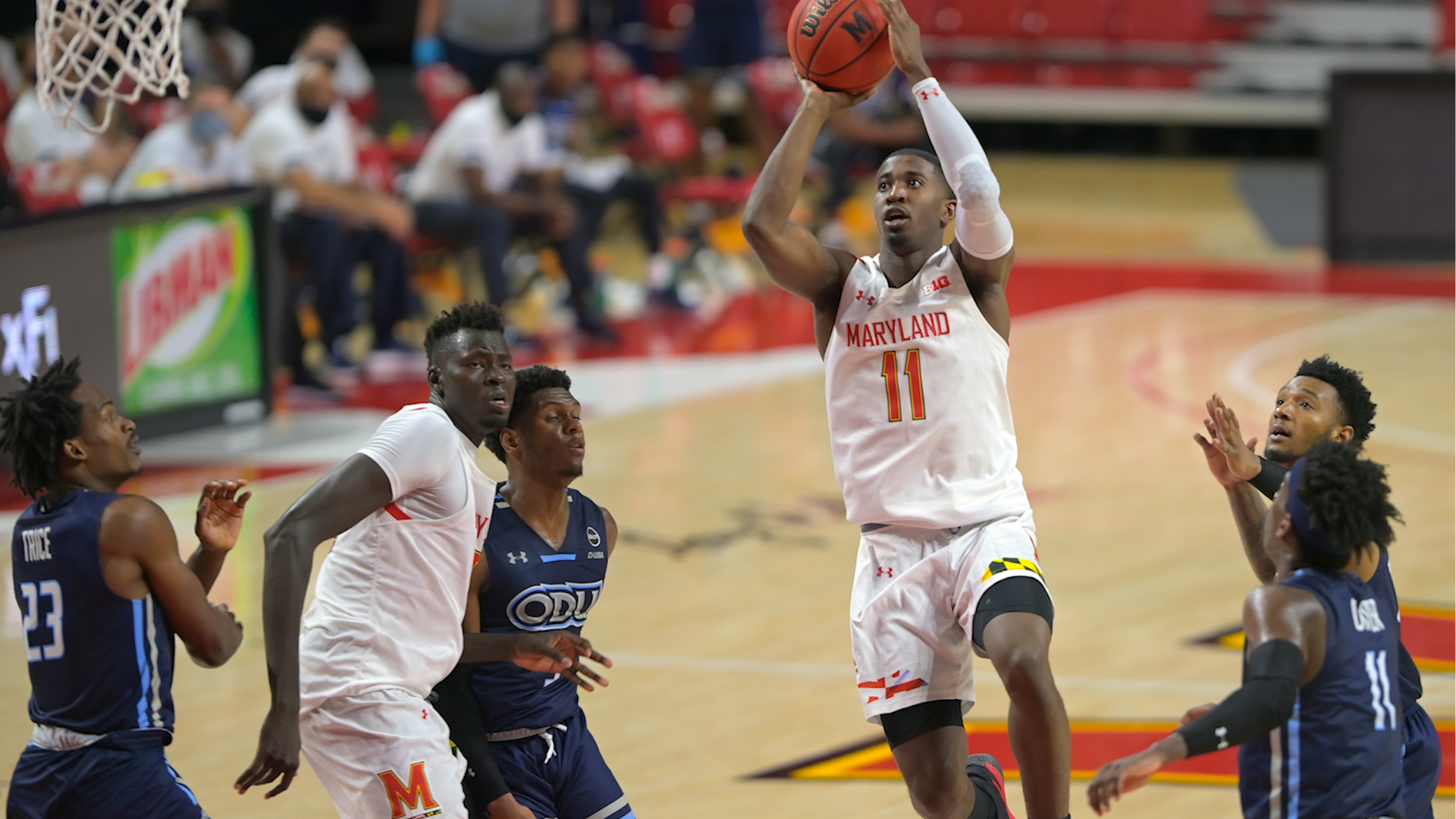
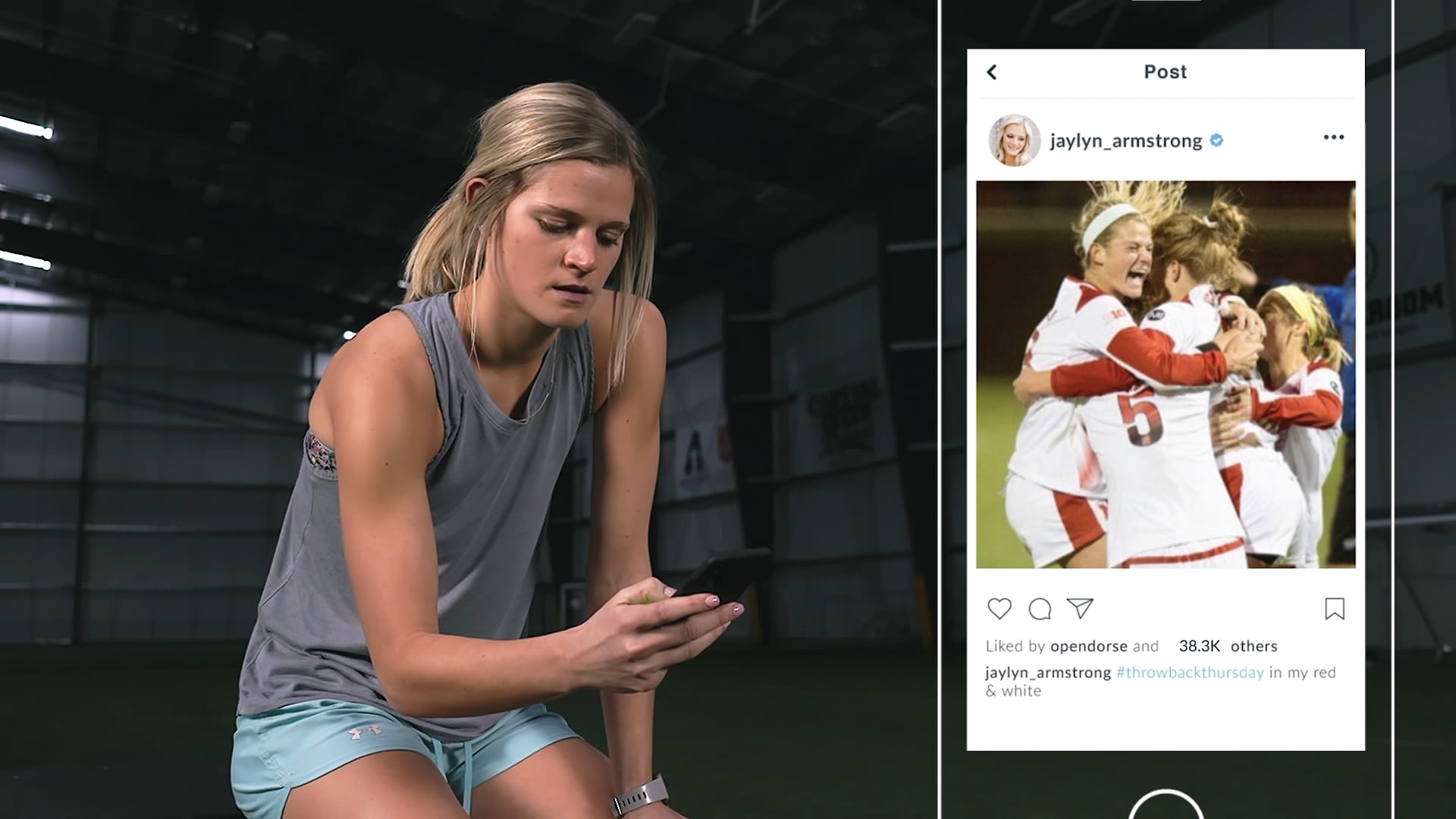
On this episode of Cheddar Reveals, Jim Riordan, Director of the MBA Sport Management program at Florida Atlantic University, breaks down the successes, failures, and chaos of the first seven months of the Name, Image, Likeness policy in college athletics; Adi Kunalic, President of Opendorse, discusses the first-ever association-wide deal in college athletics between Opendorse and the NAIA, and how Opendorse is marketing and educating student-athletes to make the most of their NIL deal potential; Cheddar gets a look at Curiosity Stream's 'Predicting a Pro'.
Jim Riordan, Director of the MBA Sport Management program at Florida Atlantic University, joins Cheddar Reveals to break down the successes, failures, and chaos of the first seven months of the Name, Image, Likeness policy in college athletics.
Adi Kunalic, President of Opendorse, joins Cheddar Reveals to discuss the first-ever association-wide deal in college athletics between Opendorse and the NAIA, and how Opendorse is marketing and educating student-athletes to make the most of their NIL deal potential.
Jason Chinnock, CEO of Ducati North America, discusses ways demand has changed over the last year and what supplying race bikes for the MotoE World Cup series means for Ducati's future.
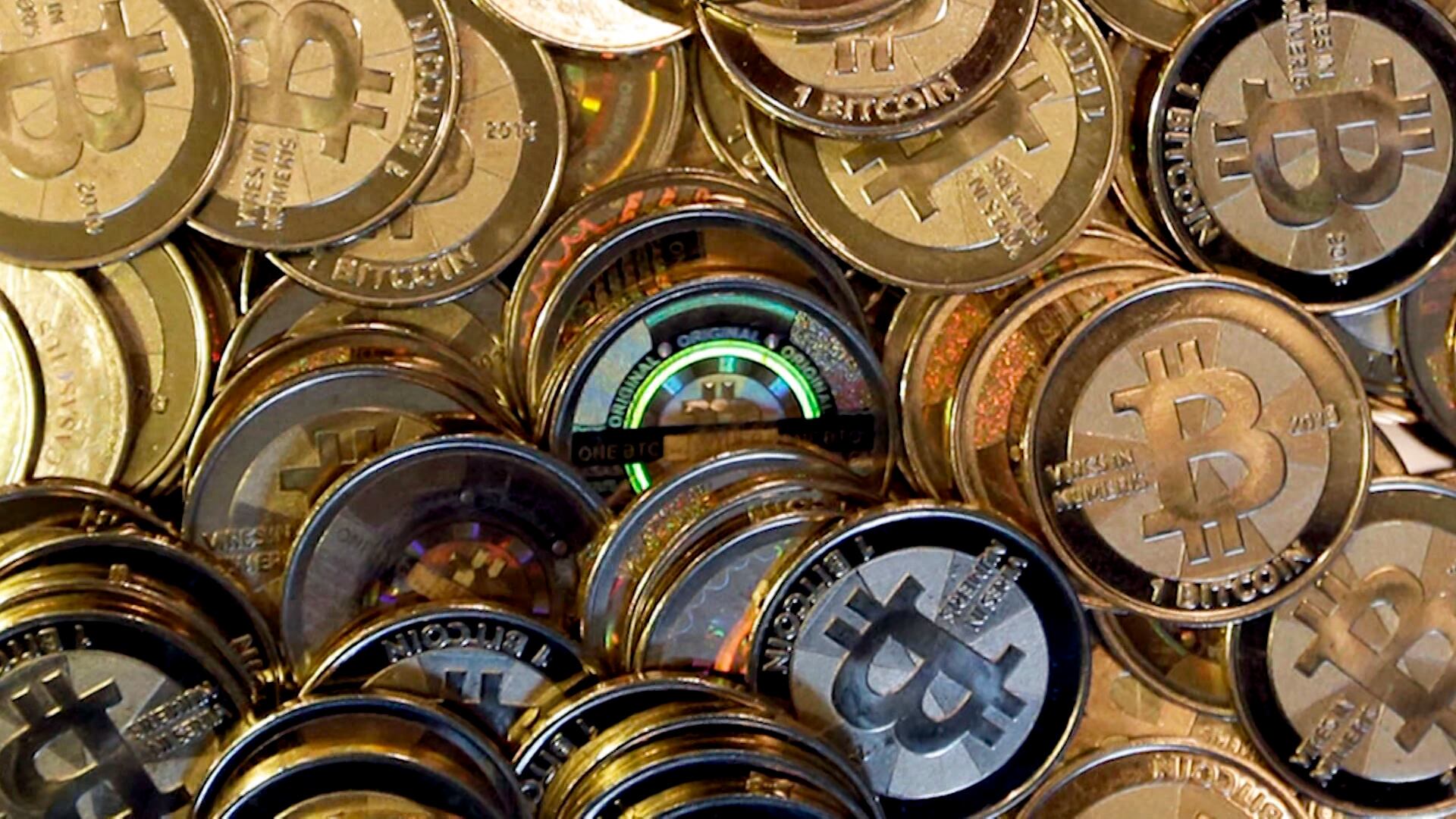
The value of most cryptocurrencies have plummeted in recent months since reaching all-time highs in November, wiping out more than $1 trillion in value globally. The steep crash has some talking about the possibility of a crypto winter, a term referring to a prolonged bearish period where asset prices persistently fall over many months. This all comes as the Fed is expected to raise interest rates, and the Biden administration is working on an executive order to regulate Bitcoin and other assets. Josh Goodbody, COO of Qredo, joined Cheddar's Opening Bell to discuss the crypto crash, and how the industry might recover from it.
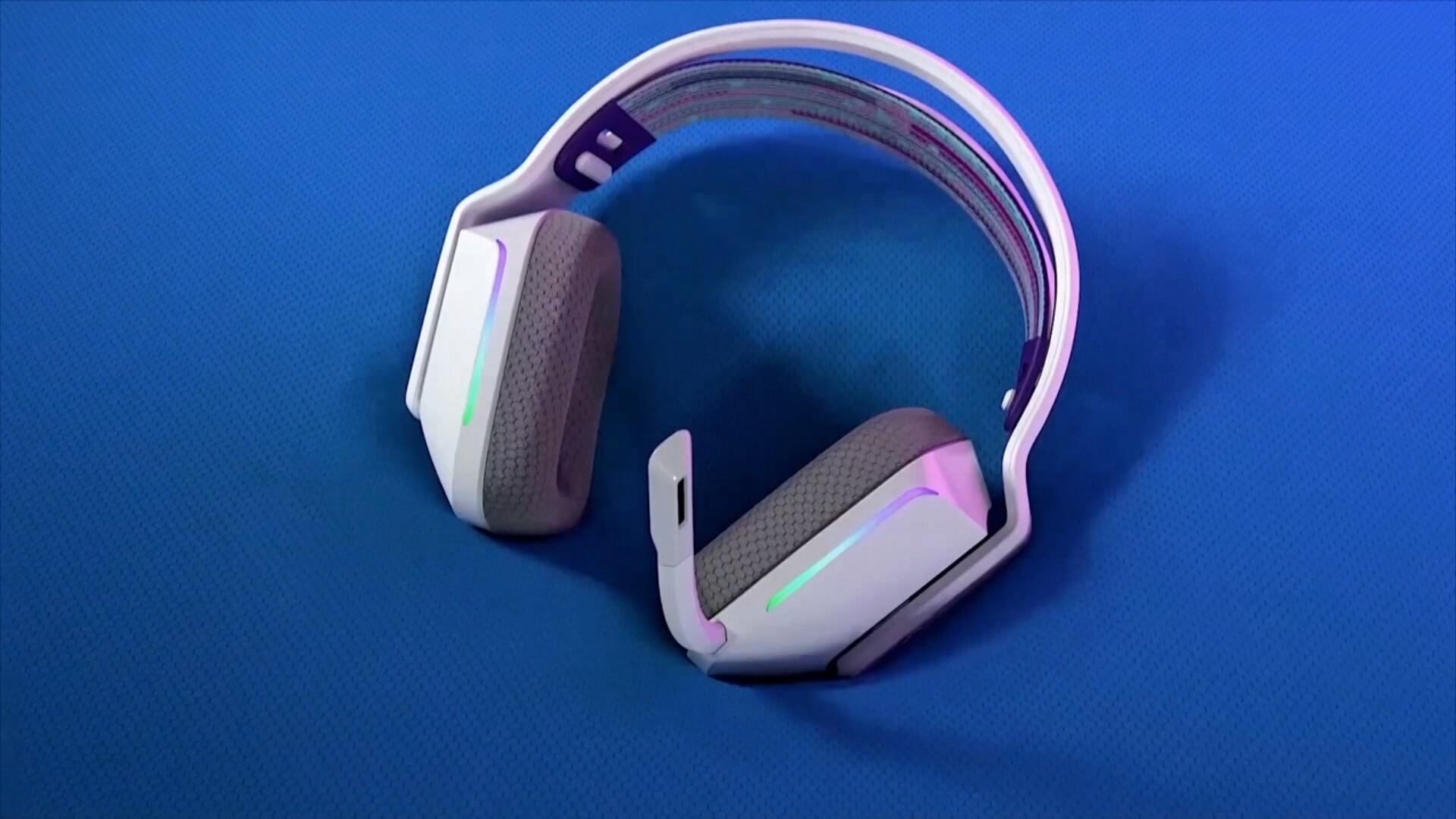
Logitech posted better-than-expected earnings in its third quarter, reporting sales of $1.63 billion dollars, down 2% from the year ago quarter, but well ahead of the Wall Street consensus of $1.48 billion dollars. The PC and gaming peripherals company also raised its annual guidance for both sales and profitability. Bracken Darrell, Logitech CEO, joined Cheddar to break down his reaction to the results, how the pandemic played a role in its growth, and where he wants to take the company next.
Starbucks is scheduled to report its fiscal first quarter 2022 earnings Tuesday, February 1 after the bell. The coffee giant is expected to report revenue of nearly $8 billion and earnings per share of 79 cents. Starbucks has seen a solid recovery in demand since the beginning of pandemic lockdowns, but is now facing a unionization push, labor shortage, and the Omicron variant. Thomas Hayes, chairman of Great Hill Capital, joined Cheddar's Opening Bell to give a preview of Starbucks earnings.