By Lisa Mascaro, Andrew Taylor, Jill Colvin and Zeke Miller
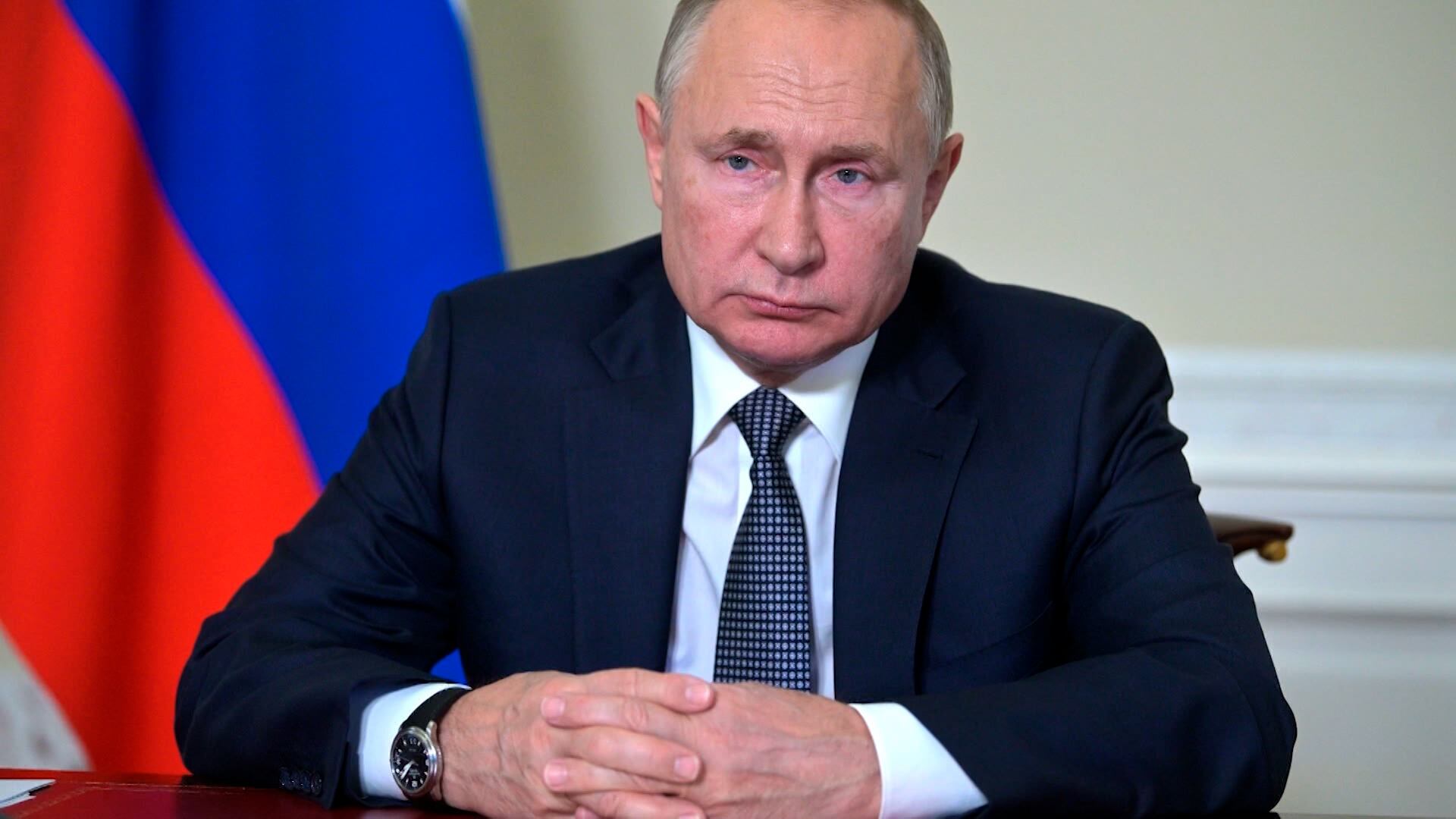
President Donald Trump said Wednesday he is suspending all travel between the U.S. and Europe for 30 days beginning Friday as he seeks to combat a viral pandemic.
Trump made the announcement in an Oval Office address to the nation, blaming the European Union for not acting quickly enough to address the “foreign virus" and saying U.S. clusters were “seeded” by European travelers.
“We made a lifesaving move with early action on China," Trump said. "Now we must take the same action with Europe.”
Trump said the restrictions won't apply to the United Kingdom and the U.S. would monitor the situation to determine if travel could be reopened earlier.
Trump said he was also directing agencies to provide unspecified financial relief for “for workers who are ill, quarantined or caring for others due to coronavirus," and asked Congress to take action to extend it.
Trump said the U.S. will defer tax payments for some individual and business filers for three months to lessen the impacts of the virus outbreak. He said the Small Business Administration will also make low-interest loans available to businesses to help them weather the storm.
"This is not a financial crisis," he said. "This just a temporary moment of time that we will overcome together as a nation and as a world."
Trump also reiterated his call on Congress to pass a cut to the federal payroll tax in order to stimulate the economy.
Trump said “we are marshaling the full power” of the government and private sector to protect the American people.
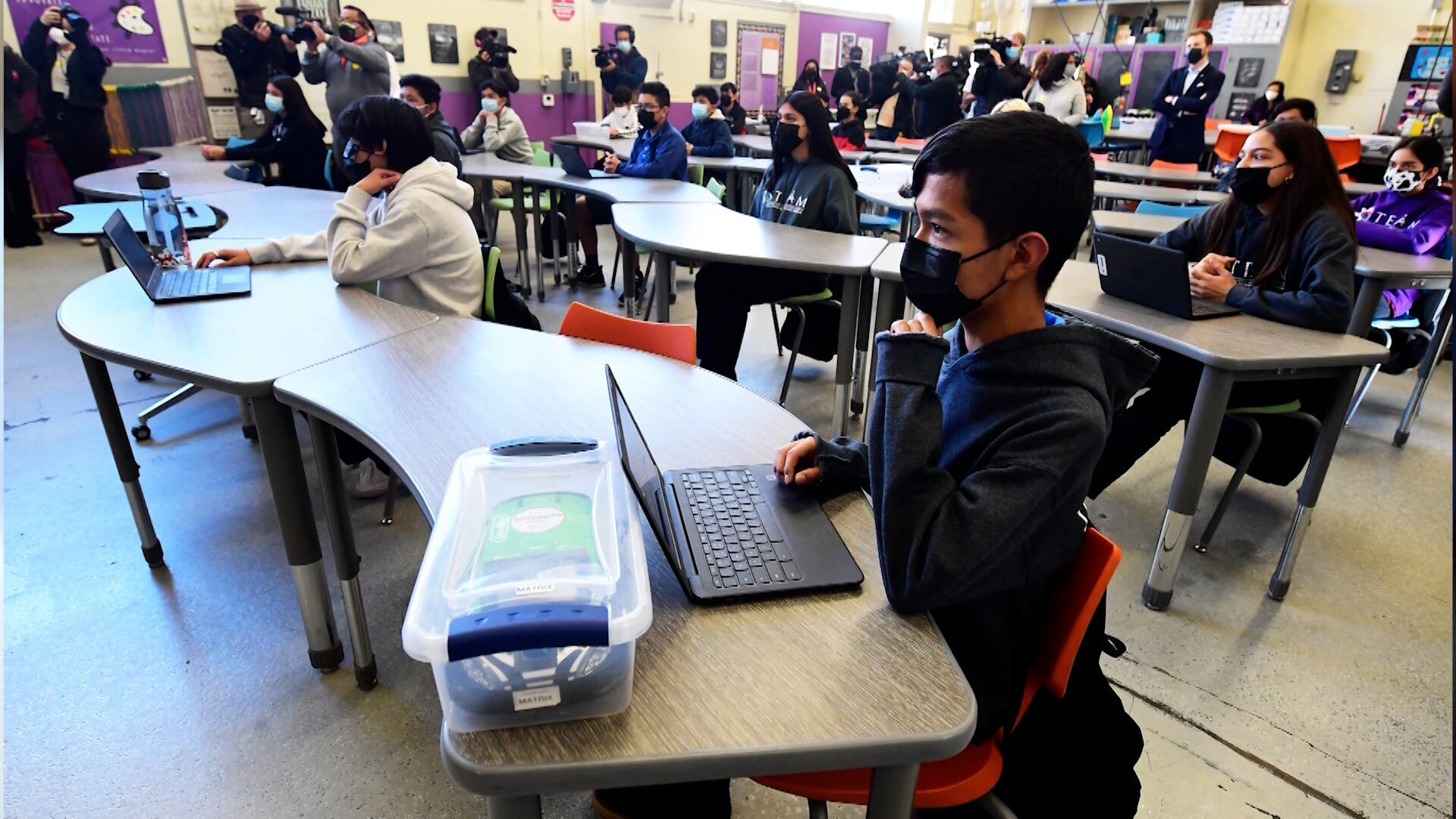
The mounting effort to contain the virus and financial fallout intensified on a grueling day: Communities canceled public events nationwide, universities moved to cancel in-person classes, and families grappled with the impact of disruptions to public schools. The number of confirmed cases of the infection topped 1,000 in the U.S. and the World Health Organization declared the global crisis is now a pandemic.
As government officials warned that the outbreak in the U.S. will only get worse, the Capitol was set to halt public tours of the building as the shifting developments raised questions, urgency and a new level of unease.
"I can say we will see more cases, and things will get worse than they are right now," Dr. Anthony Fauci, director of the National Institute of Allergy and Infectious Disease, said in testimony before the House Oversight and Reform Committee. He said the virus is "10 times more lethal than the seasonal flu.”
On Capitol Hill, House Speaker Nancy Pelosi unveiled an economic assistance plan that was gaining bipartisan backing. Central to the package is free coronavirus testing nationwide and emergency funding to reimburse lost paychecks for those self-quarantining, missing work or losing jobs amid the outbreak.
The draft legislation would create a new federal emergency sick leave benefit for people with the virus or caring for a coronavirus victim. It would provide two-thirds of an employee's monthly income for up to three months.
Facing a likely surge in unemployment claims, the package would also give states money for the newly jobless. It would provide additional funding for food and nutrition benefits for pregnant women, mothers and young children. It also would up money for “meals on wheels” and food for low-income elderly people.
“Right now we're trying to deal with the direct impact of the virus on individual citizens," said House Budget Committee Chairman John Yarmuth, D-Ky.
Treasury Secretary Steven Mnuchin, whom Trump tapped to negotiate with Pelosi, urged Congress "to pass legislation quickly."
“This is a little bit like a hurricane, and we need to cover these outside of normal expenses,” Mnuchin said.
To that end, the administration floated several other strategies, including the rare idea of declaring a national disaster that could potentially unlock funding streams, according to a person unauthorized to discuss the planning and granted anonymity.
A major disaster declaration provides additional authorities for federal agencies, including the military, to assist in responding to an emergency, including medical care, sheltering and distributing goods.
The White House was expected to delay the April 15 federal tax filing deadline for some taxpayers in a bid to soften the impact of the virus outbreak on the U.S. economy.
And the administration rolled out new recommendations for the counties most impacted by the virus in Washington state and California, while authorizing Health and Human Services Secretary Alex Azar to take whatever steps necessary to increase the supply of face masks available to doctors and nurses by providing them with masks intended for industrial use.
Mnuchin noted that Trump's executive authorities are “quite significant" and said the administration would be rolling out “various proposals."
As pressure mounted for Washington to respond, the GOP leader in the House, Rep. Kevin McCarthy of California, signaled potential Republican support for the funding package in Congress.
“We need to do something," McCarthy said. "I think they could become very bipartisan.”
For most people, the new coronavirus causes only mild or moderate symptoms, such as fever and cough. For some, especially older adults and people with existing health problems, it can cause more severe illness, including pneumonia.
The vast majority of people recover from the new virus. According to the World Health Organization, people with mild illness recover in about two weeks, while those with more severe illness may take three to six weeks to recover.
Congress' attending physician told staff there could be 70 million to 100 million coronavirus cases in the U.S. That's on par with other estimates. A Harvard official has estimated that 20% to 60% of adults will get the virus, noting it's “a pretty wide range.”
Trump had been promoting a broader economic stimulus package as the financial markets reel, but lawmakers from both political parties roundly panned his call for a payroll tax holiday or industry aid.
Pelosi's goal is to pass an aid package before lawmakers leave town for a previously scheduled weeklong recess, and revisit potential stimulus measures later.
In Washington, tourists still arrived at the U.S. Capitol, but an official unauthorized to discuss the situation and speaking on condition of anonymity confirmed that tours would soon be shut down.
Associated Press writers Lauran Neergaard, Marty Crutsinger, Laurie Kellman and Kevin Freking in Washington contributed to this report.
The Associated Press receives support for health and science coverage from the Howard Hughes Medical Institute’s Department of Science Education. The AP is solely responsible for all content.