President Donald Trump made history on Sunday, becoming the first sitting U.S. president to visit North Korea. Yet his brief handshake with North Korean leader Chairman Kim Jong-un just across the 38th parallel has been criticized as a media stunt and has drawn the ire of political opponents.
“It’s just an honor to be with you, and it was an honor that you asked me to step over that line. And I was proud to step over the line,” Trump told Kim.
Trump’s impromptu visit to the Korean Demilitarized Zone followed the G-20 Summit in Japan, and was first floated publicly last week with Trump saying on Twitter he was open to coming to “say Hello(?)!” The meeting was Trump’s third with the North Korean dictator and came just over a year since the two men met in Singapore, which was the first ever meeting between leaders of the two countries.
In a rare public statement, Kim said through a translator that the visit is “an expression of [Trump’s] willingness to eliminate all the unfortunate past” and look to the future.
Trump has been widely criticized for giving Kim an elevated platform on the world stage without firm concessions on nuclear proliferation and an easing of tensions on the Korean peninsula.
“It is a big moment for diplomacy ... but what did the president really get,” John T. Bennett, Roll Call’s White House correspondent, told Cheddar. “This is reality television 101, this is Donald Trump 101.”
Kim sees nuclear weapons as “key to his survival as the supreme leader and giving that up will be a big lose internally,” Bennett added.
The New York Times reported Sunday that the White House was pursuing a new round of negotiations and was open to a nuclear freeze, which would be a far cry from Trump’s stated goal of the complete denuclearization of North Korea. National Security Advisor John Bolton denied the Times report on Monday, saying on Twitter that it was a “reprehensible attempt by someone to box in the President.”
Several Democrats and 2020 presidential candidates spoke out against the meeting and criticized Trump’s affinity for the world’s strongmen. The meeting with Kim also followed a publically jovial chat with Russian President Putin just days prior in Japan.
In a statement to CBS News, a spokesman for former Vice President Joe Biden said Trump’s “coddling of dictators at the expense of American national security and interests is one of the most dangerous ways he's diminishing us on the world stage and subverting our values as a nation.”
California Sen. Kamala Harris also slammed the meeting, tweeting that Trump “should take the North Korean nuclear threat and its crimes against humanity seriously. This is not a photo-op. Our security and our values are at stake.”
Meanwhile, Massachusetts Sen. Elizabeth Warren said the U.S. president “shouldn’t be squandering American influence on photo ops and exchanging love letters with a ruthless dictator.”
Trump ended the meeting with Kim on Sunday with an invitation to the White House. North Korean state media reported that the two leaders privately agreed to stay in touch and continue a dialogue.
Claudia Rosenbaum, freelance reporter for Vanity Fair, joins Cheddar Politics to discuss the race for Los Angeles mayor.
Rick Caruso, a billionaire real estate developer, forced a runoff with the longtime Democratic Rep. Karen Bass, who had been the favorite in the race until an ad blitz from Caruso leaning on the city's issues with crime and homelessness.
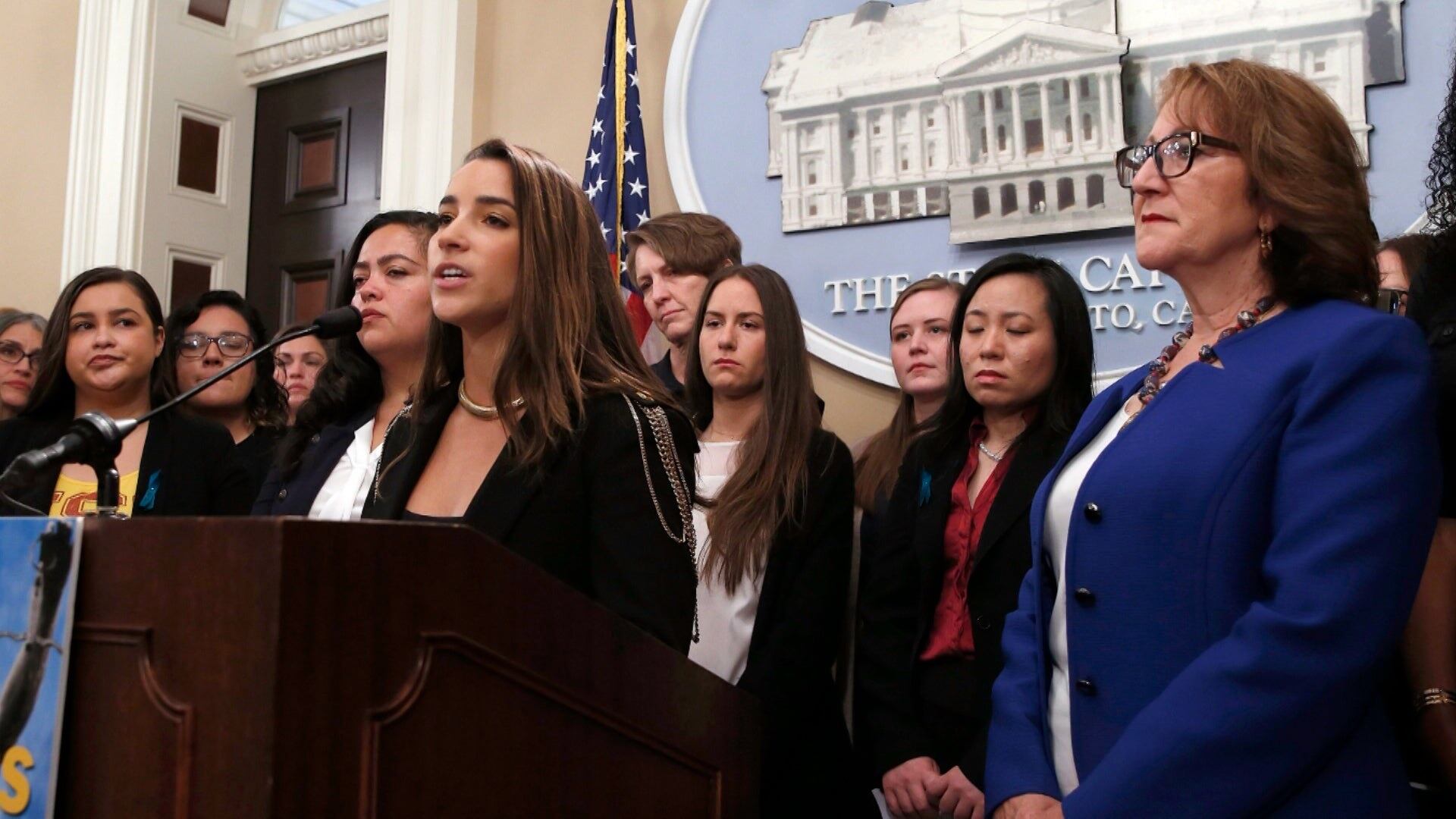
Survivors of Larry Nassar, including Olympian Simone Biles, are seeking $1 billion in damages from the FBI due to its failure to investigate the former gymnastics team doctor convicted of committing years of serial sexual abuse of minors. Jack Queen, a senior reporter at Law360, joined Cheddar News to break down the legal grounds of this case. "This is one of the biggest black eyes that the Bureau has faced in generations, quite frankly, and the FBI has taken full responsibility and admitted that it completely botched this investigation," he said. "So, there's a lot of pressure to settle."
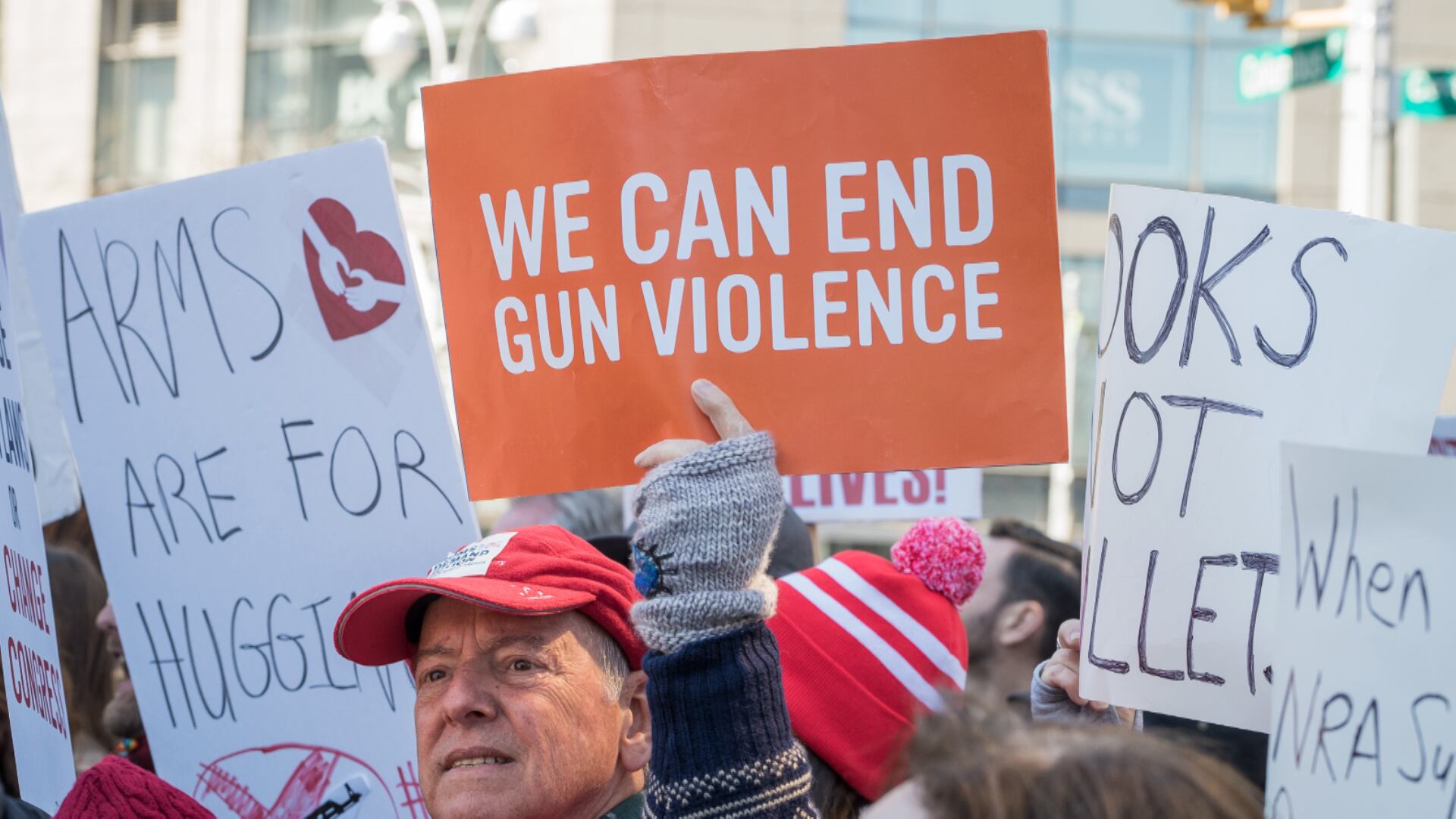
The House has passed some of the most aggressive gun-control measures in years, including raising the minimum age to buy semi-automatic rifles from 18 to 21 and banning high-capacity magazines. Daniel Webster, Co-Director of the Center for Gun Violence Solutions, explains why this legislation has little chance to pass in the Senate, and what else can be done to curb gun violence in this country.
We are already starting to feel the effects of summer. Heat waves in Texas and California are already sending temperatures soaring. That could spell trouble for the nation's power supply. there are new concerns about outages in many areas of the country. Cheddar's Shannon Lanier explains the two main causes of blackouts, and what states are doing to keep the lights on and the air conditioning running.
If you have been on the road this past year, you've probably seen more accidents on the road than you ever have. You're not wrong. Traffic fatalities are not only increasing they are hitting historic highs. Almost 43,000 people died in motor vehicle accidents in 2021. Cheddar's Shannon Lanier investigates - and finds out why.
U.S. stocks close Tuesday at session highs after a subpar start to the trading day. Tim Chubb, Chief Investment Officer at the wealth advisory firm, Girard, joins Cheddar News' Closing Bell to discuss. 'We're starting to see the moderation of three core things -- we've seen the moderation of prices, we've seen the moderation of wage growth we've seen in the labor market, and we've also seen a moderation of job openings,' he says.
Catching you up on the stories you need to know this morning, mass shooting victims testify on Capitol Hill, the White House outlines its plan to vaccinate kids younger than five years old, and we break down how to protect yourself from monkeypox.
A lot has changed since the pandemic began back in march 2020. COVID-19 caused a huge disruption in the U.S. labor force that is just beginning to normalize. As of last month, about 96% of jobs lost in the pandemic have returned. Still, where people work now looks very different from two years ago. Cheddar's Shannon Lanier looks at where the jobs are now and where they aren't.