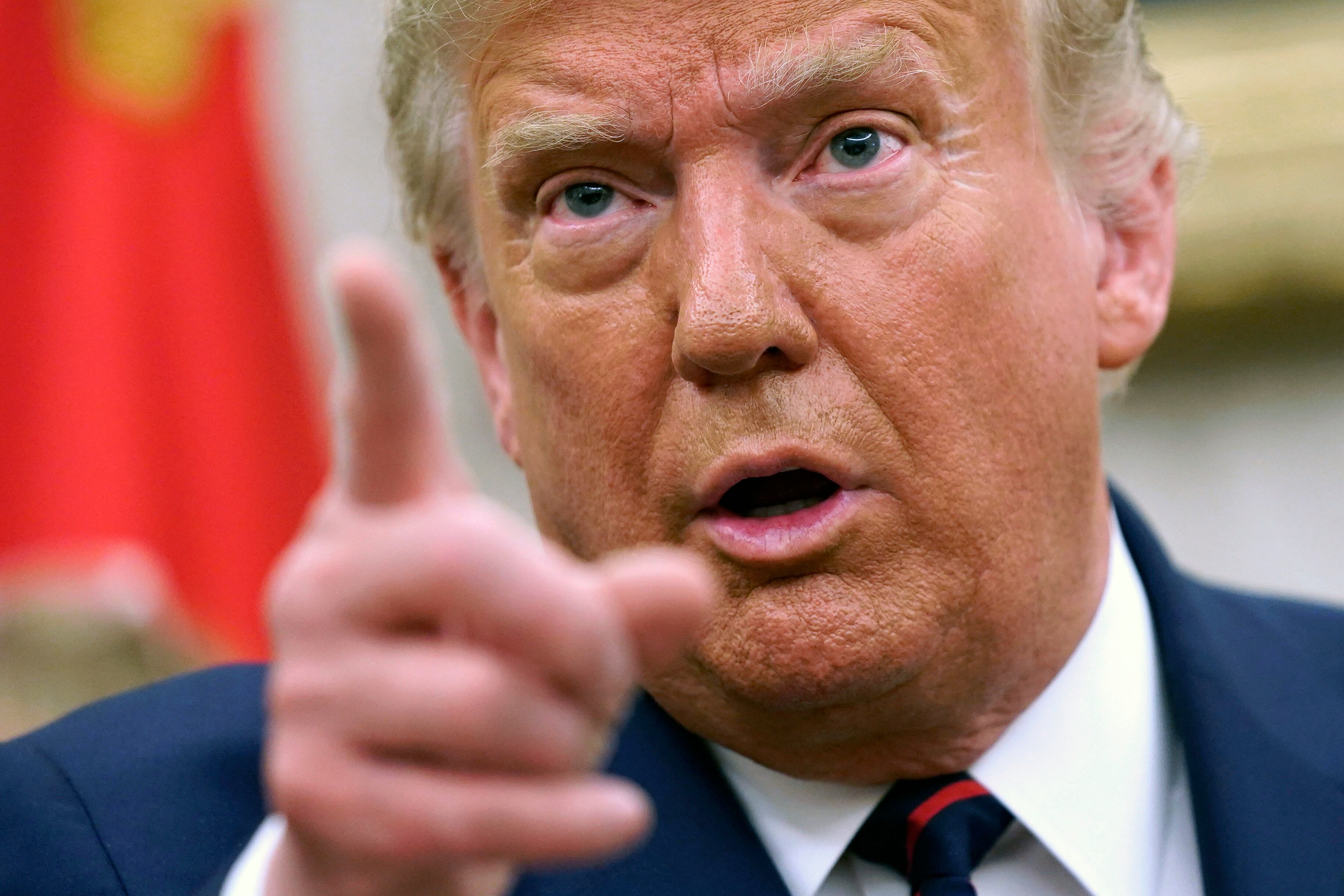
President Donald Trump speaks as he meets with Iraqi Prime Minister Mustafa al-Kadhimi in the Oval Office of the White House, Thursday, Aug. 20, 2020, in Washington. (AP Photo/Patrick Semansky)
By Mark Sherman
President Donald Trump is asking the Supreme Court to allow him to block critics from his personal Twitter account.
The administration said in a high-court filing Thursday that Trump's @realdonaldtrump account with more than 85 million followers is his personal property and blocking people from it is akin to elected officials who refuse to allow their opponents' yard signs on their front lawns.
"President Trump's ability to use the features of his personal Twitter account, including the blocking function, are independent of his presidential office," acting Solicitor General Jeffrey Wall wrote in urging the justices to review the case.
The federal appeals court in New York ruled last year that Trump uses the account to make daily pronouncements and observations that are overwhelmingly official in nature. It held that Trump violated the First Amendment whenever he blocked a critic to silence a viewpoint.
A decision about whether even to hear the case is not likely before the November election.
The case grew out of a challenge brought by the Knight First Amendment Institute at Columbia University, which sued on behalf of seven individuals blocked by Trump after criticizing his policies.
Jameel Jaffer, the Knight Institute's executive director, said the justices should decline to take up Trump's appeal.
"This case stands for a principle that is fundamental to our democracy and basically synonymous with the First Amendment: government officials can't exclude people from public forums simply because they disagree with their political views," Jaffer said in a statement.
The administration argued in its appeal that the Supreme Court, not lower courts, "should decide where to draw the line between the President's personal decisions and official conduct."
The pace of the case was slowed by the coronavirus pandemic as well as Trump's decision to ask the full 2nd U.S. Circuit Court of Appeals to review the ruling by a three-judge panel. The court refused to do so by a 7-2 vote in March. Two Trump appointees, Judges Michael H. Park and Richard J. Sullivan, were the only members of the court to side with the president.
The Supreme Court extended its deadline to file an appeal from 90 days to 150 days when it shut the building to the public and abandoned in-person meetings in favor of telephone conferences because of the virus outbreak.
Adam Johnson, Portfolio Manager at Adviser Investments, joins Cheddar News' Closing Bell, where he explains why he believes we saw markets jump during Wednesday's session, and adds that investors have already priced in 'every possible kind of bad news we could have.'
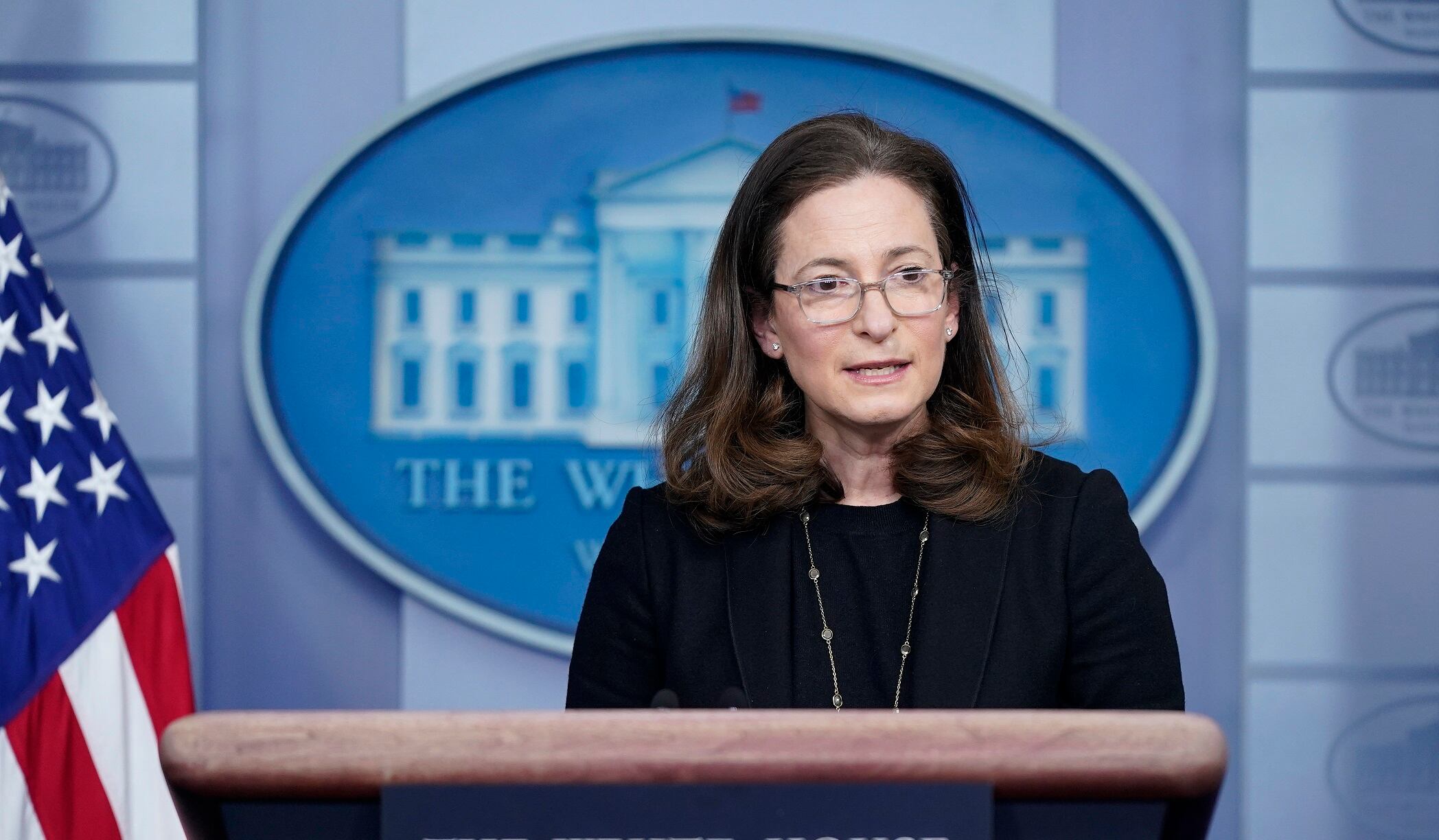
Jennifer Klein, the White House Gender Policy Council's co-chair and executive director, spoke to Cheddar News about the economic impact of the pandemic showing the need for a group like the Gender Policy Council, and the need to address issues that have affected women the most,
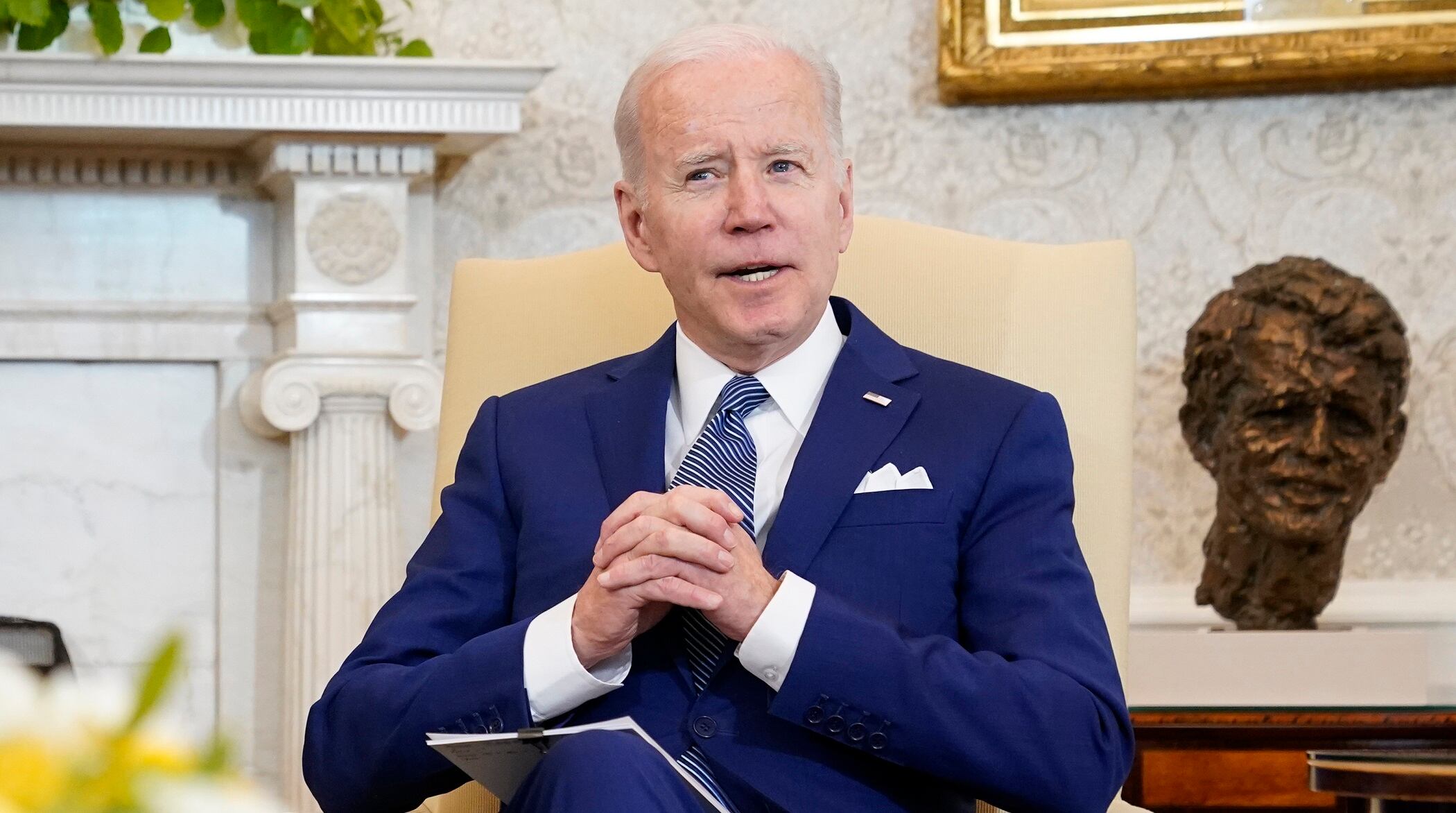
President Joe Biden on Wednesday signed a long-awaited executive order on cryptocurrencies, striking a careful balance between highlighting the risks of digital assets and touting their potential benefits.
McDonald’s said Tuesday it is temporarily closing all of its 850 restaurants in Russia in response to the country's invasion of Ukraine. The burger giant said it will continue paying its 62,000 employees in Russia.
The price of nickel, one of the key minerals needed to produce stainless steel and lithium-ion batteries, saw an unprecedented surge Tuesday amid fears that Western sanctions could cut off Russian supplies of the crucial commodity.
As Western companies cut ties with Russia over its invasion of Ukraine, there's a possibility their Chinese rivals could move in and fill the void. Major corporations such as Apple, Samsung, Dell, and more have halted sales in Russia in hopes of encouraging Putin to back down, but now it seems those sanctions could be presenting a unique opportunity for China. Michael Friedson, Co-founder and Executive Editor of The Media Line News Agency, joined Cheddar's Opening Bell to discuss how these Western boycotts are reshaping geopolitical alignments, the global economy, and international trade.
Gas prices have reached their highest level since 2008, topping an average of $4 across the country. The surge comes as Russia's invasion of Ukraine triggers supply concerns in what was already an extremely tight oil market. Jay Hatfield, Chief Investment Officer at ICAP, breaks down why costs at the pump are so high right now, and just how high they could go.
President Joe Biden has announced that the U.S. will ban all Russian oil imports, toughening the toll on Russia’s economy in retaliation for its invasion of Ukraine.
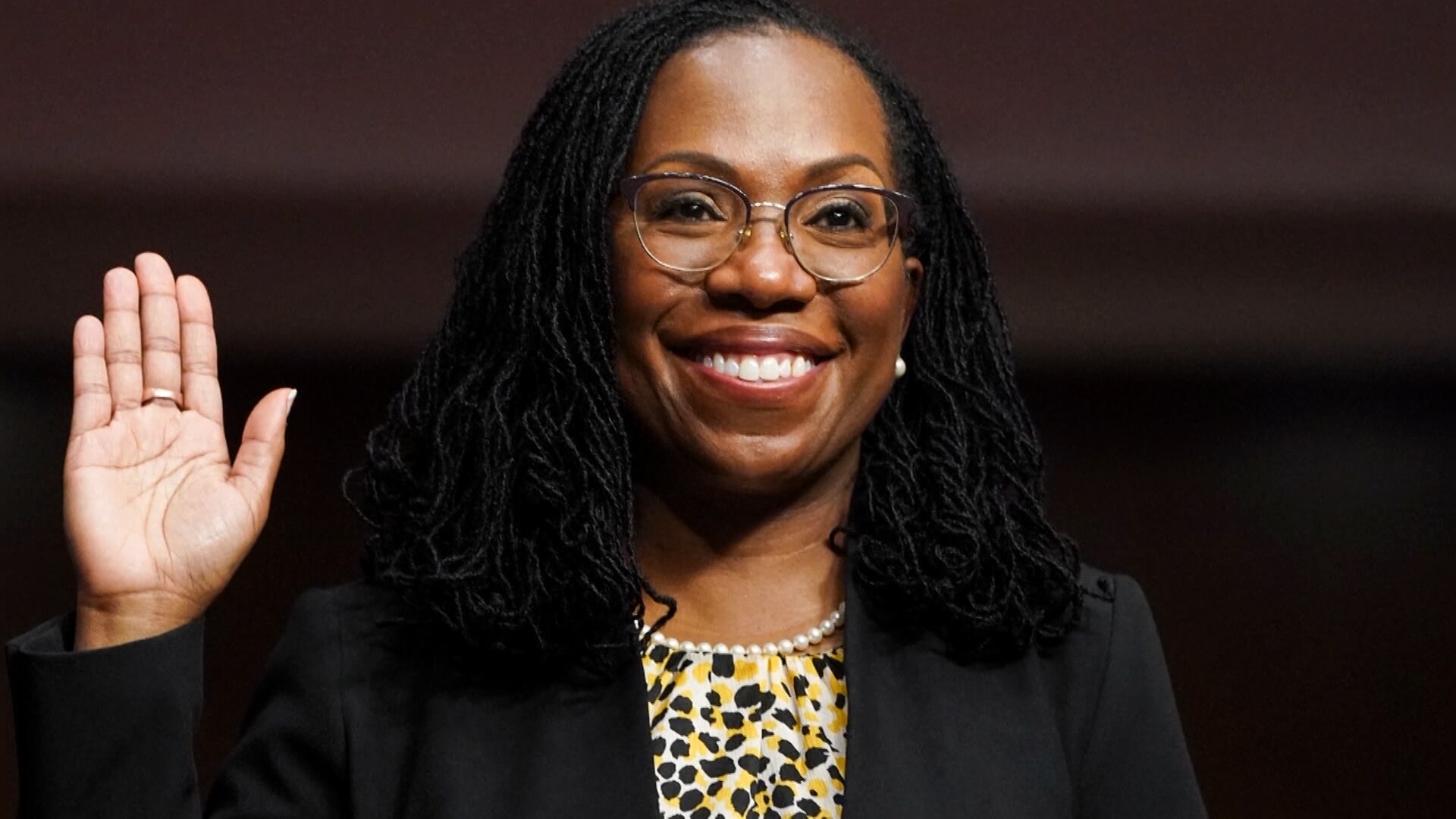
If confirmed, judge Ketanji Brown Jackson could become the first black woman on the bench of the U.S. Supreme Court. Cheddar News speaks with Katie Barlow, Chief Legal Correspondent at Fox 5 to discuss the significance of the nomination.
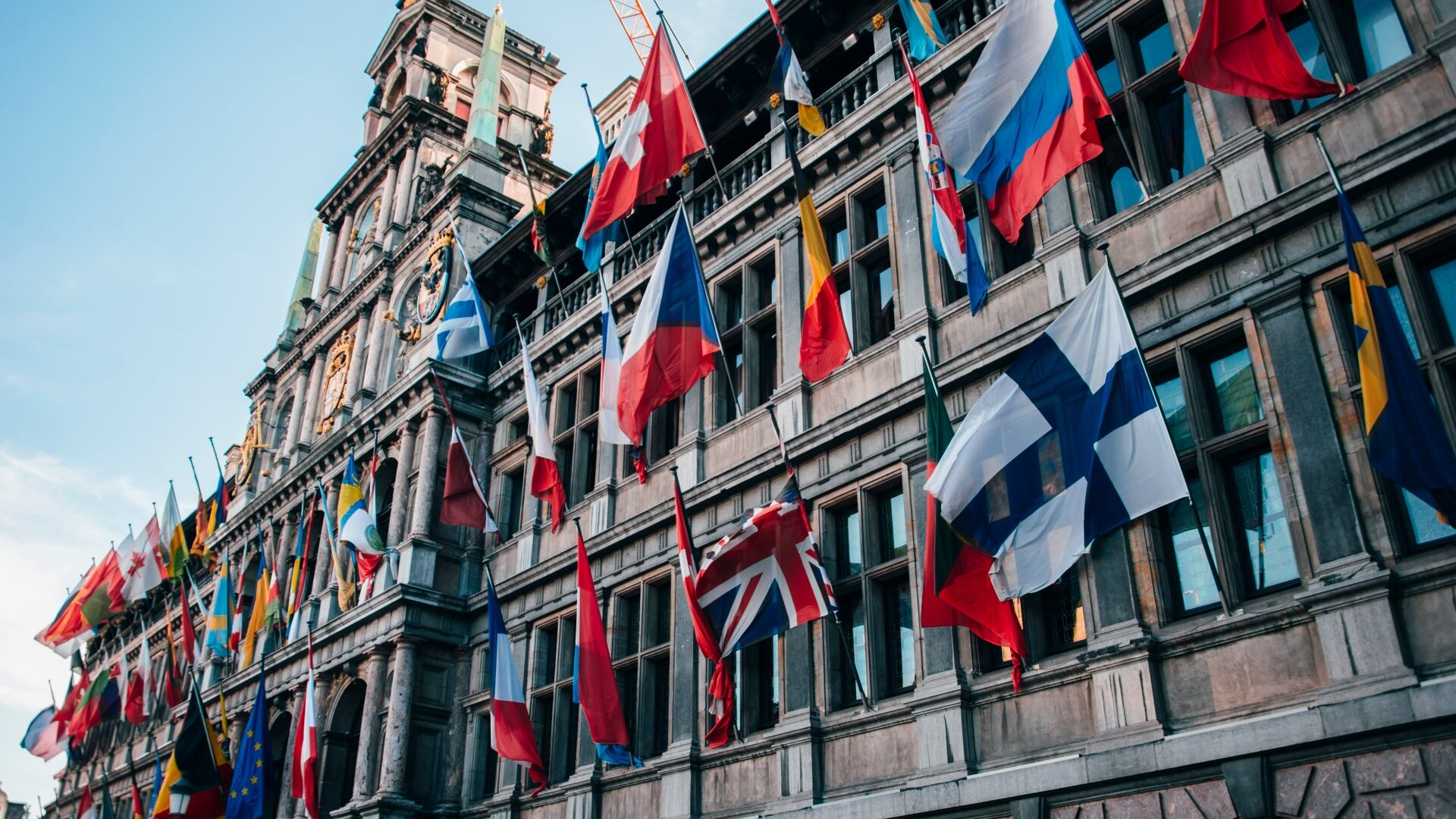
The European Union is historically divided and slow when it comes to decision-making, but in the recent weeks, the 27 members have agreed upon several sanctions and decisions regarding foreign policy and defense. The EU has cut off Russian banks from the swift payment system, blocked Russian propaganda channels, and closed European skies for air travel to and from Russia. Germany, for example, who has refused to send any deadly weapons to conflict zones, has now agreed to send lethal weapons to Ukraine. Rupert Steiner, London Bureau Chief at Barron's, joins cheddar news to discuss.