President Donald Trump speaks as he meets with Iraqi Prime Minister Mustafa al-Kadhimi in the Oval Office of the White House, Thursday, Aug. 20, 2020, in Washington. (AP Photo/Patrick Semansky)
By Mark Sherman
President Donald Trump is asking the Supreme Court to allow him to block critics from his personal Twitter account.
The administration said in a high-court filing Thursday that Trump's @realdonaldtrump account with more than 85 million followers is his personal property and blocking people from it is akin to elected officials who refuse to allow their opponents' yard signs on their front lawns.
"President Trump's ability to use the features of his personal Twitter account, including the blocking function, are independent of his presidential office," acting Solicitor General Jeffrey Wall wrote in urging the justices to review the case.
The federal appeals court in New York ruled last year that Trump uses the account to make daily pronouncements and observations that are overwhelmingly official in nature. It held that Trump violated the First Amendment whenever he blocked a critic to silence a viewpoint.
A decision about whether even to hear the case is not likely before the November election.
The case grew out of a challenge brought by the Knight First Amendment Institute at Columbia University, which sued on behalf of seven individuals blocked by Trump after criticizing his policies.
Jameel Jaffer, the Knight Institute's executive director, said the justices should decline to take up Trump's appeal.
"This case stands for a principle that is fundamental to our democracy and basically synonymous with the First Amendment: government officials can't exclude people from public forums simply because they disagree with their political views," Jaffer said in a statement.
The administration argued in its appeal that the Supreme Court, not lower courts, "should decide where to draw the line between the President's personal decisions and official conduct."
The pace of the case was slowed by the coronavirus pandemic as well as Trump's decision to ask the full 2nd U.S. Circuit Court of Appeals to review the ruling by a three-judge panel. The court refused to do so by a 7-2 vote in March. Two Trump appointees, Judges Michael H. Park and Richard J. Sullivan, were the only members of the court to side with the president.
The Supreme Court extended its deadline to file an appeal from 90 days to 150 days when it shut the building to the public and abandoned in-person meetings in favor of telephone conferences because of the virus outbreak.
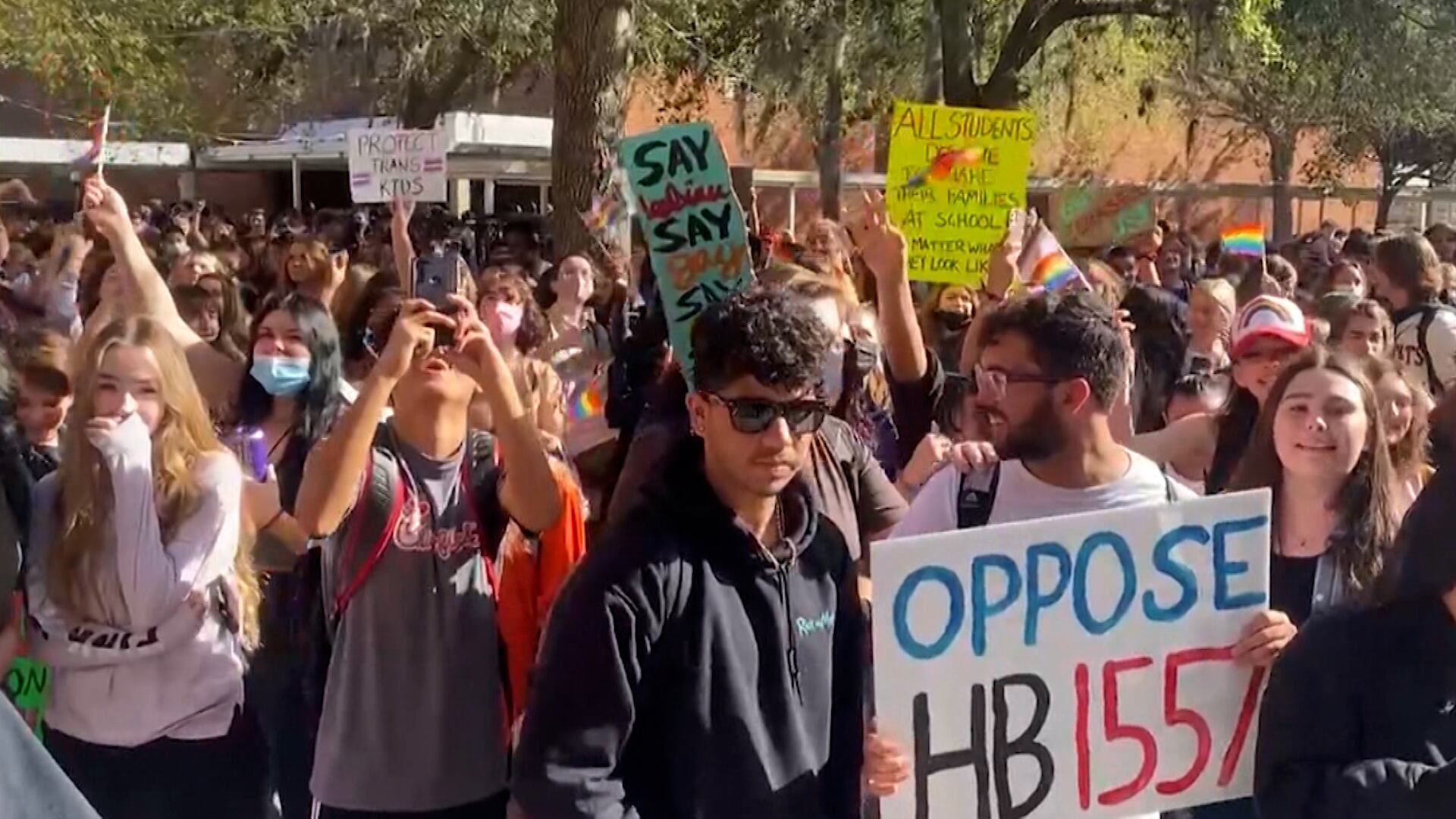
Will Larkins, president and co-founder of Winter Park High School's Queer Student Union and one of the organizers of its
'Say Gay Anyway' walkout, joined Cheddar News to discuss their recent opinion piece for The New York Times titled "Florida's 'Don't Say Gay' Bill Will Hurt Teens Like Me."
Russia's military advances in Ukraine appear to have stalled, as heavy casualties, equipment losses, and a lack of progress on the ground take a toll. Despite the horrific damage caused by the attack, Ukraine's military has held up better than many experts predicted. Elliot Ackerman, author and Marine Corps Veteran, joined Cheddar's Opening Bell to discuss why Ukraine's defense response been such a surprise, and what a stalemate in the war might look like.
Catching you up on what you Need to Know on Mar 21, 2022, with updates on the Russian invasion in Ukraine, a Boeing 737-800 plane carrying 132 people crashed in China, Canadian Pacific rail workers on strike, another possible COVID surge, and the SEC's new climate rules for businesses.
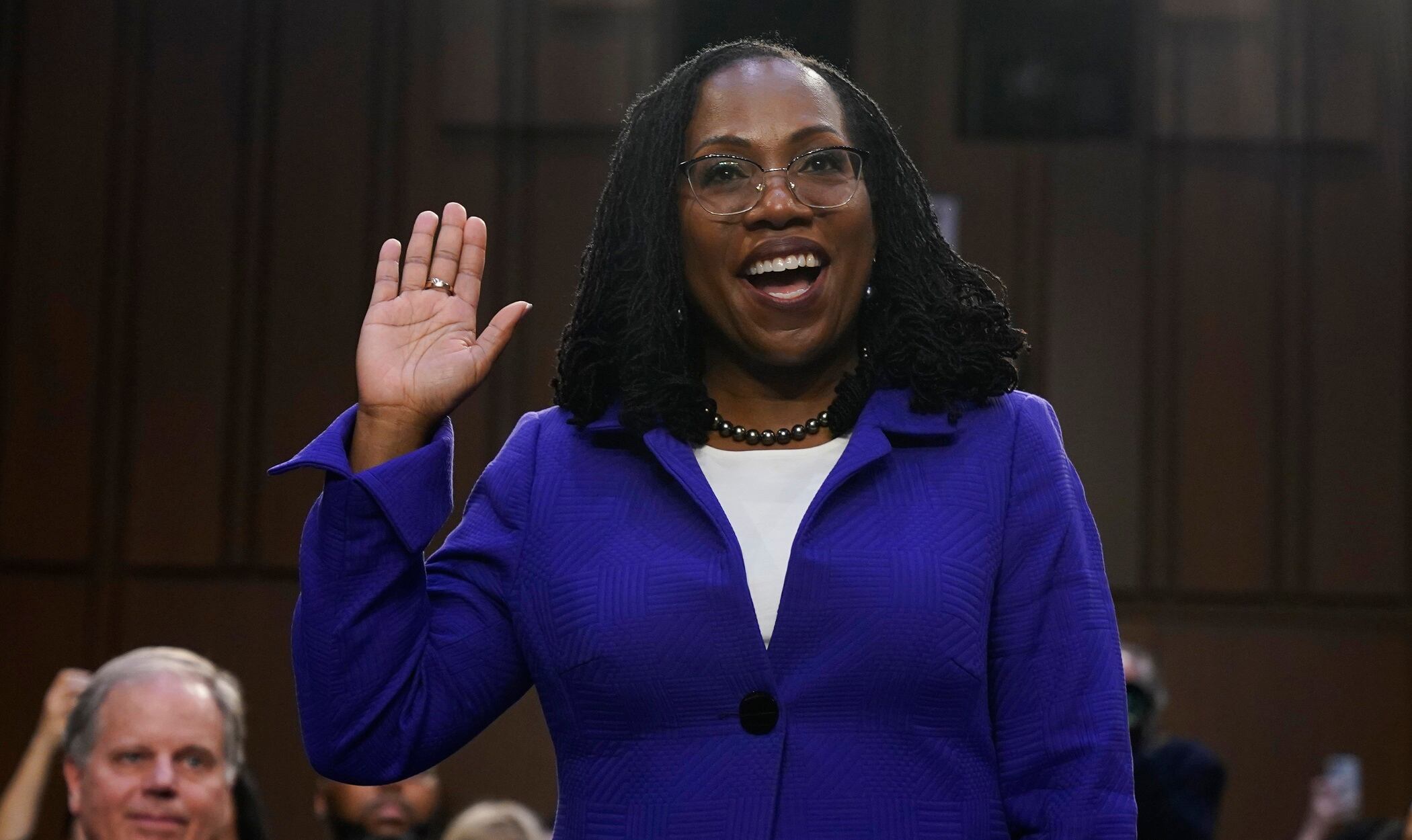
Judge Ketanji Brown Jackson has told senators that she will defend the Constitution and decide cases “without fear or favor” if she is confirmed to the Supreme Court.
David Stryzewski, CEO of Sound Planning Group, joins Cheddar News' Closing Bell, where he says he believes pent-up demand is driving stocks higher and explains how Wednesday's Fed decision continues to impact investor sentiment.
Rachel Thomas, the co-founder and CEO of the non-profit Lean In, joined Cheddar amid Women's History Month, to discuss how the organization is taking on issues that continue to impact the workplace through its Circles program. "These are a program that brings women together in small groups, usually 8 to 12, for support, camaraderie, and to learn together," she said. "We also we have a lot of curriculum so women can learn how to navigate workplace biases, how to negotiate with women." Thomas also applauded President Biden's recent call to action on equal pay for women, noting that businesses must do more to be cognizant of inherent gender and racial biases.
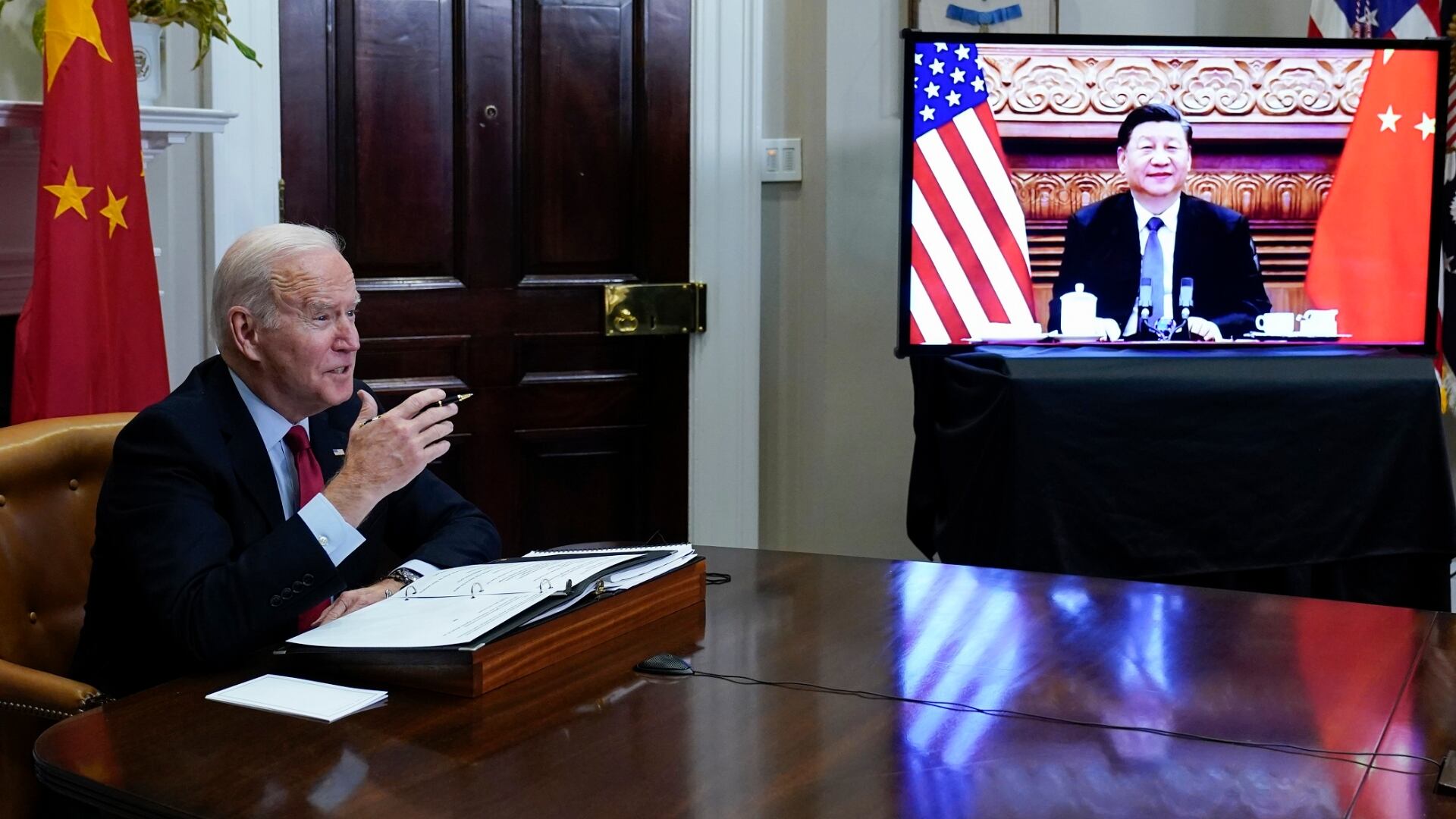
President Joe Biden and China’s Xi Jinping spoke Friday for nearly two hours via a video call as the White House looks to deter Beijing from providing military or economic assistance for Russia’s invasion of Ukraine.
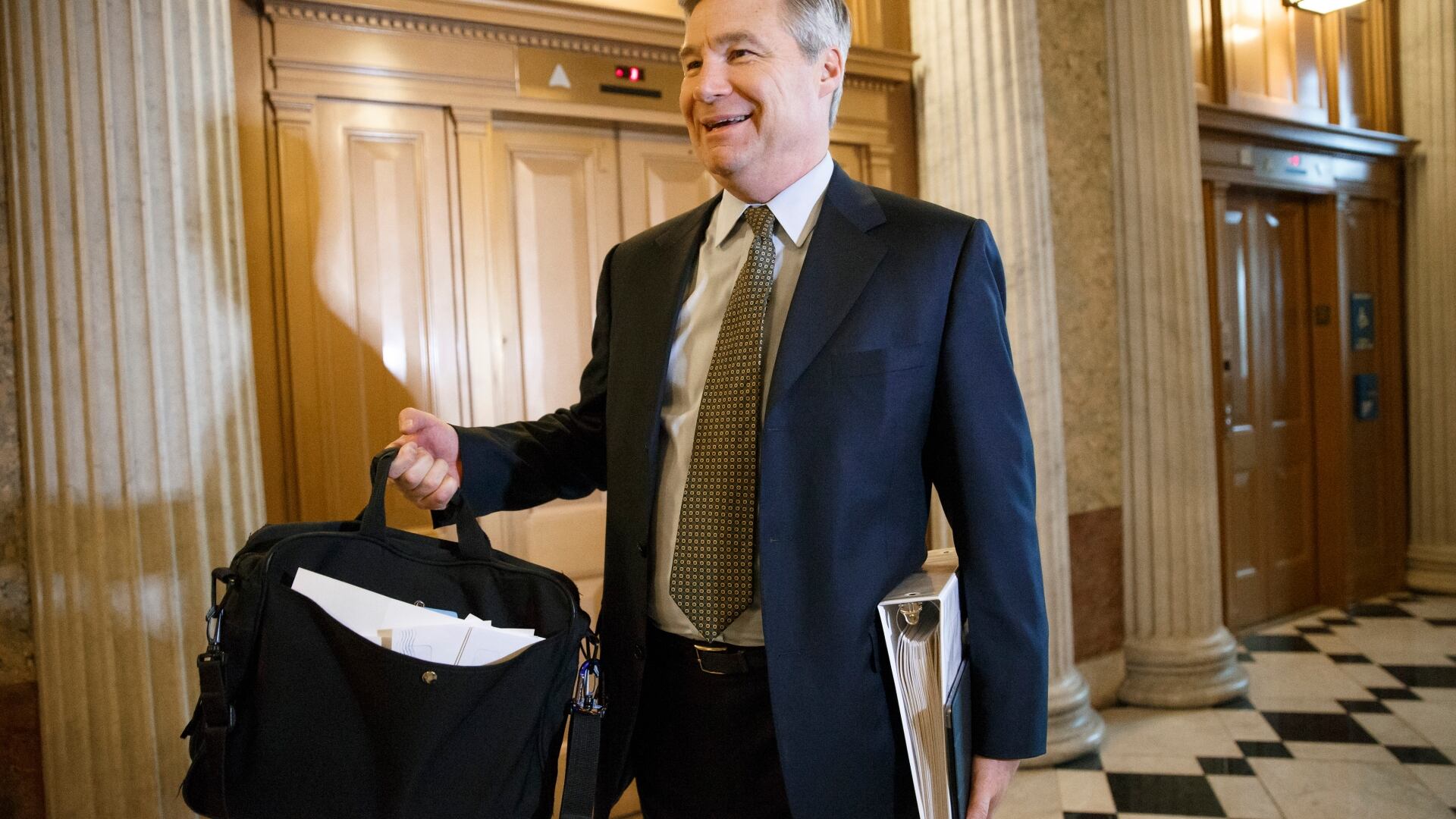
The Senate has passed the Sunshine Protection Act to permanently set U.S. clocks to daylight saving time — meaning you won't need to change them twice a year. Senator Sheldon Whitehouse (D-R.I.) joined Cheddar News to talk about something that hasn't been changed in almost half a century. “Well, I think if you were to start from scratch and have somebody come in and say here's my idea, we're going to have two different times during the year and you're going to shift back and forth between different times and have to reset all your clocks twice a year, you'd probably throw that person out as like having a screw loose," he said regarding the status quo.
Catching you up on what you Need to Know on Mar 18, 2022, with updates on the war in Ukraine, President Biden’s meeting with Xi Jinping, Meta removing a deepfake video of Volodymyr Zelenskyy, Britney Griner, vaccine updates, and tech news.