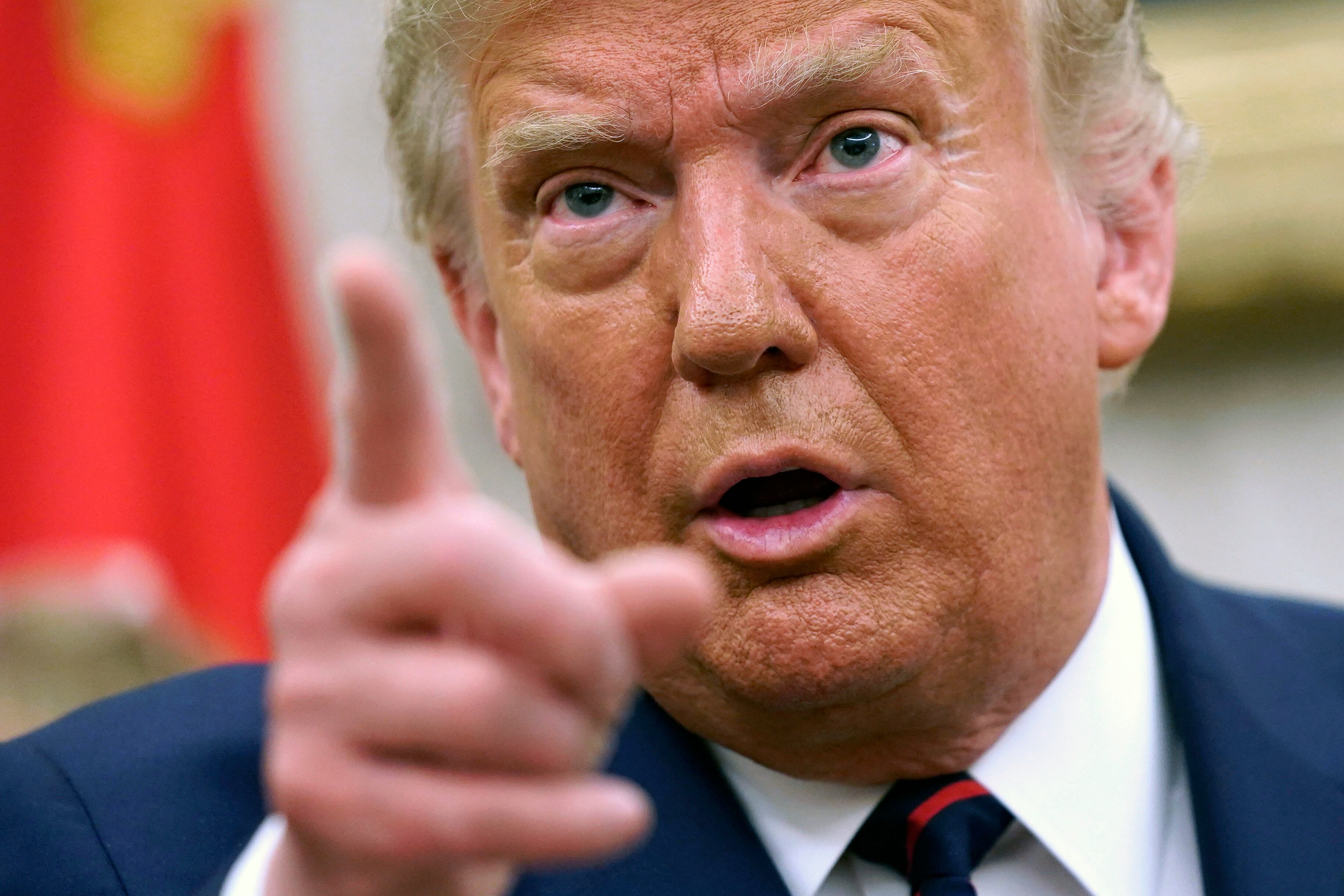
President Donald Trump speaks as he meets with Iraqi Prime Minister Mustafa al-Kadhimi in the Oval Office of the White House, Thursday, Aug. 20, 2020, in Washington. (AP Photo/Patrick Semansky)
By Mark Sherman
President Donald Trump is asking the Supreme Court to allow him to block critics from his personal Twitter account.
The administration said in a high-court filing Thursday that Trump's @realdonaldtrump account with more than 85 million followers is his personal property and blocking people from it is akin to elected officials who refuse to allow their opponents' yard signs on their front lawns.
"President Trump's ability to use the features of his personal Twitter account, including the blocking function, are independent of his presidential office," acting Solicitor General Jeffrey Wall wrote in urging the justices to review the case.
The federal appeals court in New York ruled last year that Trump uses the account to make daily pronouncements and observations that are overwhelmingly official in nature. It held that Trump violated the First Amendment whenever he blocked a critic to silence a viewpoint.
A decision about whether even to hear the case is not likely before the November election.
The case grew out of a challenge brought by the Knight First Amendment Institute at Columbia University, which sued on behalf of seven individuals blocked by Trump after criticizing his policies.
Jameel Jaffer, the Knight Institute's executive director, said the justices should decline to take up Trump's appeal.
"This case stands for a principle that is fundamental to our democracy and basically synonymous with the First Amendment: government officials can't exclude people from public forums simply because they disagree with their political views," Jaffer said in a statement.
The administration argued in its appeal that the Supreme Court, not lower courts, "should decide where to draw the line between the President's personal decisions and official conduct."
The pace of the case was slowed by the coronavirus pandemic as well as Trump's decision to ask the full 2nd U.S. Circuit Court of Appeals to review the ruling by a three-judge panel. The court refused to do so by a 7-2 vote in March. Two Trump appointees, Judges Michael H. Park and Richard J. Sullivan, were the only members of the court to side with the president.
The Supreme Court extended its deadline to file an appeal from 90 days to 150 days when it shut the building to the public and abandoned in-person meetings in favor of telephone conferences because of the virus outbreak.
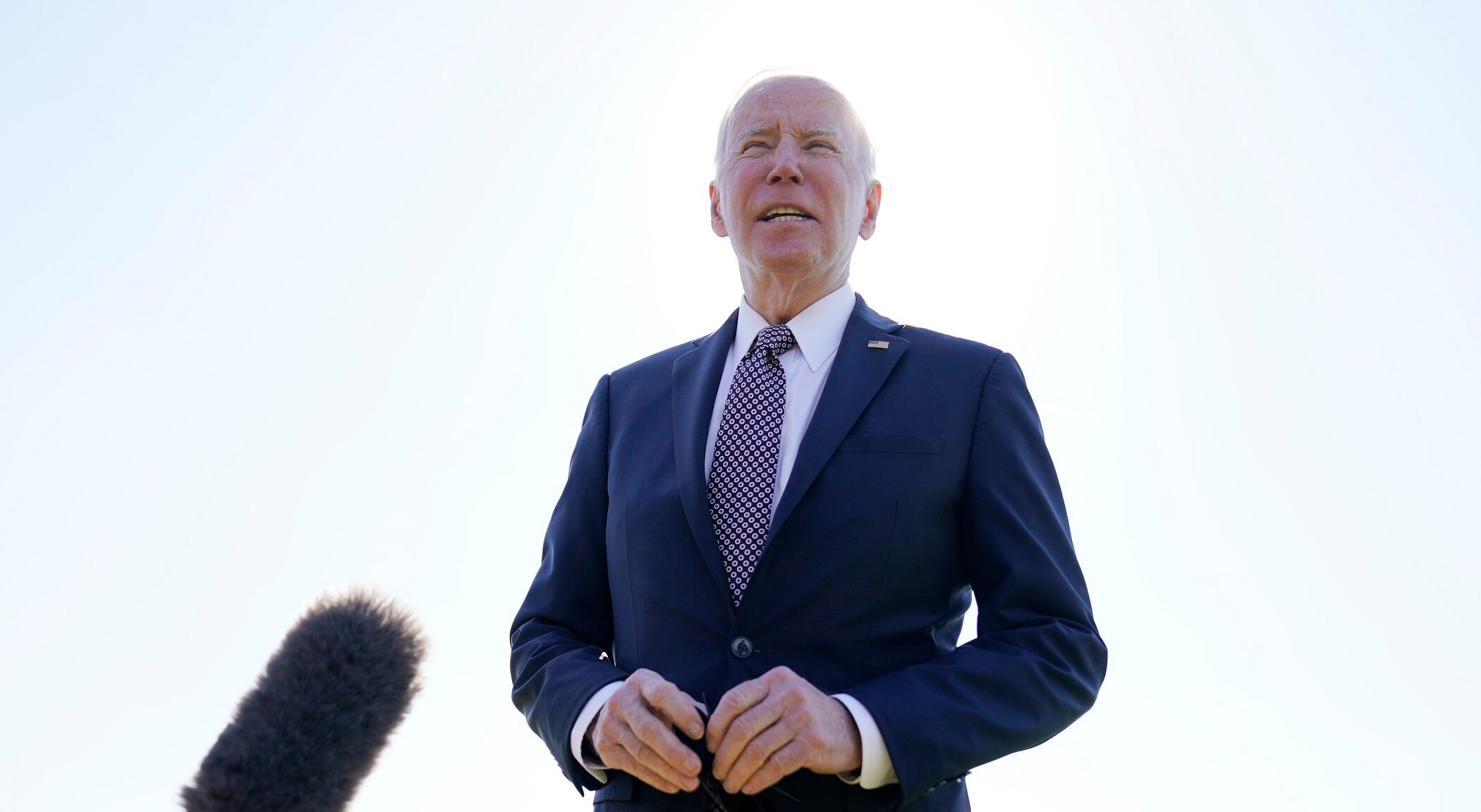
President Joe Biden called for a war crimes trial against Russian President Vladimir Putin and said he’d seek more sanctions after reported atrocities in Ukraine.
Catching you up on what you need to know on April 4, 2022, with reports of Russian war crimes in Ukraine, a weekend shooting in Sacramento killing six and injuring 12, Mexico ending its gas subsidization for U.S. drivers, and the University of South Carolina winning the women's NCAA basketball championship, and more.
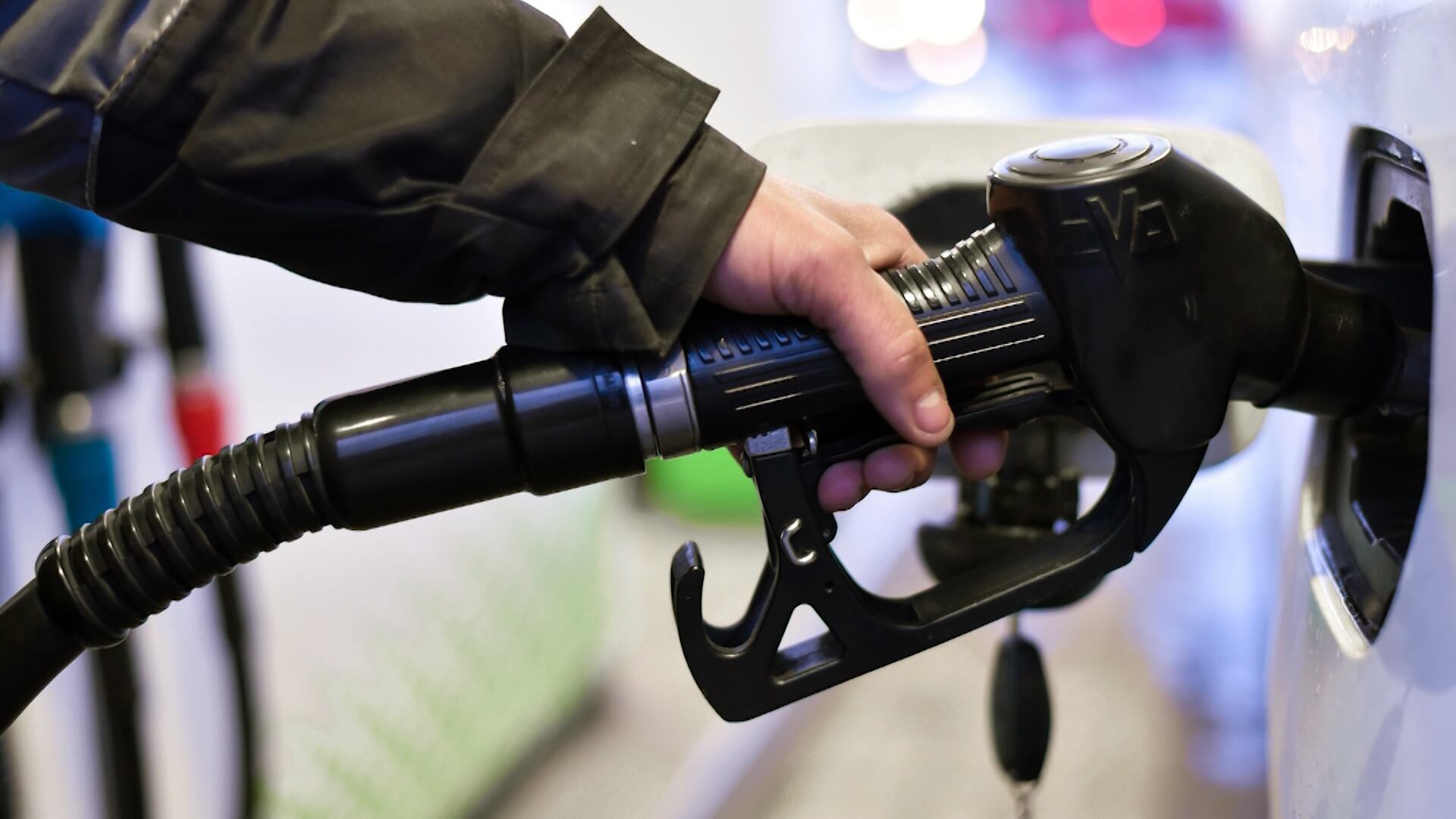
Peter Zalzal, associate vice president for clean air strategies at the Environmental Defense Fund, a nonprofit environmental advocacy group, joined Cheddar to discuss the Biden Administration's unveiling of stricter fuel-efficiency standards for new automobiles. "The administration estimated that these rules will reduce about 2.5 billion tons of climate pollution by 2050, and using less fuel also means that we have to go to the gas pump less often. And so it means we save money, thousands of dollars in avoided fuel costs each year for consumers," he noted.
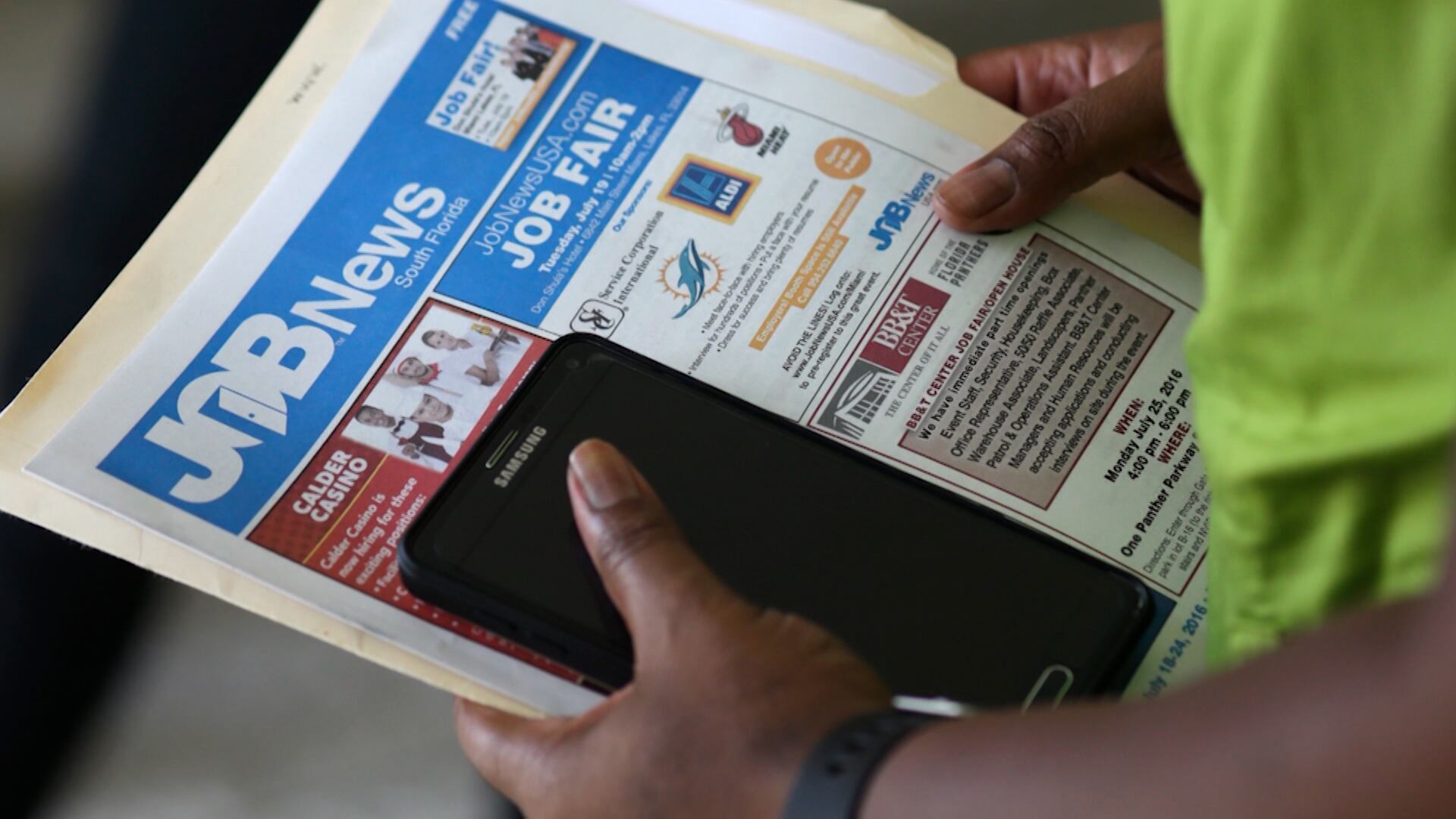
The relatively robust March jobs report showed that despite the low unemployment rate, Black, Hispanic, and women job seekers are still having difficulty finding work. William M. Rodgers III, the vice president and director of the Institute for Economic Equity at the Federal Reserve Bank of St. Louis noted that participation rates in the labor force ticked up for minorities, adding to other positive signs of growth. He also spoke to Cheddar News to discuss further the jobs figures, the state of the labor market, and rising inflation.
U.S. markets opened higher to kick off the second quarter, despite a miss on the March Jobs Report. The economy added $431,000 in the month, slightly lower than the $490,000 analysts had expected. The unemployment rate also ticked down to 3.6% from 3.8%. Kevin Simpson, Founder & Chief Investment Officer, Capital Wealth Planning joined Cheddar's Opening Bell to discuss.
President Biden is going after billionaires in his 2023 budget request to congress. The proposal would establish a 20% minimum tax rate on all households worth more than $100 million, as well as raise the corporate tax rate from 21% to 28%. Rhett Buttle, Small Business for America's Future Senior Advisor, Business Policy Expert & Biden Campaign Business Advisor, breaks down the proposal, what it aims to accomplish, and how small businesses might feel about it.
The Biden administration has announced the U.S. will accept up to 100,000 refugees fleeing the war in Ukraine and provide more than 1 billion dollars in new funding for the growing humanitarian crisis. The move comes as President Biden meets with his western counterparts in Europe to demonstrate a united front against Russia and show support for Ukraine. Altagracia Pierre-Outerbridge, Immigration Attorney for Outerbridge Law, explains how this is going to work.
The DOJ has endorsed an antitrust bill targeting tech giants like Apple, Amazon, Meta, and Google. The legislation would ban the companies from favoring their own products and services over their competitor's, making it more difficult them to dominate the marketplace. Greg Day, Assistant Professor of Legal Studies at the University of Georgia, breaks down the bill and its potential impact on anti-competition in the tech sector.