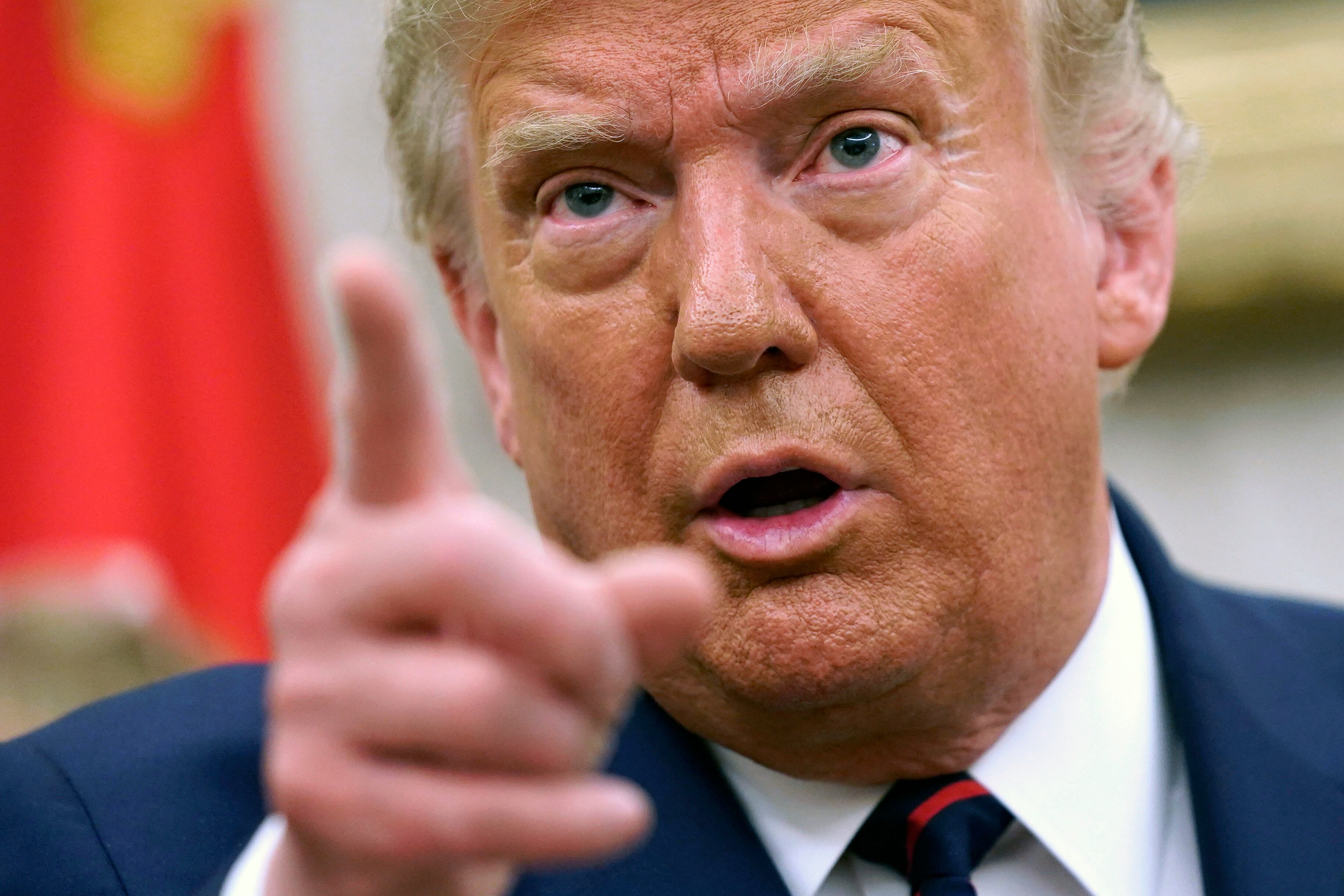
President Donald Trump speaks as he meets with Iraqi Prime Minister Mustafa al-Kadhimi in the Oval Office of the White House, Thursday, Aug. 20, 2020, in Washington. (AP Photo/Patrick Semansky)
By Mark Sherman
President Donald Trump is asking the Supreme Court to allow him to block critics from his personal Twitter account.
The administration said in a high-court filing Thursday that Trump's @realdonaldtrump account with more than 85 million followers is his personal property and blocking people from it is akin to elected officials who refuse to allow their opponents' yard signs on their front lawns.
"President Trump's ability to use the features of his personal Twitter account, including the blocking function, are independent of his presidential office," acting Solicitor General Jeffrey Wall wrote in urging the justices to review the case.
The federal appeals court in New York ruled last year that Trump uses the account to make daily pronouncements and observations that are overwhelmingly official in nature. It held that Trump violated the First Amendment whenever he blocked a critic to silence a viewpoint.
A decision about whether even to hear the case is not likely before the November election.
The case grew out of a challenge brought by the Knight First Amendment Institute at Columbia University, which sued on behalf of seven individuals blocked by Trump after criticizing his policies.
Jameel Jaffer, the Knight Institute's executive director, said the justices should decline to take up Trump's appeal.
"This case stands for a principle that is fundamental to our democracy and basically synonymous with the First Amendment: government officials can't exclude people from public forums simply because they disagree with their political views," Jaffer said in a statement.
The administration argued in its appeal that the Supreme Court, not lower courts, "should decide where to draw the line between the President's personal decisions and official conduct."
The pace of the case was slowed by the coronavirus pandemic as well as Trump's decision to ask the full 2nd U.S. Circuit Court of Appeals to review the ruling by a three-judge panel. The court refused to do so by a 7-2 vote in March. Two Trump appointees, Judges Michael H. Park and Richard J. Sullivan, were the only members of the court to side with the president.
The Supreme Court extended its deadline to file an appeal from 90 days to 150 days when it shut the building to the public and abandoned in-person meetings in favor of telephone conferences because of the virus outbreak.
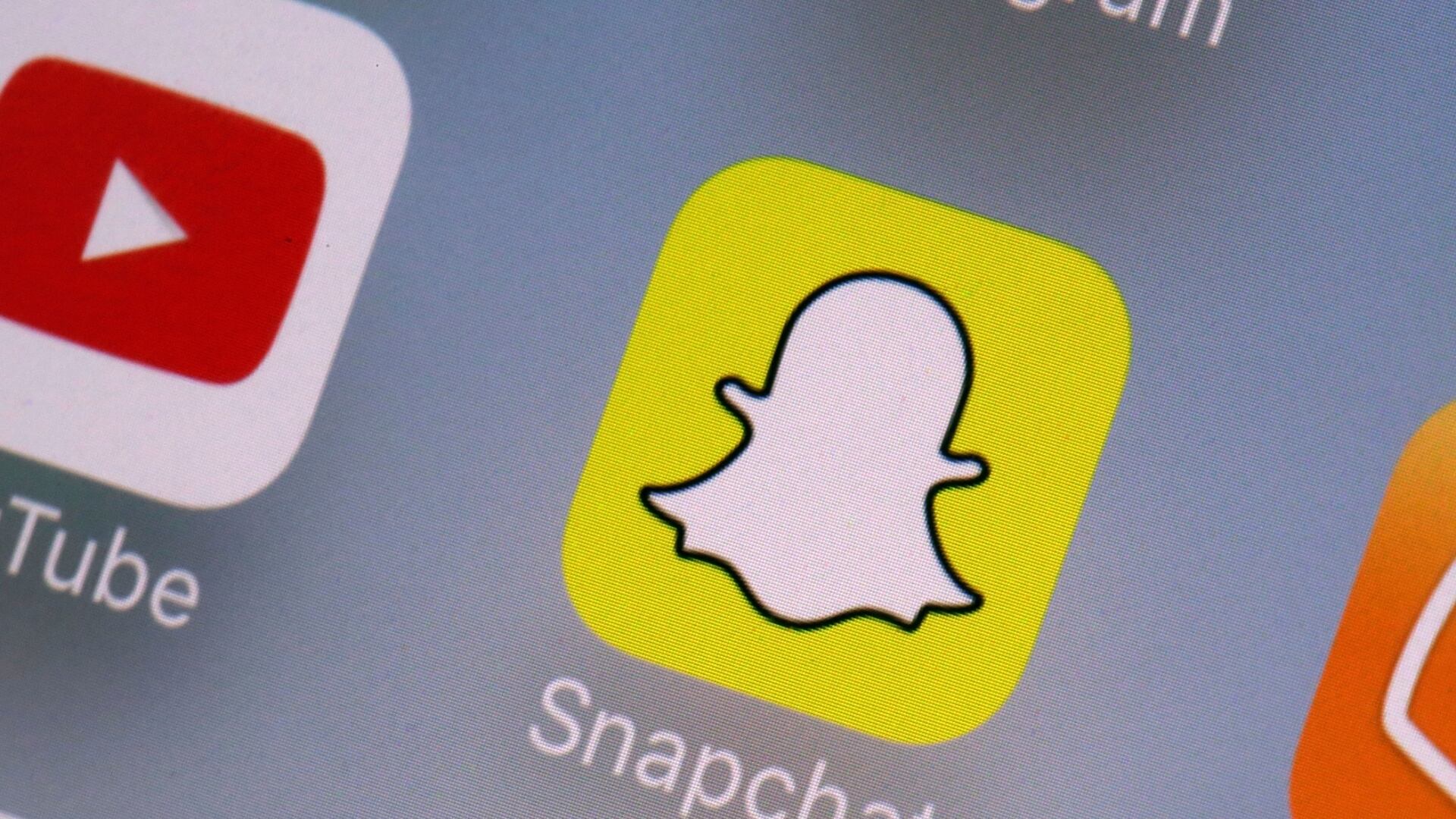
Social media platforms TikTok, Snapchat, and YouTube are facing questions in DC about consumer protections, data security, and product safety for young users. Emily Birnbaum, tech lobbying and influence reporter at Politico, joined Cheddar to provide some background into what led to the congressional hearing and the potential outcome. Birnbaum noted that social media platforms have been attempting to distance themselves from Facebook and the ongoing bad press it garnered in recent months.
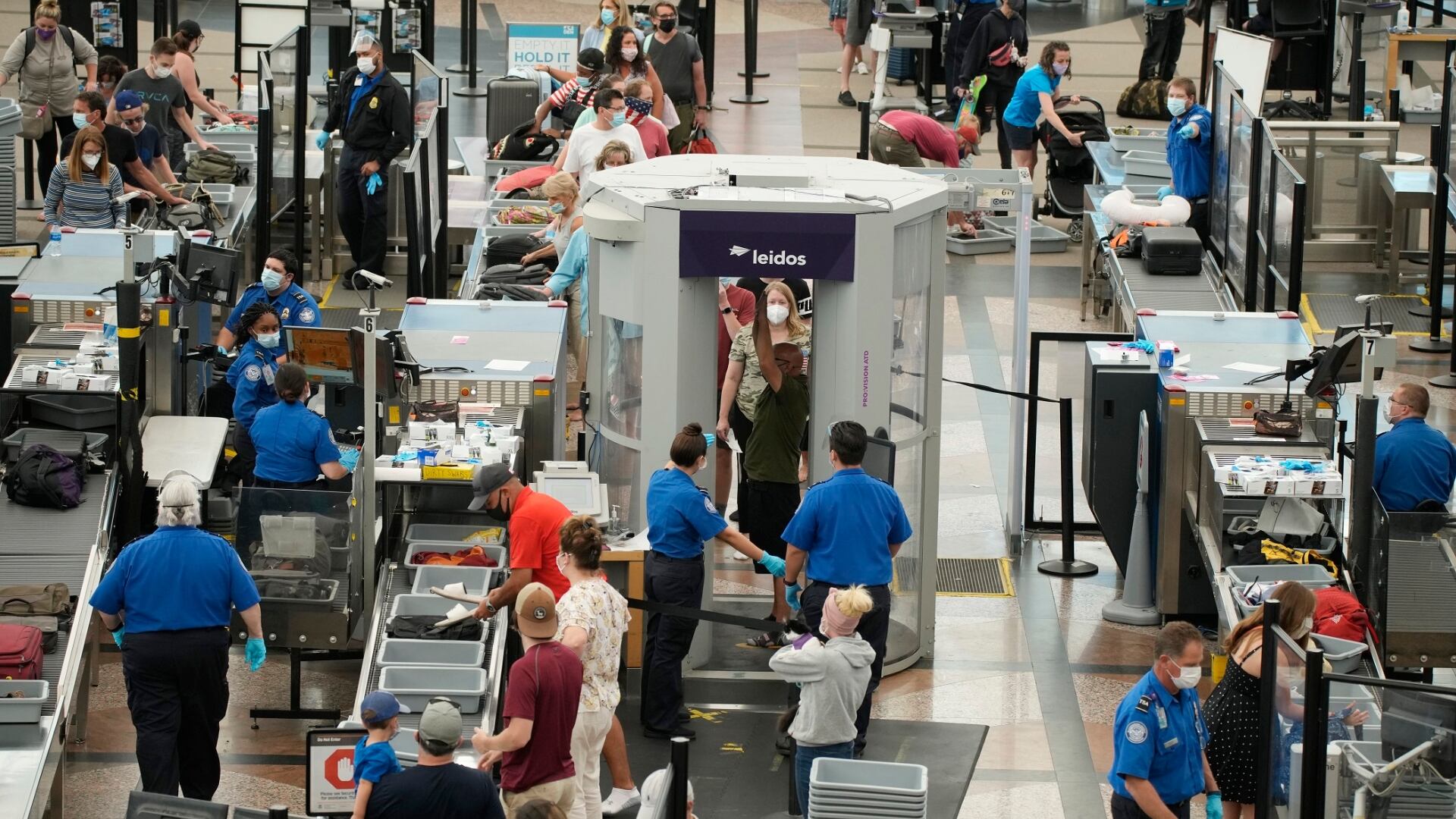
Beginning in November, fully vaccinated international travelers will be able to enter the United States after months of travel restrictions. People under the age of 18 and those from countries without easy access to vaccines will not be required to be vaccinated but all travelers will need to show negative COVID test results before entering.
Apple could soon face a Department of Justice antitrust lawsuit after intensifying its probe into the tech giant, according to a report. The added scrutiny comes after the tech giant had already faced questioning in Washington and concluded an antitrust case brought by Epic Games.
Last week, shares of Digital World Acquisition Corp skyrocketed after following Former Present Trump's announcement that he would be partnering with the company as part of a Special Purpose Acquisition Company, or SPAC. Christian Munafo, Chief Investment Officer of Liberty Street Advisors and portfolio Manager of the Private Shares Fund broke down the latest, including whether or not Wall Street is currently experiencing a SPAC boom.
Jill and Carlo cover the news out of Facebook's latest earnings, Tesla's monumental day, Dave Chappelle addresses controversy and the tragedy of the climate emergency.
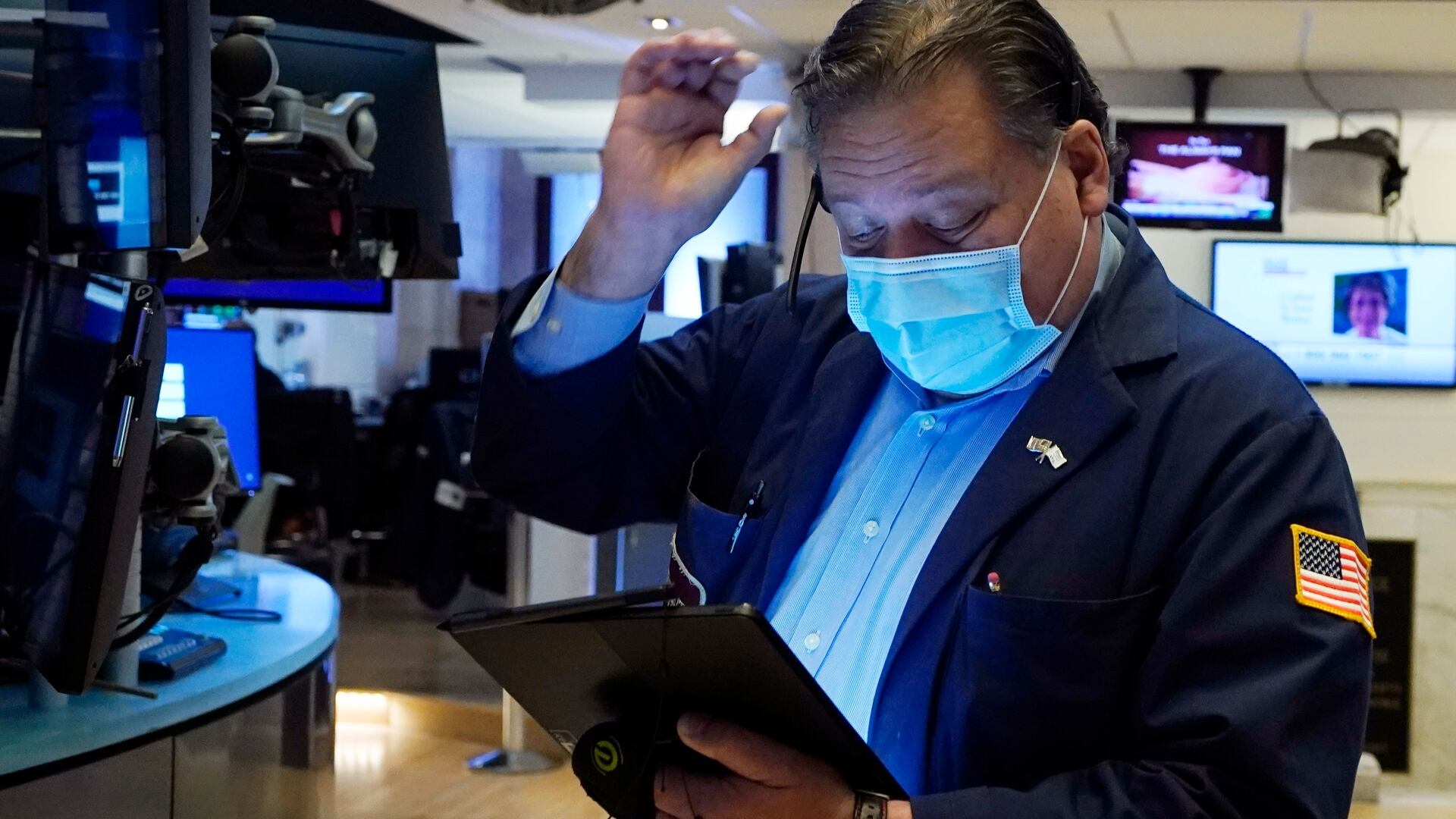
Stocks began the week on a high note, with two indexes - the Dow and the S&P 500 - each closing at a record high. Brian Levitt, Global Market Strategist at Invesco, joins Cheddar News' Closing Bell, where he explains why the conditions were in place for a jump during the session and provides insight on inflation concerns in the United States.
The price of Bitcoin hit a new all-time high last week following the Wall Street debut of ProShares Bitcoin Strategy ETF. Todd Cipperman, Founding Principal for Cipperman Compliance Services, joins Cheddar News' Closing Bell, where he explains why ProShares' ETF got off to a hot start while Valkyrie's Bitcoin Strategy ETF, which debuted just days later, did not.
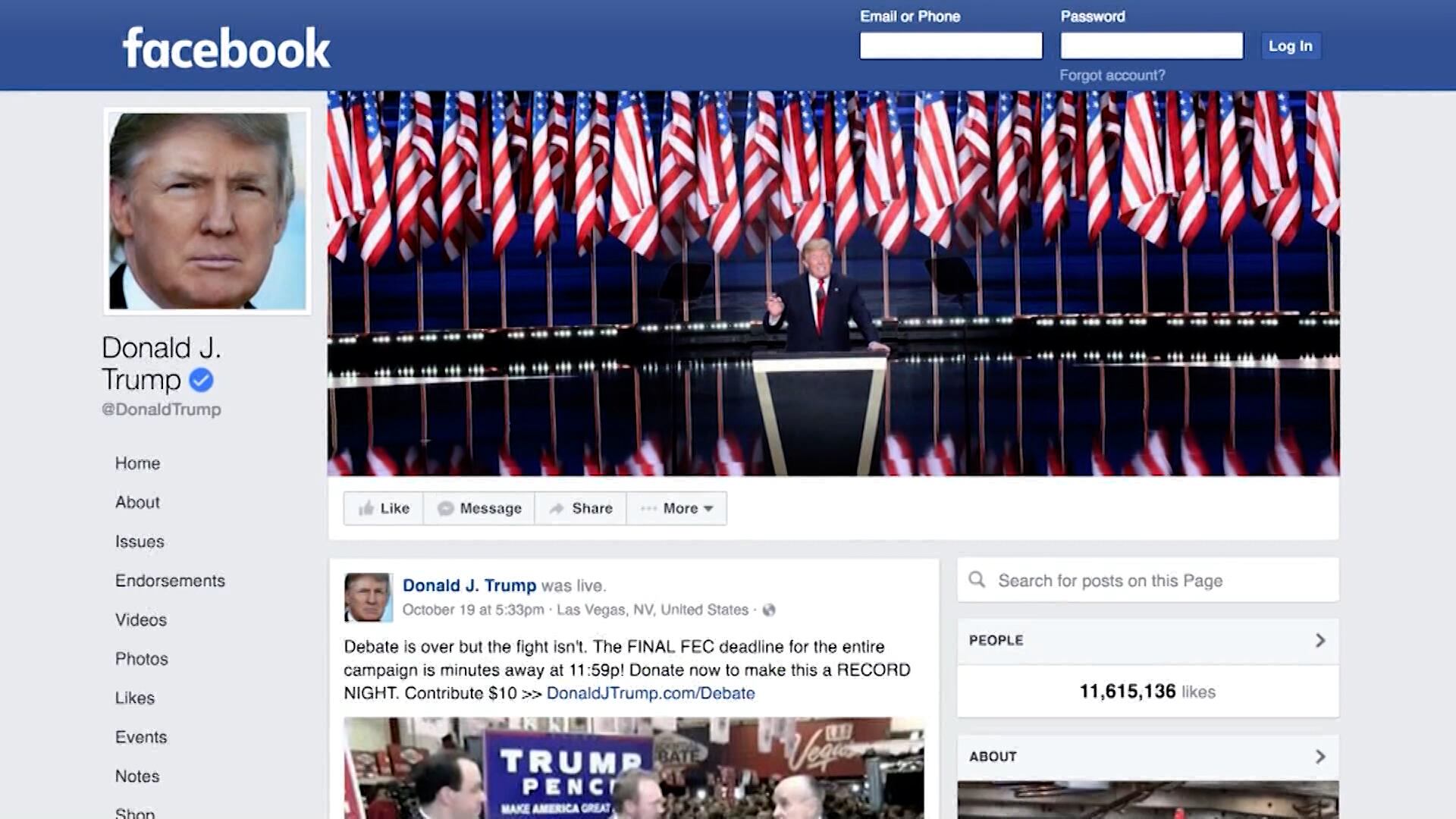
Rishi Bharwani, the director of partnerships and policy for nonprofit Accountable Tech, joined Cheddar to discuss the hot button topic of regulatory oversight of social media giant Facebook. Bharwani discussed the bipartisan pieces of legislation already making their way through Congress and said the body should pass stronger data privacy laws, ban surveillance advertising, and require meaningful accountability and transparency from the company. "Now I think we've reached a boiling point where congressional action is needed and inaction is no longer acceptable," he said. Bharwani also called for a concurrent investigation into Mark Zuckerberg's company.