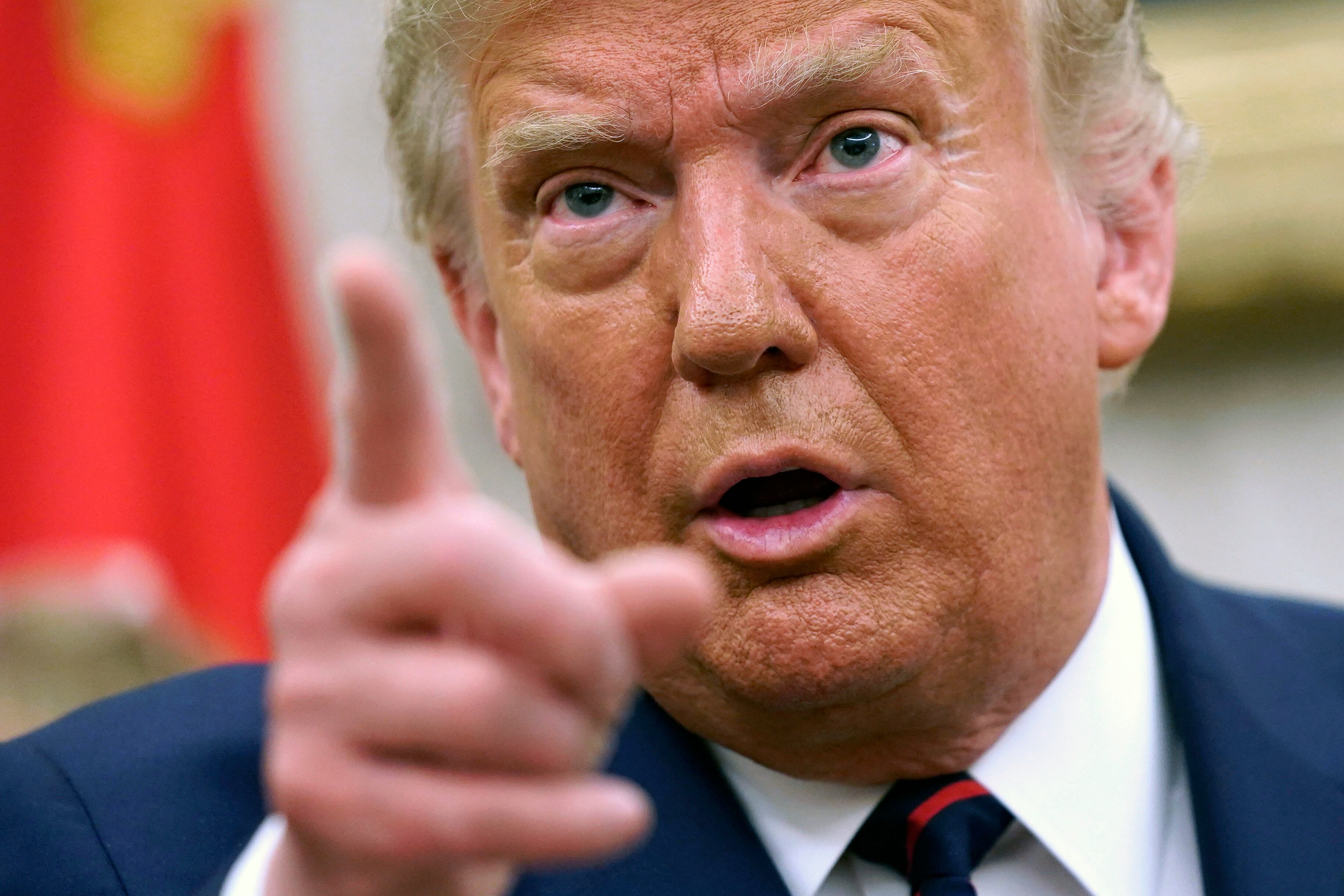
President Donald Trump speaks as he meets with Iraqi Prime Minister Mustafa al-Kadhimi in the Oval Office of the White House, Thursday, Aug. 20, 2020, in Washington. (AP Photo/Patrick Semansky)
By Mark Sherman
President Donald Trump is asking the Supreme Court to allow him to block critics from his personal Twitter account.
The administration said in a high-court filing Thursday that Trump's @realdonaldtrump account with more than 85 million followers is his personal property and blocking people from it is akin to elected officials who refuse to allow their opponents' yard signs on their front lawns.
"President Trump's ability to use the features of his personal Twitter account, including the blocking function, are independent of his presidential office," acting Solicitor General Jeffrey Wall wrote in urging the justices to review the case.
The federal appeals court in New York ruled last year that Trump uses the account to make daily pronouncements and observations that are overwhelmingly official in nature. It held that Trump violated the First Amendment whenever he blocked a critic to silence a viewpoint.
A decision about whether even to hear the case is not likely before the November election.
The case grew out of a challenge brought by the Knight First Amendment Institute at Columbia University, which sued on behalf of seven individuals blocked by Trump after criticizing his policies.
Jameel Jaffer, the Knight Institute's executive director, said the justices should decline to take up Trump's appeal.
"This case stands for a principle that is fundamental to our democracy and basically synonymous with the First Amendment: government officials can't exclude people from public forums simply because they disagree with their political views," Jaffer said in a statement.
The administration argued in its appeal that the Supreme Court, not lower courts, "should decide where to draw the line between the President's personal decisions and official conduct."
The pace of the case was slowed by the coronavirus pandemic as well as Trump's decision to ask the full 2nd U.S. Circuit Court of Appeals to review the ruling by a three-judge panel. The court refused to do so by a 7-2 vote in March. Two Trump appointees, Judges Michael H. Park and Richard J. Sullivan, were the only members of the court to side with the president.
The Supreme Court extended its deadline to file an appeal from 90 days to 150 days when it shut the building to the public and abandoned in-person meetings in favor of telephone conferences because of the virus outbreak.
Eli Yokley, Senior Reporter at Morning Consult, joins Cheddar News to discuss how Americans are prioritizing economic issues over the pandemic when it comes to voting.
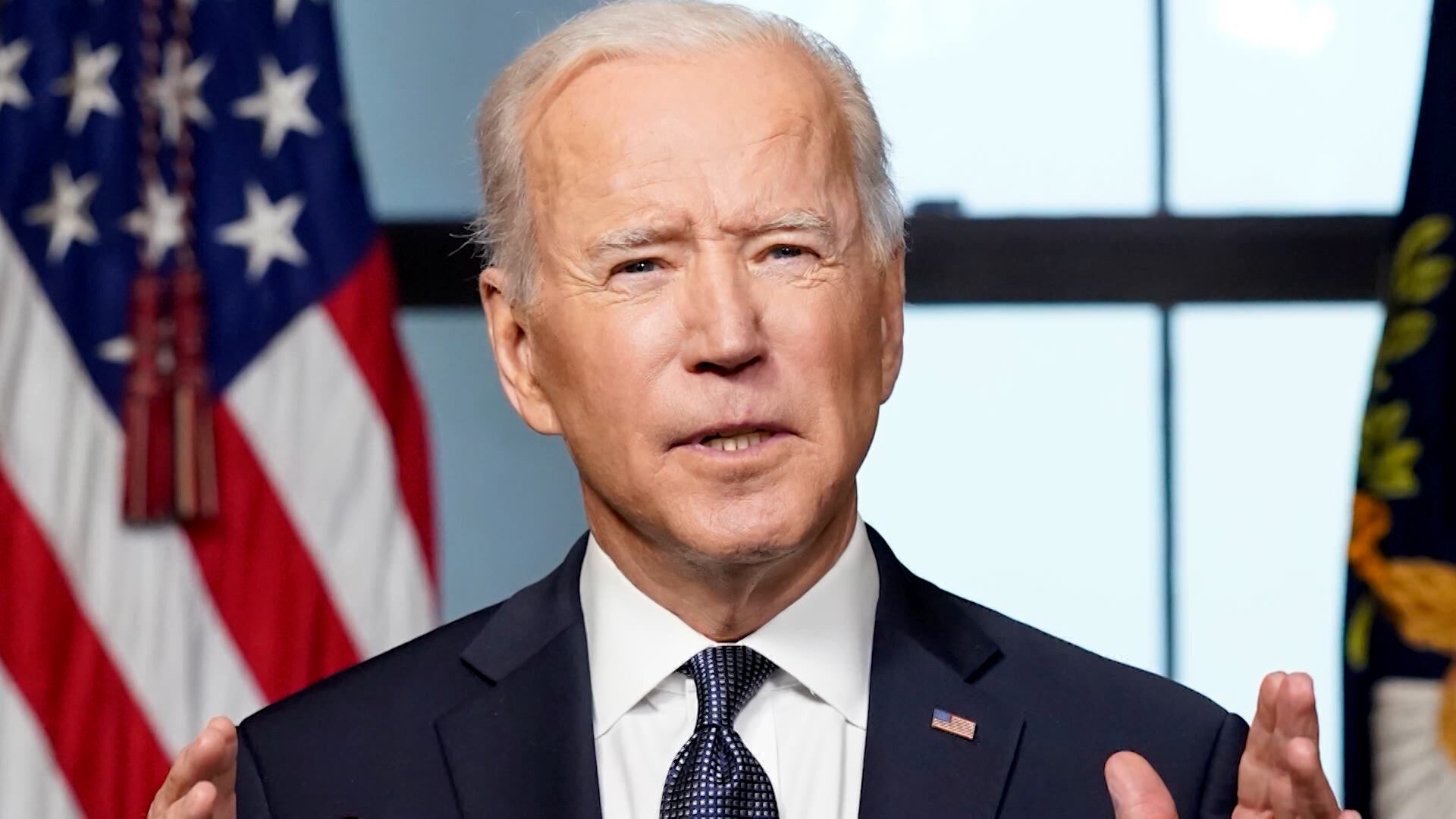
President Biden's disapproval rating hit a new high in December according to a poll from CNBC and Change Research, as Americans expressed their disapproval over the current state of the economy. This comes just months after the president signed a historic infrastructure bill back in November that was promised to bring a surge of jobs, especially in the manufacturing sector.
Change Research Senior Pollster Nancy Zdunkewicz spoke to Cheddar News about just what is driving the President’s disapproval rating.
As the Omicron variant continues to sweep across the country. The US Supreme Court is expected to hear arguments at the end of this week on whether or not the Biden administration can force private companies to vaccinate or test millions of their employees. In addition, the National Nurses United has spearheaded legal action to protect nurses and health care workers, patients, and the public while on the job. President of the National Nurses Union, Zenei Cortez, joined Cheddar to discuss more.
Far too often, Americans are forced to navigate a tangled web of outdated government websites, offices way out of their reach, and hours of time 'on hold' to access the simple government services they depend on. A recent executive order, signed by President Biden, is intended to improve, streamline and modernize the 'customer' experience when accessing government services. Mina Hsiang, the administrator of the United States Digital Service, joins Cheddar News to discuss how the tech workforce is impacted by this executive order.
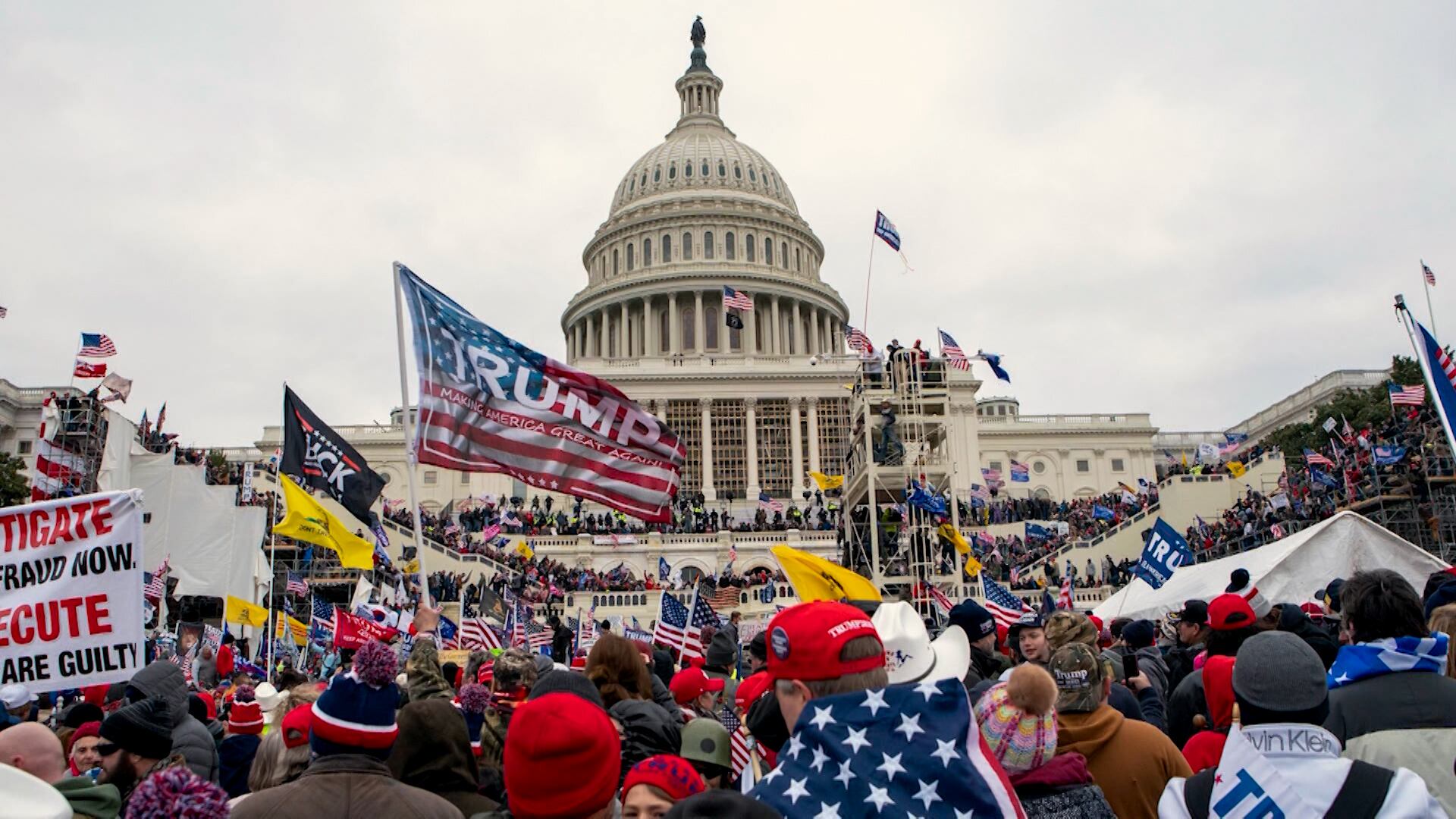
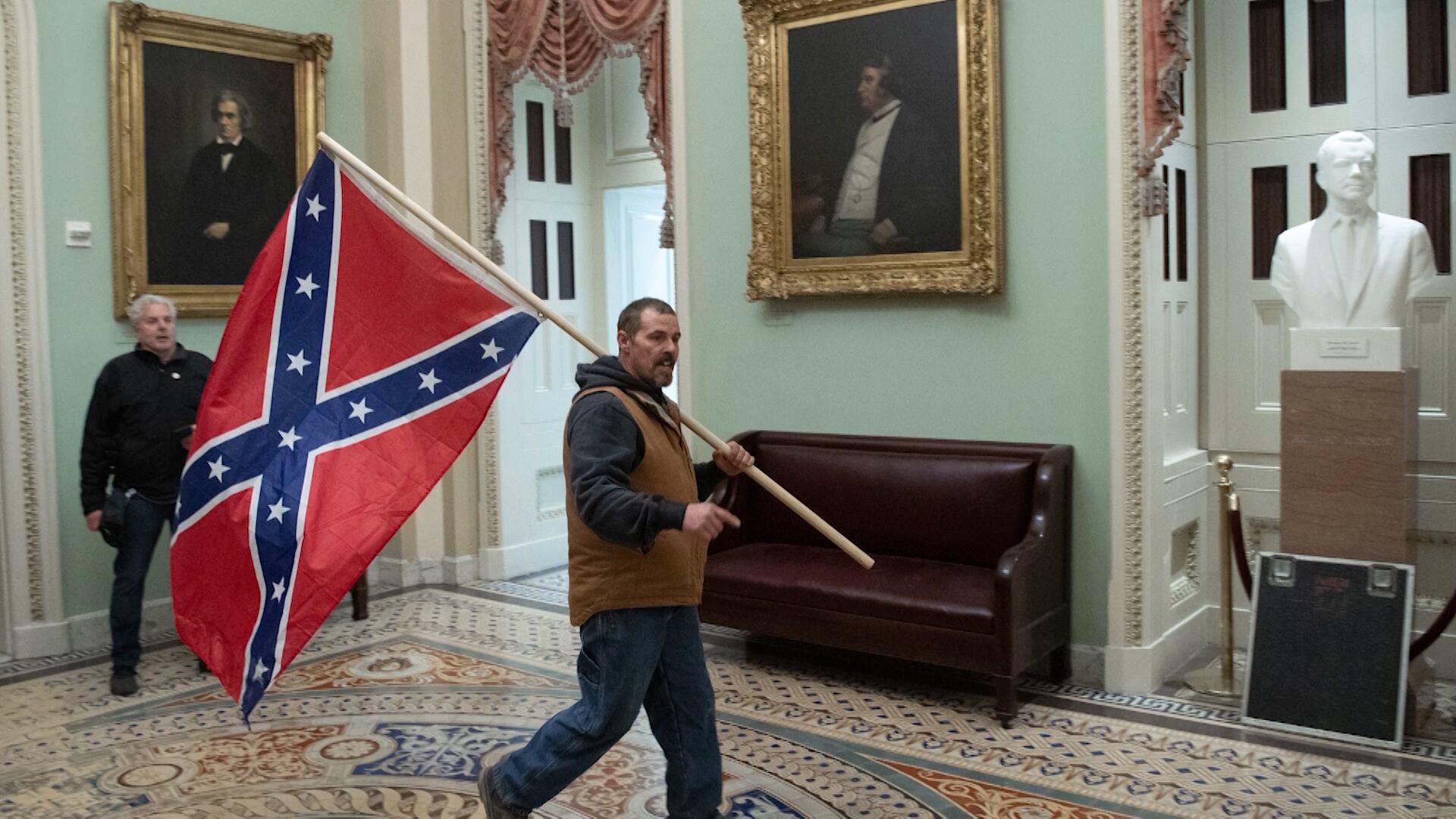
Today marks one year since the January 6 Attack on the United States Capitol. The Country watched as supporters of then-President Trump stormed what was assumed to be the most secure building in the country in an attempt to stop the certification of the 2020 Election. Several lawmakers, including the Vice President, could be seen ducking down as they feared for their lives. Democratic Michigan Representative Dan Kildee, joined Cheddar to discuss more.
Stocks closed lower on Friday as investors continue to worry over rate hikes. John Lynch, CIO of Comerica Wealth Management, joins Cheddar News' Closing Bell, where he says value is back in play with investors. Lynch also believes the market has overreacted to the latest Fed minutes, suggesting a bounce-back at some point.
Ben Armstrong, founder of Bitboy Crypto, joins Cheddar News to discuss Bitcoin's downward trend and what's next for crypto after protests in Kazakhstan cause crypto miners to shut down.
Washington, D.C. Attorney General Karl Racine joins Cheddar Politics to discuss his lawsuit against the extremist groups Proud Boys and Oath Keepers over their role in the January 6 attack on the U.S. Capitol.
Josh Pasek, a professor at the University of Michigan and expert on political communication and misinformation, joins Cheddar News to discuss how political radicalization happens and how America got to this point.
Kyle Kondik, managing editor at Sabato's Crystal Ball at the University of Virginia Center for Politics, joins Cheddar News to discuss what to expect at the 2022 midterm elections.