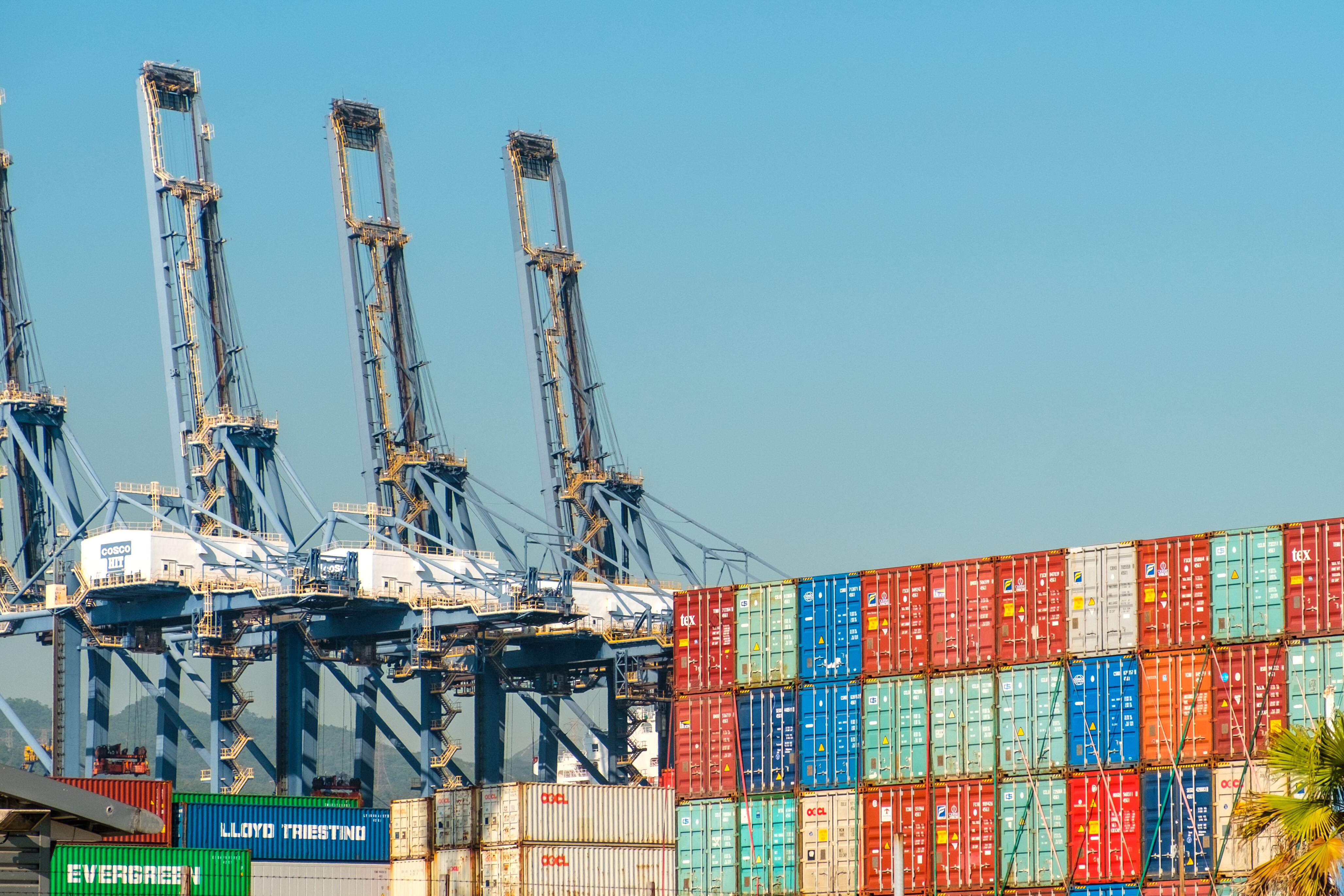
President Donald Trump said he would sign what he called a “very large and comprehensive” initial trade deal with China on January 15.
Trump had previously said the two leaders would have a signing ceremony for Phase One next month. Through the deal, first announced on December 13, China will increase purchases of American farm goods and be subject to lower tariffs on some goods.
The U.S. and China reached the deal after almost two years of an escalating trade war between the world’s largest economies. The U.S. said it would decrease current tariffs and cancel new tariffs. China will increase purchases of U.S. goods and services.
The White House will leave 25 percent tariffs on $250 billion in Chinese goods in place but halve tariffs to 7.5 percent on $120 billion in products such as smartphones.
Trump said he will go to Beijing to begin talks on the second phase of the trade deal "at a later date."
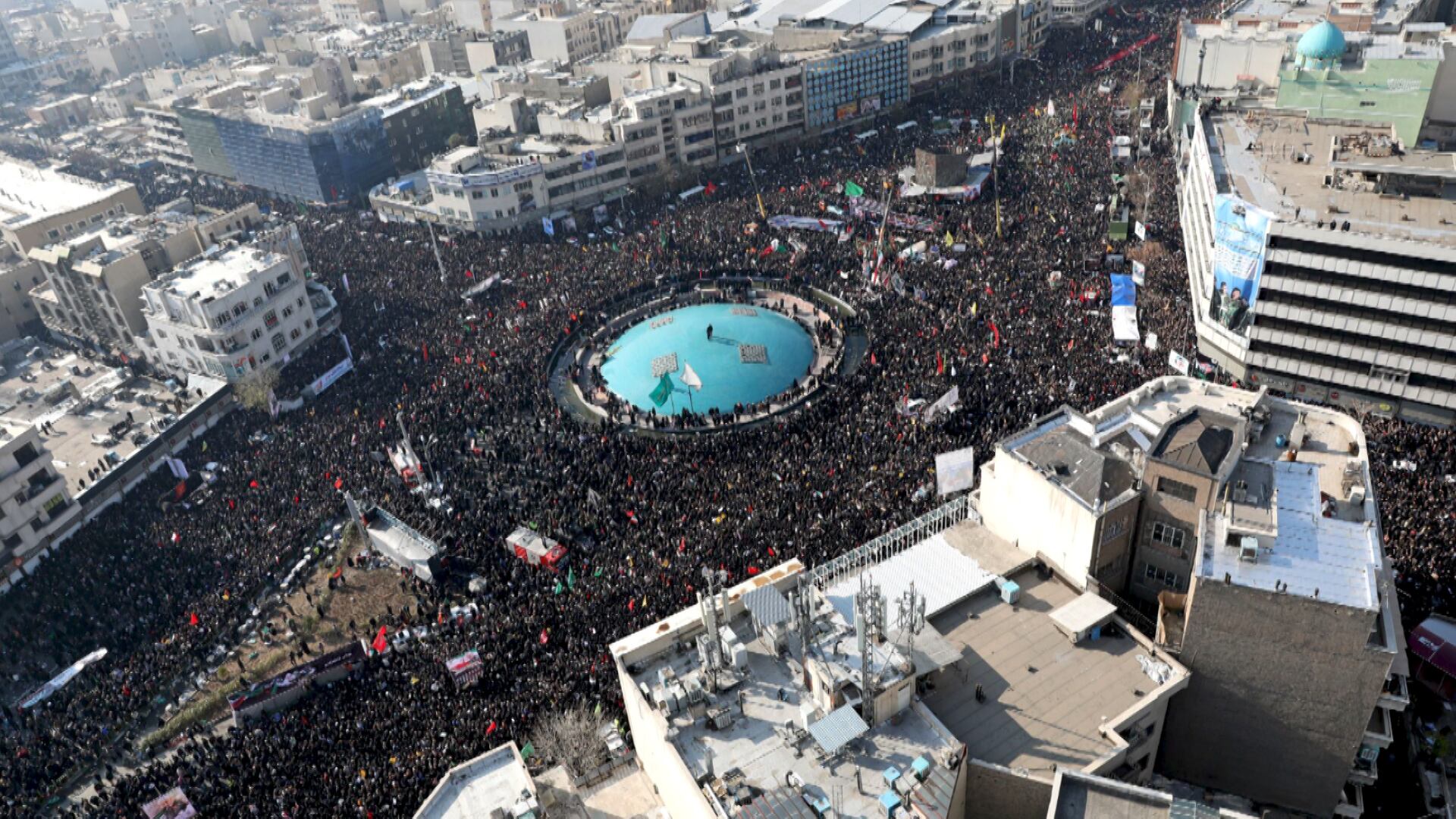
Iran has vowed to strike back days after a U.S. drone attack killed their top general. Hagar Chemali, CEO of Greenwich Media Strategies, joined us to discuss the latest.
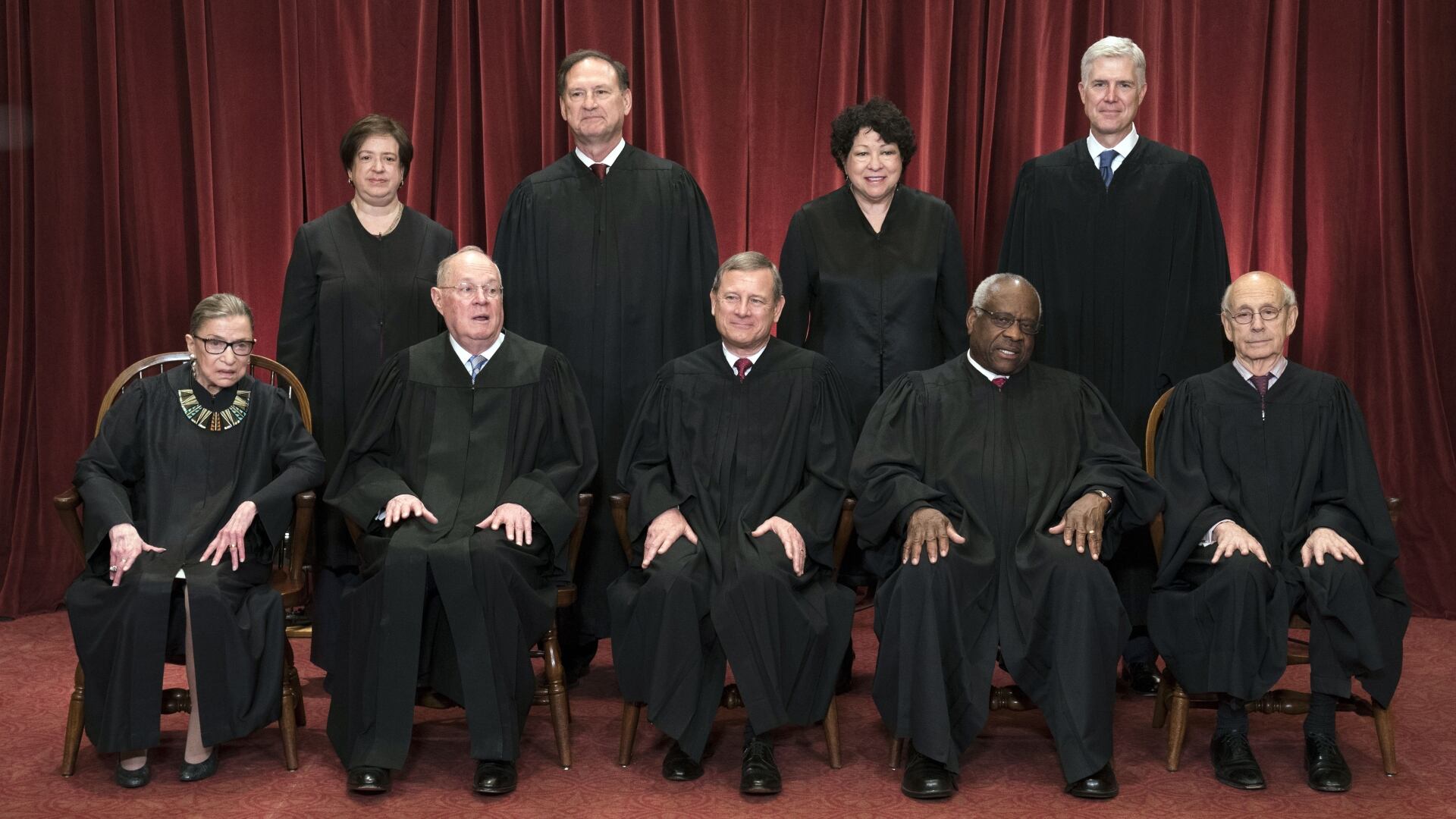
Heather Timmons, White House correspondent for Quartz, discusses the fallout from Justice Anthony Kennedy's announcement that he will retire from the Supreme Court on July 31. Timmons says the frontrunner for his seat is U.S. Circuit Court of Appeals Judge Brett Kavanaugh.
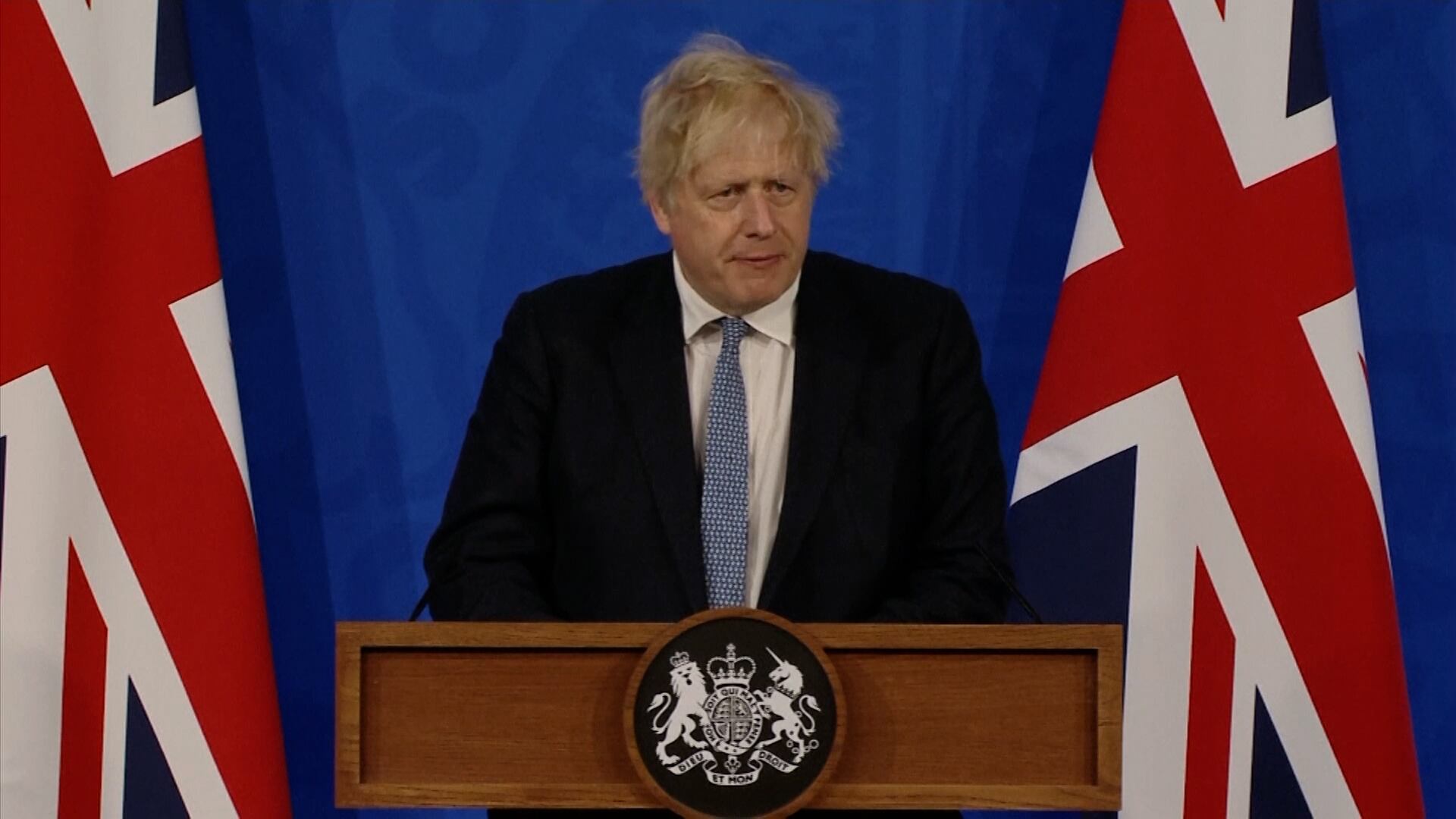
Here are your Need2Know stories for Tuesday June 7, 2022:
Today, voters head to the polls for primary elections in California, Iowa, Mississippi, Montana, New Jersey, New Mexico, and South Dakota.
Senator Joe Manchin said he would support raising age requirements for gun purchases to 21. Manchin told CNN he also "wouldn't have a problem looking at" a ban on AR-15 assault rifles.
Meanwhile, five players on the Tampa Bay Rays roster opted not to wear a patch added to its uniforms intended to celebrate pride month.
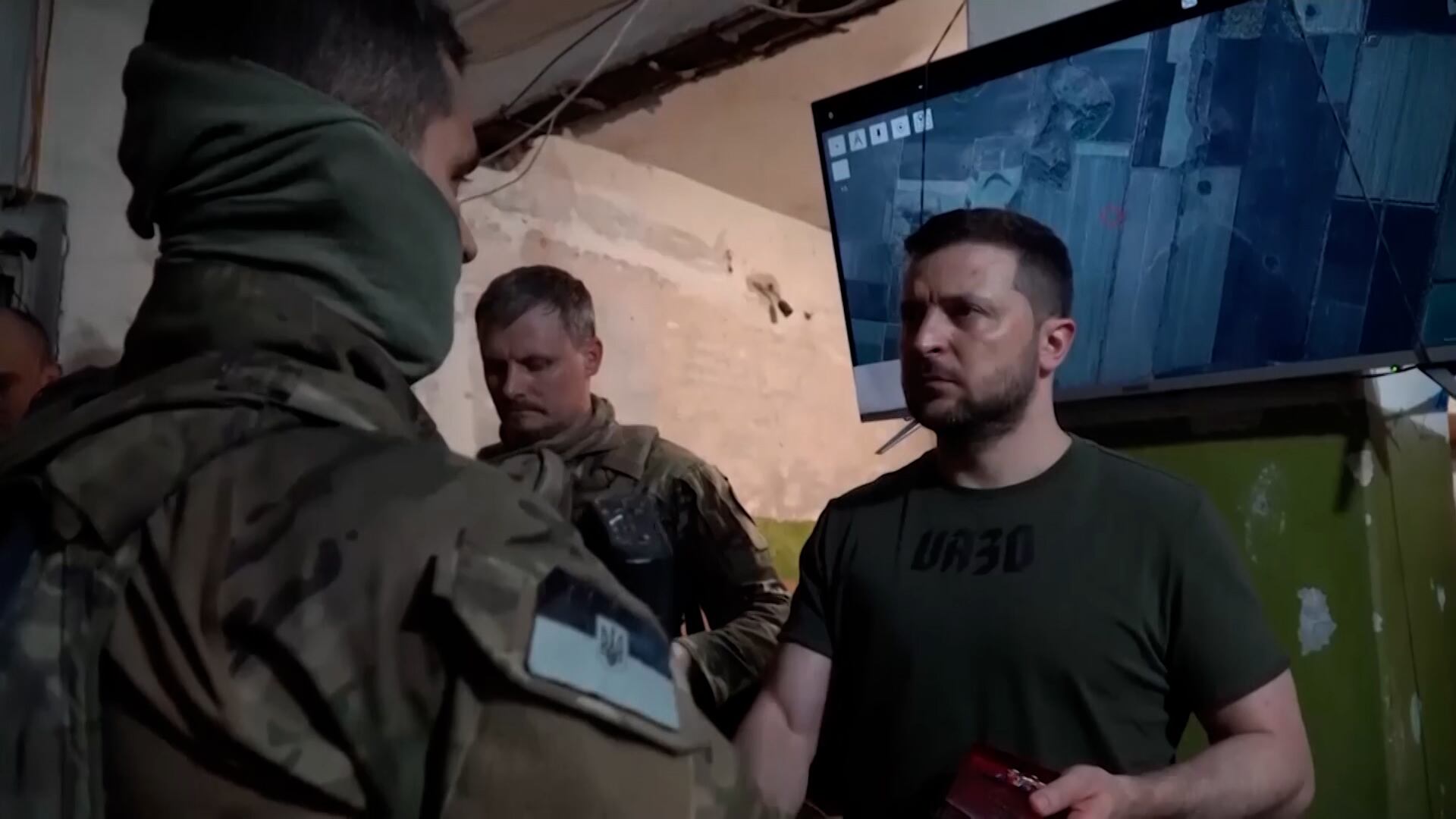
Russia resumed attacks on the Ukrainian capital for the first time in months after vowing to focus its resources on the eastern region known as 'the Donbas.' Cheddar News Speaks with national security and foreign policy analyst Ari Aramesh on the latest developments surrounding Ukraine.