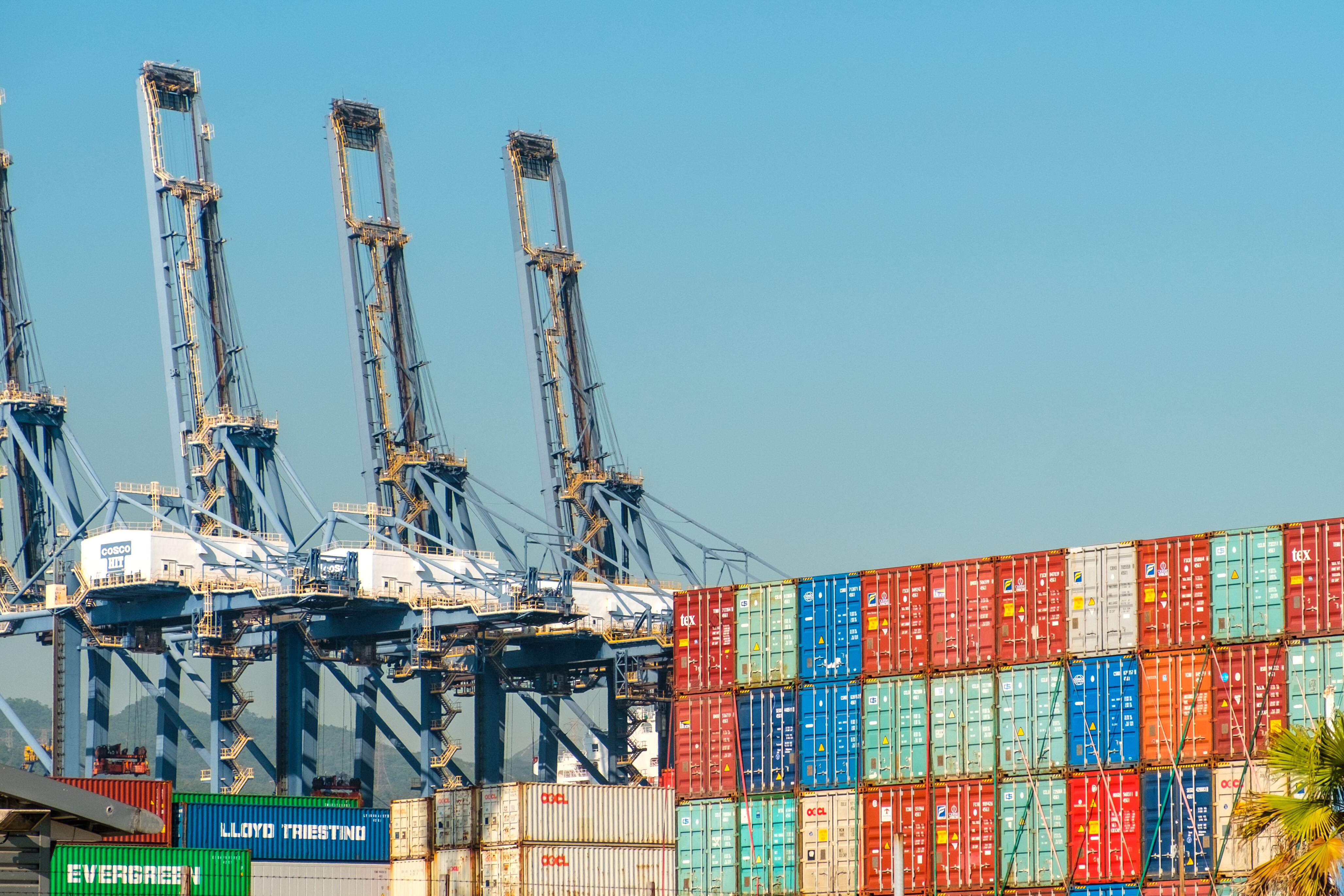
President Donald Trump said he would sign what he called a “very large and comprehensive” initial trade deal with China on January 15.
Trump had previously said the two leaders would have a signing ceremony for Phase One next month. Through the deal, first announced on December 13, China will increase purchases of American farm goods and be subject to lower tariffs on some goods.
The U.S. and China reached the deal after almost two years of an escalating trade war between the world’s largest economies. The U.S. said it would decrease current tariffs and cancel new tariffs. China will increase purchases of U.S. goods and services.
The White House will leave 25 percent tariffs on $250 billion in Chinese goods in place but halve tariffs to 7.5 percent on $120 billion in products such as smartphones.
Trump said he will go to Beijing to begin talks on the second phase of the trade deal "at a later date."
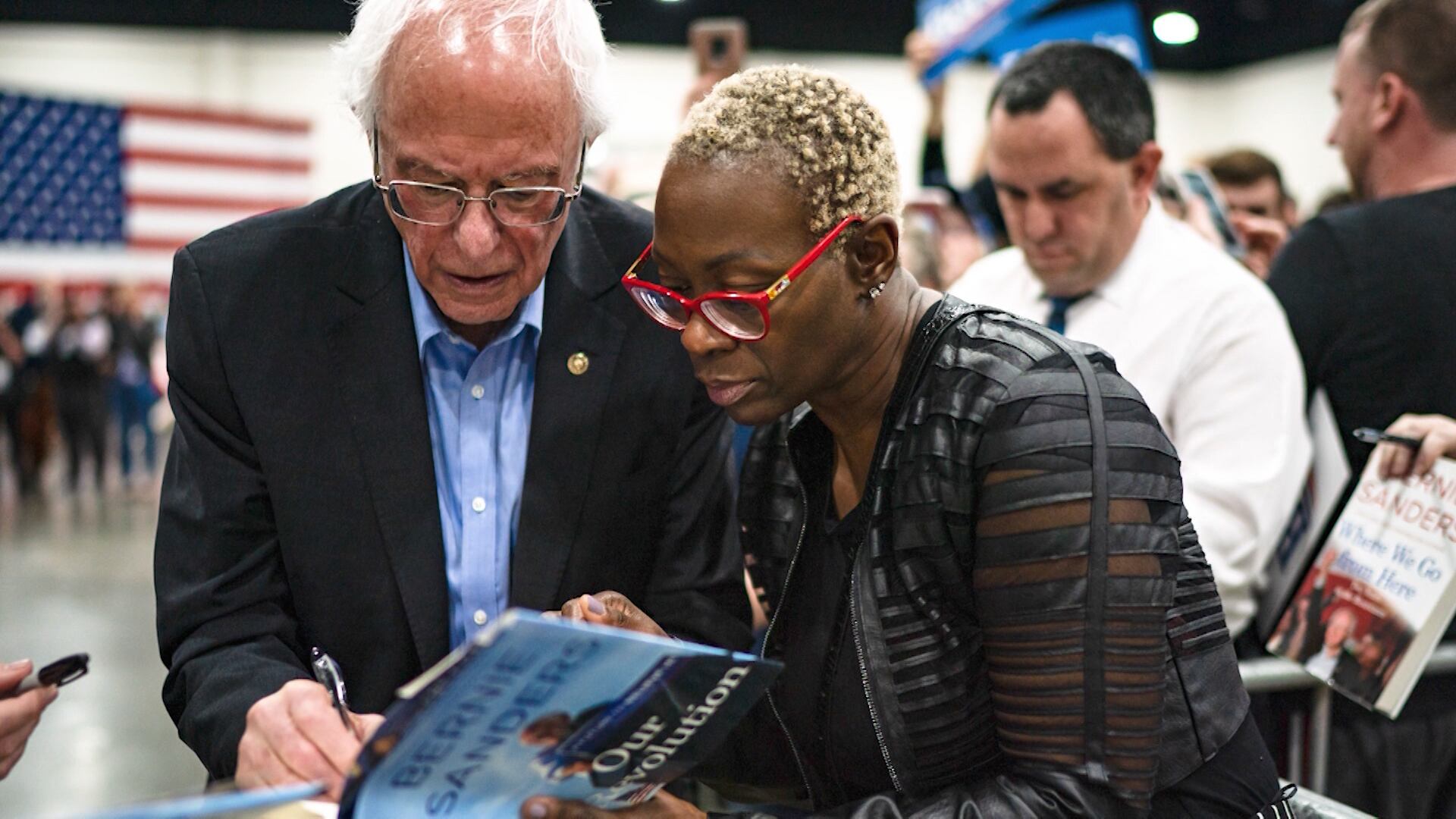
House Democrats are dealing with one of the thinnest majorities in years. Right now it's sitting at just three seats, and a handful of appointments to cabinet positions didn't help the situation. Next week, however, Democrats in Ohio's 11th Congressional District in Cleveland will decide who will ultimately replace former Rep. Marcia Fudge after the general election in November.
John Barnes, one of the many democratic candidates in the Ohio 11 primary, joins Cheddar Politics to discuss.
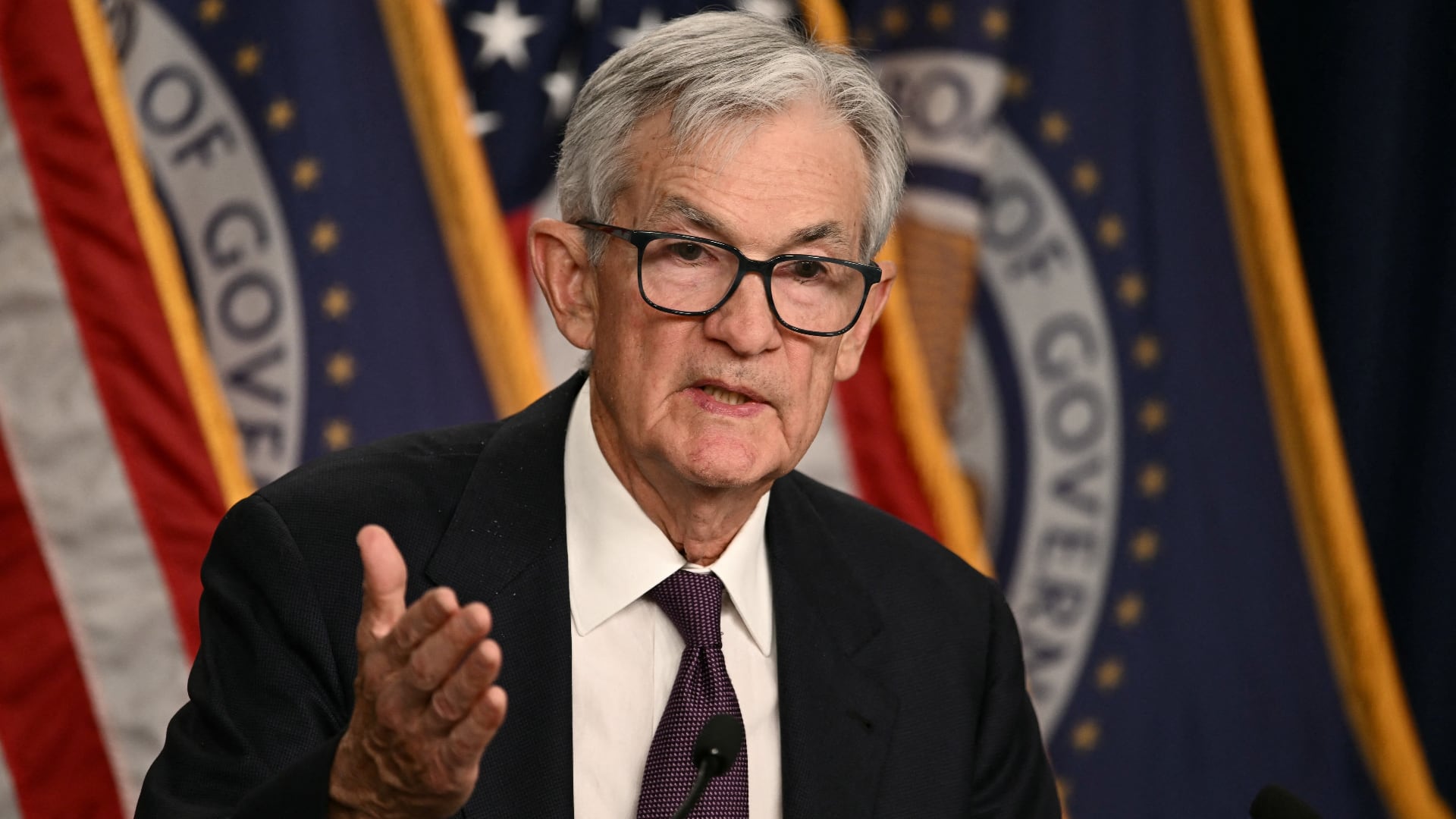
As Stablecoins become more popular, U.S. regulators are planning to come up with a set of parameters these companies must abide by. Even Treasury Secretary Janet Yellen and Fed Chairman Jerome Powell say regulations are necessary before Stablecoins are widely adopted. But what's the best way to regulate them and how? Cheddar's Alex Vuocolo explains.