President Donald Trump said he would sign what he called a “very large and comprehensive” initial trade deal with China on January 15.
Trump had previously said the two leaders would have a signing ceremony for Phase One next month. Through the deal, first announced on December 13, China will increase purchases of American farm goods and be subject to lower tariffs on some goods.
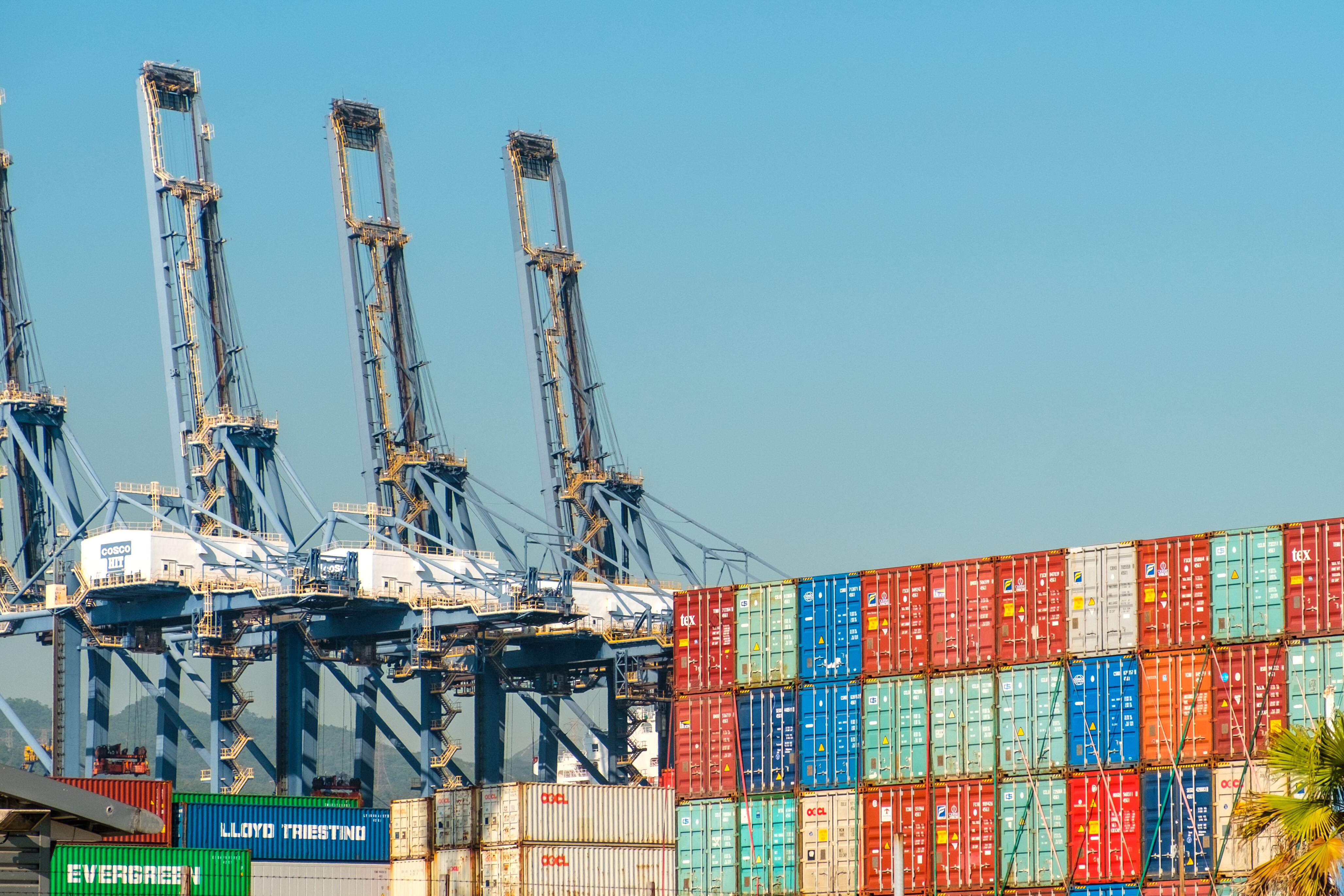
The U.S. and China reached the deal after almost two years of an escalating trade war between the world’s largest economies. The U.S. said it would decrease current tariffs and cancel new tariffs. China will increase purchases of U.S. goods and services.
The White House will leave 25 percent tariffs on $250 billion in Chinese goods in place but halve tariffs to 7.5 percent on $120 billion in products such as smartphones.
Trump said he will go to Beijing to begin talks on the second phase of the trade deal "at a later date."
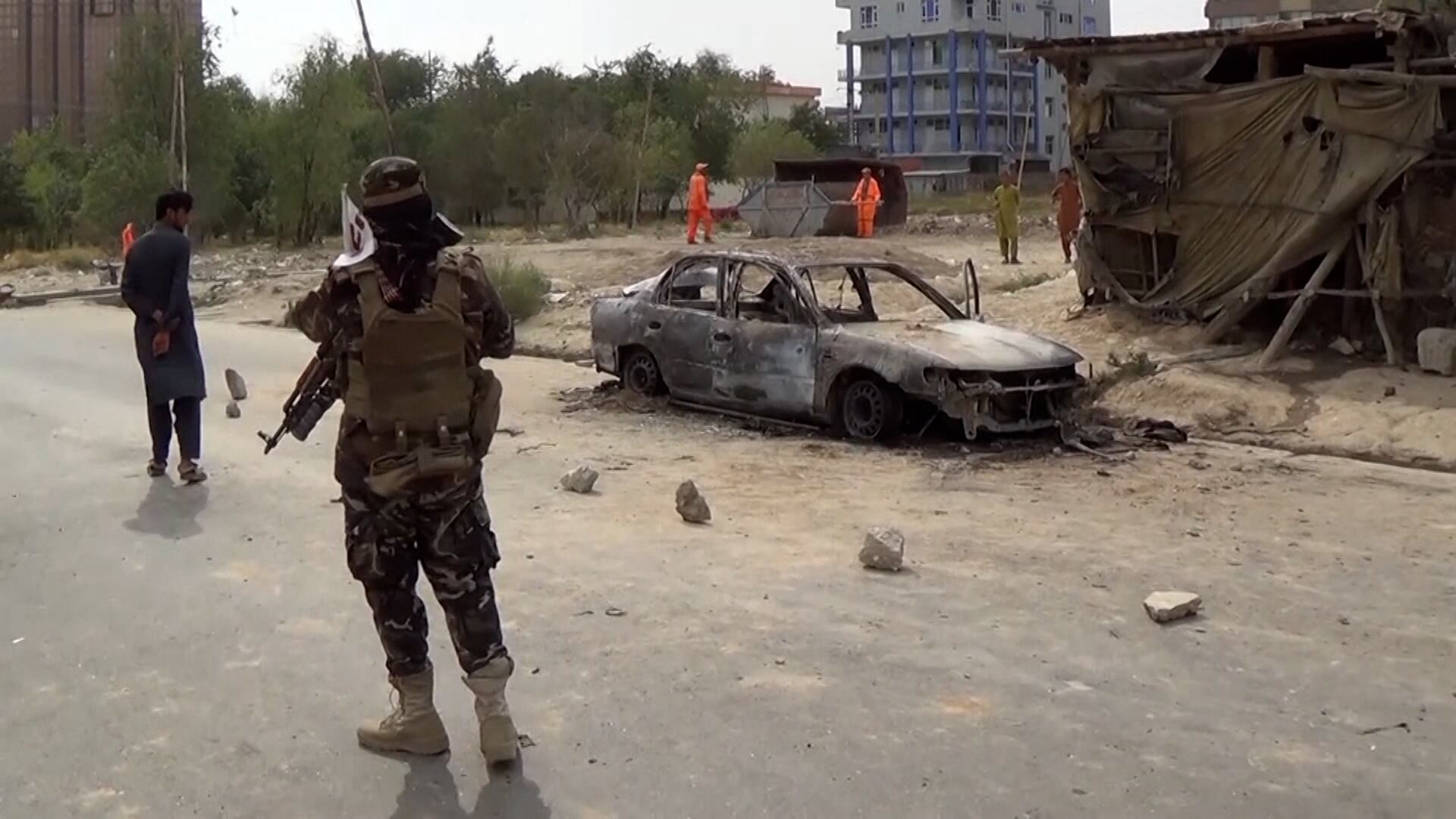
There has been a series of violent attacks in Afghanistan in the past week as U.S. troops withdrawal deadline approaches. The evacuation effort is winding down with 1,200 people evacuated in the last 24 hours, compared to last week's 24-hour span high of 21,000, and it is reported that there are around 250 people still waiting to be airlifted.
Dan Lamothe, national security reporter at The Washington Post, joined Cheddar's Opening Bell to discuss more on what is going to happen when all evacuation and withdrawal missions are completed.
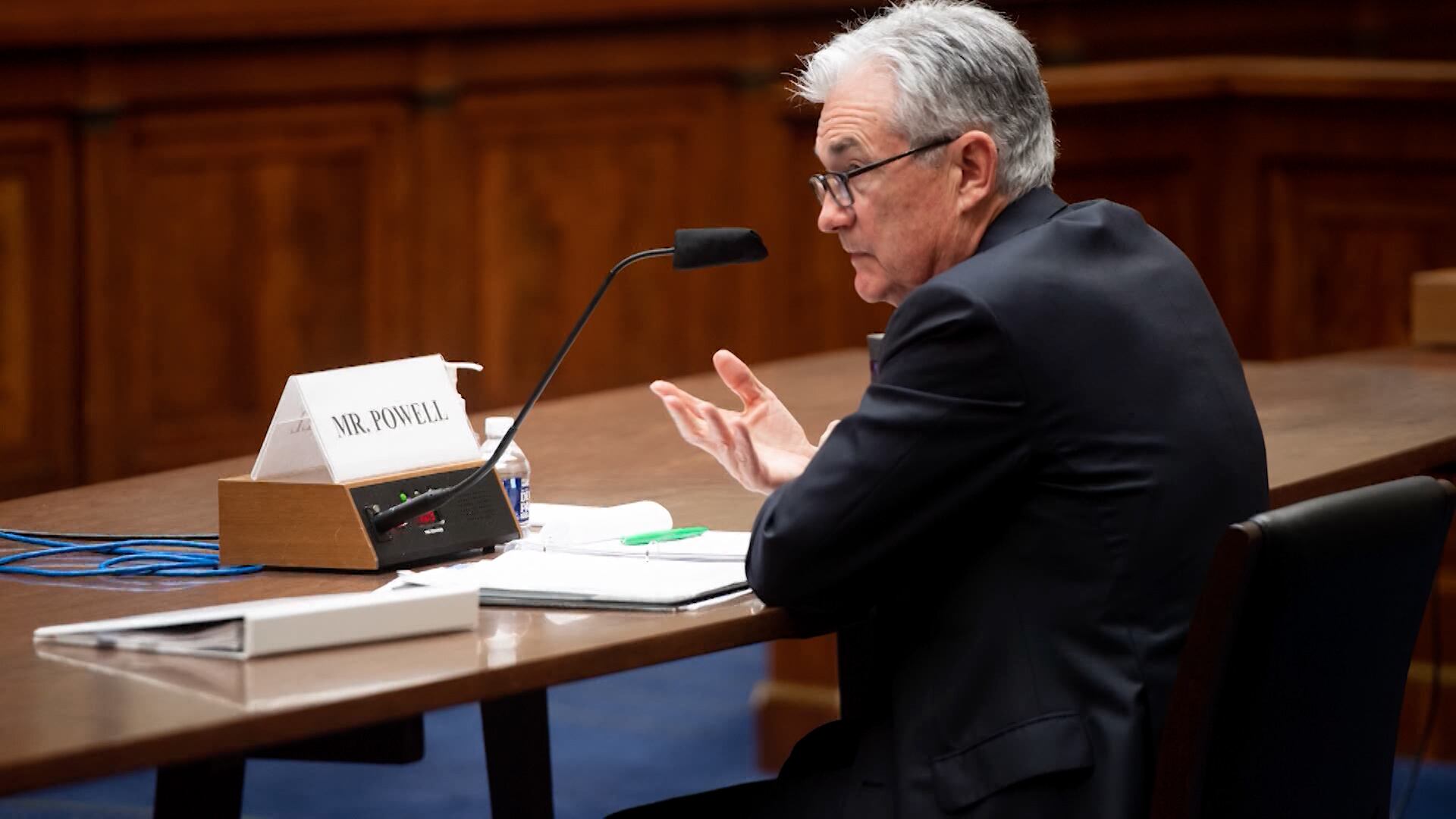
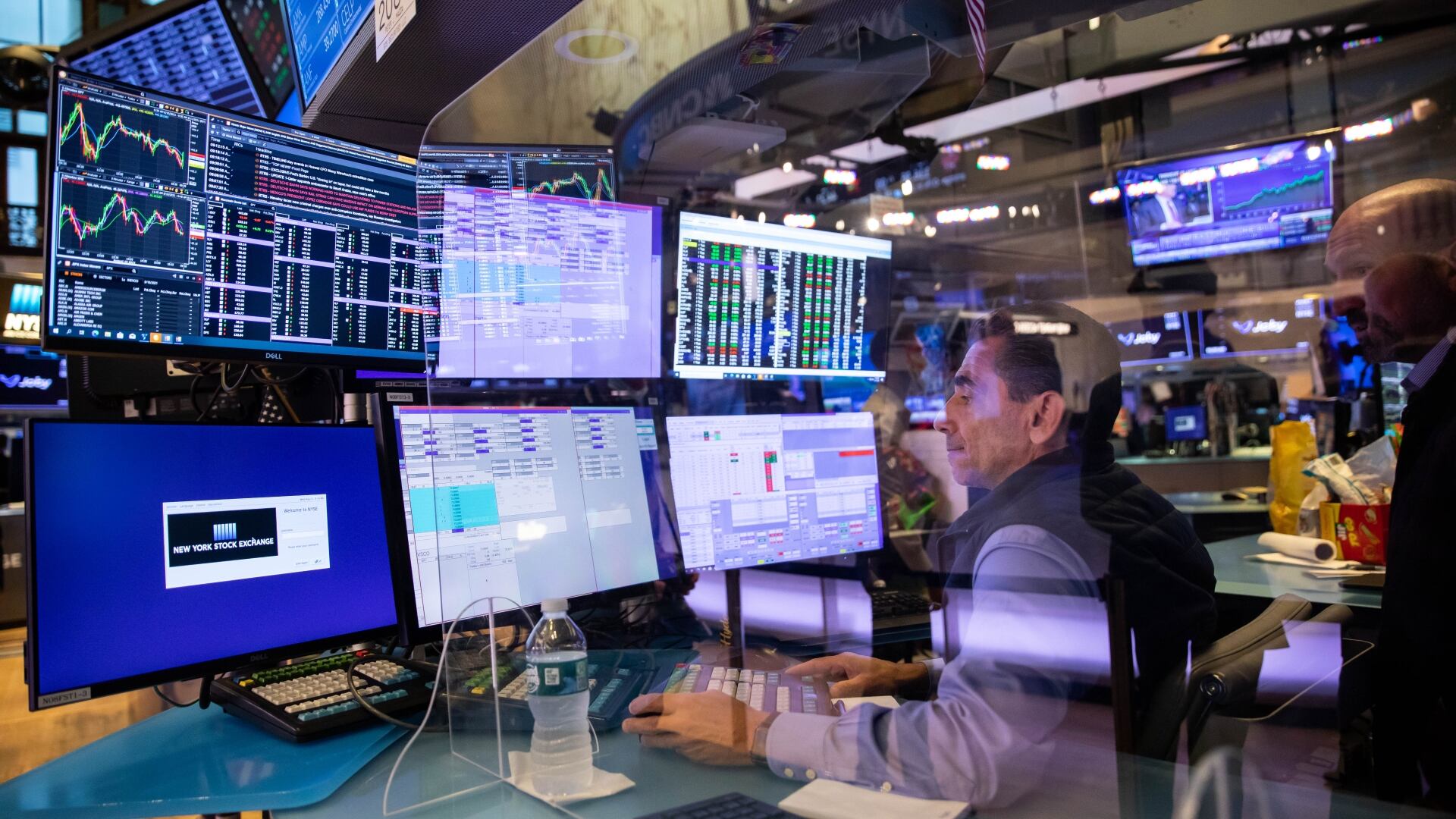
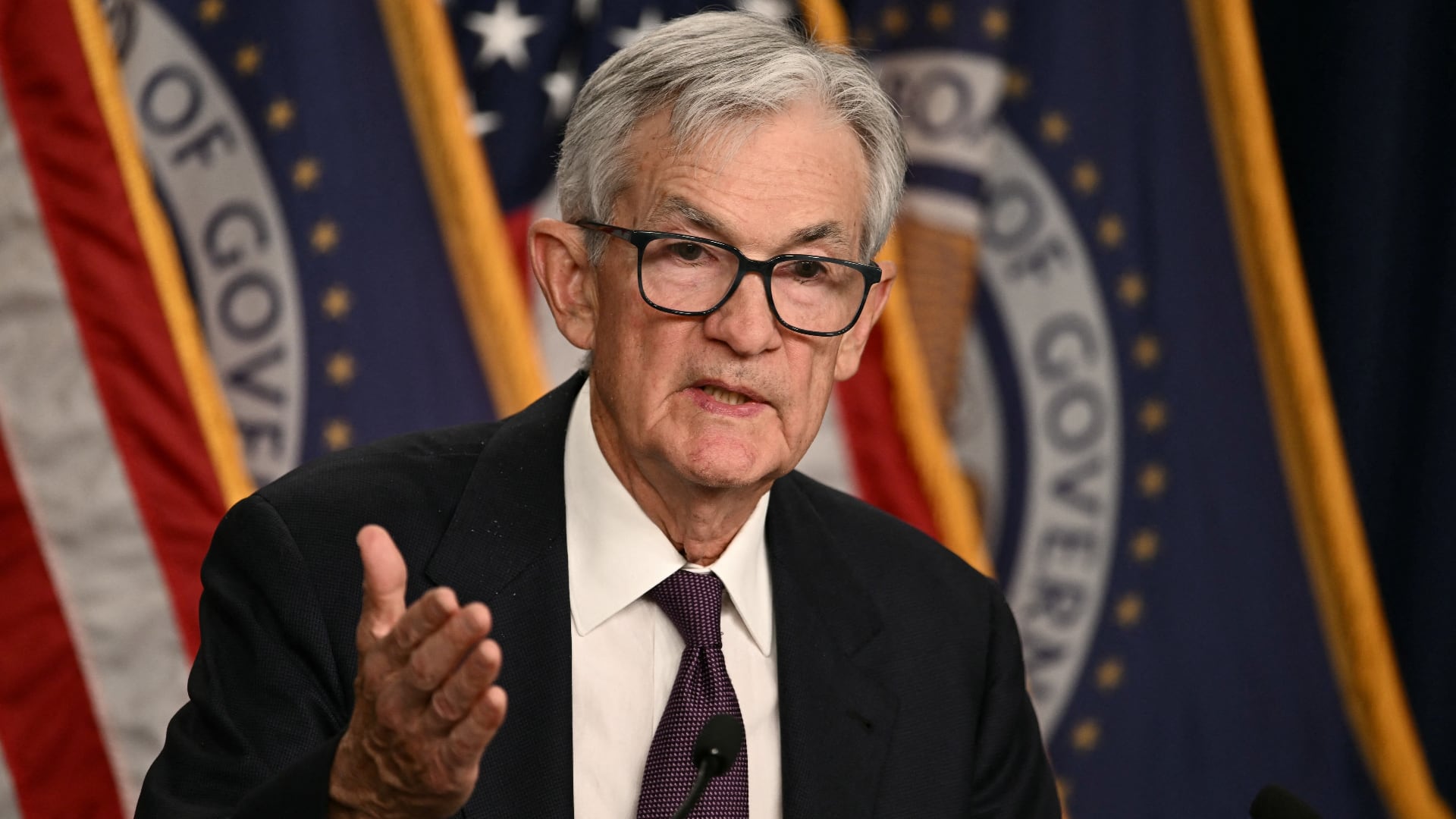
Futures pointed to a slightly higher open on the heels of Fed Chair Jerome Powell saying the central bank is on track to taper its asset purchases later this year. Milton Ezrati, Chief Economist at Vested joined Wake Up with Cheddar to discuss.