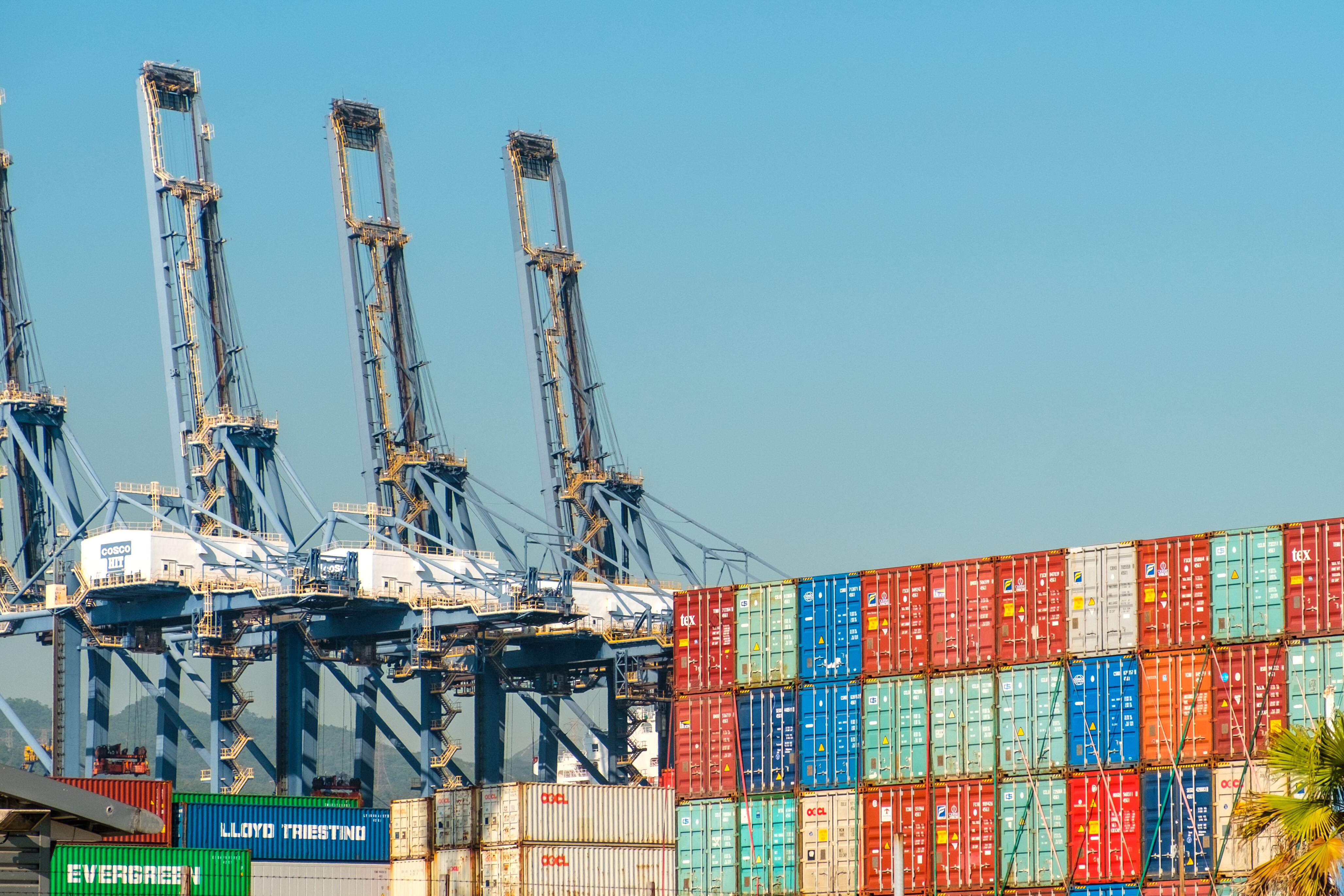
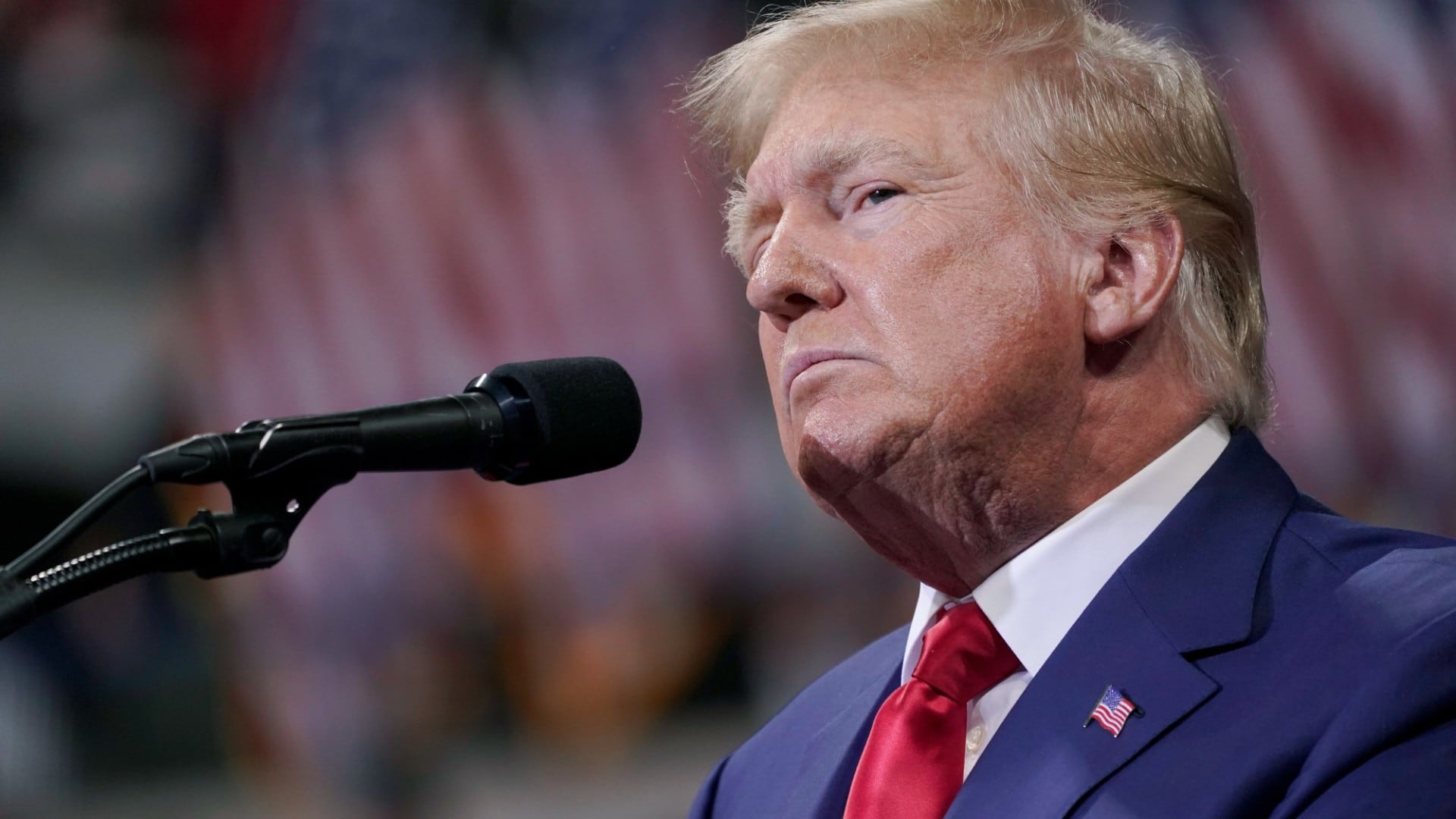
President Donald Trump said he would sign what he called a “very large and comprehensive” initial trade deal with China on January 15.
Trump had previously said the two leaders would have a signing ceremony for Phase One next month. Through the deal, first announced on December 13, China will increase purchases of American farm goods and be subject to lower tariffs on some goods.
The U.S. and China reached the deal after almost two years of an escalating trade war between the world’s largest economies. The U.S. said it would decrease current tariffs and cancel new tariffs. China will increase purchases of U.S. goods and services.
The White House will leave 25 percent tariffs on $250 billion in Chinese goods in place but halve tariffs to 7.5 percent on $120 billion in products such as smartphones.
Trump said he will go to Beijing to begin talks on the second phase of the trade deal "at a later date."
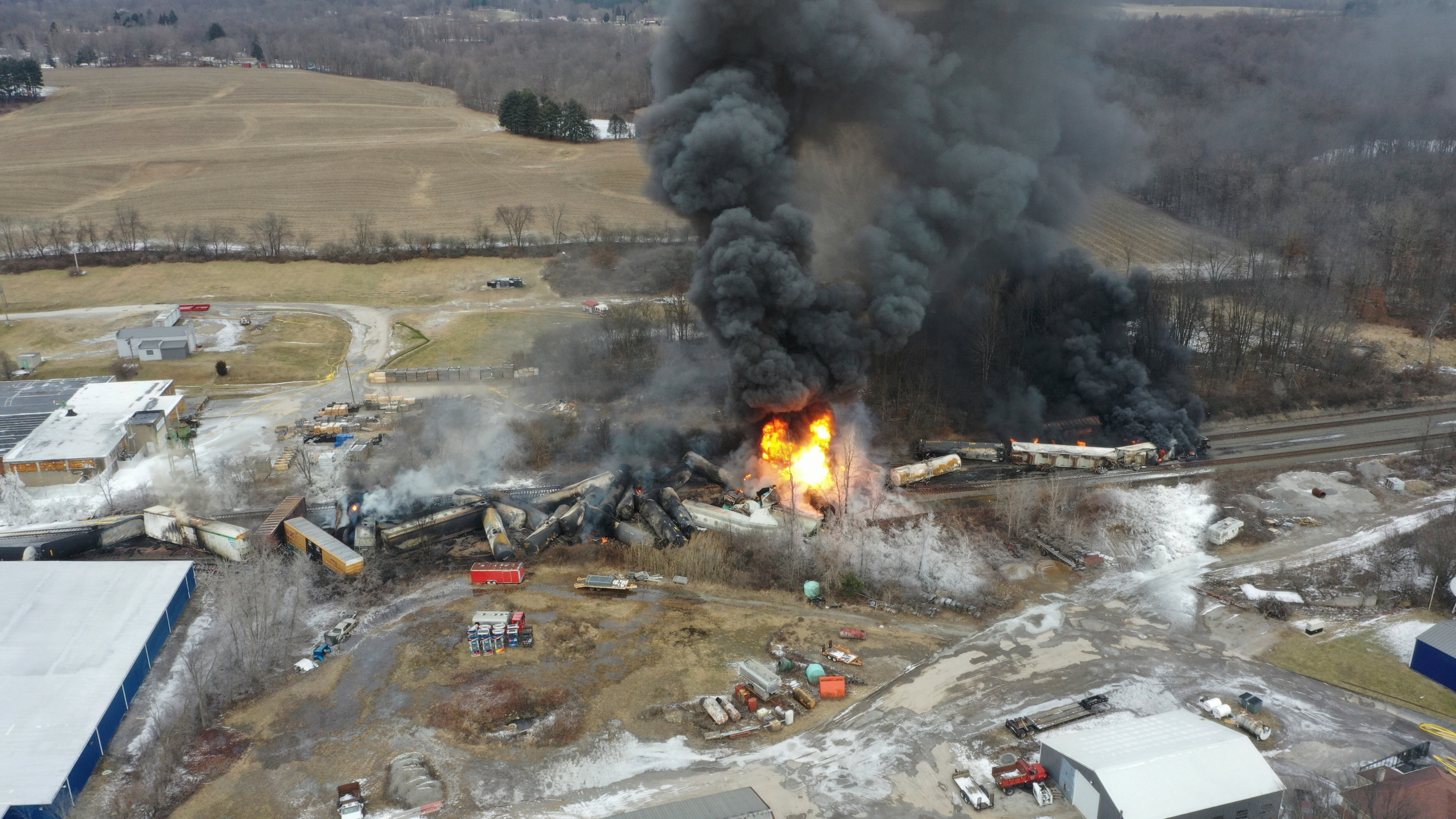
Environmental Protection Agency Head Michael Regan made a stop in East Palestine, Ohio, to speak with residents who continue to raise concerns about the health and safety of their town.
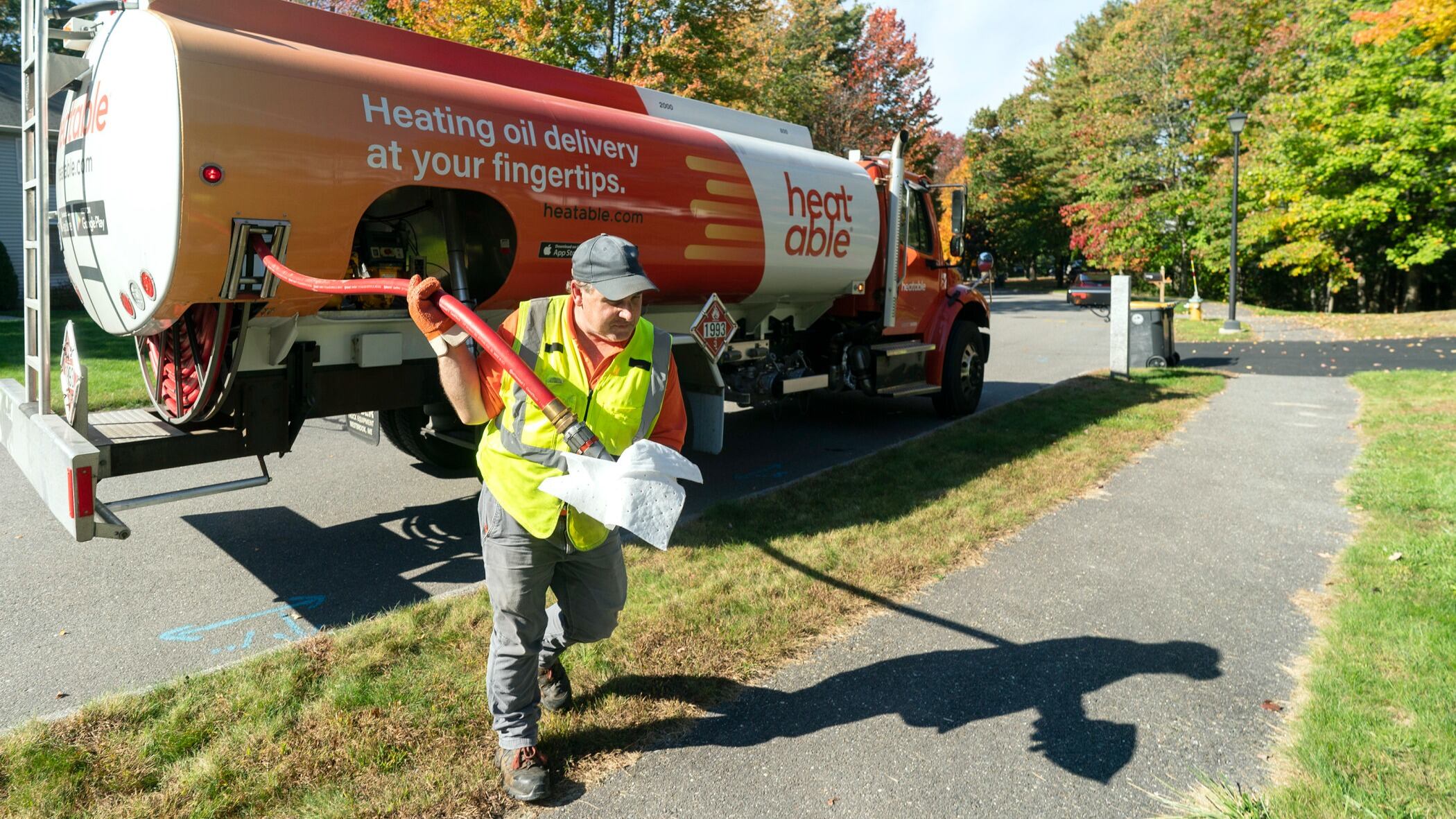
A new study predicts that rising energy costs that have followed in the wake of Russia's war with Ukraine could push millions of people around the globe into extreme poverty.
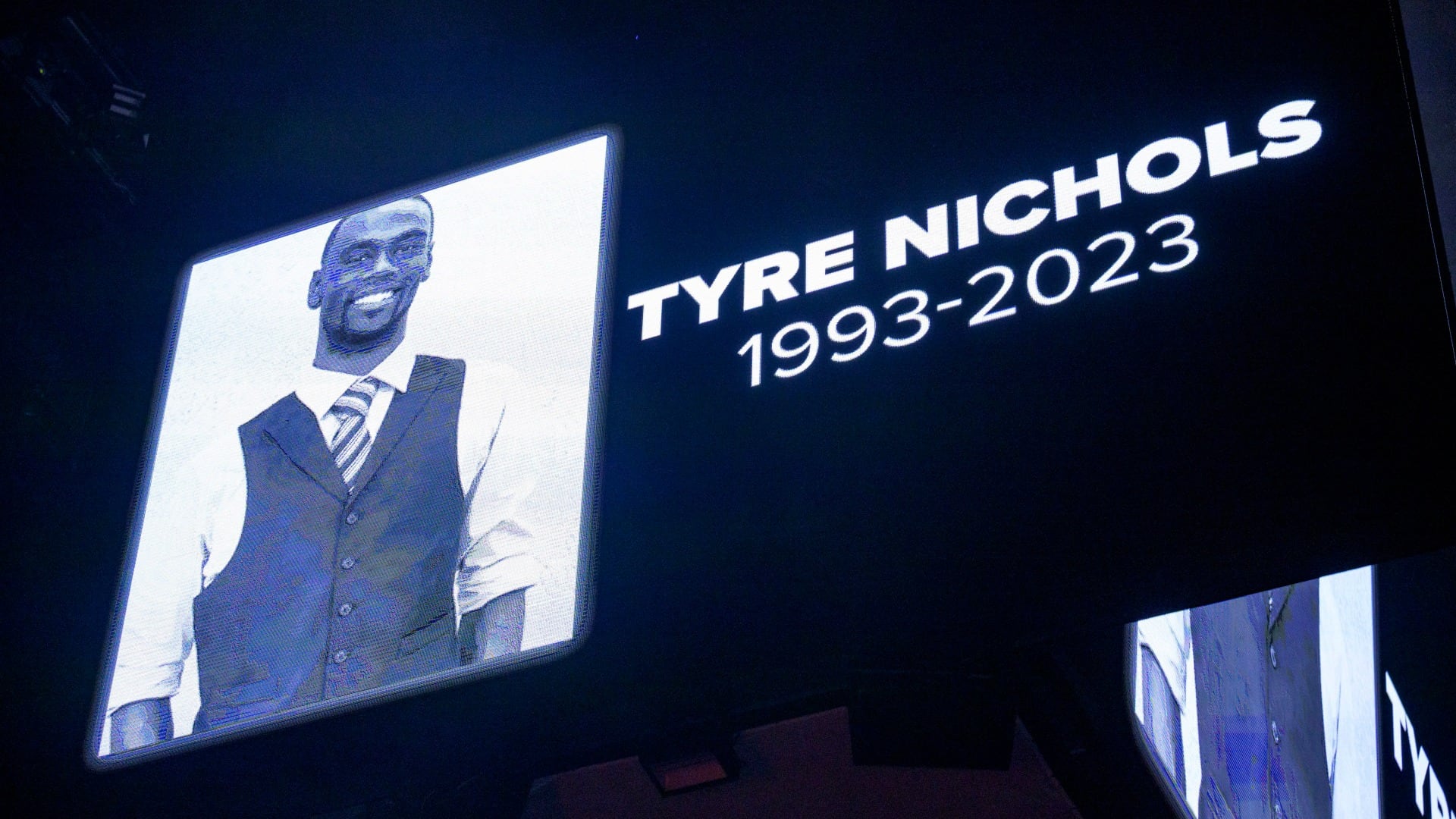
Five former Memphis police officers pleaded not guilty Friday to second-degree murder and other charges in the violent arrest and death of Tyre Nichols,
A special grand jury that investigated efforts by then-President Donald Trump and his allies to overturn his election loss in Georgia says it believes some witnesses committed perjury, and it recommends that prosecutors seek charges.
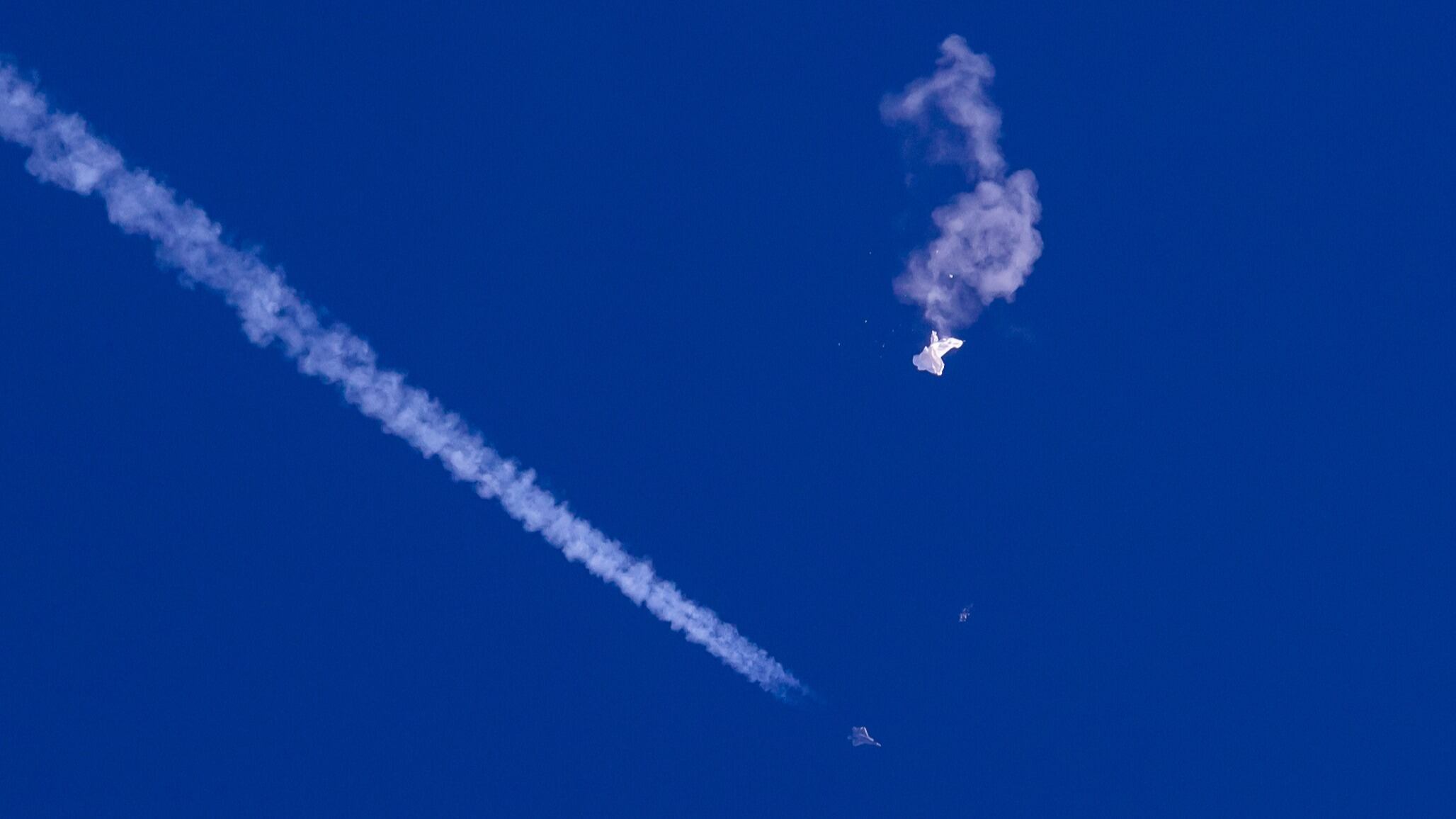
China said Wednesday it will take measures against U.S. entities related to the downing of a suspected Chinese spy balloon off the American East Coast.
A U.S. general says Russia has operationally lost the war in Ukraine, a court says federal workers are not owed COVID-19 hazard pay, and Microsoft officially shuts down Internet Explorer. Here is everything you Need2Know for Wednesday, February 15, 2023.
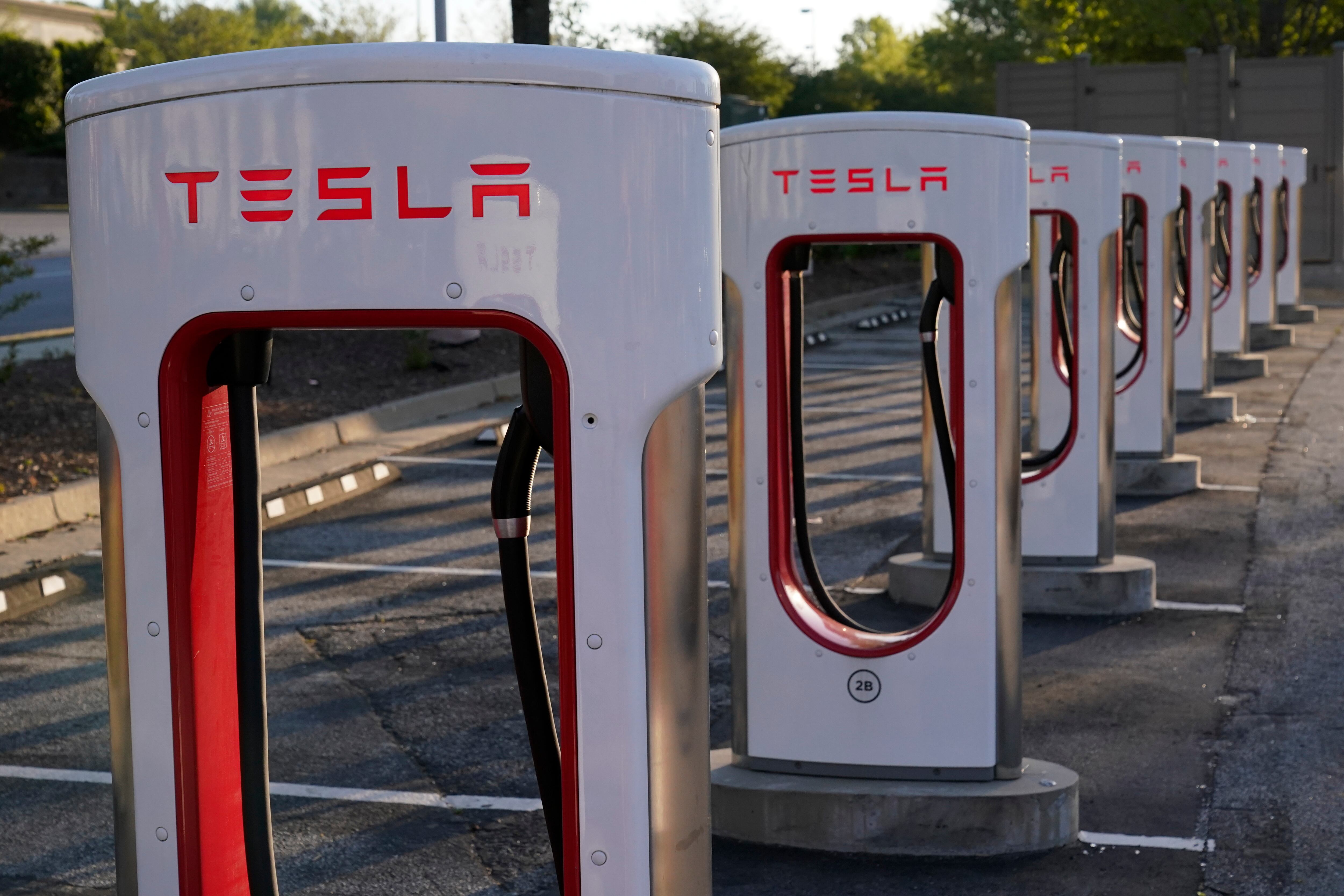
The Biden administration on Wednesday announced a new program under the Bipartisan Infrastructure Law that aims to expand the infrastructure needed to keep electric vehicles charged.