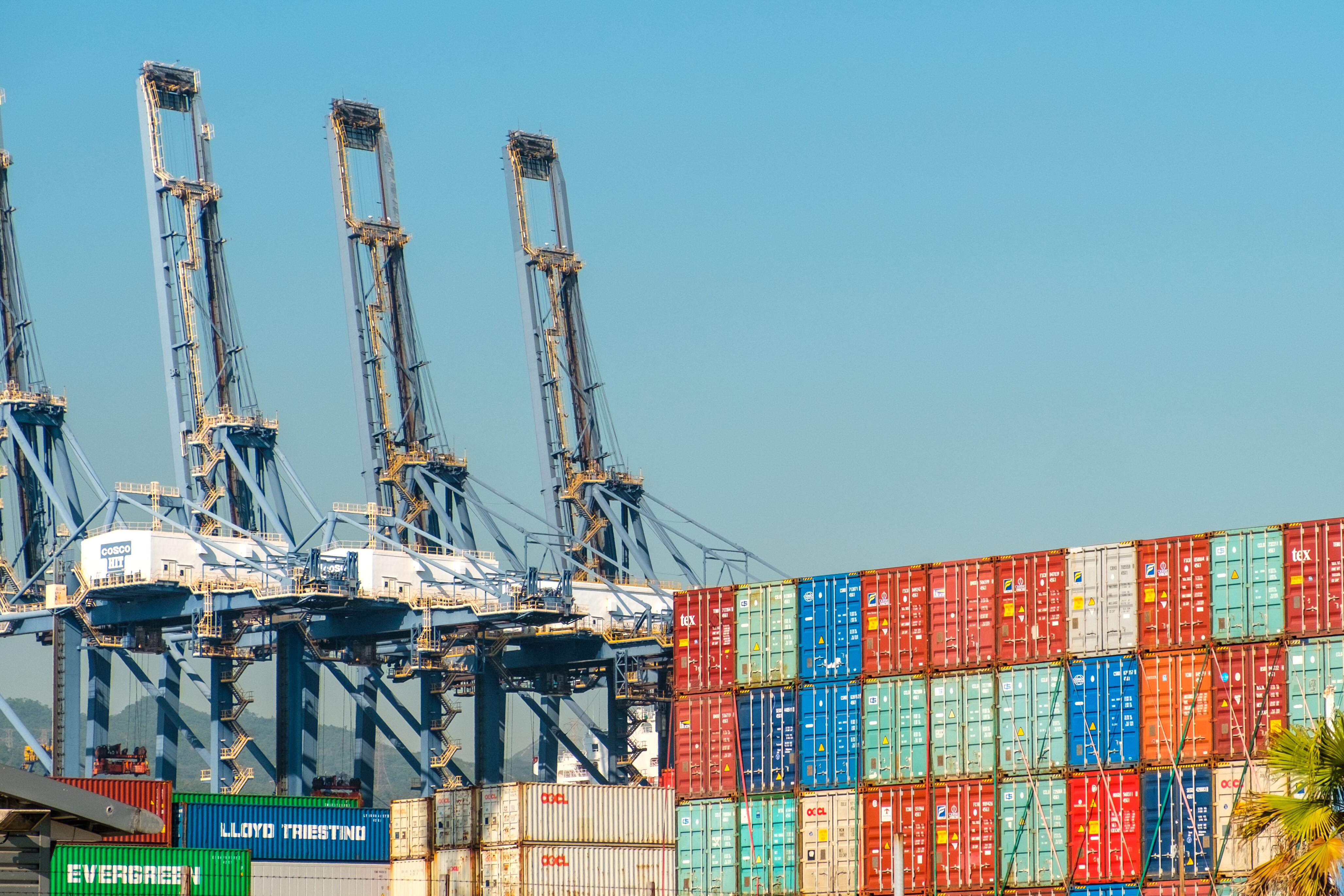
President Donald Trump said he would sign what he called a “very large and comprehensive” initial trade deal with China on January 15.
Trump had previously said the two leaders would have a signing ceremony for Phase One next month. Through the deal, first announced on December 13, China will increase purchases of American farm goods and be subject to lower tariffs on some goods.
The U.S. and China reached the deal after almost two years of an escalating trade war between the world’s largest economies. The U.S. said it would decrease current tariffs and cancel new tariffs. China will increase purchases of U.S. goods and services.
The White House will leave 25 percent tariffs on $250 billion in Chinese goods in place but halve tariffs to 7.5 percent on $120 billion in products such as smartphones.
Trump said he will go to Beijing to begin talks on the second phase of the trade deal "at a later date."
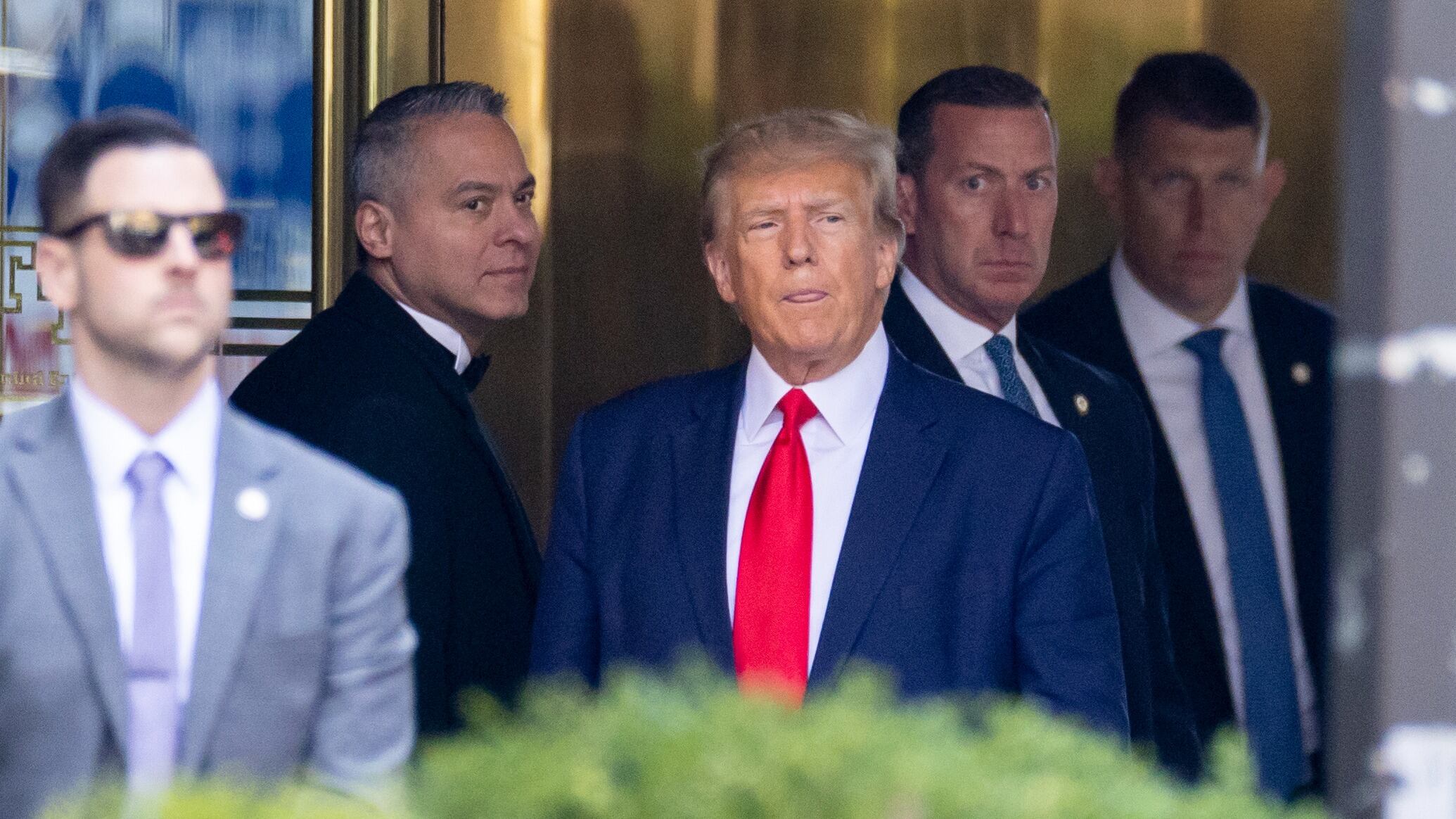
Former President Donald Trump answered questions for nearly seven hours Thursday during his second deposition in a legal battle with New York's attorney general over his company's business practices, reversing an earlier decision to invoke his Fifth Amendment protection against self-incrimination and remain silent.
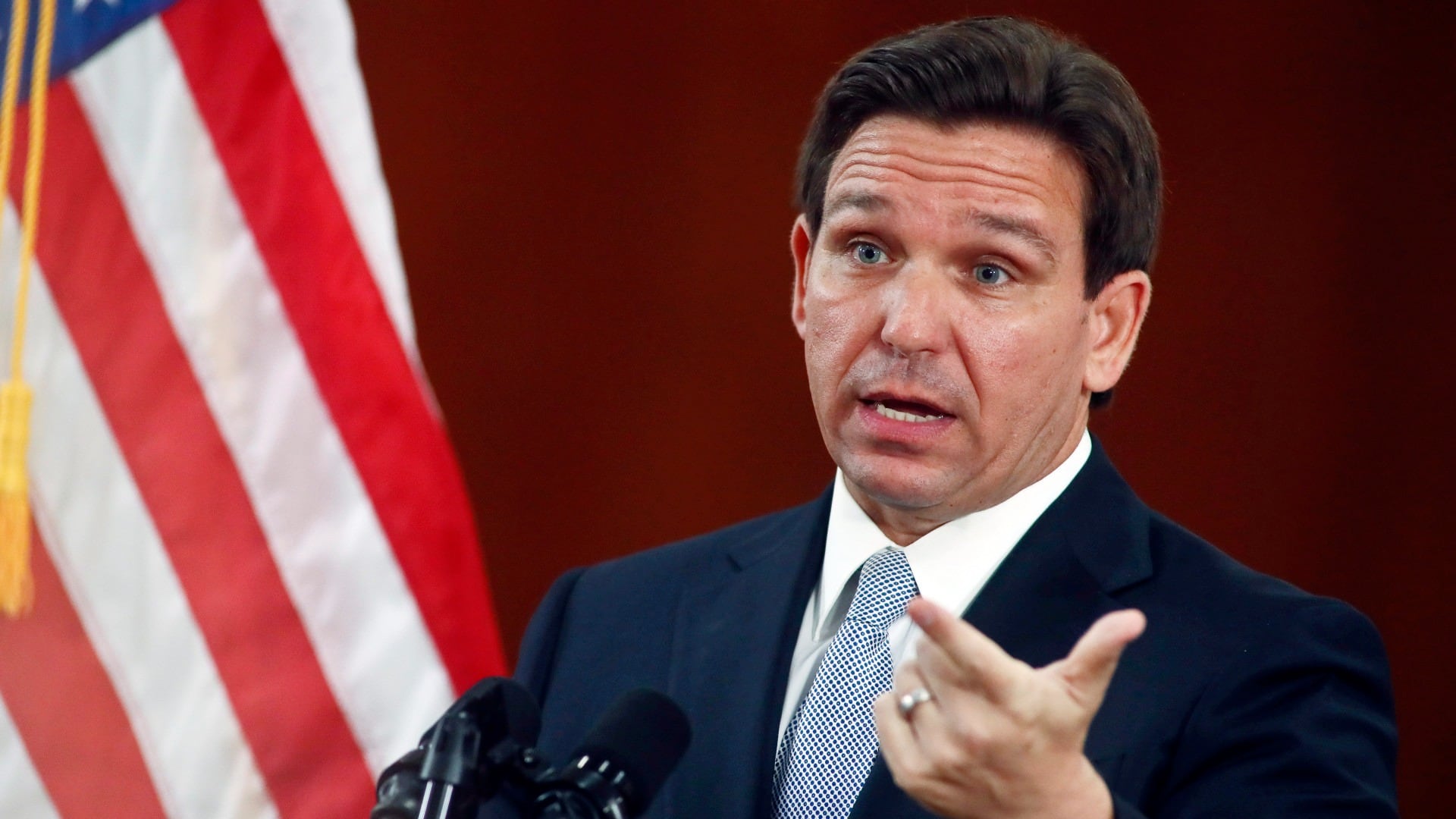
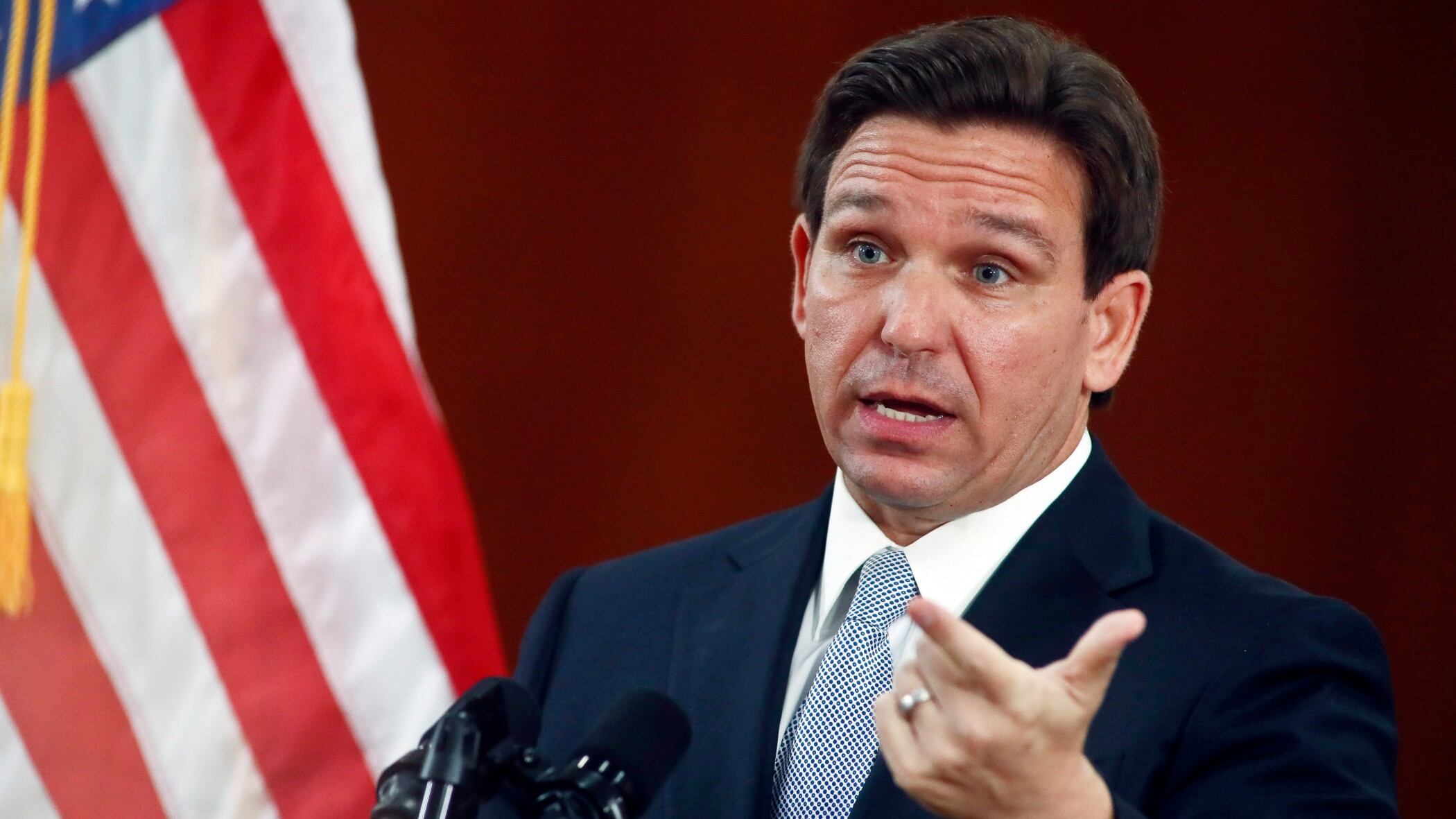
Republican Gov. Ron DeSantis has signed into law a bill approved by the Republican-dominated Florida Legislature to ban abortions after six weeks of pregnancy.
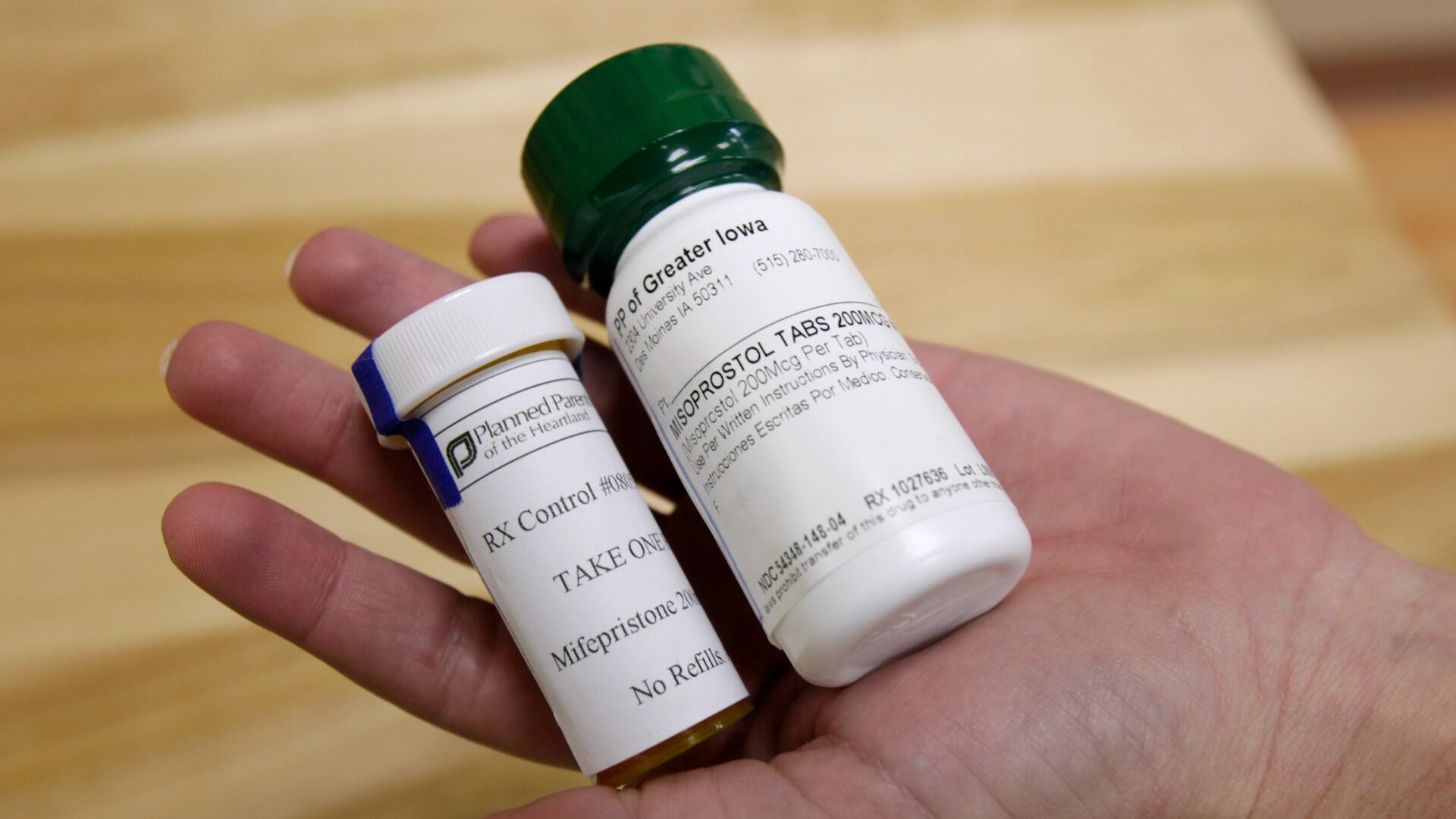
A federal appeals court has ruled that the abortion pill mifepristone can still be used for now but reduced the period of pregnancy when the drug can be taken and said it could not be dispensed by mail.
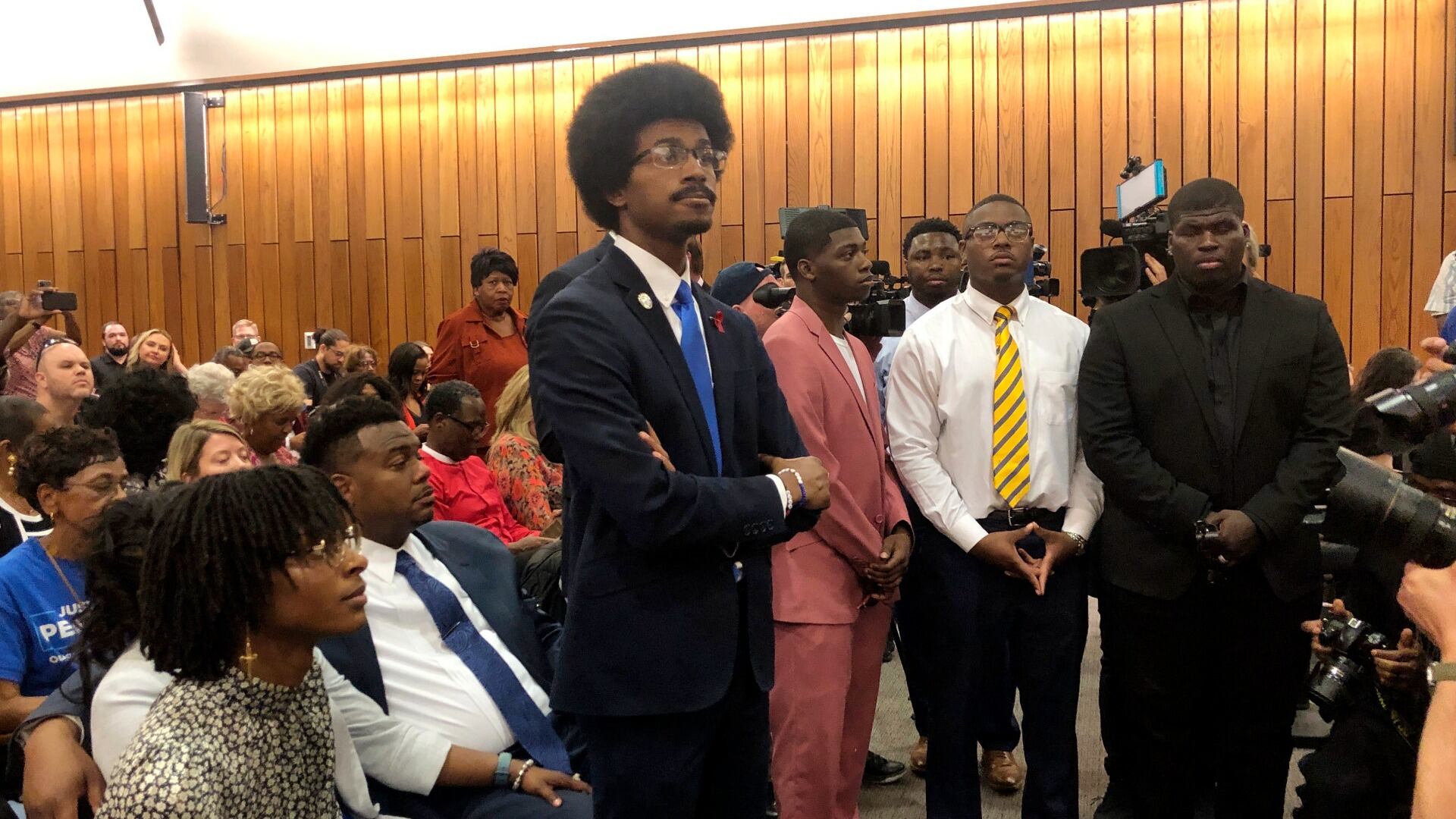
The second of two Black Democrats expelled from the Republican-led Tennessee House will return to the Legislature after a Memphis commission voted to reinstate him Wednesday.
Some abortion clinics are fielding lots of calls from patients since a court ruling last Friday threatened the availability of a main drug used in medication abortion, mifepristone.
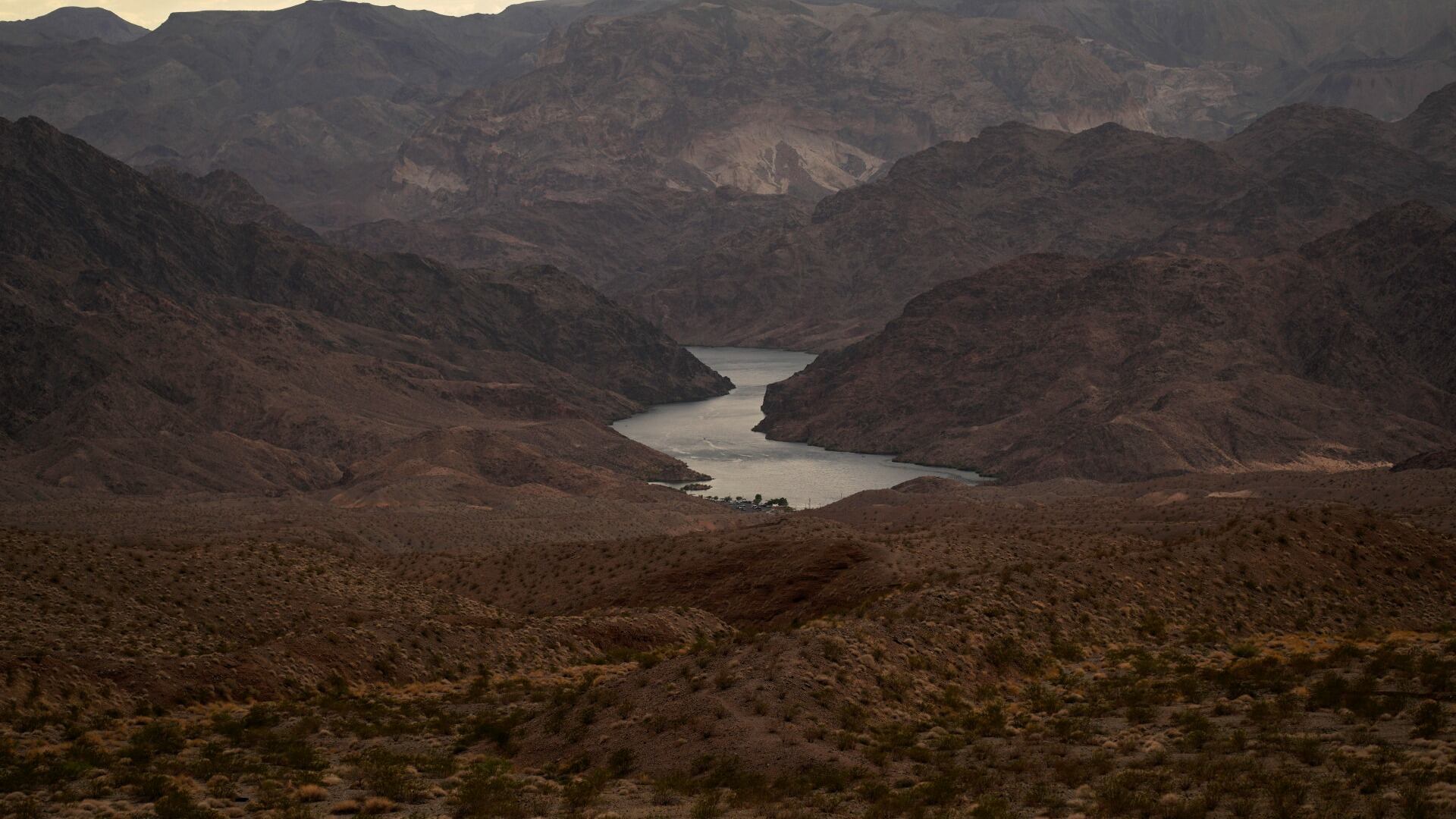
The Biden administration released an environmental analysis Tuesday that outlined two ways that seven Western states and tribes reliant on the over-tapped Colorado River could cut their use, but declined to publicly take a side on the best option.