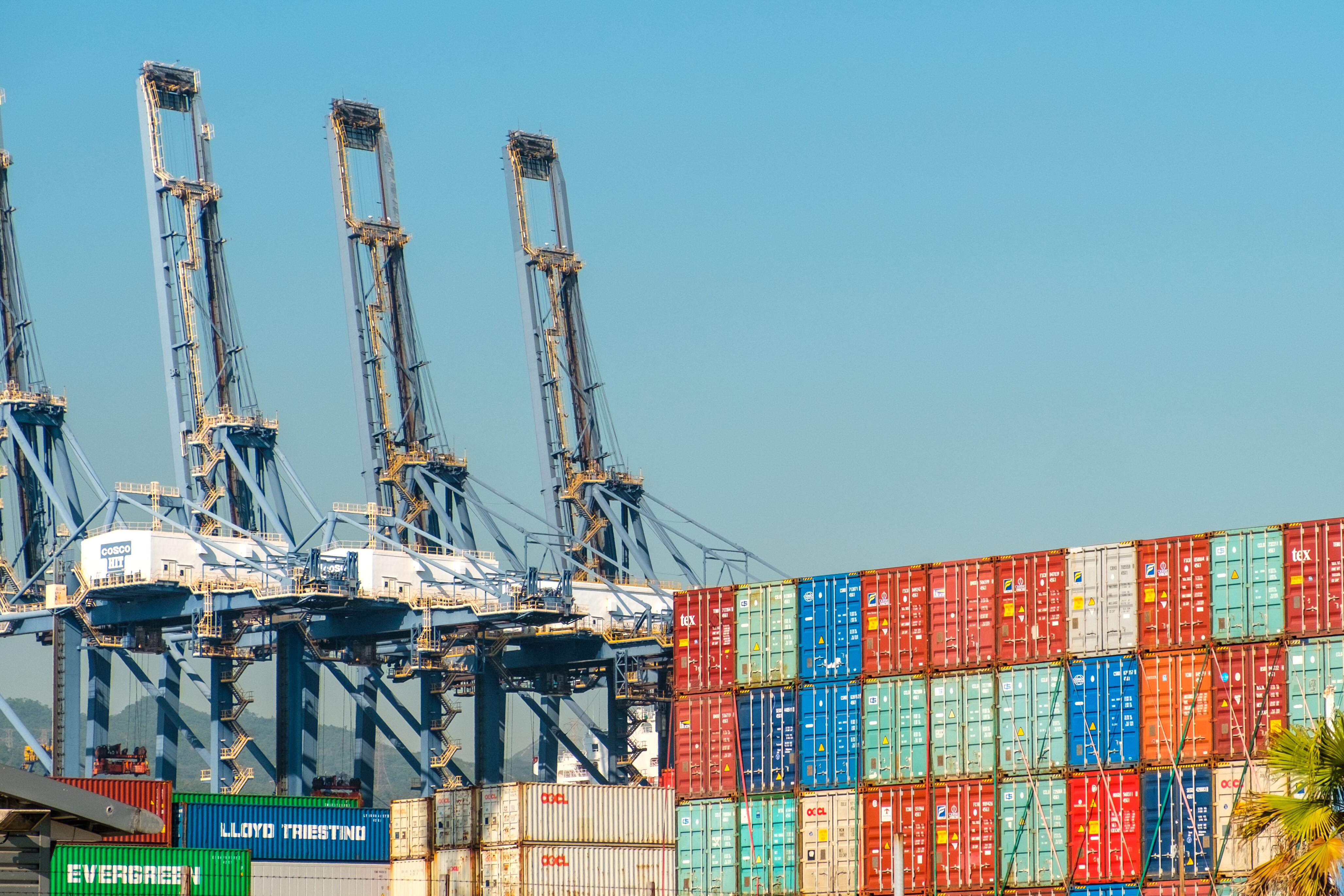
President Donald Trump said he would sign what he called a “very large and comprehensive” initial trade deal with China on January 15.
Trump had previously said the two leaders would have a signing ceremony for Phase One next month. Through the deal, first announced on December 13, China will increase purchases of American farm goods and be subject to lower tariffs on some goods.
The U.S. and China reached the deal after almost two years of an escalating trade war between the world’s largest economies. The U.S. said it would decrease current tariffs and cancel new tariffs. China will increase purchases of U.S. goods and services.
The White House will leave 25 percent tariffs on $250 billion in Chinese goods in place but halve tariffs to 7.5 percent on $120 billion in products such as smartphones.
Trump said he will go to Beijing to begin talks on the second phase of the trade deal "at a later date."
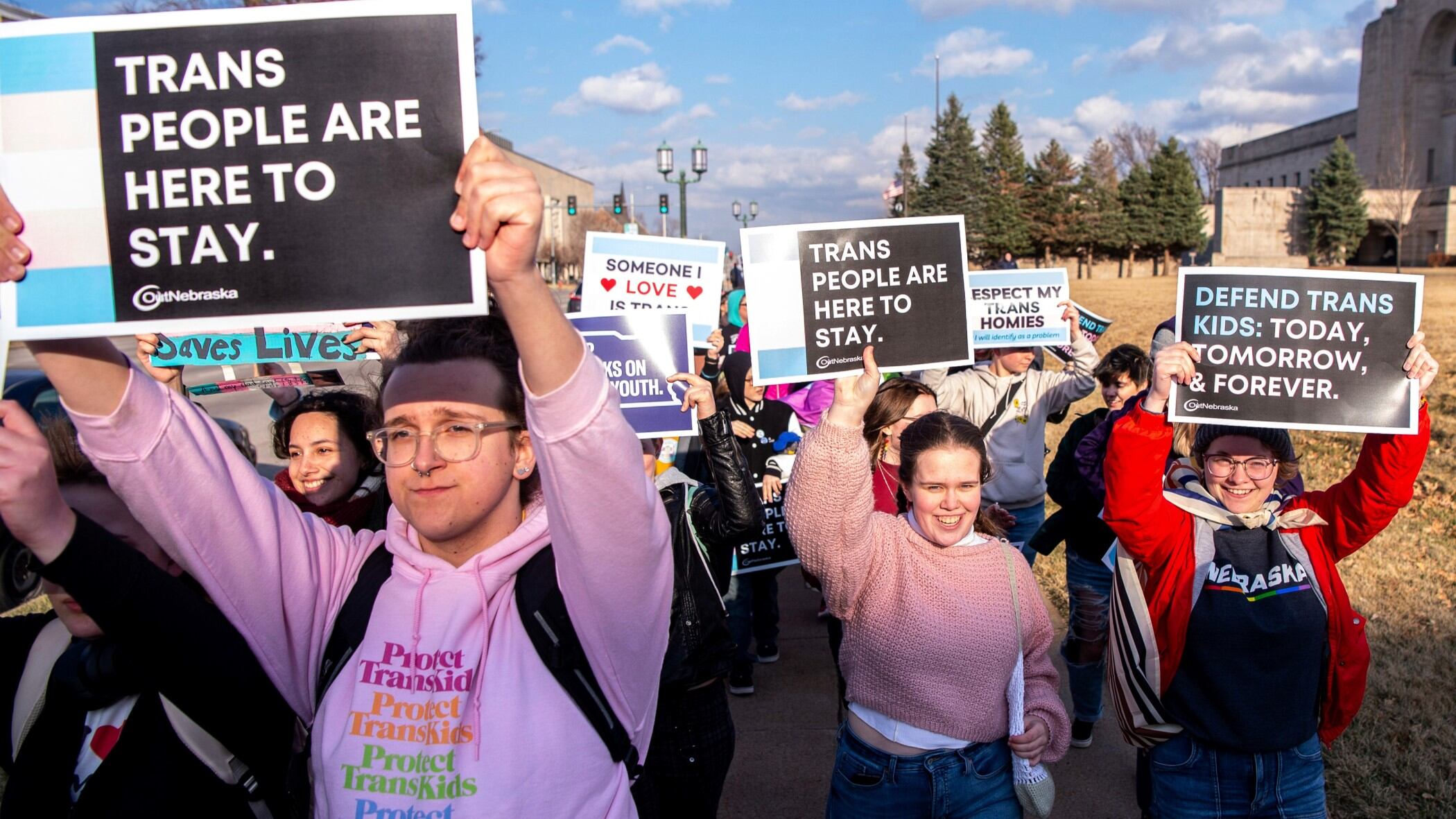
An Associated Press analysis of more than 130 bills in 40 state legislatures found of the proposals, as introduced or passed, are identical or very similar to some model legislation, the AP found.
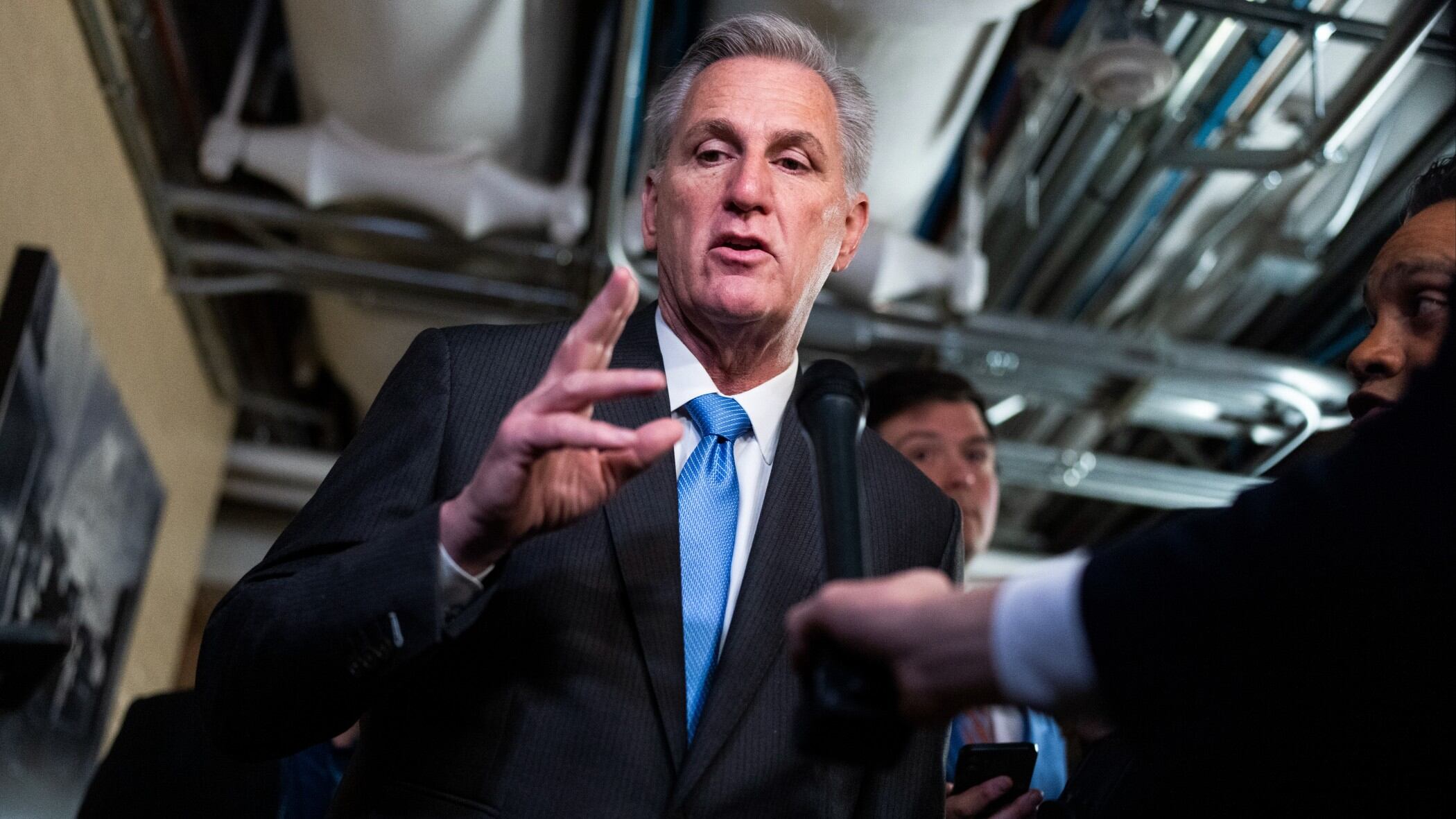
A new poll finds that most U.S. adults say they are highly concerned about how the nation's economy would be affected if the debt limit isn't increased and the government can't pay its debts.
Orlando, FL Mayor Buddy Dyer spoke with Cheddar News about what's in store this summer for his city as Memorial Day weekend kicks off next week and how his administration is navigating certain political challenges.
The Walt Disney Co. says it's scrapping plans to build a new campus in central Florida and relocate 2,000 employees from Southern California to work in digital technology, finance and product development.
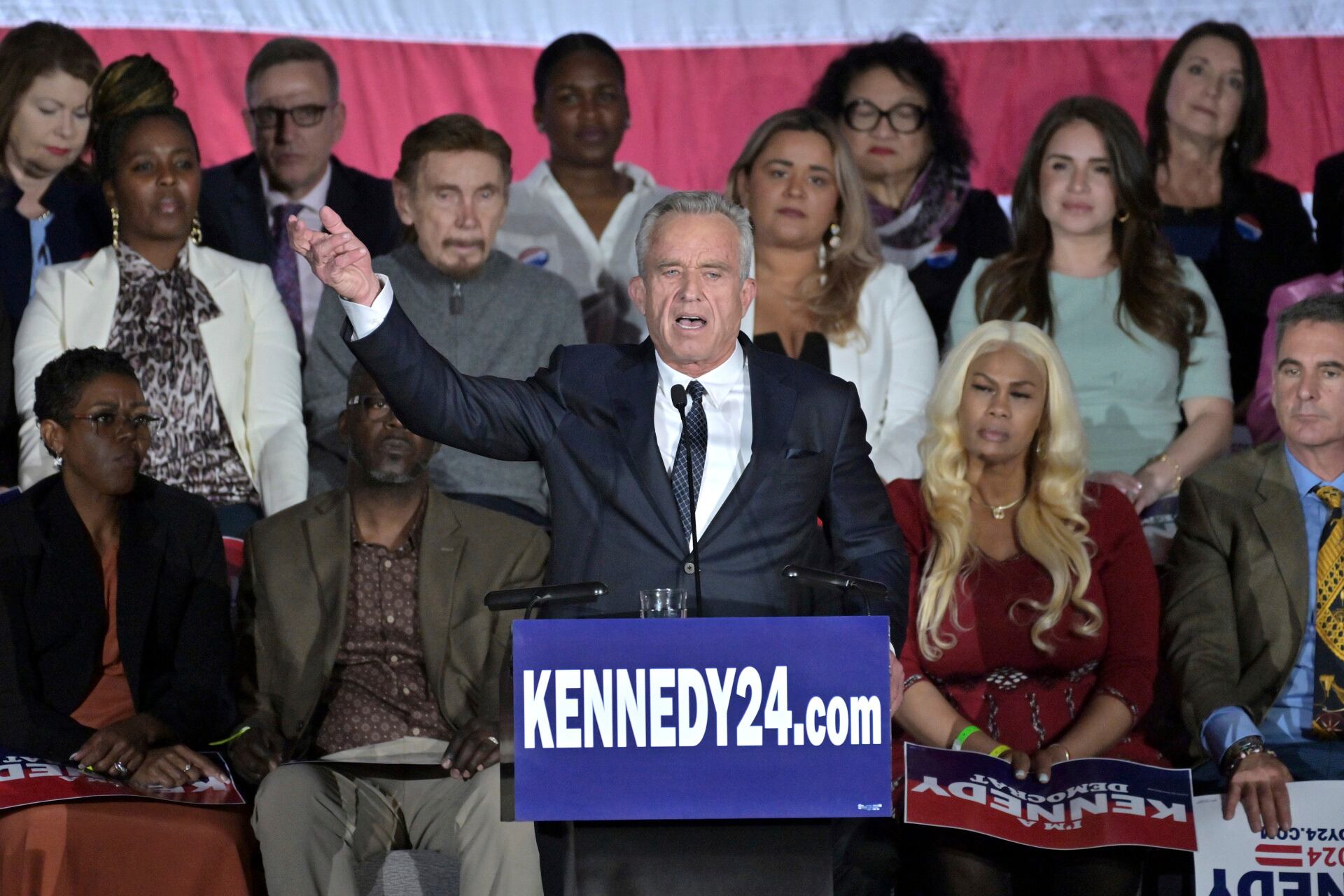
News 12 reporter Tara Rosenblum sat down for an exclusive interview with Robert F. Kennedy Jr. who announced his campaign for the 2024 Democratic presidential nomination in April.