By Zeke Miller and Darlene Superville
Updated 6:10 pm ET
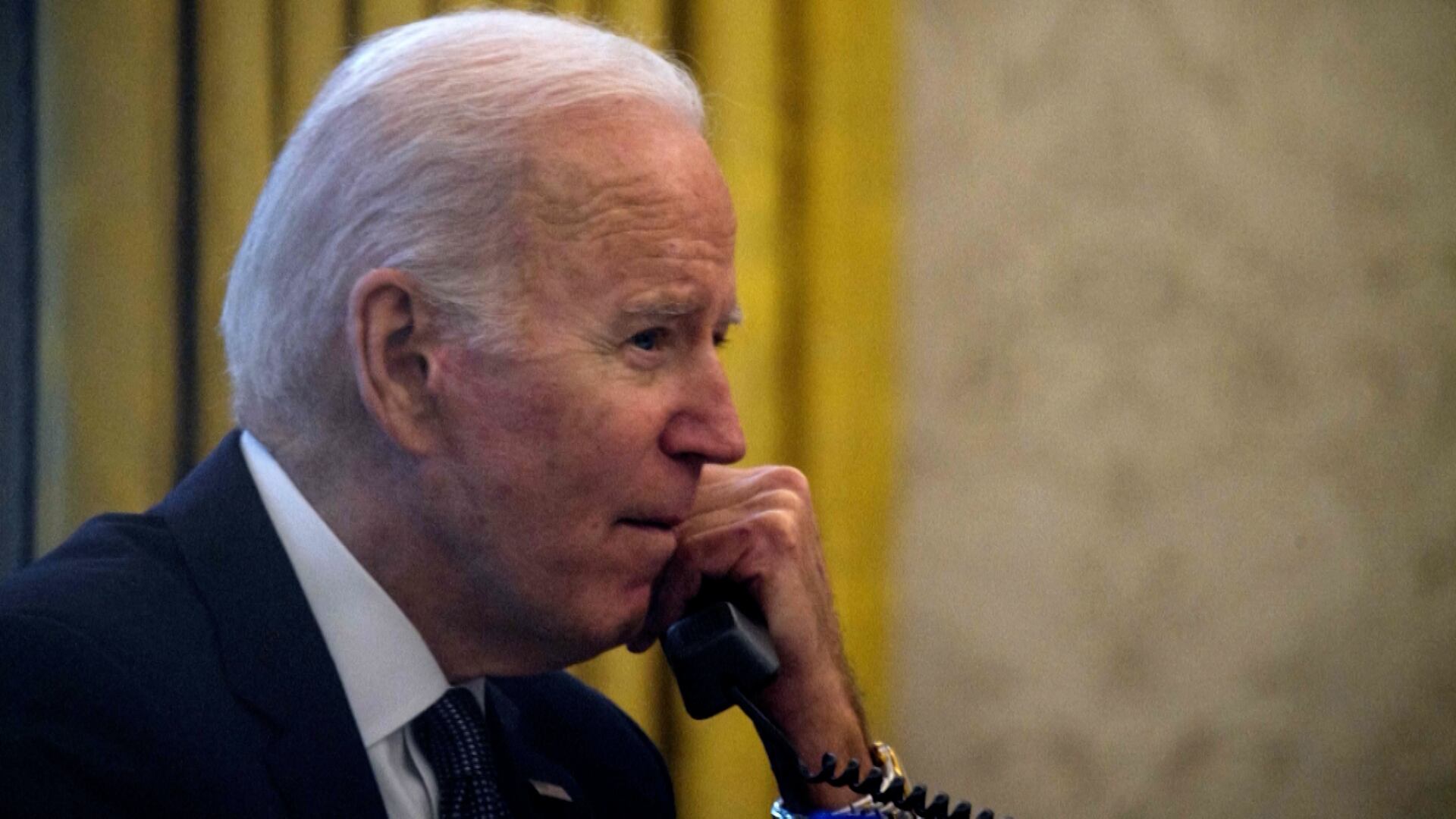
President Donald Trump said Monday that he is taking a malaria drug to protect against the new coronavirus, despite warnings from his own government that it should only be administered for COVID-19 in a hospital or research setting due to potentially fatal side effects.
Trump told reporters he has been taking the drug, hydroxychloroquine, and a zinc supplement daily “for about a week and a half now.” Trump spent weeks pushing the drug as a potential cure or prophylaxis for COVID-19 against the cautionary advice of many of his administration's top medical professionals. The drug has the potential to cause significant side effects in some patients and has not been shown to combat the new coronavirus.
Trump said his doctor did not recommend the drug to him, but he requested it from the White House physician.
"I started taking it, because I think it’s good," Trump said. "I’ve heard a lot of good stories.”
The Food and Drug Administration warned health professionals last month that the drug should not be used to treat COVID-19 outside of hospital or research settings, due to sometimes fatal side effects. Regulators issued the alert for the drug, which can also be used to treat lupus and arthritis, after receiving reports of heart-rhythm problems, including deaths, from poison control centers and other health providers.
Trump dismissed reports of side effects, saying, “All I can tell you is, so far I seem to be OK.”
At least two White House staffers tested positive for COVID-19 earlier this month, sparking concerns about the steps taken by the administration to protect the president and sending Vice President Mike Pence and other officials into varying forms of self-isolation.
The White House has since mandated that those in the West Wing wear face coverings and has introduced daily testing for the virus for the president, vice president, and those they come in close contact with.
Trump last underwent an “interim” checkup in a November visit to Walter Reed National Military Medical Center that was not noted on his public schedule. His last complete physical took place in February 2019.
Trump has repeatedly pushed the use of the drug with or without the antibiotic azithromycin, but no large, rigorous studies have found them safe or effective for preventing or treating COVID-19.
Two large observational studies, each involving around 1,400 patients in New York, recently found no benefit from hydroxychloroquine. Two new ones published Thursday in the medical journal BMJ reached the same conclusion.
One, by French researchers, gave 84 hospitalized patients the drug and 97 others the usual care. There were no differences in the odds of death, need for intensive care or developing severe illness.
The other study from China was a stricter test: 150 adults hospitalized with mild or moderate illness were randomly assigned to get hydroxychloroquine or usual care. The drug made no difference in rates of clearing the virus or time to relief of symptoms, and they brought more side effects.
In April, the National Institutes of Health launched a study testing hydroxychloroquine versus a placebo drug in 500 hospitalized COVID-19 patients. Last week, NIH announced another study to see if hydroxychloroquine plus azithromycin can prevent hospitalization or death in people with mild to moderate illness. About 2,000 U.S. adults with confirmed coronavirus infections and symptoms such as fever, cough, or shortness of breath will get the drugs or placebo pills.
U.S. prescriptions for hydroxychloroquine surged roughly 80% in March to more than 830,000 compared with the same period in the prior year, according to data tracking firm IQVIA. That jump in prescribing came before the federal government accepted nearly 30 million doses of the drug donated to the strategic national stockpile by foreign drugmakers. Since then, millions of those tablets have been shipped to U.S. hospitals nationwide for use treating patients with COVID-19.
—-
AP medical writers Marilynn Marchione in Milwaukee and Matthew Perrone in Washington contributed to this report.