Trump's 'Ready' to Slap Tariffs on All Chinese Imports
*By Alisha Haridasani*
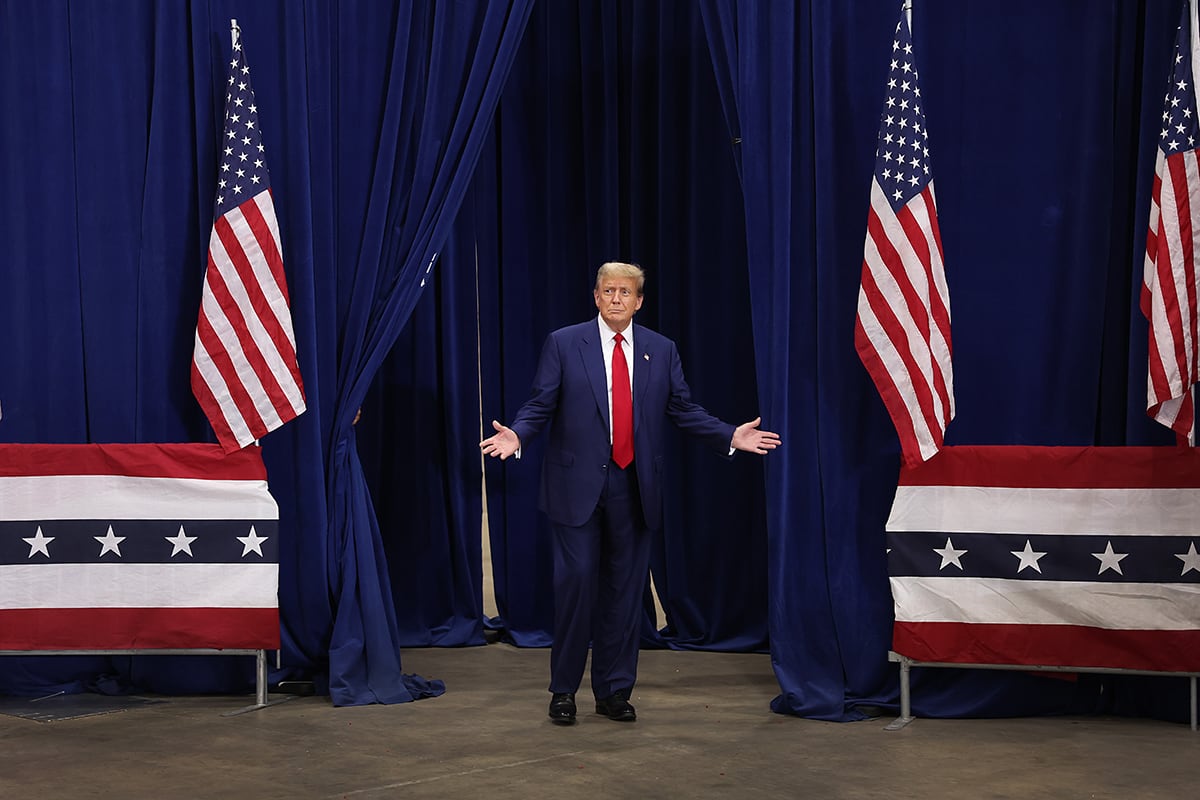
President Trump said on Thursday he’s “ready” to slap tariffs on every Chinese product entering the United States, deepening the trade war between the world's two largest economies.
“I’m ready to go to 500,” the President said in an interview with [CNBC,](https://www.cnbc.com/2018/07/19/trump-says-hes-ready-to-put-tariffs-on-all-505-billion-of-chinese-.html) referring to the $505 billion of Chinese imports. “I’m not doing this for politics, I’m doing this to do the right thing for our country. We have been ripped off by China for a long time.”
In a tweet on Friday morning, after the CNBC interview aired, Trump [said](https://twitter.com/realDonaldTrump/status/1020290163933630464), “The United States should not be penalized because we are doing so well.”
The Trump administration earlier this month levied taxes on $34 billion worth of high-tech Chinese goods to penalize the country for alleged intellectual property theft, prompting Beijing to respond in kind.
In retaliation, the Trump administration has also identified another round of tariffs on $200 billion worth of goods. The second round of taxes could hike prices of many [popular consumer goods](https://www.reuters.com/article/us-usa-trade-apple/apple-watch-fitbit-could-feel-cost-of-us-tariffs-idUSKBN1KA0E2) manufactured in China, including the Apple Watch and the FitBit tracker.
Full Glass Wine Co., the company behind Bright Cellars, Wine Insiders, and Winc, knows you fell in love with home delivery during the pandemic – and it’s investing millions into making it even better.
It might sound counterintuitive, but the Fed cutting interest rates three times this year could cause inflation to spike and actually be worse for markets and the economy as a whole.
Imagine a world with just a handful of mediocre beer options. Terrible, right? That was the U.S. before the explosion of craft breweries, the Samuel Adams founder says.
March was a blockbuster month for jobs, with 303,000 new positions – and paired with slower wage growth, an economist and a portfolio manager agree this could be the ‘best of both worlds.’