By Michael Balsamo
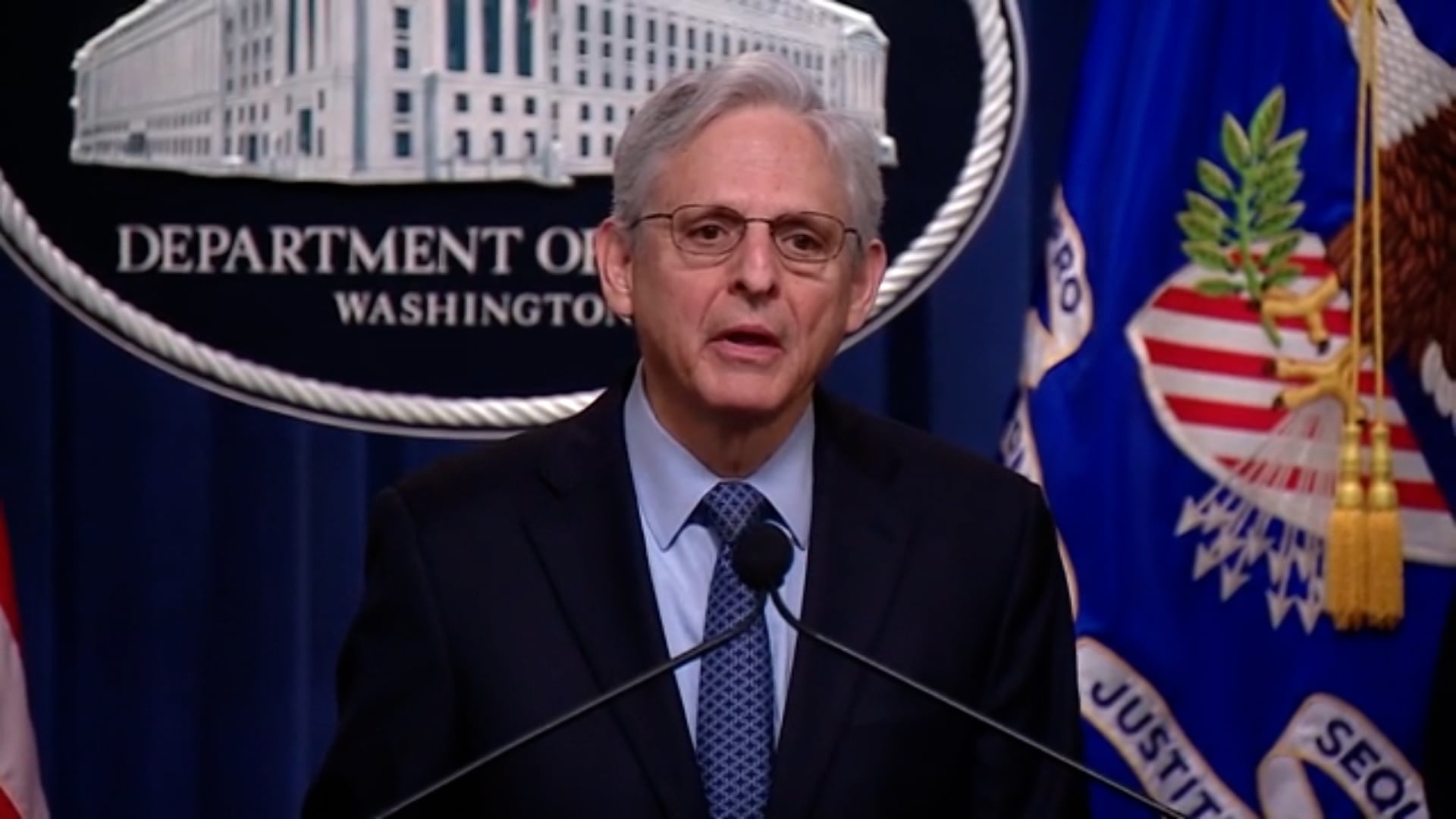
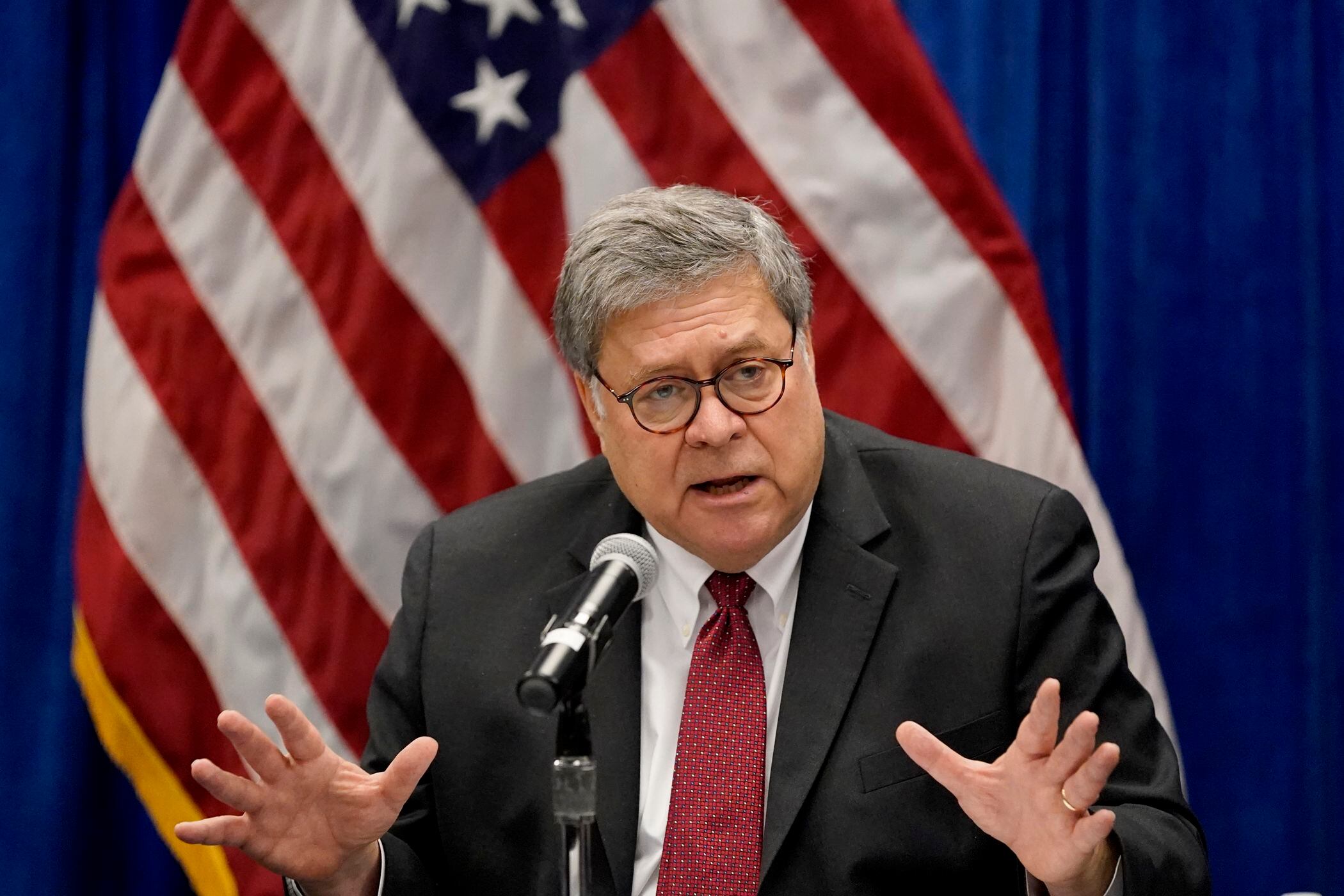
Attorney General William Barr, one of President Donald Trump’s staunchest allies, is resigning amid lingering tension with the president over the president’s baseless claims of election fraud and the investigation into President-elect Joe Biden’s son.
Barr went Monday to the White House, where Trump said the attorney general submitted his letter of resignation. “As per letter, Bill will be leaving just before Christmas to spend the holidays with his family,” Trump tweeted.
Trump has publicly expressed his anger about Barr’s statement to The Associated Press earlier this month that the Justice Department had found no widespread election fraud that would change the outcome of the election. Trump has also been angry that the Justice Department did not publicly announce it was investigating Hunter Biden ahead of the election, despite department policy against such a pronouncement.
Barr in his resignation letter said he updated Trump Monday on the department's “review of voter fraud allegations in the 2020 election and how these allegations will continue to be pursued." He added that his last day on the job would be Dec. 23.
Trump said Deputy Attorney General Jeff Rosen, whom he labeled “an outstanding person,” will become Acting Attorney General.
Despite Trump’s obvious disdain for those who publicly disagree with him, Barr had generally remained in the president’s good graces and has been one of the president’s most ardent allies. Before the election, he had repeatedly raised the notion that mail-in voting could be especially vulnerable to fraud during the coronavirus pandemic as Americans feared going to polls.
But Trump has a low tolerance for criticism, especially public criticism, from his allies and often fires back in kind.
Barr, who was serving in his second stint as attorney general, sought to paint himself as an independent leader who would not bow to political pressure. But Democrats have repeatedly accused Barr of acting more like the president’s personal attorney than the attorney general, and Barr had proved to be a largely reliable Trump ally and defender of presidential power.
Before releasing special counsel Robert Mueller’s full report on the Russia investigation last year, Barr framed the results in a manner favorable to Trump even though Mueller pointedly said he couldn’t exonerate the president of obstruction of justice.
He also appointed as special counsel the U.S. attorney who is conducting a criminal investigation into the origins of the FBI’s probe of the 2016 election that morphed into Mueller’s investigation of possible Trump-Russia cooperation, following Trump’s repeated calls to “investigate the investigators.”
Barr also ordered Justice Department prosecutors to review the handling of the federal investigation into Trump’s former national security adviser Michael Flynn and then sought to dismiss the criminal charges against Flynn, who had twice pleaded guilty to lying to the FBI. Trump later pardoned Flynn.
Barr’s break from Trump over election fraud wasn’t the first. Earlier this year, Barr told ABC News that the president’s tweets about Justice Department cases “make it impossible for me to do my job” and tensions flared just a few months ago when the two were increasingly at odds over the pace of the Durham investigation.
Trump had been increasingly critical about a lack of arrests and Barr was privately telling people he was frustrated by Trump’s public pronouncements about the case.
Trump was also said to blame Barr for comments from FBI Director Chris Wray on election fraud and mail-in voting that didn’t jibe with the president’s alarmist rhetoric.
___
Associated Press writers Colleen Long, Eric Tucker, Jonathan Lemire, and Zeke Miller contributed to this report.