*By Madison Alworth*
With its latest emissions policy, the Trump administration has effectively overhauled President Obama's environmental legacy, said Earther reporter Brian Kahn.
"You couple this also with the international view of dropping out of the Paris Agreement ー or at least announcing our intent to do thatーas well as what we're seeing with the Department of Interior and its attempt to lease more oil and gas drilling sites on federal land," Kahn said Tuesday in an interview on Cheddar. "Taken as a whole, these policies really signal a rapid and major change."
The administration [introduced](https://www.epa.gov/newsreleases/epa-proposes-affordable-clean-energy-ace-rule) a new rule, "Affordable Clean Energy," on Tuesday, which will roll back many of the restrictions on coal emissions that President Obama put in place.
The new plan allows individual states to regulate their coal plants' pollution rather than adhering to a federal standard.
"The Clean Power Plan was going to reduce them by about 35 percent them by 2030, and this will lead to a 1 percent decrease over that time period," Kahn said.
The new plan is largely perceived as a means to prop up the coal industry. But in a statement released Tuesday, the EPA said the rule “empowers states, promotes energy independence, and facilitates economic growth and job creation.”
"We are putting our great coal miners back to work," President Trump said during a rally in West Virginia on Tuesday night.
If the plan is enacted, Kahn said the results may be disastrous.
"So, we are going to see more carbon emissions. More importantly than that, we'll also see a lot of pollution," he said. "That will have very adverse impacts on the American public."
The administration's plan will move to an open, public comment period before it will need final approval from the president.
For full interview [click here] (https://cheddar.com/videos/trump-administration-announces-new-emission-policy).
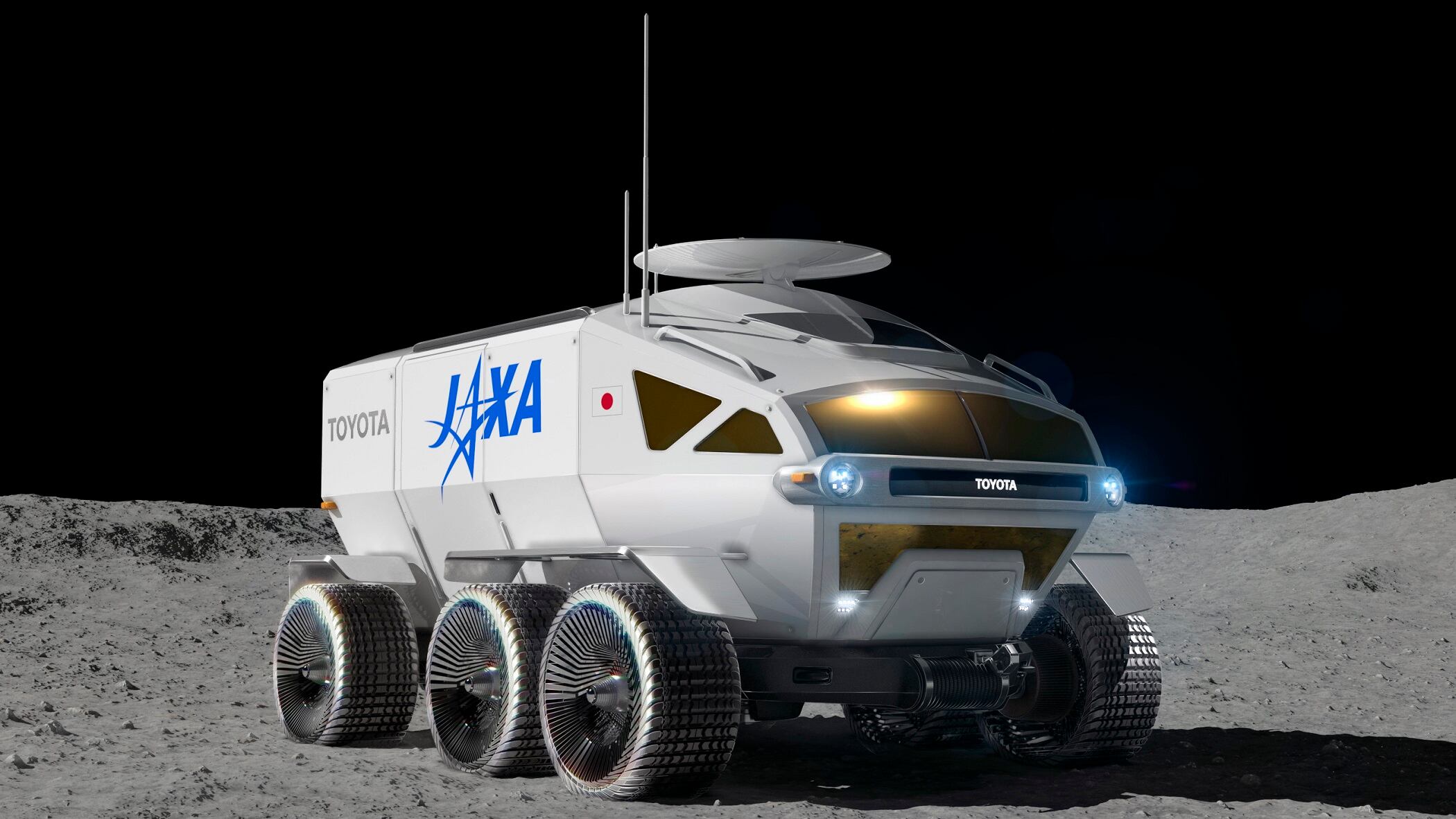
Toyota says it's working with Japan’s space agency on a vehicle to explore the lunar surface, with ambitions to help people live on the moon by 2040 and eventually live on Mars.
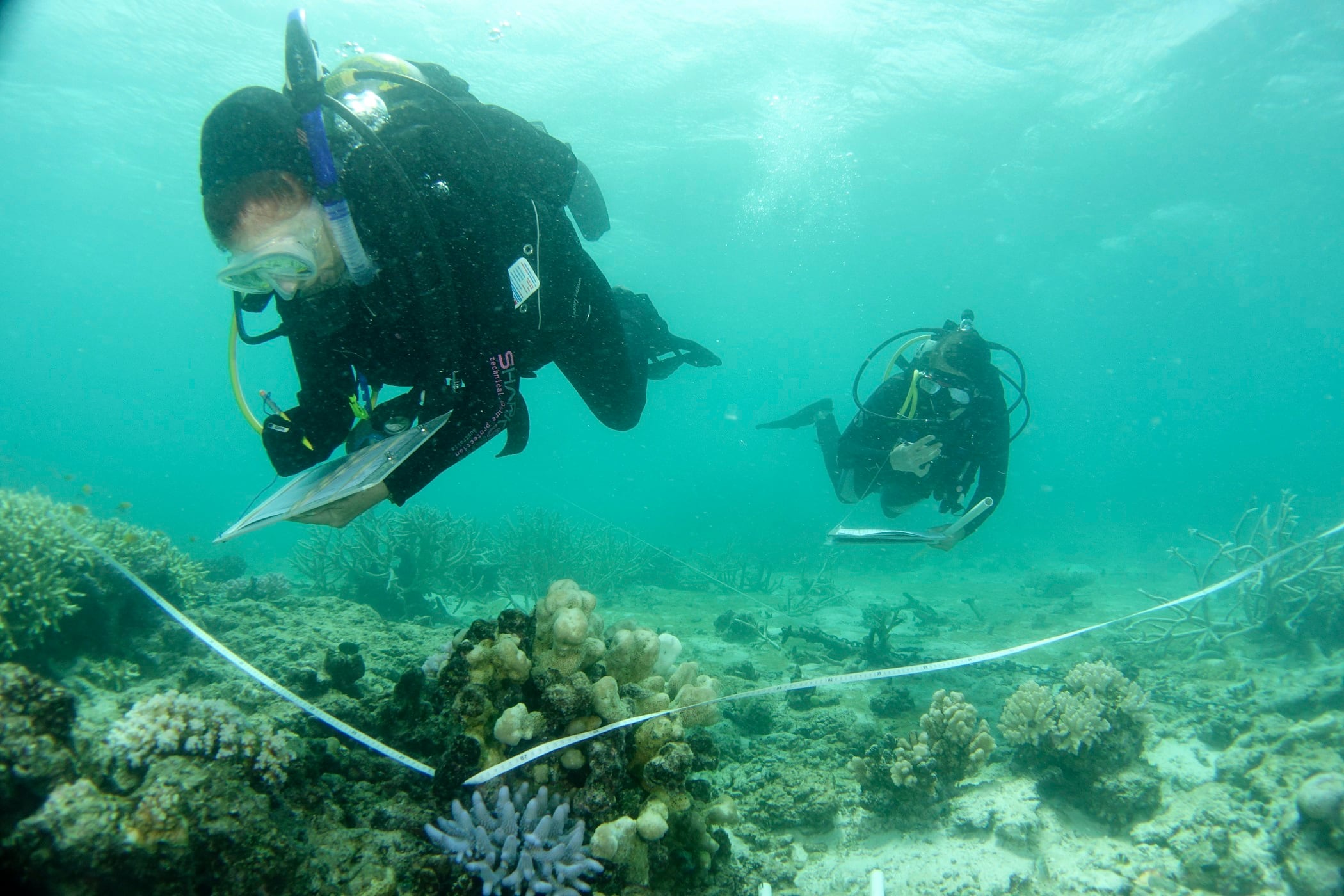
he Australian government has pledged to spend another 1 billion Australian dollars ($704 million) over nine years on improving the health of the Great Barrier Reef after stalling a UNESCO decision on downgrading the natural wonder’s World Heritage status.
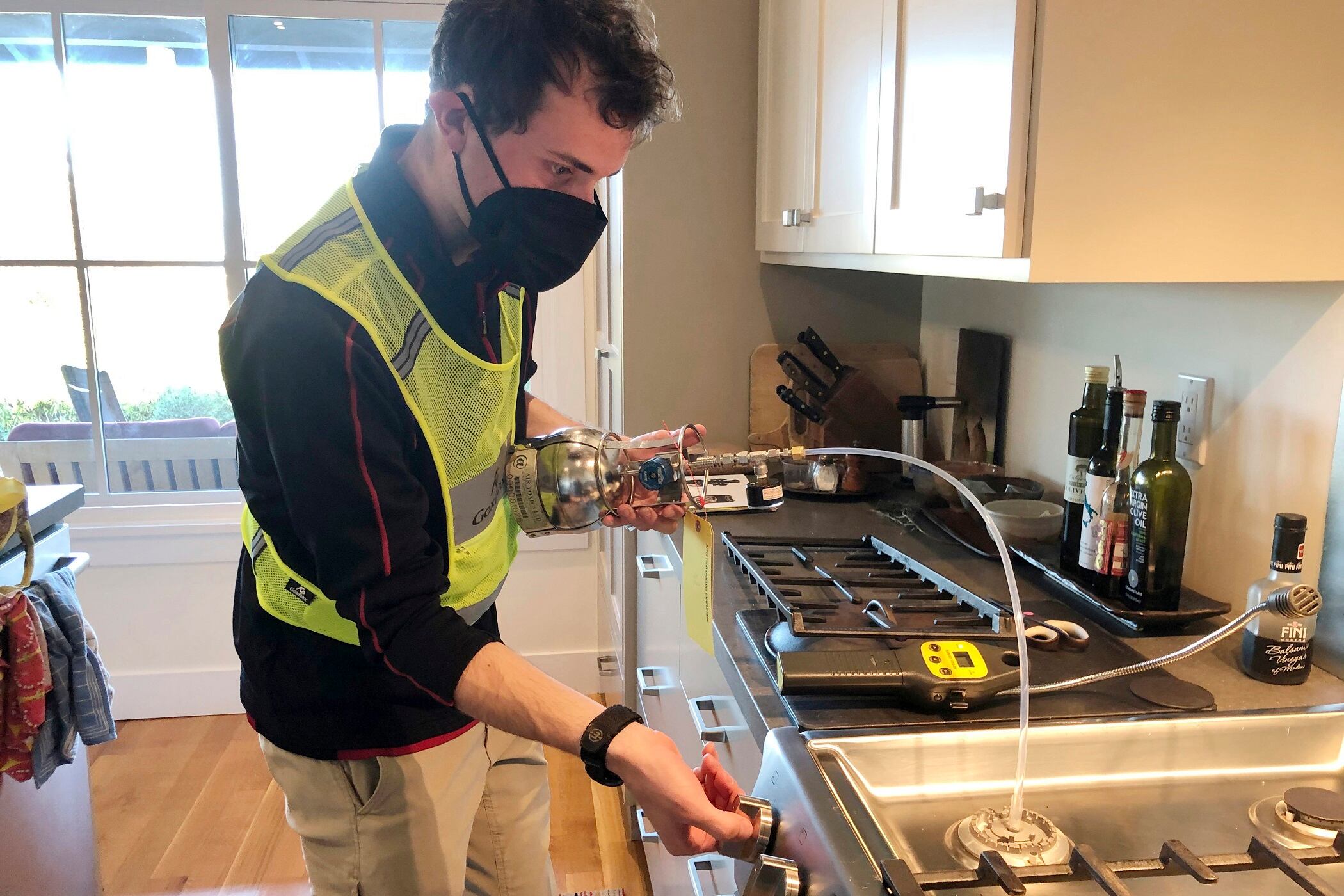
The study by California researchers that was published in Thursday’s journal Environmental Science & Technology found that more than 2.6 million tons of methane leaks into the air from gas stoves in the United States even when they aren't running.
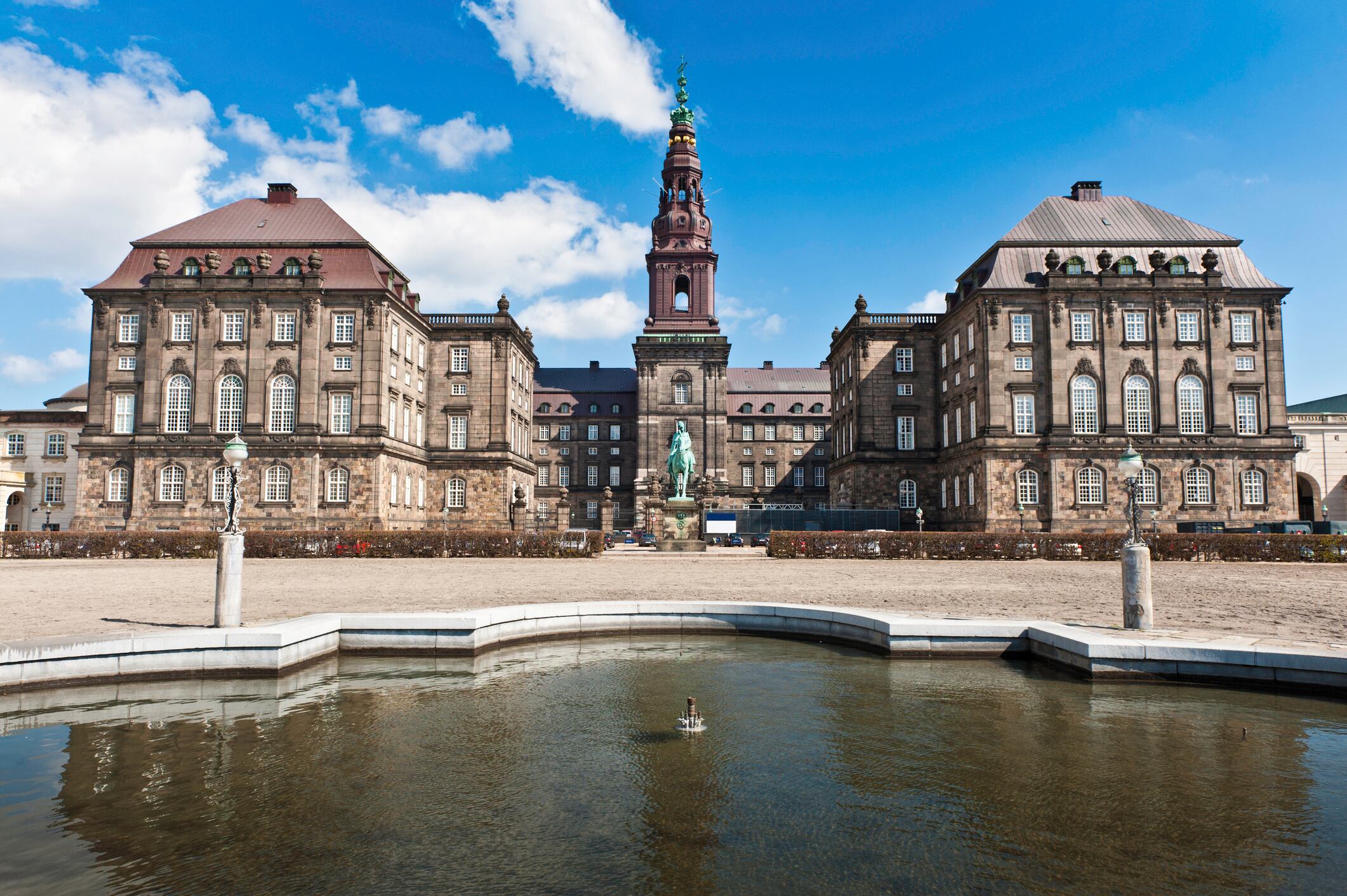
Denmark’s government says it will scrap most pandemic restrictions next week, even as neighboring Sweden has extended its own measures for another fortnight.
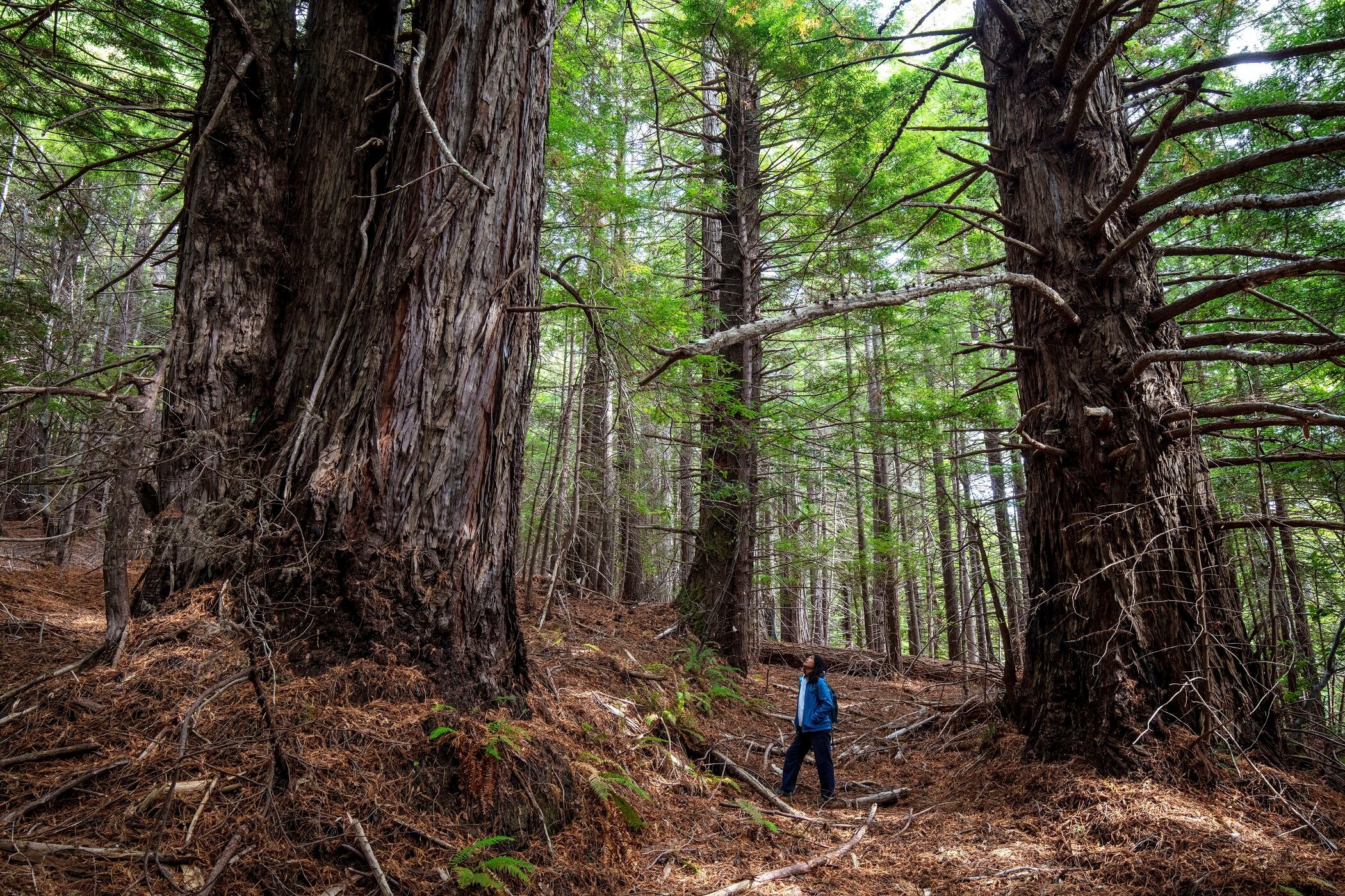
A conservation group is turning over a historic redwood grove on the Northern California coast to descendants of the original Native American inhabitants.
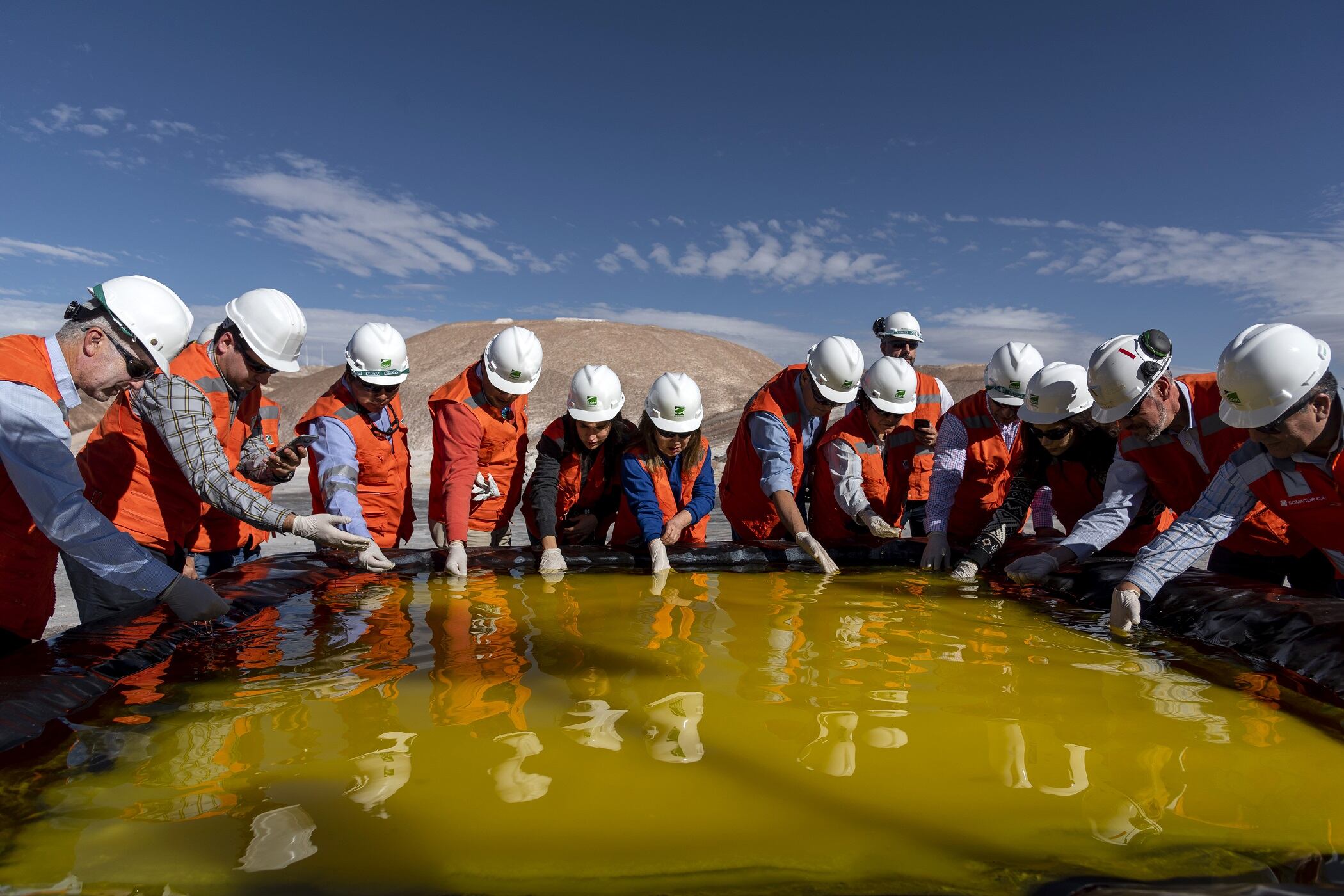
Arguably the biggest challenge to the rise of electric vehicles is their outsized demand for rare earth minerals. Cheddar's Alex Vuocolo does a deep dive into the struggle over securing supply chains for a green tech future.
New research suggests giving extra cash to low-income mothers can change their infants’ brain development.
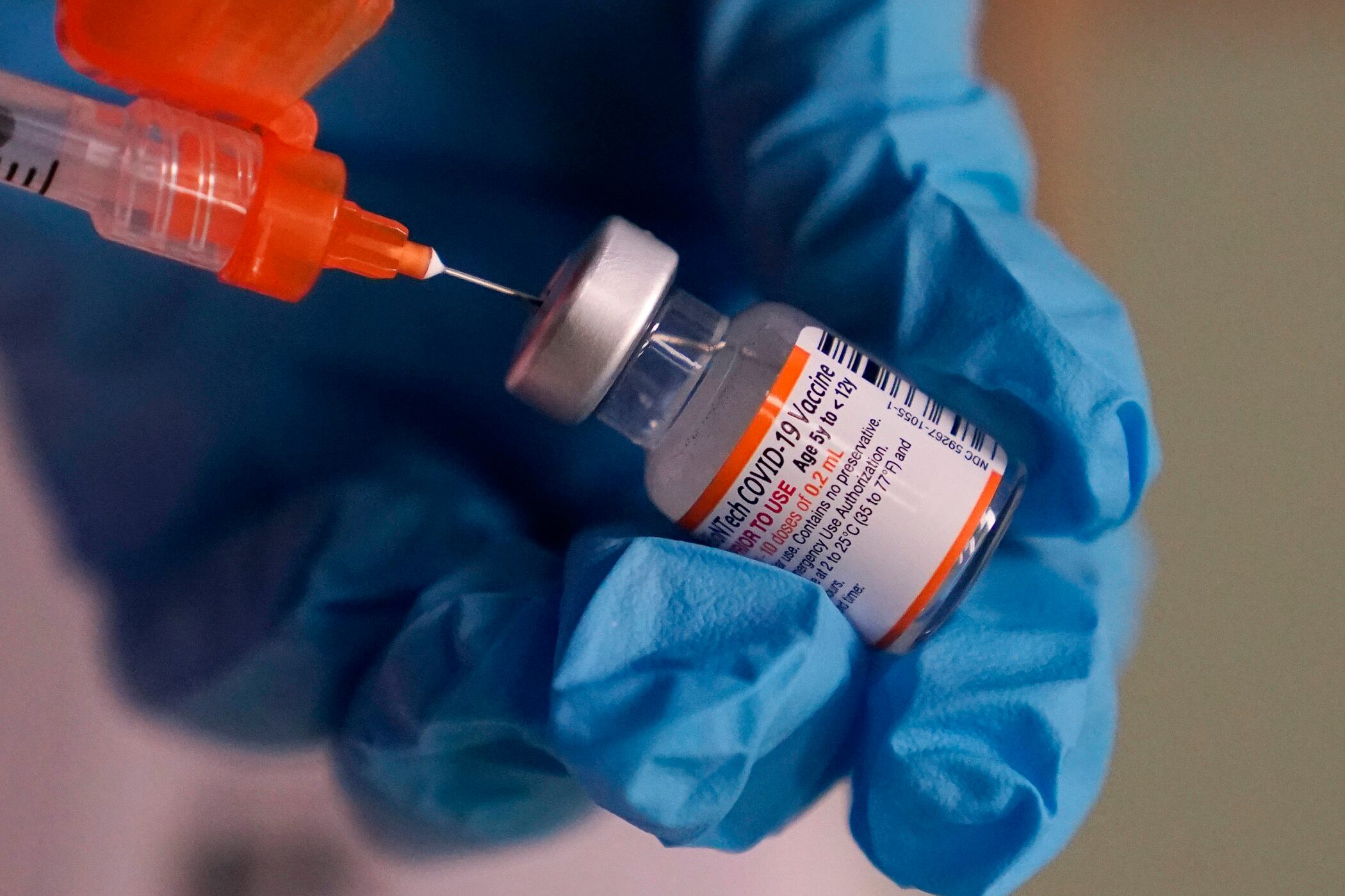
Pfizer and BioNTech have begun studying a COVID-19 vaccine tweaked to match to the omicron variant in healthy adults.
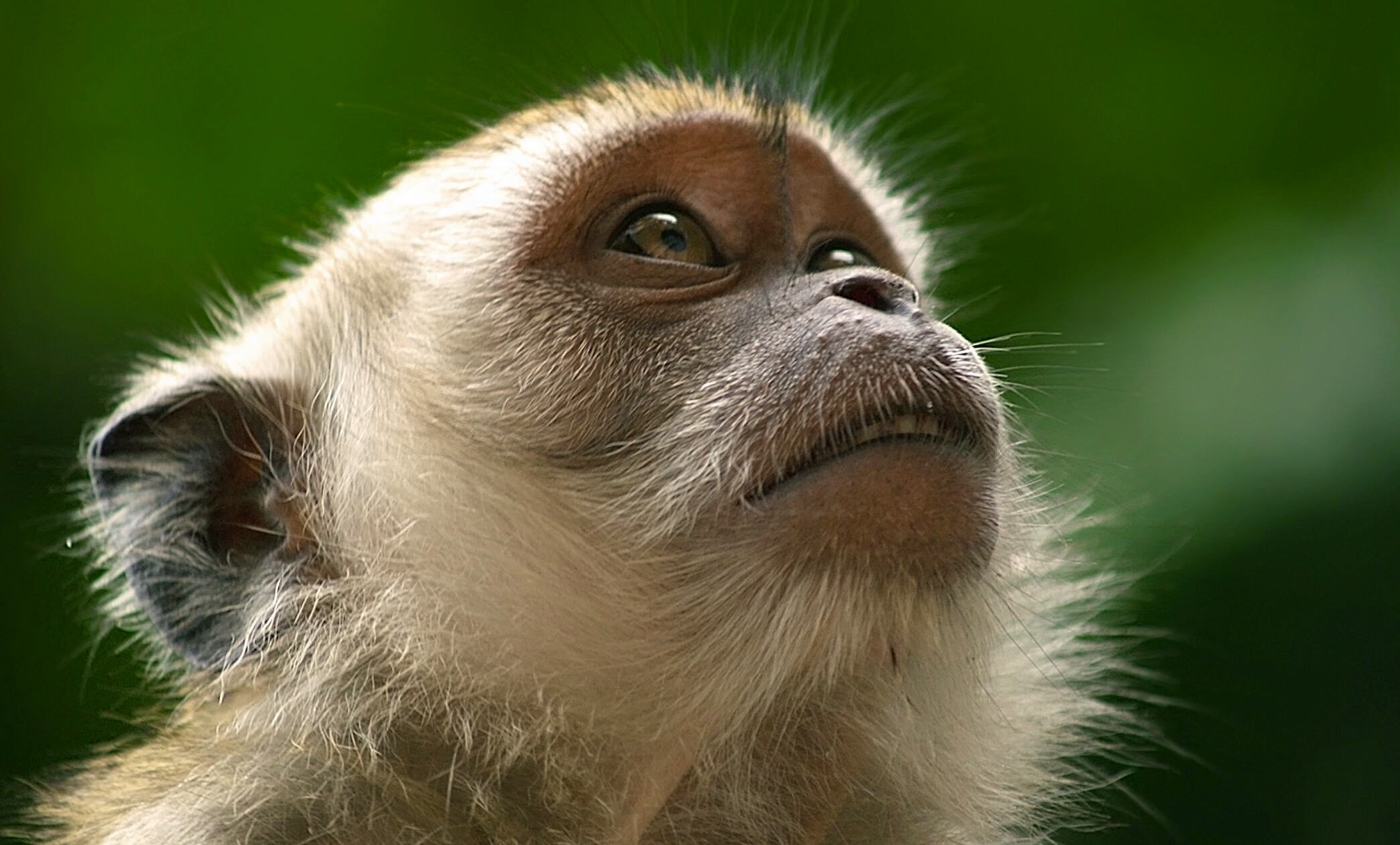
Federal authorities say the last of the escaped monkeys from a Pennsylvania highway crash of a truck towing a trailer load of the animals has been accounted for.
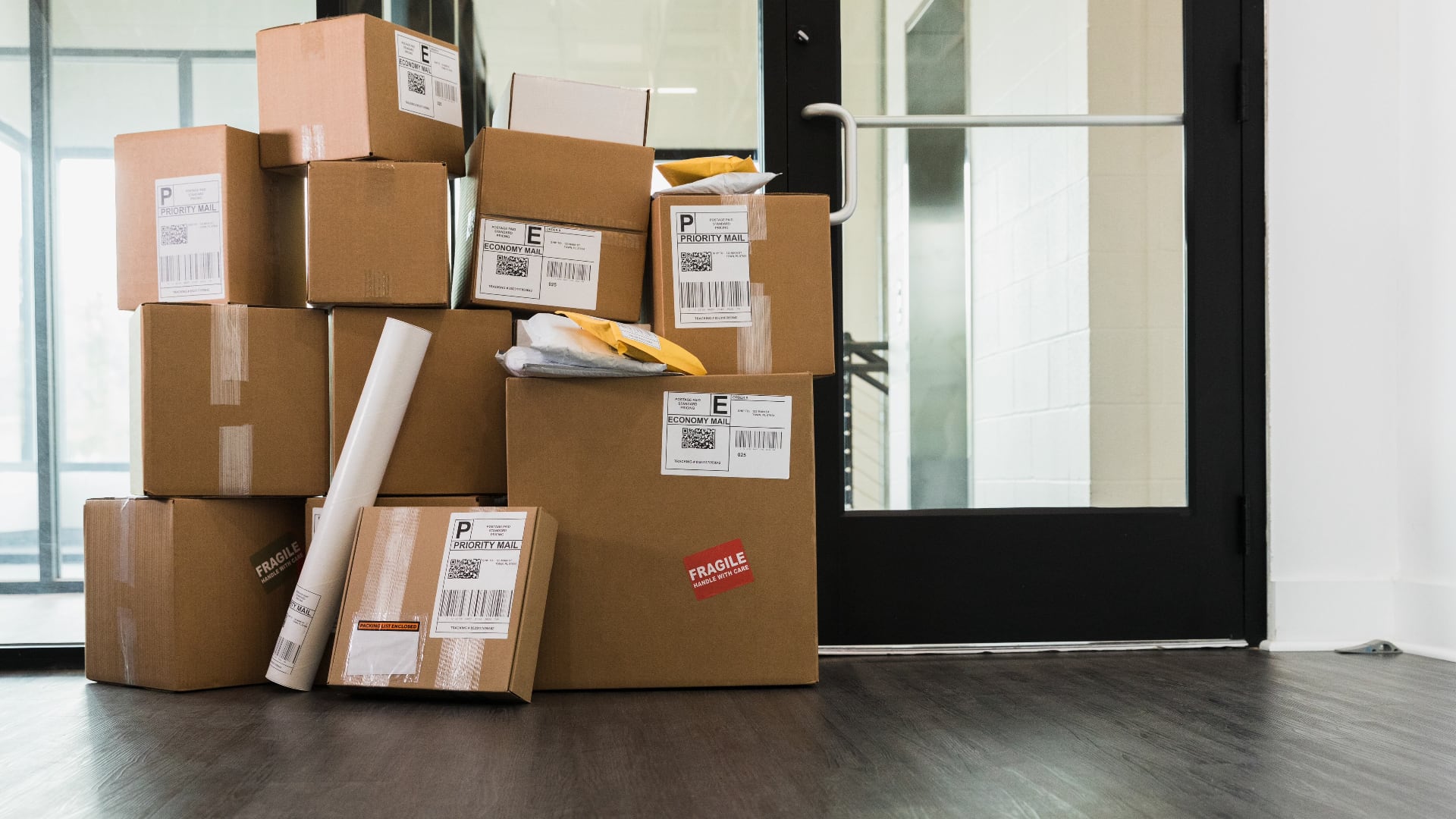
They say life is about the journey, not the destination — and how you get there makes all the difference. Americans shunned train stations, roadways, and airports amid the coronavirus pandemic, never realizing things could be fundamentally different when they return. In this episode, we're exploring the evolving world of transportation, from how we get around to how goods get to us.