*By Madison Alworth*
With its latest emissions policy, the Trump administration has effectively overhauled President Obama's environmental legacy, said Earther reporter Brian Kahn.
"You couple this also with the international view of dropping out of the Paris Agreement ー or at least announcing our intent to do thatーas well as what we're seeing with the Department of Interior and its attempt to lease more oil and gas drilling sites on federal land," Kahn said Tuesday in an interview on Cheddar. "Taken as a whole, these policies really signal a rapid and major change."
The administration [introduced](https://www.epa.gov/newsreleases/epa-proposes-affordable-clean-energy-ace-rule) a new rule, "Affordable Clean Energy," on Tuesday, which will roll back many of the restrictions on coal emissions that President Obama put in place.
The new plan allows individual states to regulate their coal plants' pollution rather than adhering to a federal standard.
"The Clean Power Plan was going to reduce them by about 35 percent them by 2030, and this will lead to a 1 percent decrease over that time period," Kahn said.
The new plan is largely perceived as a means to prop up the coal industry. But in a statement released Tuesday, the EPA said the rule “empowers states, promotes energy independence, and facilitates economic growth and job creation.”
"We are putting our great coal miners back to work," President Trump said during a rally in West Virginia on Tuesday night.
If the plan is enacted, Kahn said the results may be disastrous.
"So, we are going to see more carbon emissions. More importantly than that, we'll also see a lot of pollution," he said. "That will have very adverse impacts on the American public."
The administration's plan will move to an open, public comment period before it will need final approval from the president.
For full interview [click here] (https://cheddar.com/videos/trump-administration-announces-new-emission-policy).
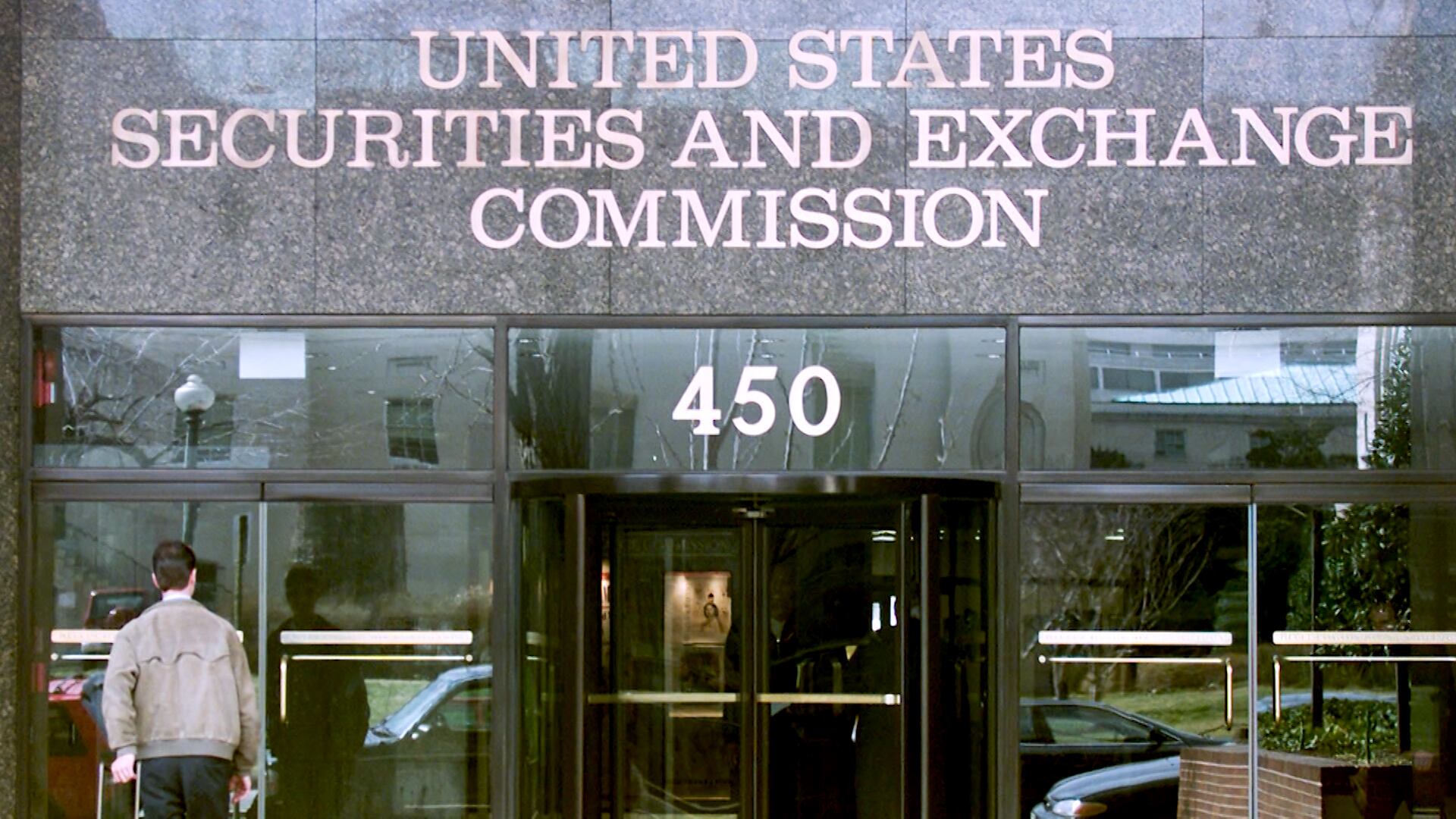
The U.S. Securities and Exchange Commission Monday laid out a proposal that would require businesses to disclose the emissions they produce. Kathleen Rogers, CEO & President at EARTHDAY.ORG, joined Cheddar News to break down the implications of this historic step.
Deepwell Digital Therapeutics is a game development company looking to transform the way we look at video games — this time to improve health outcomes. Its goal is to create software to aid those who deal with conditions such as depression and ADHD. Company co-founder and co-CEO Ryan Douglas and co-founder Kate Edwards joined Cheddar News to talk about the technology is being used to help patients. "From a research perspective, the game industry itself has been well aware for many, many years of the kind of inherent, kind of anecdotal therapeutic value of playing games," said Edwards.
Catching you up on what you Need to Know on Mar 21, 2022, with updates on the Russian invasion in Ukraine, a Boeing 737-800 plane carrying 132 people crashed in China, Canadian Pacific rail workers on strike, another possible COVID surge, and the SEC's new climate rules for businesses.
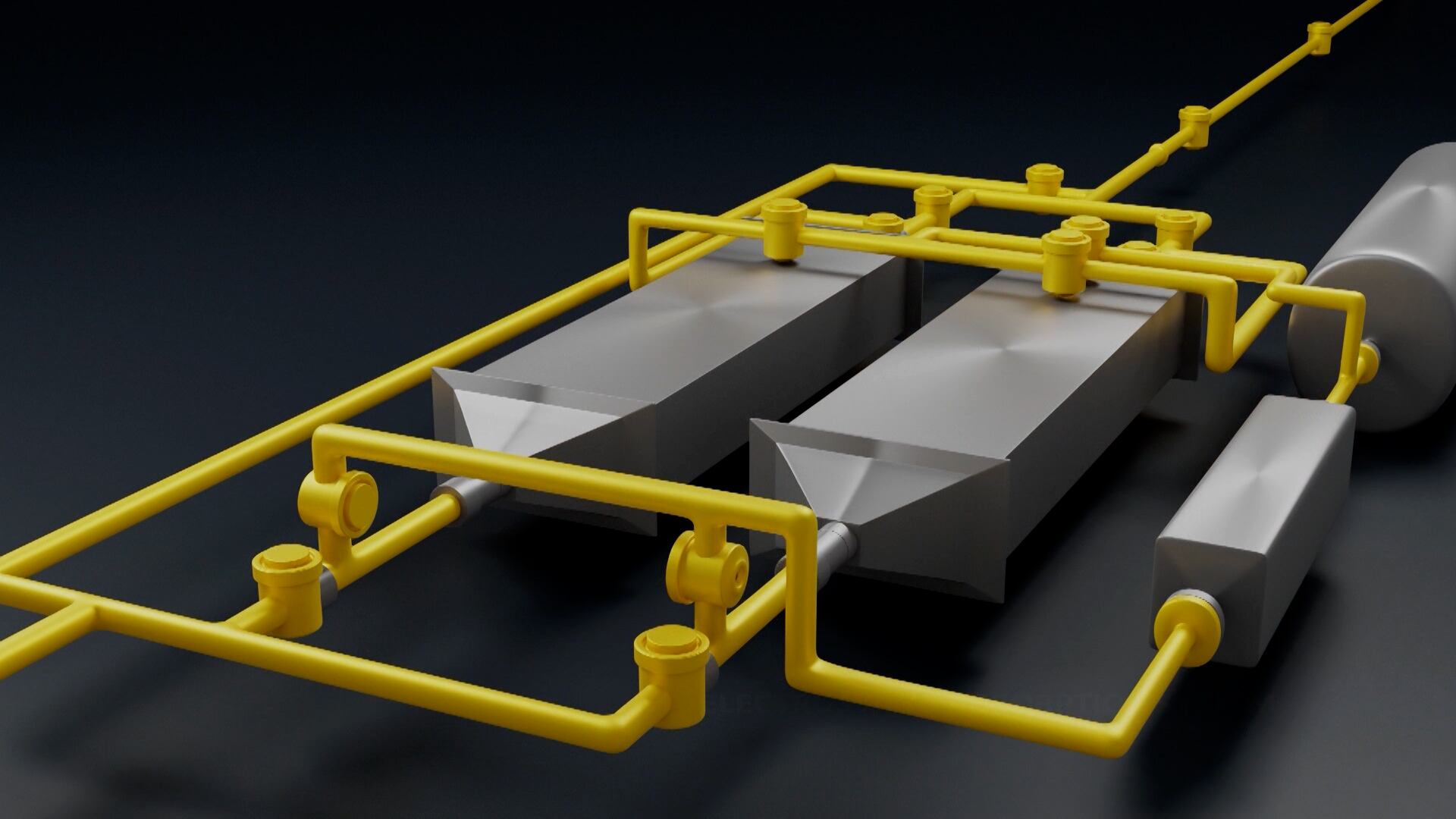
The Bill Gates-founded Breakthrough Energy company invested $80 million in Verdox Inc. to facilitate efficient, lower-cost technolog to remove carbon from the air and emission sources. CEO of Verdox, Brian Baynes, joined Cheddar News to discuss the investment, how the company's tech works, and where he sees it going. "We anticipate that with technologies like ours, we potentially can get to the scale of about a million tons per year within 5-10 years," he said. "And then ultimately we need to be doing this at the scales of billions of tons per year and ultimately about 10 billion tons per year in the year 2050."
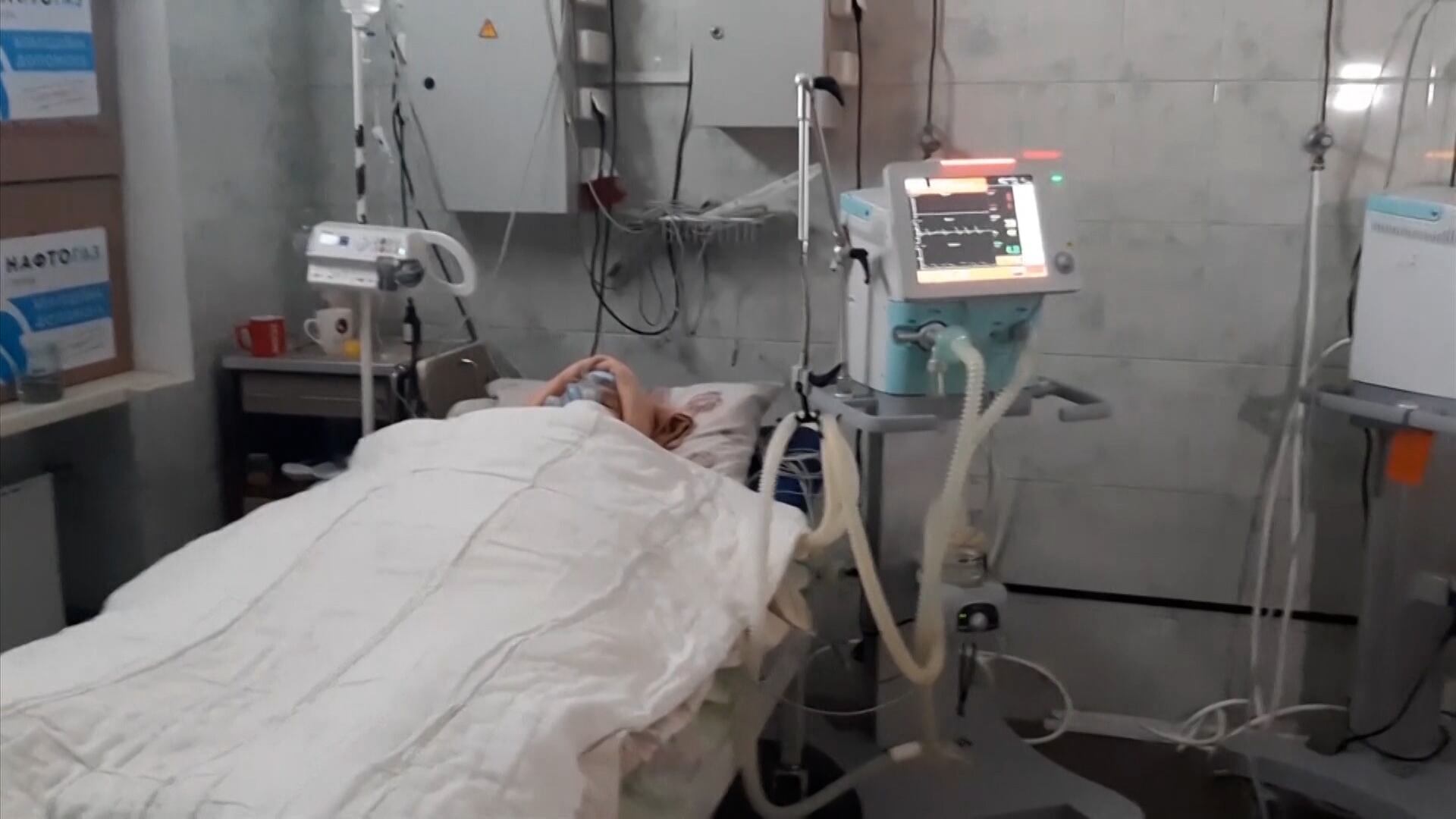
As the Russia's invasion of Ukraine continues, medical experts are worried conditions in active warzones will exacerbate the current pandemic — or even give rise to other contagions. Dr. Daniel Fagbuyi, a war veteran and former Obama administration biodefense appointee, joined Cheddar News to discuss the ongoing danger of COVID-19 on top of the war, as well as the potential for new variants to emerge. "I mean just large volumes of people definitely is a breeding ground. That's the worst case," he said. "Two things don't mix: war-conflict and a virus, a potential pandemic virus."
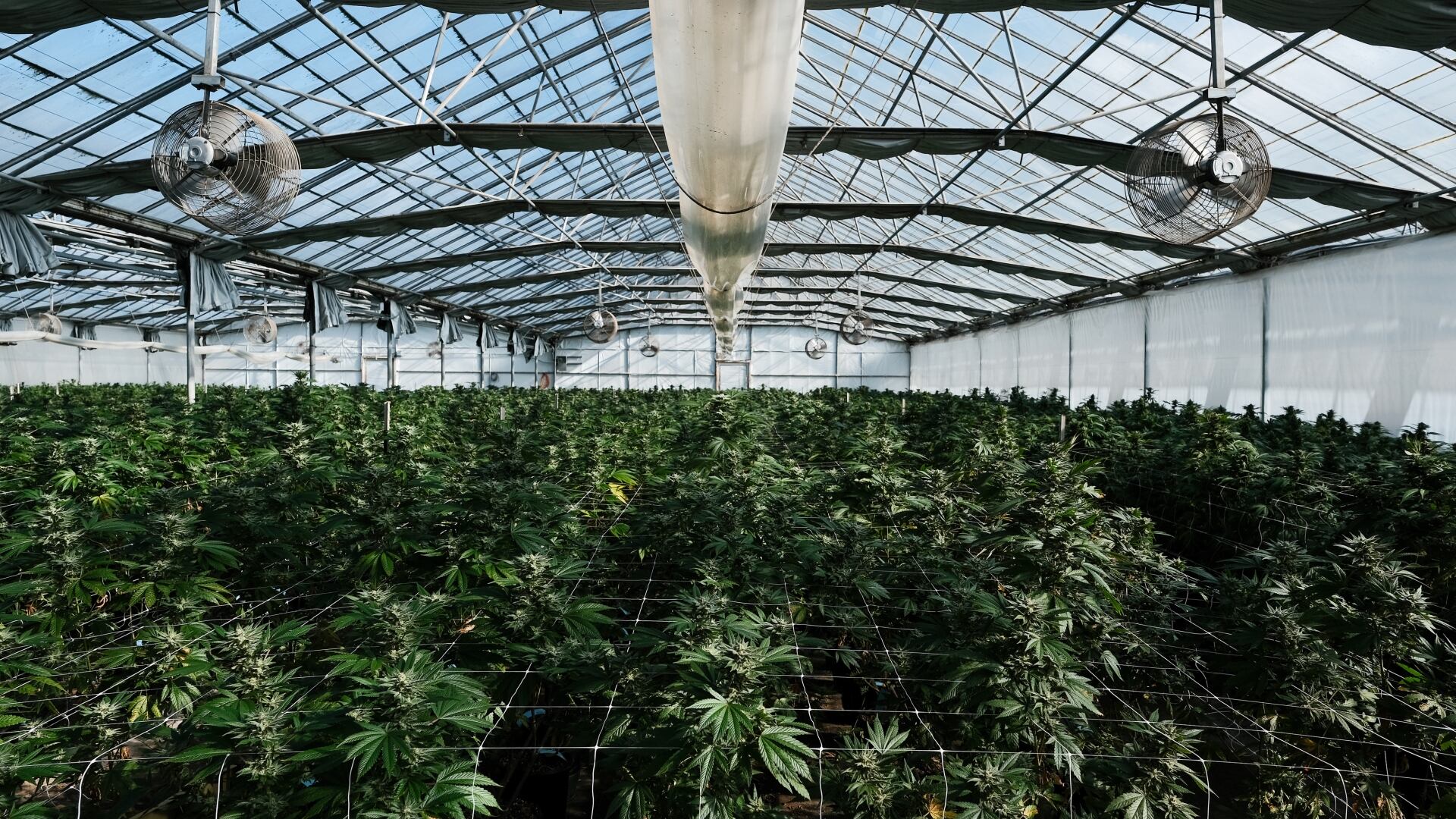
Medical cannabis company Akanda went public this week in what was the first traditional IPO of the month. Shares jumped about 163% in the stock's first day of trading. The London-based company says it hopes to supply medical cannabis products to wholesalers in international markets. Tej Virk, CEO of Akanda, joins Cheddar News' Closing Bell to discuss.