*By Madison Alworth*
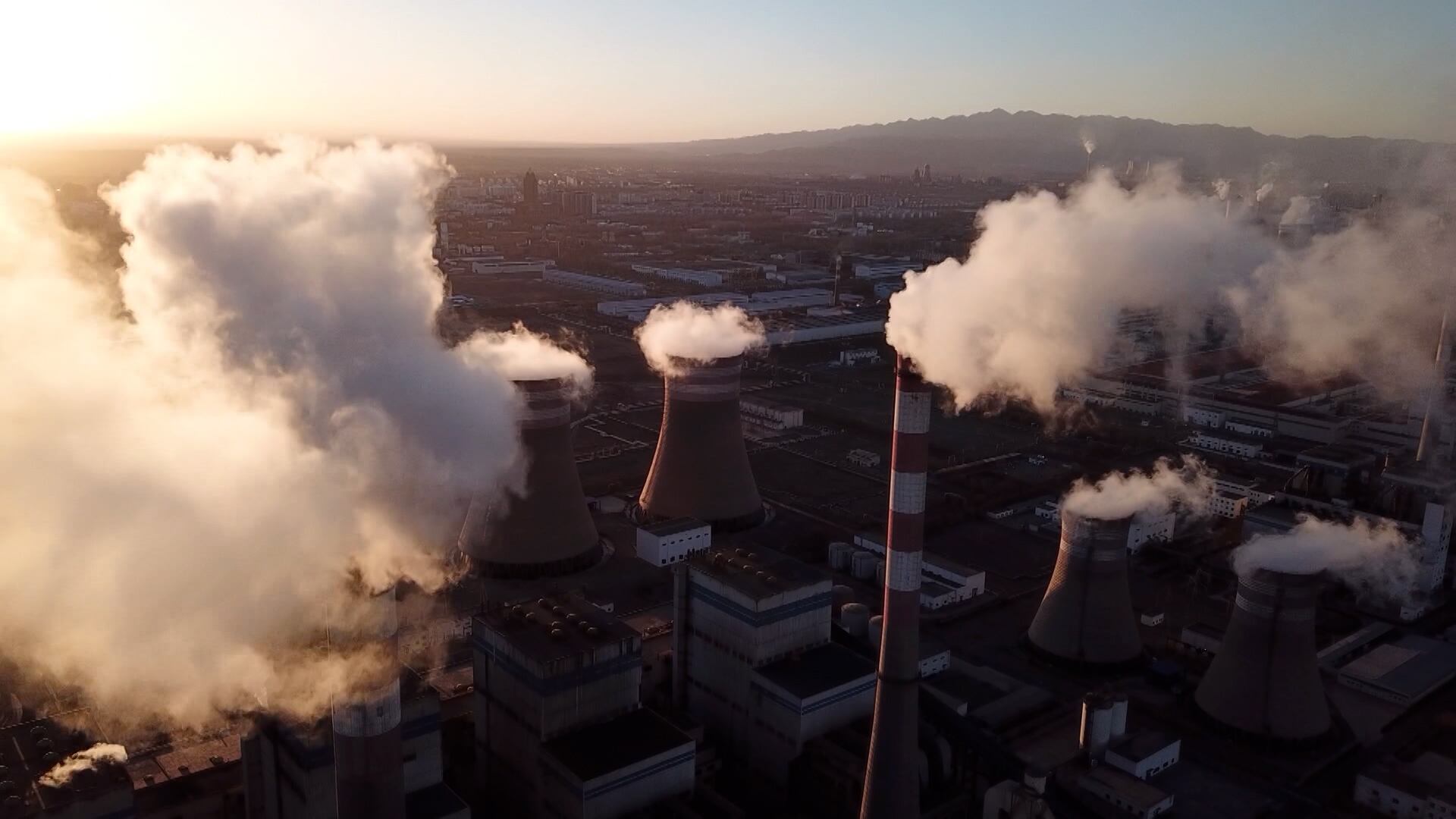
With its latest emissions policy, the Trump administration has effectively overhauled President Obama's environmental legacy, said Earther reporter Brian Kahn.
"You couple this also with the international view of dropping out of the Paris Agreement ー or at least announcing our intent to do thatーas well as what we're seeing with the Department of Interior and its attempt to lease more oil and gas drilling sites on federal land," Kahn said Tuesday in an interview on Cheddar. "Taken as a whole, these policies really signal a rapid and major change."
The administration [introduced](https://www.epa.gov/newsreleases/epa-proposes-affordable-clean-energy-ace-rule) a new rule, "Affordable Clean Energy," on Tuesday, which will roll back many of the restrictions on coal emissions that President Obama put in place.
The new plan allows individual states to regulate their coal plants' pollution rather than adhering to a federal standard.
"The Clean Power Plan was going to reduce them by about 35 percent them by 2030, and this will lead to a 1 percent decrease over that time period," Kahn said.
The new plan is largely perceived as a means to prop up the coal industry. But in a statement released Tuesday, the EPA said the rule “empowers states, promotes energy independence, and facilitates economic growth and job creation.”
"We are putting our great coal miners back to work," President Trump said during a rally in West Virginia on Tuesday night.
If the plan is enacted, Kahn said the results may be disastrous.
"So, we are going to see more carbon emissions. More importantly than that, we'll also see a lot of pollution," he said. "That will have very adverse impacts on the American public."
The administration's plan will move to an open, public comment period before it will need final approval from the president.
For full interview [click here] (https://cheddar.com/videos/trump-administration-announces-new-emission-policy).
A Freitag pod with Carlo and Baker, talking about the upcoming federal vax-or-test deadline, the most shocking upset of this week's elections, an incredible story of selflessness and Love, Hate, Ate.
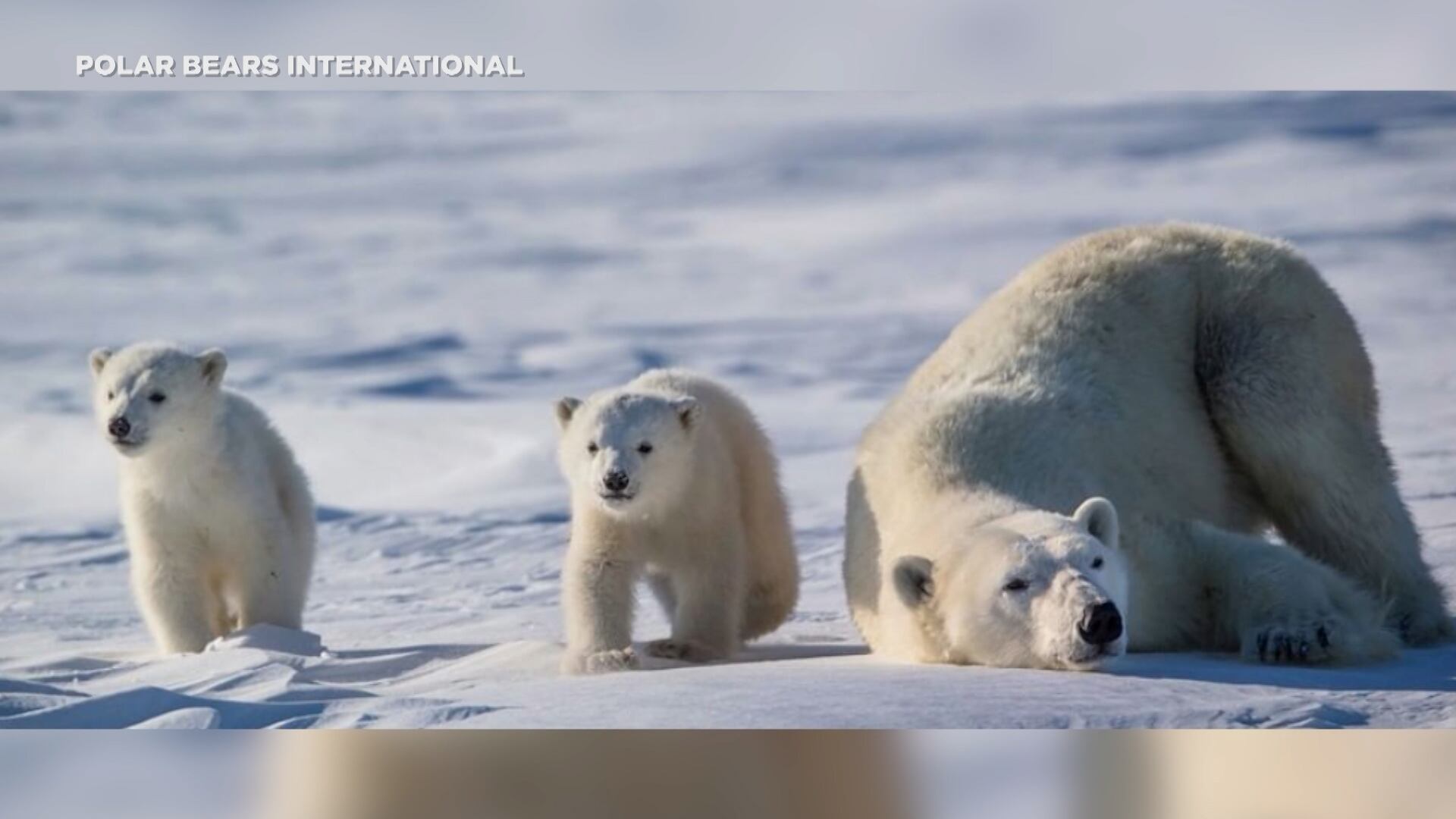
Alysa McCall, director of conservation outreach and staff scientist at Polar Bears International, joined Cheddar to discuss the ongoing fight to protect polar bears from extinction while world leaders gathered to discuss the climate crisis. McCall explained her organization's mission "to ensure the long term survival of polar bears by helping ensure their arctic sea ice habitat remains intact." McCall said she hopes actionable steps are taken after the UN climate summit to mitigate the crisis and not just more promises.
Moderna reported a massive miss on revenue in its Q3 earnings, taking in $5 billion versus the expected $6.21 billion despite sales of the COVID-19 vaccine. The pharmaceutical giant's stock dropped sharply on the news.
Carlo and Baker discuss the fallout from Tuesday's election and the flashing warning sign for Dems ahead of the midterms. Also, a big 2A case at the Supreme Court, Aaron Rodgers has Covid and is in big trouble, and a first for the MCU.
Carlo and Baker discuss the election results across the country, including a Republican comeback in Virginia -- and possibly NJ -- plus the CDC gives the go-ahead for child vaccinations, Atlanta wins the World Series and more.
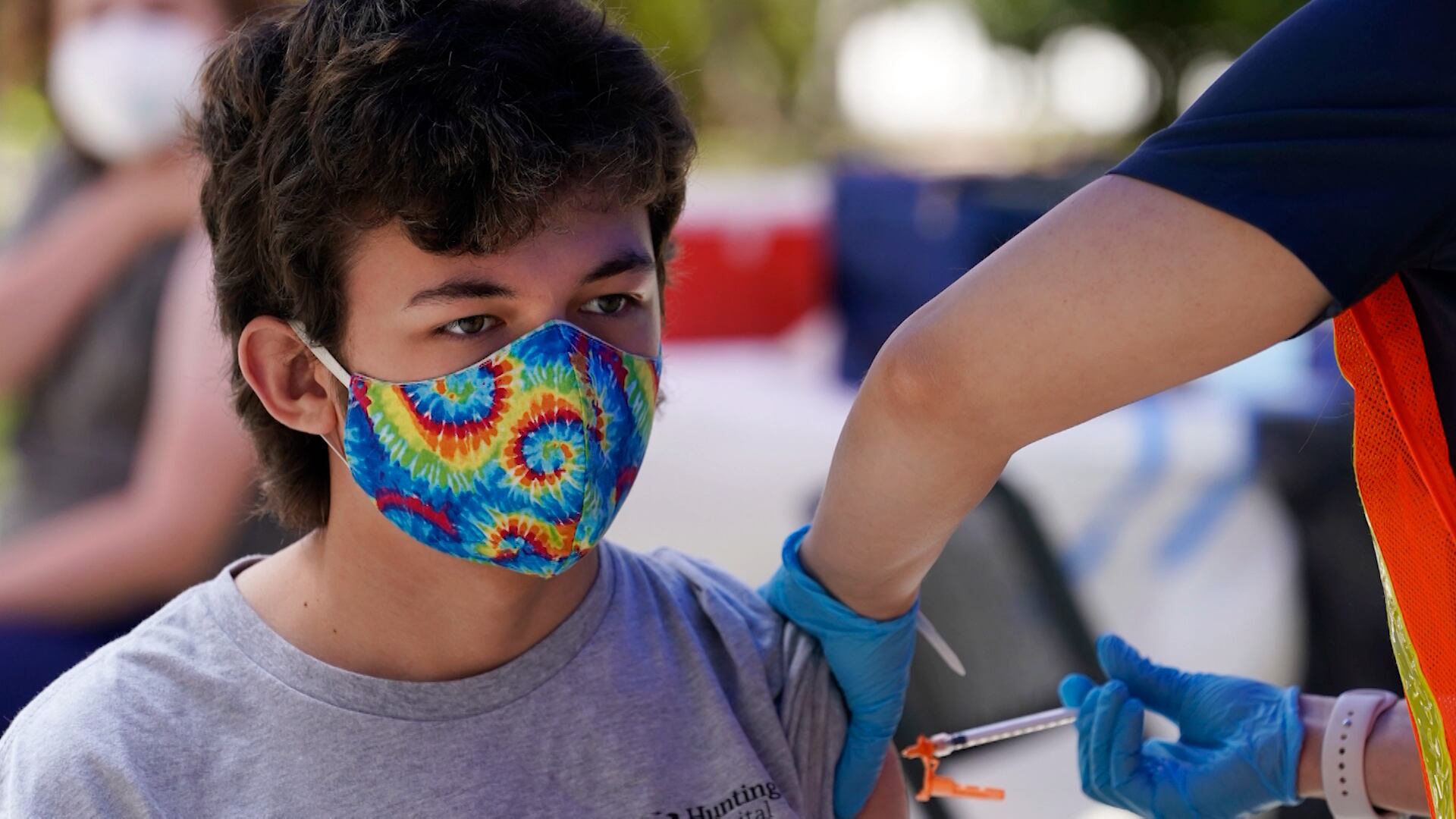
Dr. Julie Morita, executive vice president of Robert Wood Johnson Foundation, joined Cheddar to discuss the CDC advisory panel recommending the Pfizer vaccine for children ages 5-11. "We've seen many millions of children getting sick, many hospitalized, many dying because of COVID," Morita said. "And so now we have a new tool that we can use to keep our children safe." She also noted that hesitancy among parents about vaccinating their children will likely fade in time as the childhood vaccine program gets underway.
Matthew Oxenford, Analyst at the Economist Intelligence Unit, joins a special edition of Cheddar Climate, where he discusses the responsibilities big businesses across multiple sectors have when it comes to combating the effects of climate change around the world.
President Joe Biden introduced the Global Methane Pledge on the second day of the United Nations climate summit. The U.S. and the European Union will lead the way when it comes to methane emissions reductions, and close to 100 nations have also signed on. It's seen as the fastest way to slow down global warming and keep nations on track toward meeting the goal of keeping warming just 1.5 degrees Celsius above late 1800s atmospheric levels. Dr. Sweta Chakraborty, U.S. President of climate-focused startup 'We Don't Have Time' joins Cheddar Climate to discuss the importance of the Biden administration's methane regulations -- and the importance of U.S. leadership when it comes to climate issues.
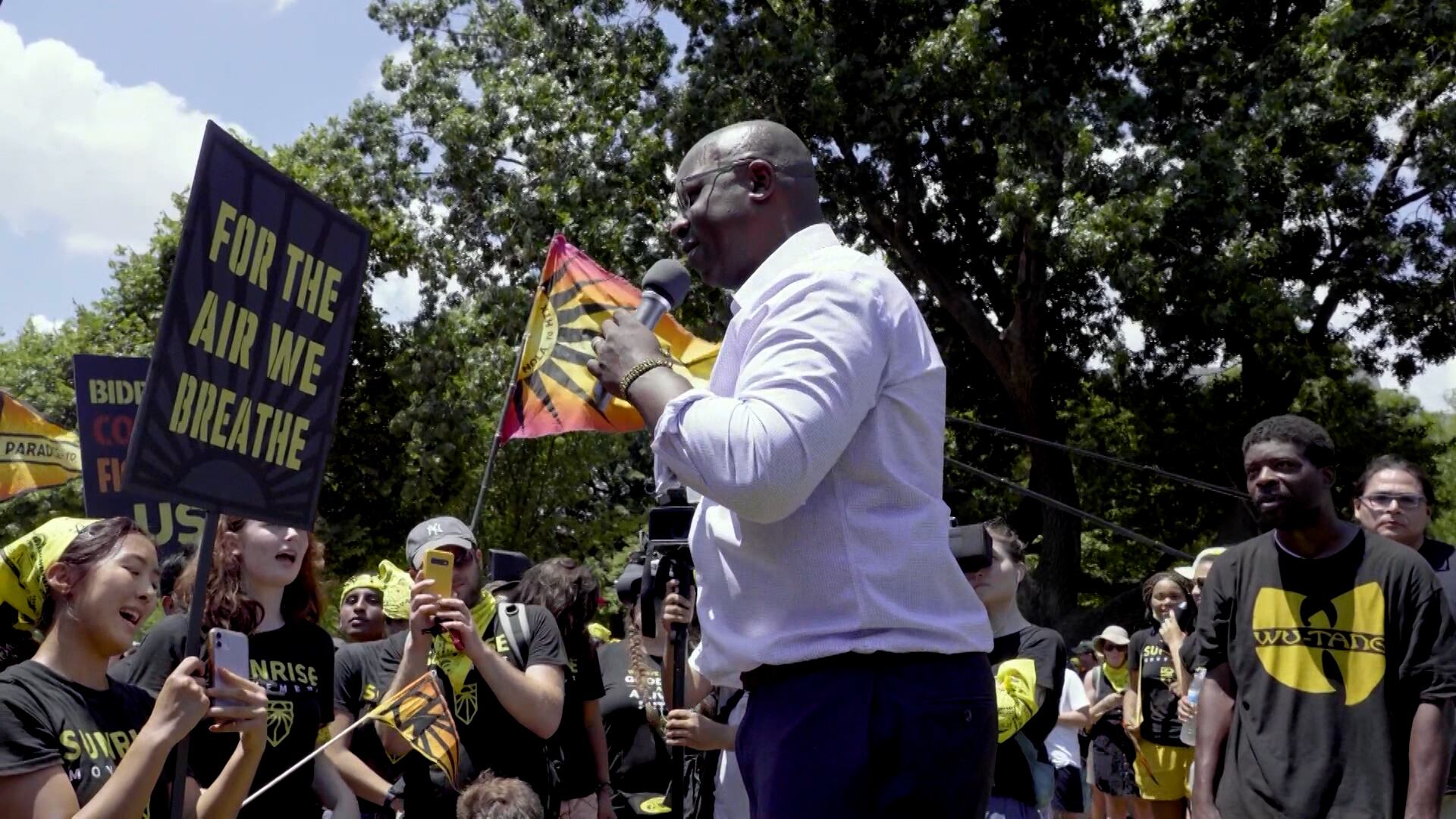
John Paul Mejia, the national spokesperson for the Sunrise Movement, joined Cheddar to talk about what the youth activist group wants to see from President Joe Biden as he attends the COP26 climate summit. Mejia admonished the president for having little to deliver on his own climate agenda domestically while at the conference. "We need the president to follow through with his promises because, frankly, it's a matter of life or death not only for communities here in the United States but also those looking to us around the world," he said.
With COP26 kicking off, roughly 120 world leaders and delegates are in Glasgow, Scotland to hold climate talks this week. As experts continue to warn about the dangers of climate change, ESG investing is more important than ever.
Georges Archibald, Head of Apex Americas at Apex Group joined Cheddar's Opening Bell to discuss.