President Trump on Wednesday reversed his position on cutting payroll taxes to spur economic growth, telling reporters on the White House lawn that "we don't need it."
The reversal comes after days of mixed messages from the administration. The White House had first denied that it was considering a cut to payroll taxes since the economy, top officials claimed, was sound. However, on Tuesday, Trump said "payroll tax is something that we think about and a lot of people would like to see that."
In another about-face on Wednesday, Trump announced that he is "not looking at a tax cut now." The remarks follow a growing number of economists who have publicly warned that a recession in the U.S. is on the horizon.
"I don't think [Trump] is particularly concerned if what he says one day disagrees with what his advisors said the day before," said Brian Brenberg, the chair of the Program in Business and Finance at The King's College. "It's classic message testing by the president" to see how the media and markets react.
Recession concerns largely emerged last week after the U.S. Treasury's yield curve inverted; in other words, short-term investments in government bonds are now expected to pay more than long-term ones. The inversion — the first since the economic collapse of 2007-2008 — sent the markets plummeting.
A survey released this week by the National Association for Business Economics also found that 74 percent of U.S. economists believe the country will go into a recession by 2021.
"We don't need [a payroll tax cut]. We have a strong economy," Trump said Wednesday.
Payroll taxes, which apply to both employers and employees, are ubiquitous in the U.S. economy and fund major federal programs like social security and medicare. The taxes were lowered as part of the economic stimulus package following the Great Recession a decade ago, and the cut was extended by President Obama in 2012. Republicans initially opposed the cut at the time, citing concern over the federal deficit.
Yet today, many economists caution against cutting payroll taxes given the country's historically low unemployment, the current strain on social security spending, and the government's growing deficit, which has ballooned under Trump following policies like the 2017 tax cuts.
"Payroll taxes are a significant source of government revenue, and payroll tax cuts have been found to have little to no impact on long-term economic growth," the Tax Foundation said on Twitter.
On Wednesday, moreover, the Congressional Budget Office said that the federal budget deficit is accelerating faster than expected. The agency updated its deficit forecast to $960 billion in 2019 and over $1 trillion in 2020.
Cutting payroll taxes, experts say, will also not address the core concerns of investors: tariffs and trade.
"Most investors are unified in believing the only thing that's really going to meaningfully change the conversation around recession is doing something on trade," Brenberg said, noting that Trump's remarks on Tuesday did little to boost the markets.
Adam Michel, a tax policy analyst at the conservative Heritage Foundation, said that "high tariffs and trade uncertainty" were the main impediments to economic progress. "If the administration wants to boost the economy, they should start there," he said.
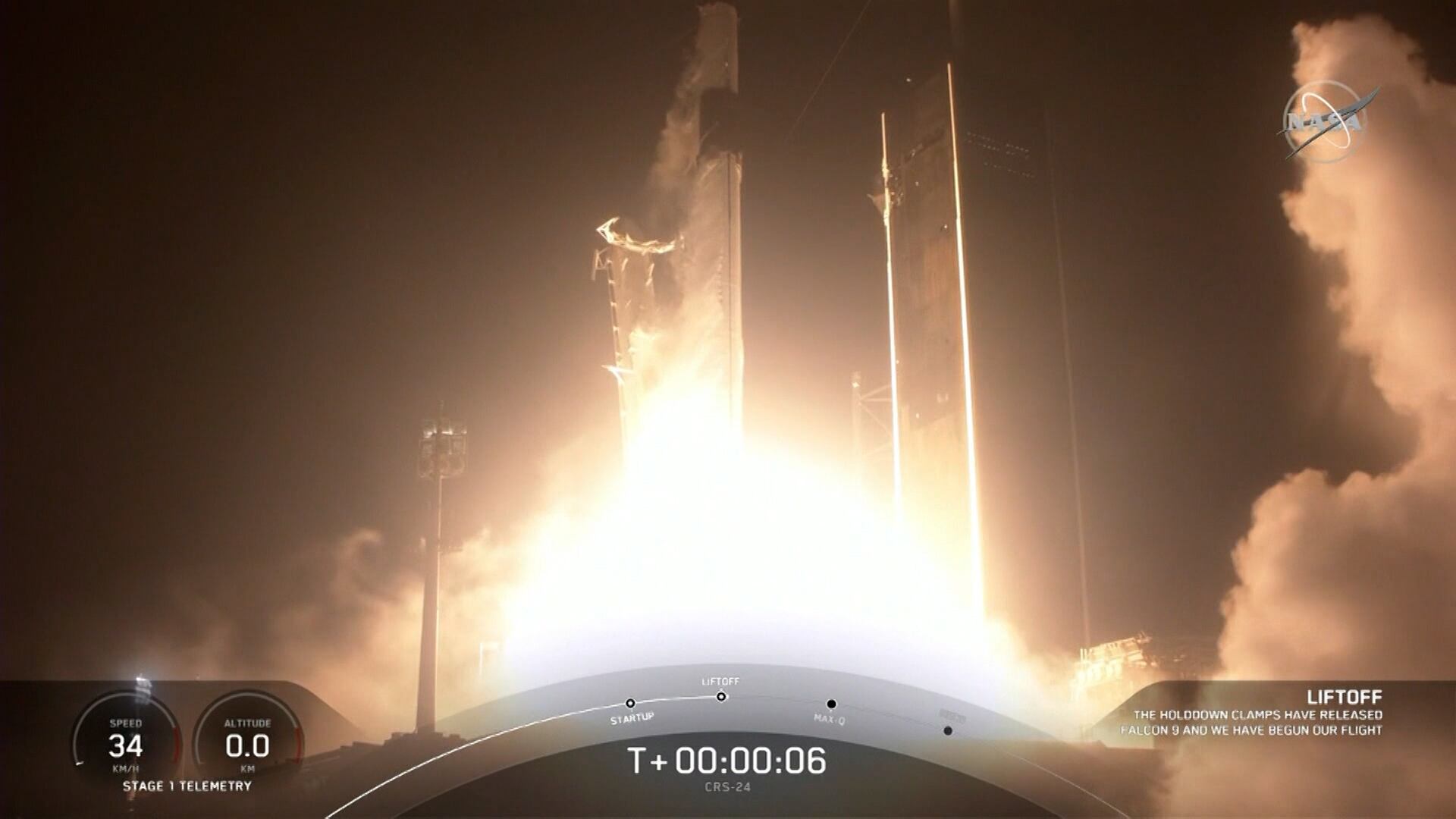
Elon Musk continues on his path to make a reusable rocket with his starship project, but it's not going to be easy. If successful, the rocket would heavily reduce launch costs, in addition to further developing Starlink, Musk’s satellite-based internet service. Rick Tumlinson, founding partner at Space Fund, spoke to Cheddar News about the future of SpaceX.
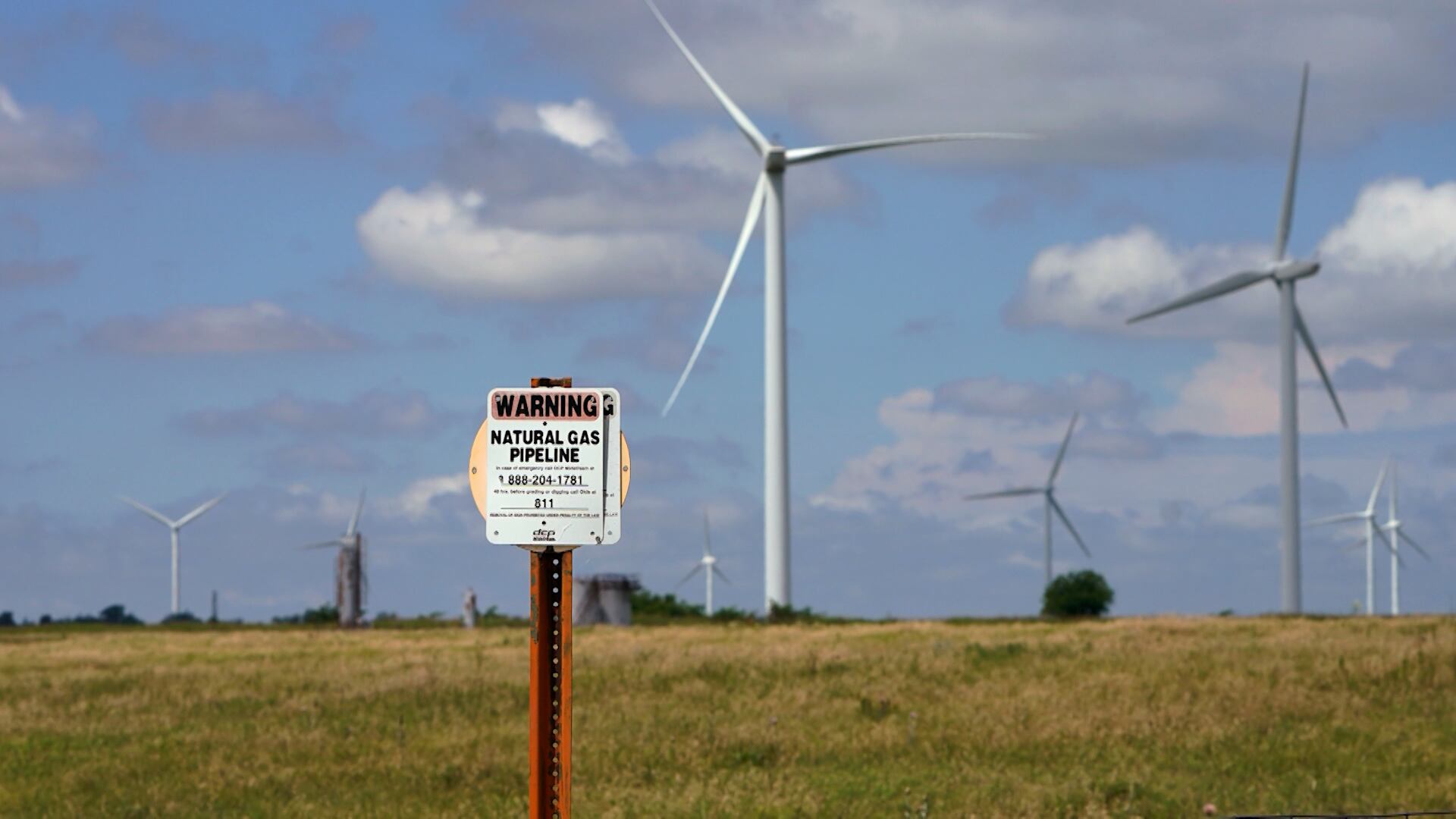
Kevin Book, Managing Director at Clearview Energy Partners, breaks down the factors that impact the price of gas and what this means for renewable energy initiatives.
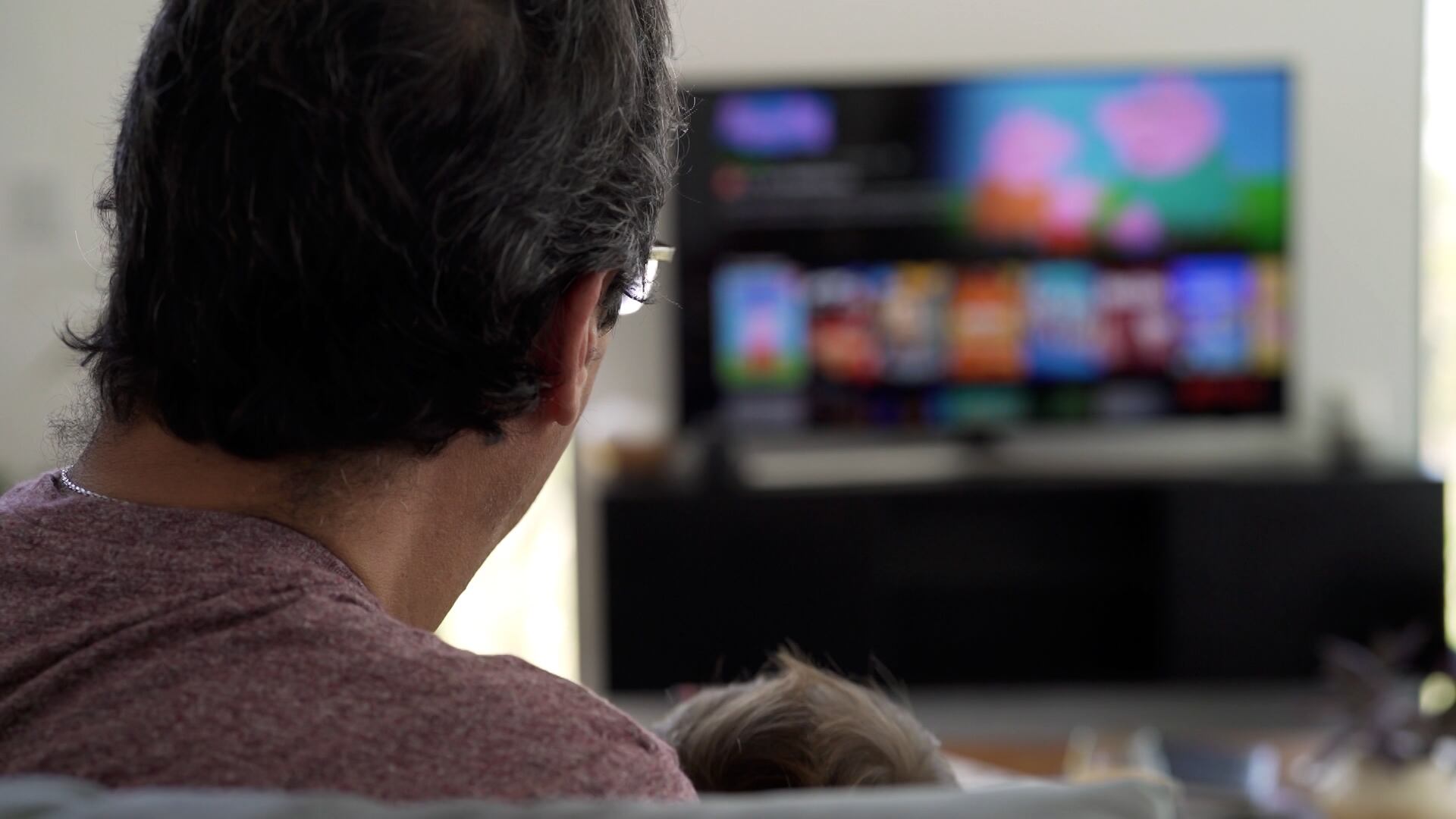
Kelsey Sutton, streaming editor at Adweek, talks about the offers going on during Disney+ Day and what the entertainment giant is doing to boost subscriber growth.
We are just one day away from what has been called the most influential tech event in the world. CES 2022 will officially kick off on Wednesday in Las Vegas, but the annual tech summit is being impacted by COVID-19, like so many other recent events. The Consumer Technology Association originally planned for a hybrid event to take place from January 5-8, with some in-person events and some virtual; however, a few big-name companies announced they will not be attending in-person, so the CTA decided to shorten the event by one day, with it now ending on Friday. Consumer electronics senior analyst Will Greenwald joins Cheddar News' Closing Bell to discuss.
Stocks closed mixed Tuesday, with the Dow hitting a record close, but the tech-heavy Nasdaq remained under pressure as bond yields continue to rise. Meanwhile, the S&P 500 closed lower, just shy of a record high. Nancy Prial, Co-CEO & Senior Portfolio Manager of Essex Investment Management joins Cheddar News' Closing Bell to discuss today's close, market predictions for 2022, and more.
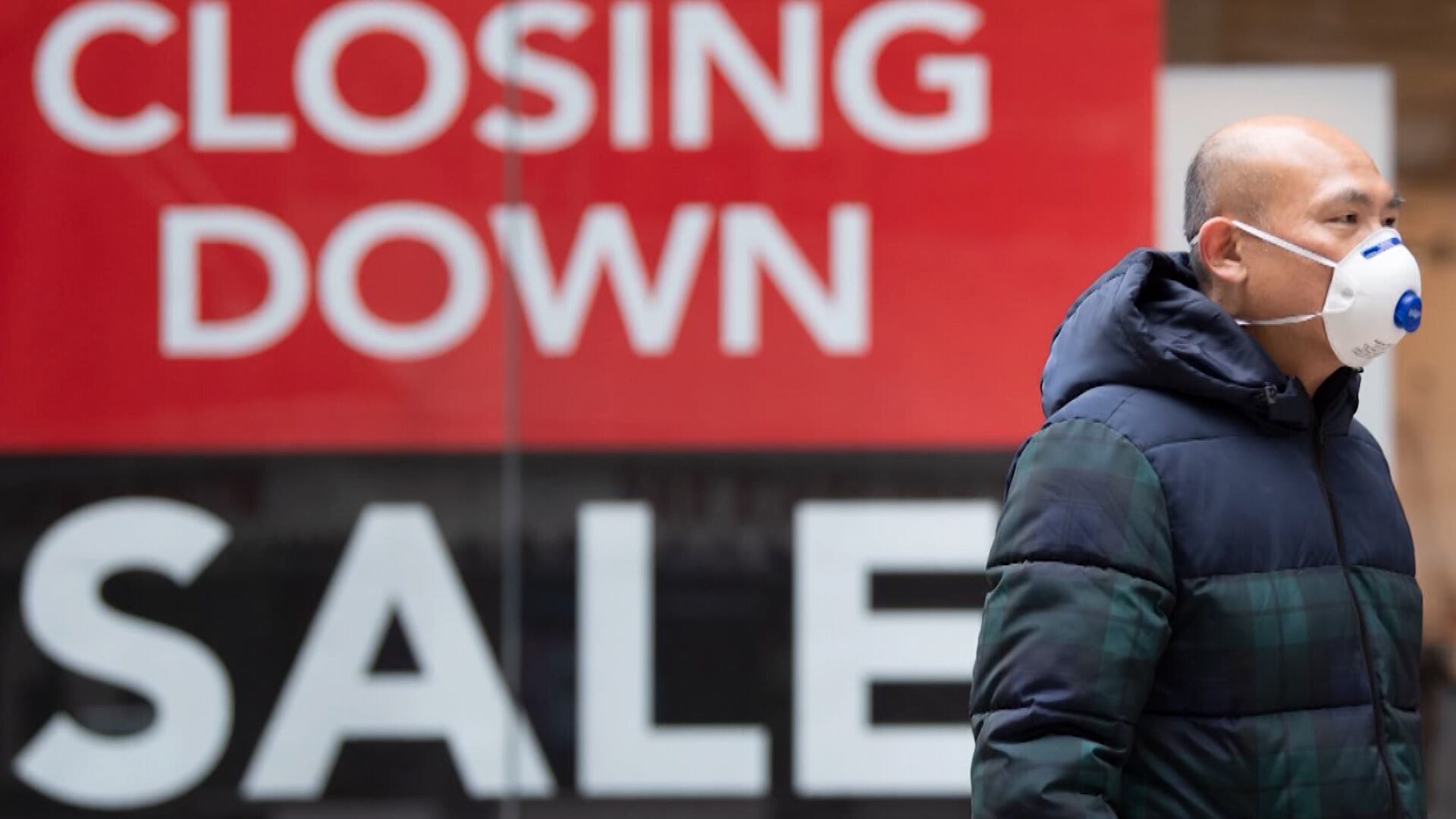
This year - for the first time in five years - store openings might actually top announced store closings. Reports show that we're seeing companies opening up new locations by the dozens, and by the hundreds. The need for customers to touch and feel its' products is only one factor in the equation. John Harmon, senior analyst at Coresight Research, joins Cheddar News' Closing Bell to discuss.
Harry Yeh, Managing Director at Quantum Fintech Group, joins Cheddar News' Closing Bell, where he explains why his firm has a target estimate of $400,000 for Bitcoin this year.
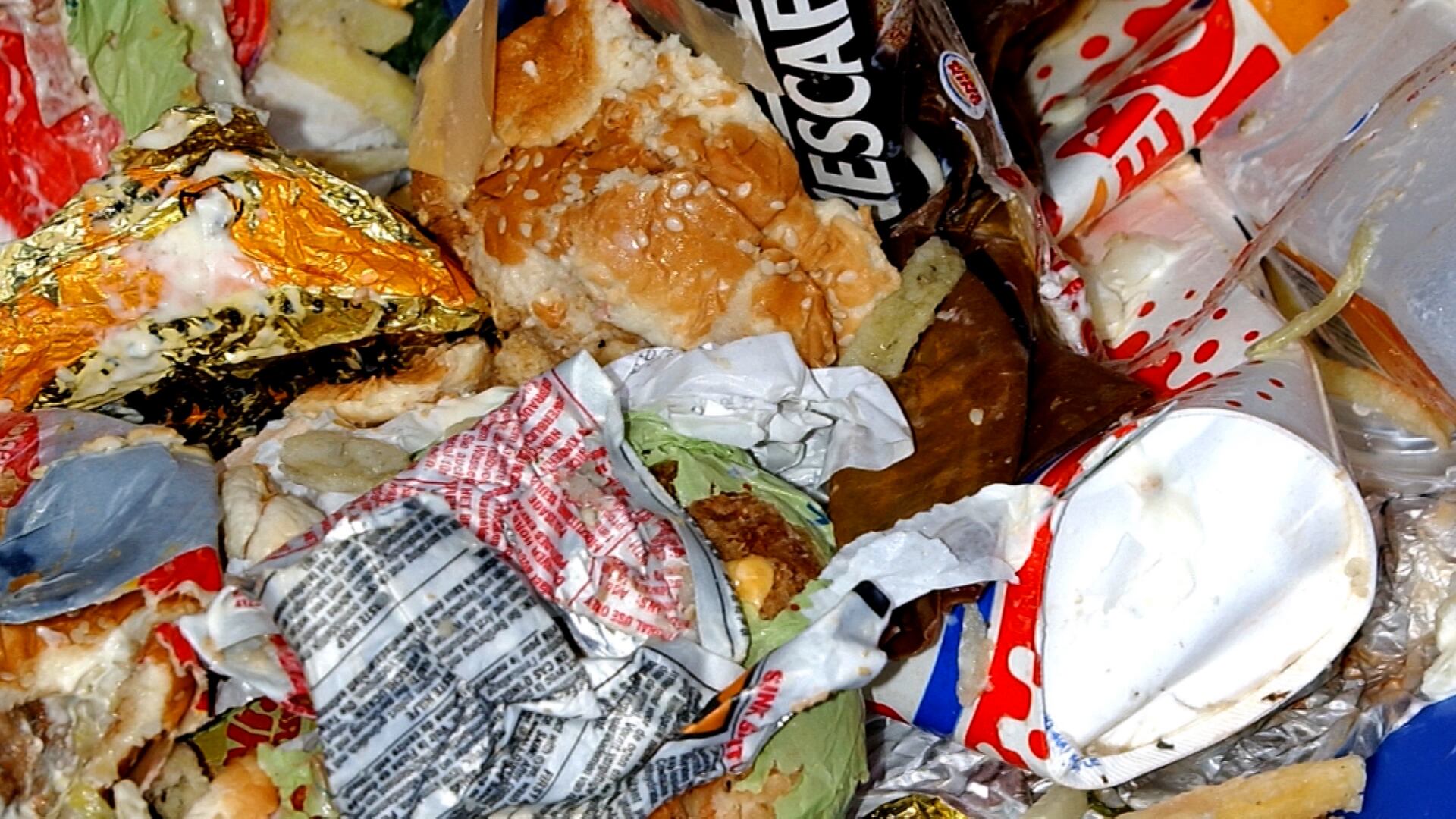
California's new composting law will affect what residents do in their kitchens. As of this week, Californians will have to recycle excess food in an effort to reduce emissions caused by food waste. Cities and counties will turn recycled food into compost or use it as a renewable energy source. California's new law is the largest mandatory residential food waste recycling program in the country. Rachel Wagoner, Director of the California Department of Resources, Recycling and Recovery called the law 'the biggest change to trash' since recycling started in the 1980s. She joined Cheddar Climate to discuss.
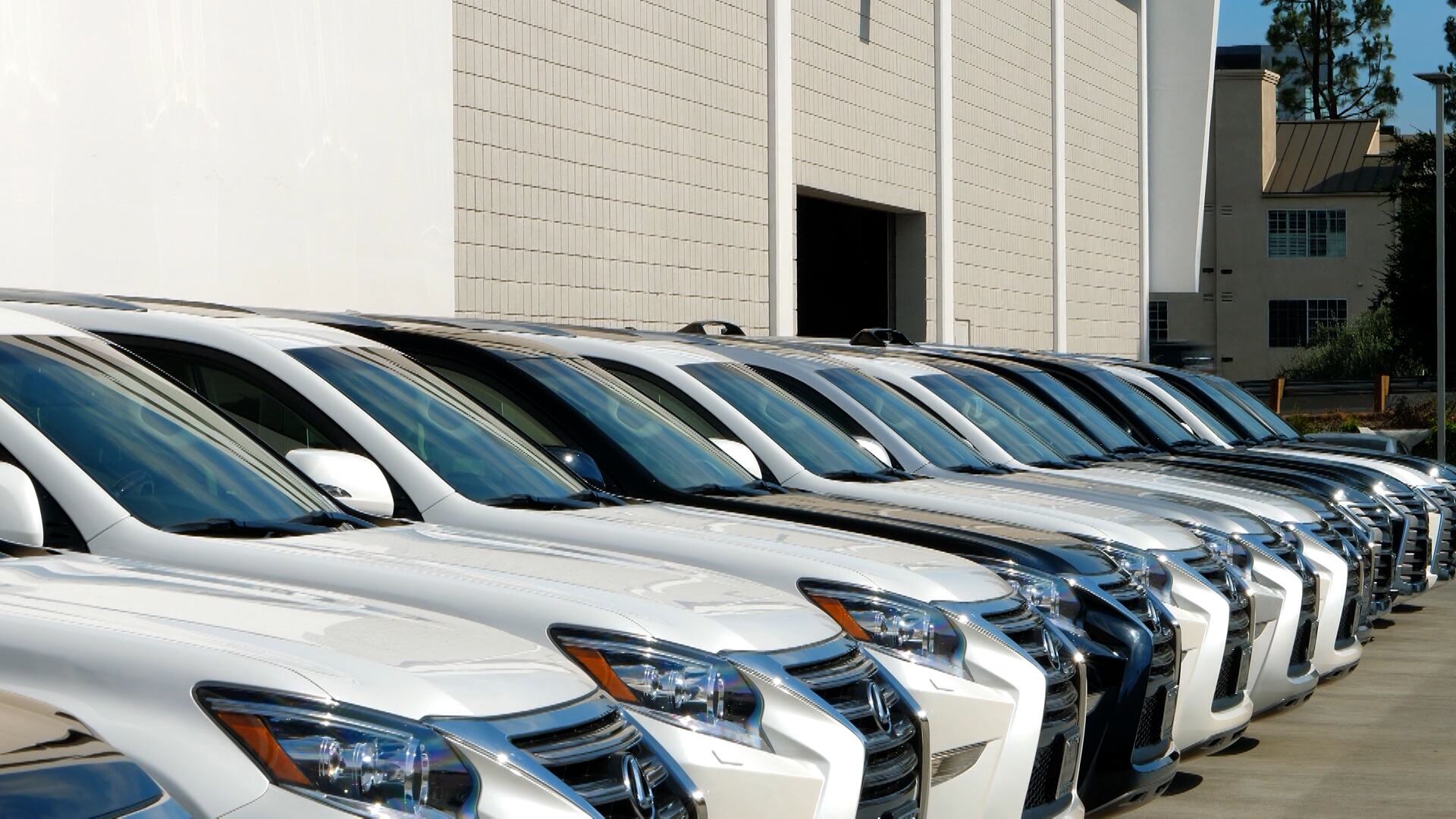
Like the big changeover to e-commerce for retail, the COVID-19 pandemic has moved car buying trends to the digital showroom. Karl Brauer, an executive analyst at iSeeCars.com, joined Cheddar to talk about the "mindset shift" in consumers and businesses to order-based systems in the United States (something more common in other countries). While more than 60 percent of consumers still prefer to visit dealerships in-person, Brauer noted that consumers are better off ordering a car to spec, which would also help improve supply constraints. "It's really bad right now to be building cars and not really knowing who's going to buy them or when they're going to sell," he said. Manufacturing a car to order would maximize the efficiency of obtaining materials through the supply chain rather than "shotgunning it" at dealerships.