President Trump on Wednesday reversed his position on cutting payroll taxes to spur economic growth, telling reporters on the White House lawn that "we don't need it."
The reversal comes after days of mixed messages from the administration. The White House had first denied that it was considering a cut to payroll taxes since the economy, top officials claimed, was sound. However, on Tuesday, Trump said "payroll tax is something that we think about and a lot of people would like to see that."
In another about-face on Wednesday, Trump announced that he is "not looking at a tax cut now." The remarks follow a growing number of economists who have publicly warned that a recession in the U.S. is on the horizon.
"I don't think [Trump] is particularly concerned if what he says one day disagrees with what his advisors said the day before," said Brian Brenberg, the chair of the Program in Business and Finance at The King's College. "It's classic message testing by the president" to see how the media and markets react.
Recession concerns largely emerged last week after the U.S. Treasury's yield curve inverted; in other words, short-term investments in government bonds are now expected to pay more than long-term ones. The inversion — the first since the economic collapse of 2007-2008 — sent the markets plummeting.
A survey released this week by the National Association for Business Economics also found that 74 percent of U.S. economists believe the country will go into a recession by 2021.
"We don't need [a payroll tax cut]. We have a strong economy," Trump said Wednesday.
Payroll taxes, which apply to both employers and employees, are ubiquitous in the U.S. economy and fund major federal programs like social security and medicare. The taxes were lowered as part of the economic stimulus package following the Great Recession a decade ago, and the cut was extended by President Obama in 2012. Republicans initially opposed the cut at the time, citing concern over the federal deficit.
Yet today, many economists caution against cutting payroll taxes given the country's historically low unemployment, the current strain on social security spending, and the government's growing deficit, which has ballooned under Trump following policies like the 2017 tax cuts.
"Payroll taxes are a significant source of government revenue, and payroll tax cuts have been found to have little to no impact on long-term economic growth," the Tax Foundation said on Twitter.
On Wednesday, moreover, the Congressional Budget Office said that the federal budget deficit is accelerating faster than expected. The agency updated its deficit forecast to $960 billion in 2019 and over $1 trillion in 2020.
Cutting payroll taxes, experts say, will also not address the core concerns of investors: tariffs and trade.
"Most investors are unified in believing the only thing that's really going to meaningfully change the conversation around recession is doing something on trade," Brenberg said, noting that Trump's remarks on Tuesday did little to boost the markets.
Adam Michel, a tax policy analyst at the conservative Heritage Foundation, said that "high tariffs and trade uncertainty" were the main impediments to economic progress. "If the administration wants to boost the economy, they should start there," he said.
The value of most cryptocurrencies have plummeted in recent months since reaching all-time highs in November, wiping out more than $1 trillion in value globally. The steep crash has some talking about the possibility of a crypto winter, a term referring to a prolonged bearish period where asset prices persistently fall over many months. This all comes as the Fed is expected to raise interest rates, and the Biden administration is working on an executive order to regulate Bitcoin and other assets. Josh Goodbody, COO of Qredo, joined Cheddar's Opening Bell to discuss the crypto crash, and how the industry might recover from it.
Logitech posted better-than-expected earnings in its third quarter, reporting sales of $1.63 billion dollars, down 2% from the year ago quarter, but well ahead of the Wall Street consensus of $1.48 billion dollars. The PC and gaming peripherals company also raised its annual guidance for both sales and profitability. Bracken Darrell, Logitech CEO, joined Cheddar to break down his reaction to the results, how the pandemic played a role in its growth, and where he wants to take the company next.
Starbucks is scheduled to report its fiscal first quarter 2022 earnings Tuesday, February 1 after the bell. The coffee giant is expected to report revenue of nearly $8 billion and earnings per share of 79 cents. Starbucks has seen a solid recovery in demand since the beginning of pandemic lockdowns, but is now facing a unionization push, labor shortage, and the Omicron variant. Thomas Hayes, chairman of Great Hill Capital, joined Cheddar's Opening Bell to give a preview of Starbucks earnings.
GM is scheduled to report its Q4 earnings after the bell on Tuesday February 1. Wall Street expects a miss as the automaker navigates the global chip shortage, which has hit car sales hard. Investors are looking for an update on production, as well as outlook for the electric vehicles that GM is investing billions to bring to market. Karl Brauer, executive analyst at iseecars.com, joined Cheddar to give a preview of the automaker's report.
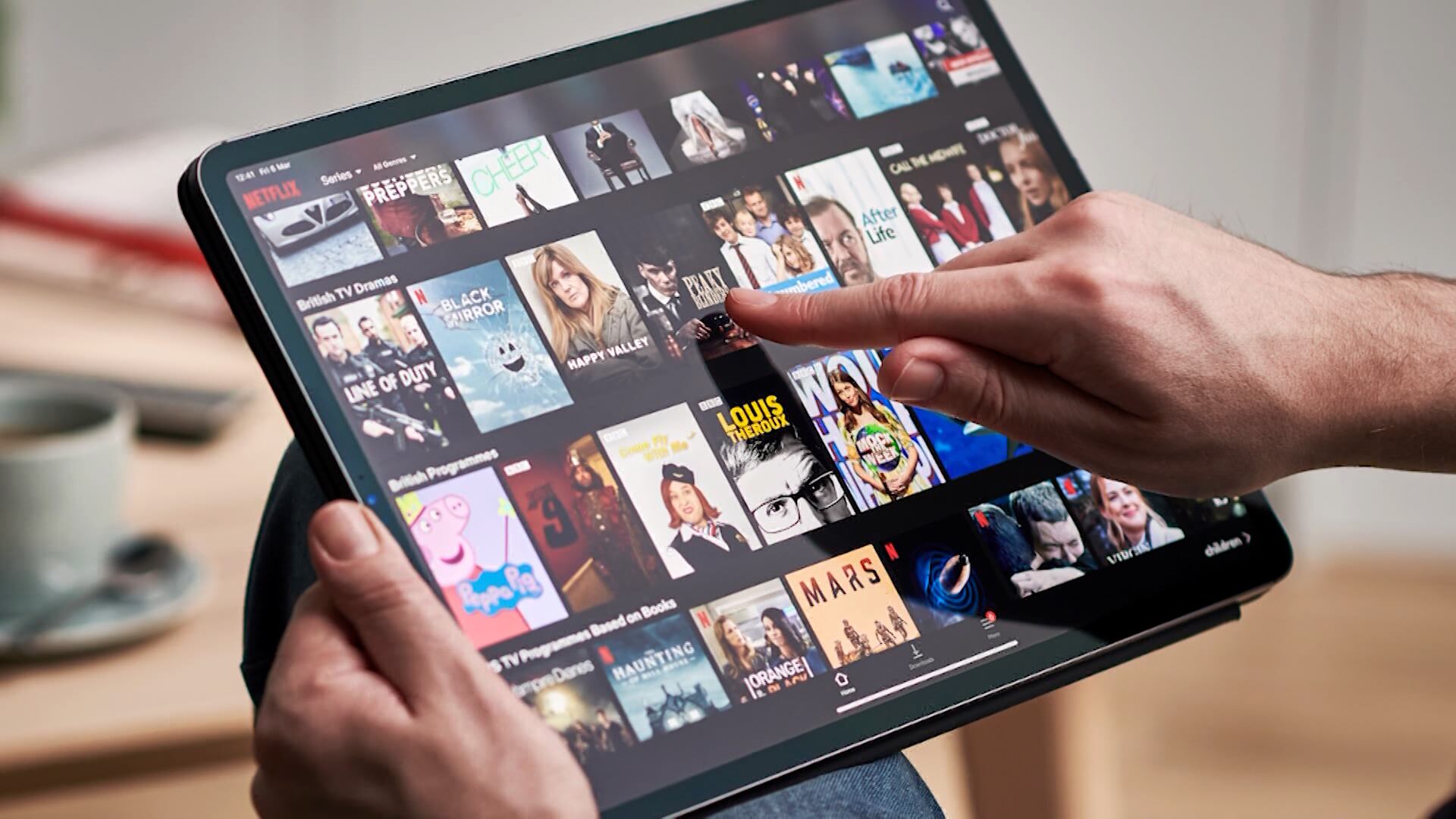
Recent data reveals that streaming giants are struggling to retain subscribers in the months following a major release.
According to data from Antenna, subscriber trends show that users will subscribe to a given streaming service just to watch a particular show, and then cancel those subscriptions shortly after. This comes as the streaming space continues to heat up as new entrants crowd the space. Jon Christian, Founding Partner + Digital Supply Chain Leader at OnPrem joined Cheddar's Opening Bell to discuss.
As airlines continues to face massive pilot shortages, United Airlines is opening a training academy for future pilots. United projects that the academy will train around 5,000 new pilots by 2030. David Slotnick, Senior Aviation Business Reporter at The Points Guy joined Cheddar's Opening Bell to discuss.
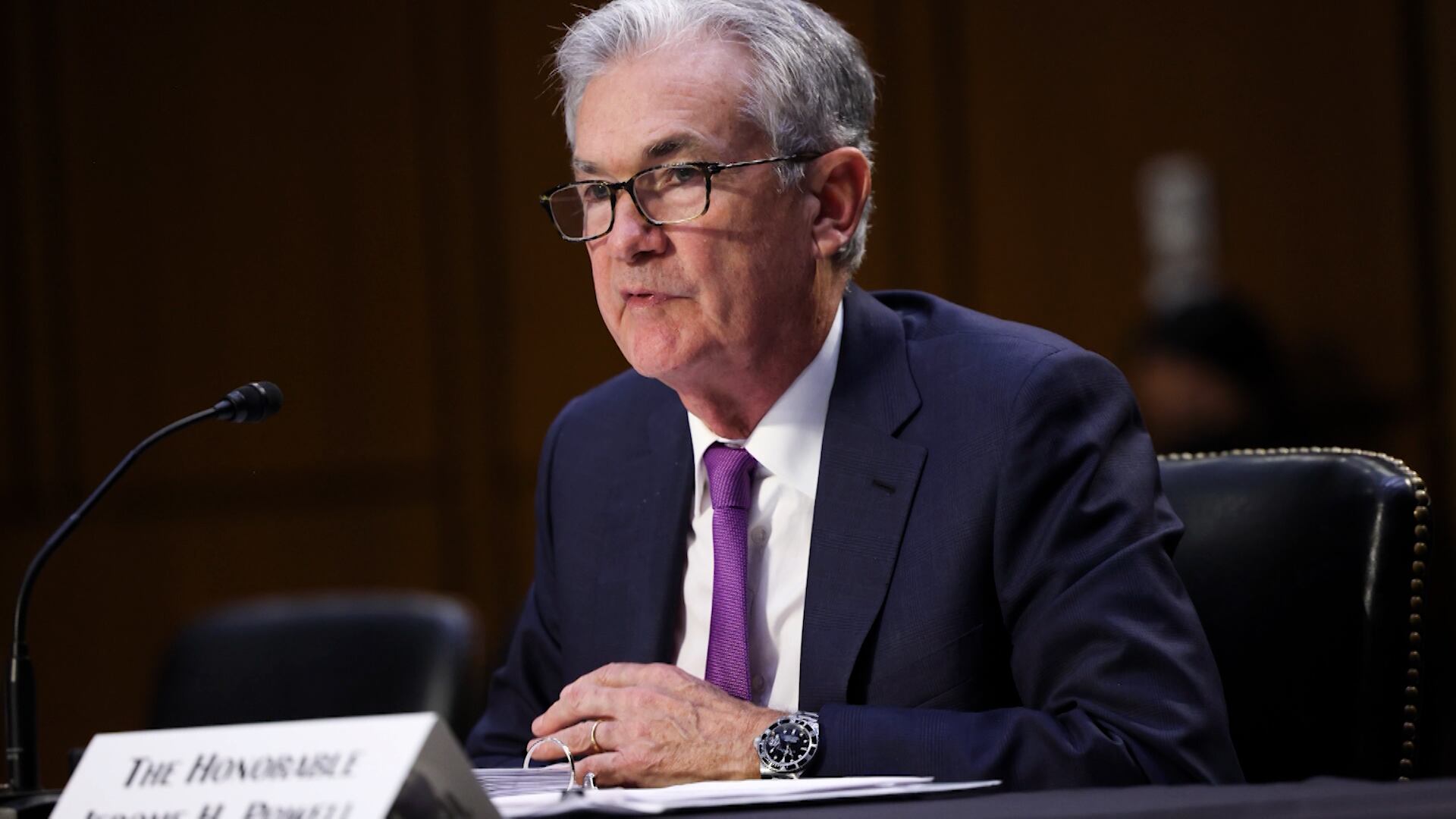
Stocks opening mostly higher to close out a wild week on Wall Street. It comes as investors continue to digest comments from the Federal Reserve, as well as the latest slew of earnings. Gene Goldman, Chief Investment Officer at Cetera, joined Cheddar's Opening Bell to discuss.
Jim Lacamp, Senior VP of Investments at Morgan Stanley, recaps the headwinds markets faced over the last four weeks and what to expect from this month's Jobs report.
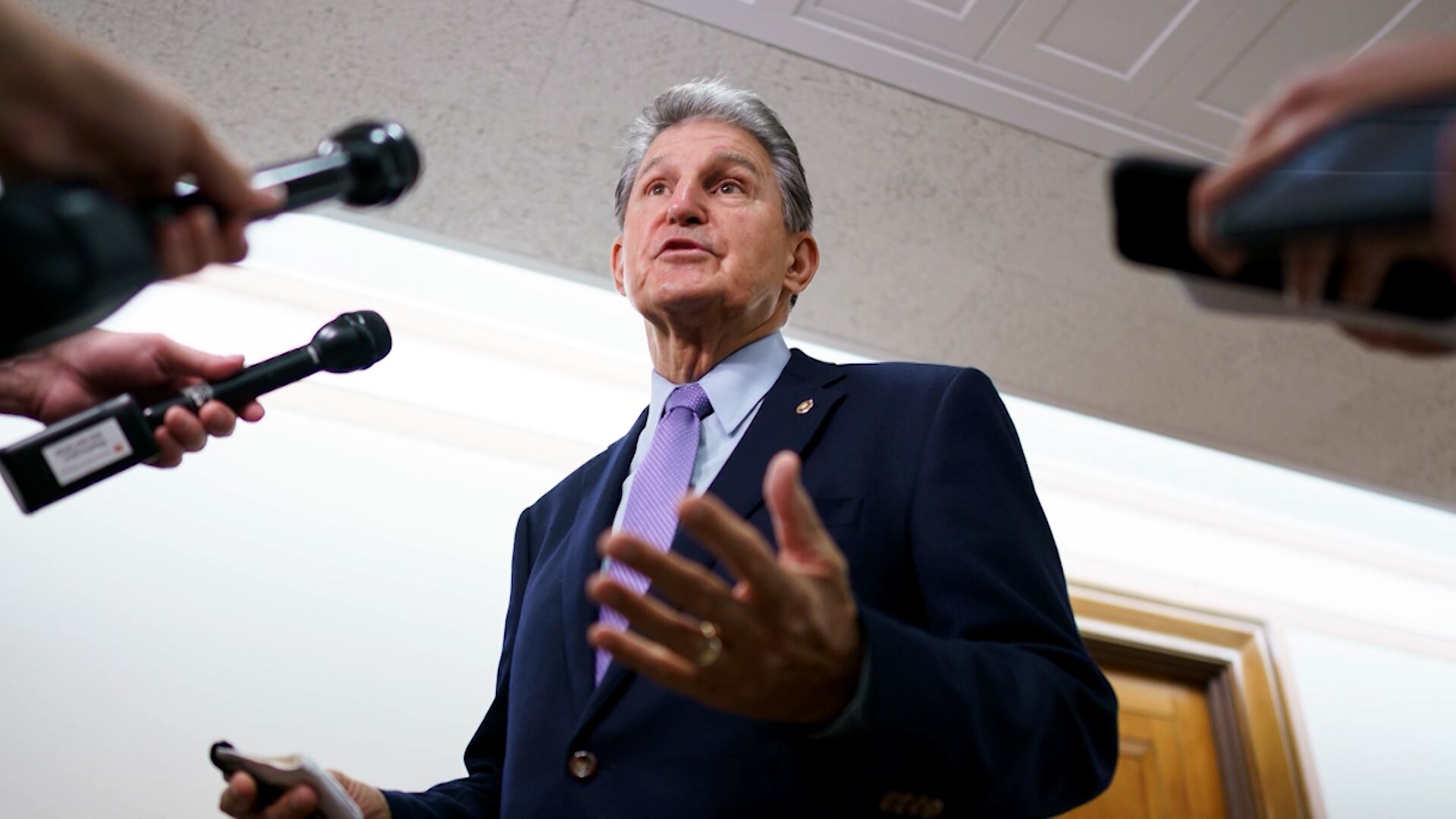
Stephanie Akin, Politics Reporter for CQ Roll Call, breaks down
Senator Manchin's donation pool, and highlights what this support means for the conservative Democrat as well as the Republican party.
Julie Gillespie, Trading Analyst at TipRanks, breaks down Apple's record-breaking quarter and highlights areas of the business where the tech giant may see potential growth throughout the year.