President Trump on Wednesday reversed his position on cutting payroll taxes to spur economic growth, telling reporters on the White House lawn that "we don't need it."
The reversal comes after days of mixed messages from the administration. The White House had first denied that it was considering a cut to payroll taxes since the economy, top officials claimed, was sound. However, on Tuesday, Trump said "payroll tax is something that we think about and a lot of people would like to see that."
In another about-face on Wednesday, Trump announced that he is "not looking at a tax cut now." The remarks follow a growing number of economists who have publicly warned that a recession in the U.S. is on the horizon.
"I don't think [Trump] is particularly concerned if what he says one day disagrees with what his advisors said the day before," said Brian Brenberg, the chair of the Program in Business and Finance at The King's College. "It's classic message testing by the president" to see how the media and markets react.
Recession concerns largely emerged last week after the U.S. Treasury's yield curve inverted; in other words, short-term investments in government bonds are now expected to pay more than long-term ones. The inversion — the first since the economic collapse of 2007-2008 — sent the markets plummeting.
A survey released this week by the National Association for Business Economics also found that 74 percent of U.S. economists believe the country will go into a recession by 2021.
"We don't need [a payroll tax cut]. We have a strong economy," Trump said Wednesday.
Payroll taxes, which apply to both employers and employees, are ubiquitous in the U.S. economy and fund major federal programs like social security and medicare. The taxes were lowered as part of the economic stimulus package following the Great Recession a decade ago, and the cut was extended by President Obama in 2012. Republicans initially opposed the cut at the time, citing concern over the federal deficit.
Yet today, many economists caution against cutting payroll taxes given the country's historically low unemployment, the current strain on social security spending, and the government's growing deficit, which has ballooned under Trump following policies like the 2017 tax cuts.
"Payroll taxes are a significant source of government revenue, and payroll tax cuts have been found to have little to no impact on long-term economic growth," the Tax Foundation said on Twitter.
On Wednesday, moreover, the Congressional Budget Office said that the federal budget deficit is accelerating faster than expected. The agency updated its deficit forecast to $960 billion in 2019 and over $1 trillion in 2020.
Cutting payroll taxes, experts say, will also not address the core concerns of investors: tariffs and trade.
"Most investors are unified in believing the only thing that's really going to meaningfully change the conversation around recession is doing something on trade," Brenberg said, noting that Trump's remarks on Tuesday did little to boost the markets.
Adam Michel, a tax policy analyst at the conservative Heritage Foundation, said that "high tariffs and trade uncertainty" were the main impediments to economic progress. "If the administration wants to boost the economy, they should start there," he said.
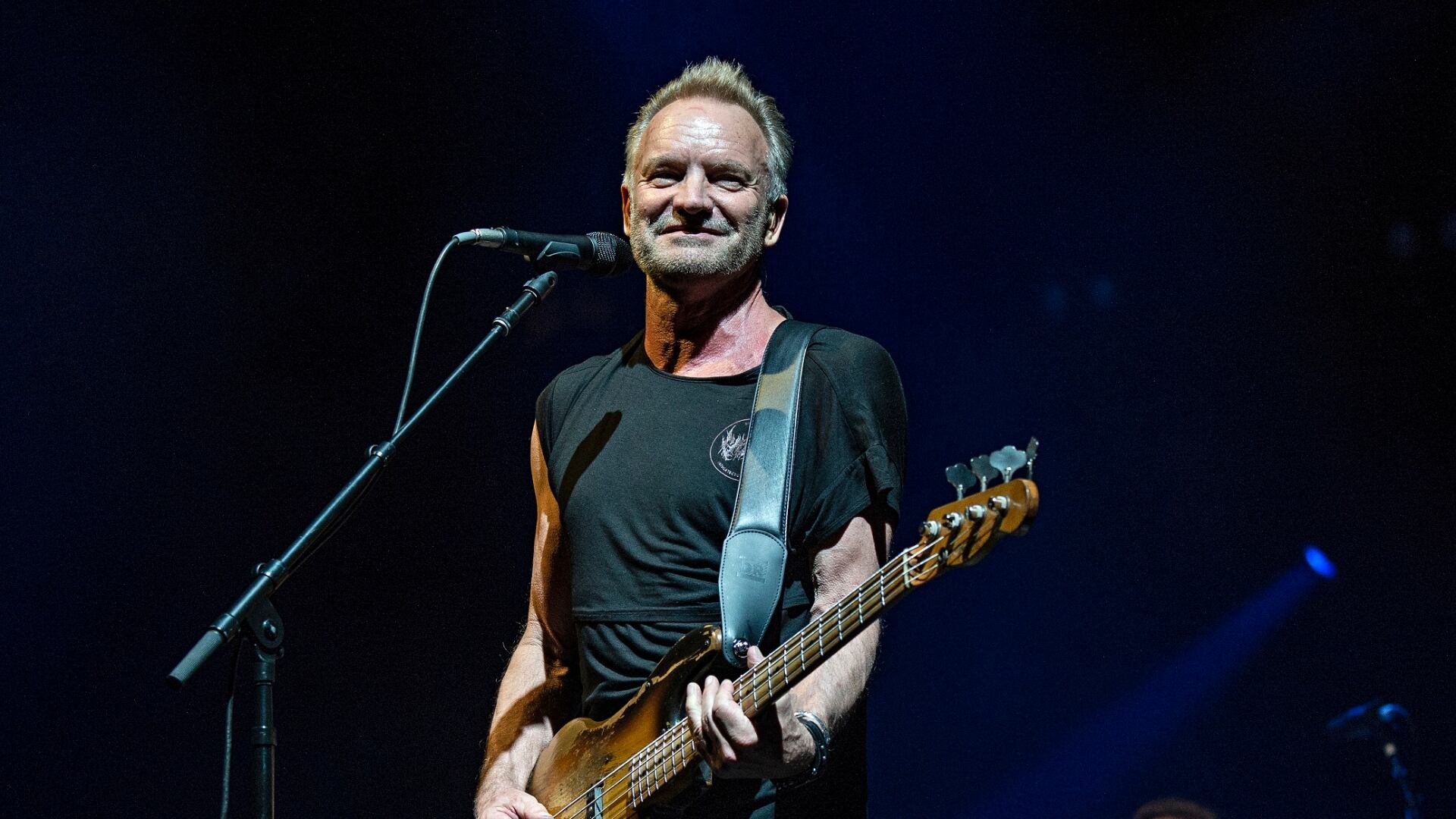
Sting has sold his catalog of more than 600 songs for $300 million to Universal Music. The deal gives the label the rights to all of his work, including “Every Breath You Take," as well as all future royalties.
Miller Lite is opening the first branded bar in the metaverse, by way of Decentraland, as a way to advertise during the Super Bowl this year without buying an expensive TV commercial slot. Sofia Colucci, global vice president of Miller Family of Brands, joined Cheddar to talk about the new marketing concept. "We have a lot of great partnerships with NFL teams throughout the year but were shut out of advertising during the Super Bowl game, so this pushes us to think creatively and also think of what feels really relevant right now," Colucci said. "There's no question that there's a lot of excitement with the metaverse, and we wanted to participate but in a way that felt right for Miller Lite."
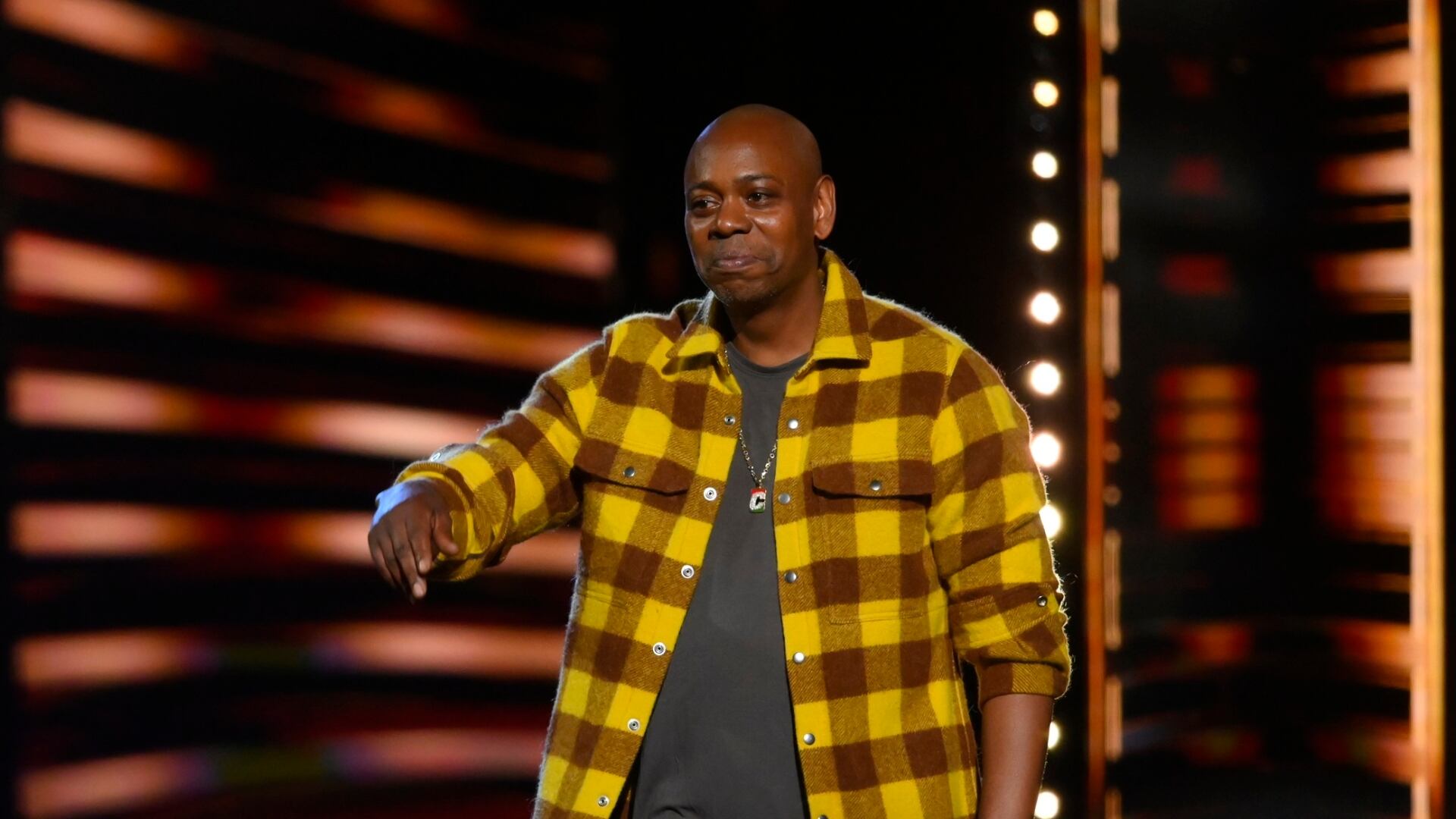
Plans to add affordable housing to a development in Yellow Springs, Ohio, were squashed after comedian Dave Chappelle and other community members spoke out against the project. Chappelle threatened to pull the plug on his local comedy club and restaurant projects if the development had been approved.
Jason Moser, Senior Analyst at The Motley Fool, joined Wake Up With Cheddar to talk about the big takeaways from Disney's Q1 report, which showed the company nearing 130 million Disney+ subscribers as parks revenue ticks up.
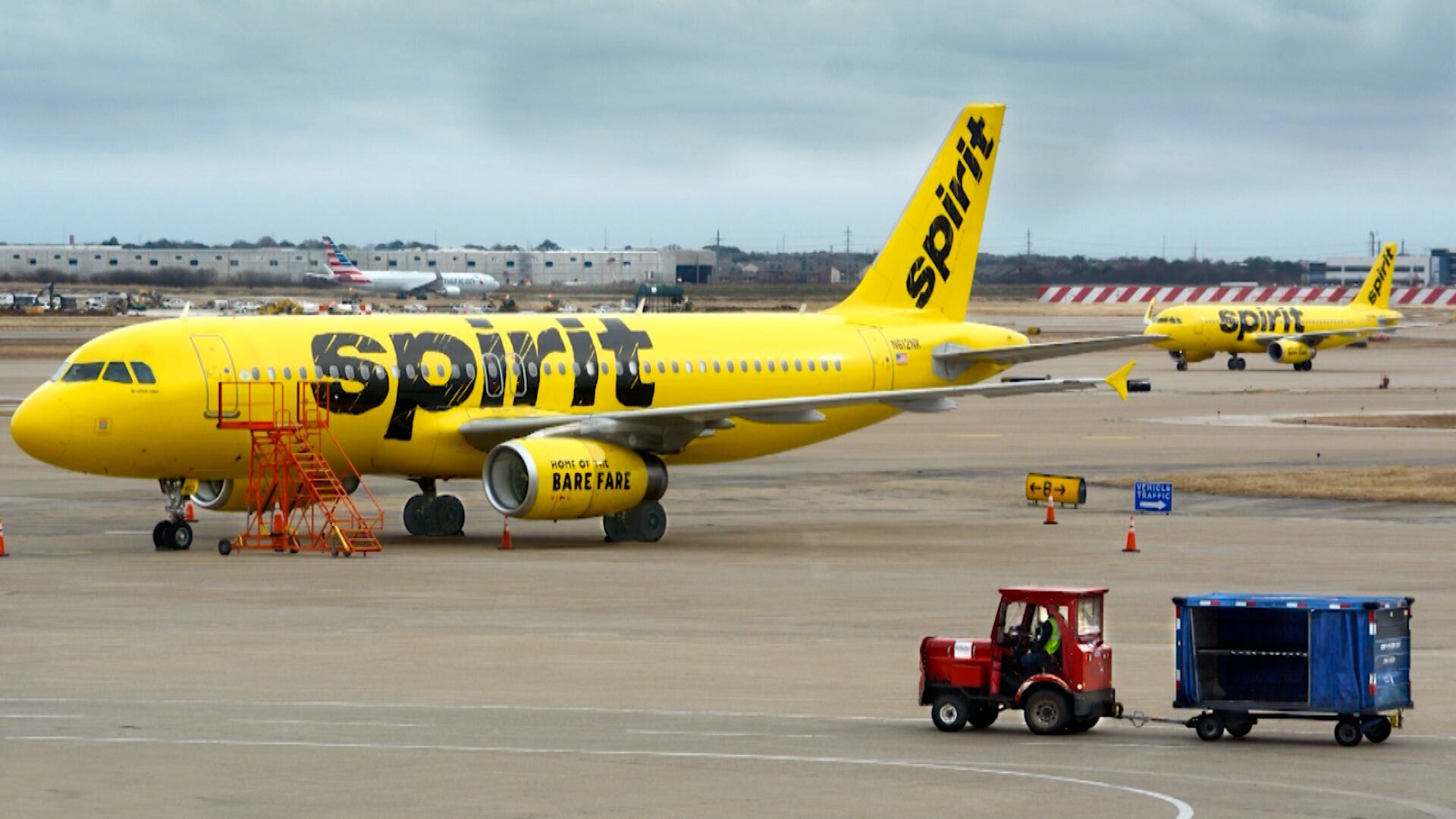
The airline industry is seeing a major consolidation as Frontier and Spirit Airlines have agreed to merge in a deal valued at $6.6 billion dollars. Frontier will control just over 51% of the company, and Spirit will control the other 48%, creating what would become the fifth-largest airline in the U.S. The deal was approved over the weekend, with Spirit CEO Ted Christie saying that the merger aims to create an aggressive, low-fare competitor focused on consumer-friendly pricing. John Grant, Senior Analyst at OAG explains the gravity of the merger, and the wider impact it could have on competition and the airline industry as a whole.
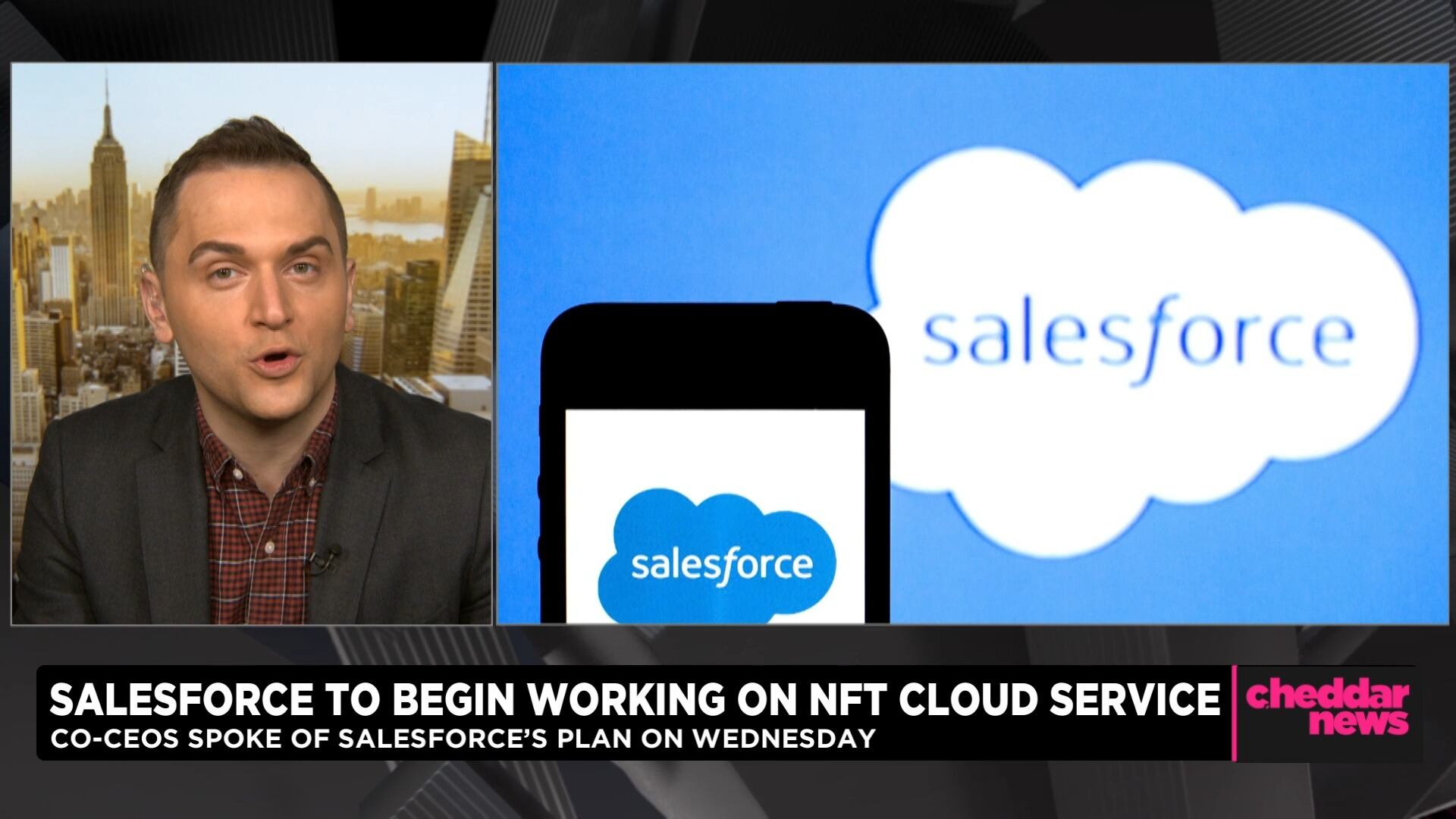
Cheeze, Inc. is a media platform that hopes to help photographers to tell stories through the use of NFT’s. Simon Hudson, founder and CEO of Cheeze, Inc. joined Cheddar News to explain the process as well as teasing its "Women of Authenticity" display for Women’s History Month. "We've made it very simple and focused very hard on reducing all of the friction to bring their items to the blockchain." Hudson explained. He also addressed reports that cloud software giant Salesforce could be getting into the NFT marketplace.
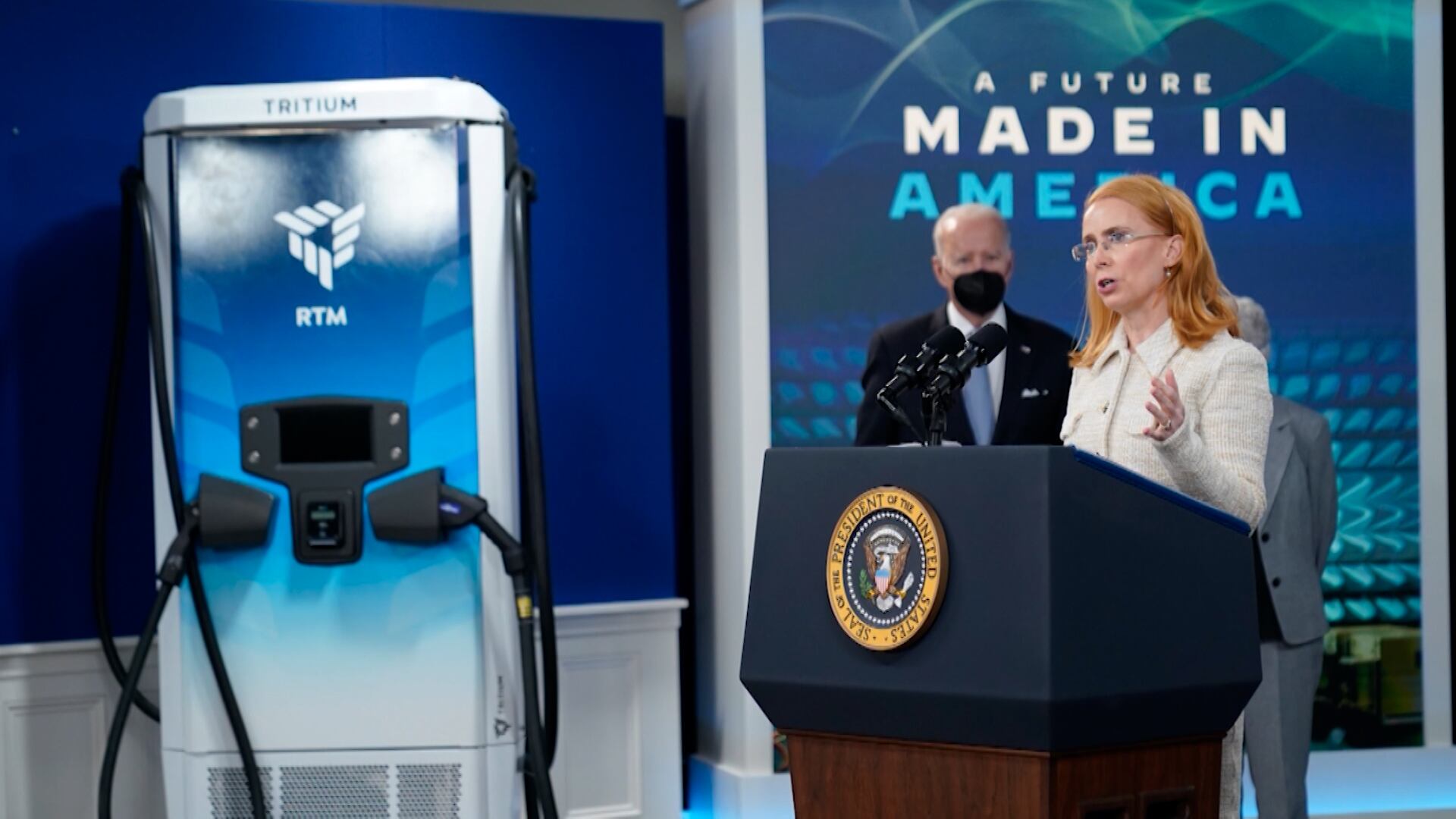
President Biden's push for electric vehicles is doing more than trying to hold off climate change as it also hopes to revive American manufacturing jobs. The latest company to open an EV charging production plant in the U.S. is Australia-based Tritium, looking to open its new Lebanon, Tennessee, facility in the fall of 2022. It's expected to create at least 500 jobs in the region and reach a production capacity of 10,000 charging units per year. Jane Hunter, CEO and executive director of Tritium, joined Closing Bell to discuss the plant, production capacity, and working with the Biden administration. "The policies that they put in place have directly driven demand for our fast charging products," she said. "Discussions that we have are just incredibly positive because this administration wants to have an electric superhighway that runs all across the country so that it's open equitably for all people to drive electric vehicles."