President Trump on Wednesday reversed his position on cutting payroll taxes to spur economic growth, telling reporters on the White House lawn that "we don't need it."
The reversal comes after days of mixed messages from the administration. The White House had first denied that it was considering a cut to payroll taxes since the economy, top officials claimed, was sound. However, on Tuesday, Trump said "payroll tax is something that we think about and a lot of people would like to see that."
In another about-face on Wednesday, Trump announced that he is "not looking at a tax cut now." The remarks follow a growing number of economists who have publicly warned that a recession in the U.S. is on the horizon.
"I don't think [Trump] is particularly concerned if what he says one day disagrees with what his advisors said the day before," said Brian Brenberg, the chair of the Program in Business and Finance at The King's College. "It's classic message testing by the president" to see how the media and markets react.
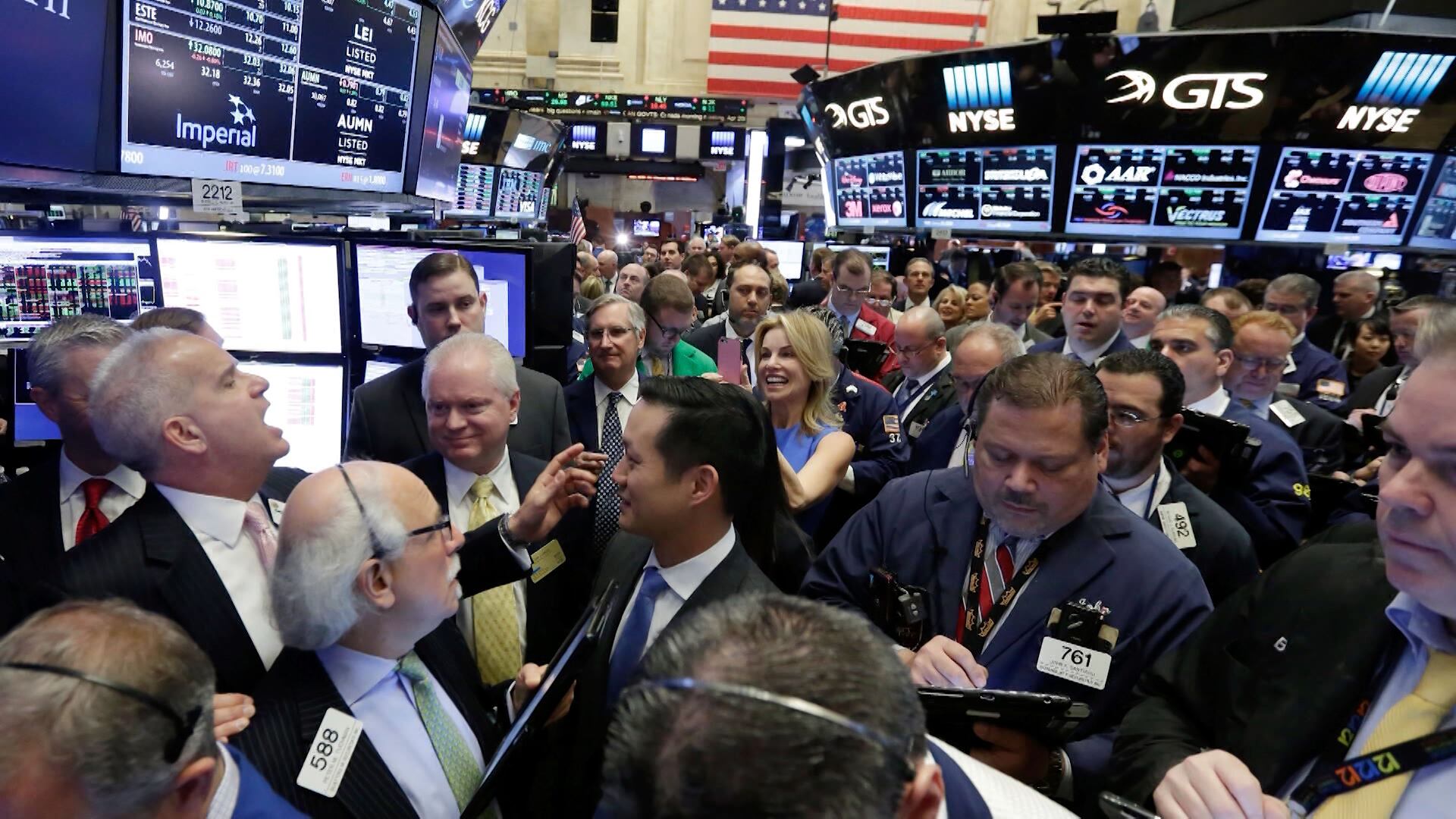
Recession concerns largely emerged last week after the U.S. Treasury's yield curve inverted; in other words, short-term investments in government bonds are now expected to pay more than long-term ones. The inversion — the first since the economic collapse of 2007-2008 — sent the markets plummeting.
A survey released this week by the National Association for Business Economics also found that 74 percent of U.S. economists believe the country will go into a recession by 2021.
"We don't need [a payroll tax cut]. We have a strong economy," Trump said Wednesday.
Payroll taxes, which apply to both employers and employees, are ubiquitous in the U.S. economy and fund major federal programs like social security and medicare. The taxes were lowered as part of the economic stimulus package following the Great Recession a decade ago, and the cut was extended by President Obama in 2012. Republicans initially opposed the cut at the time, citing concern over the federal deficit.
Yet today, many economists caution against cutting payroll taxes given the country's historically low unemployment, the current strain on social security spending, and the government's growing deficit, which has ballooned under Trump following policies like the 2017 tax cuts.
"Payroll taxes are a significant source of government revenue, and payroll tax cuts have been found to have little to no impact on long-term economic growth," the Tax Foundation said on Twitter.
On Wednesday, moreover, the Congressional Budget Office said that the federal budget deficit is accelerating faster than expected. The agency updated its deficit forecast to $960 billion in 2019 and over $1 trillion in 2020.
Cutting payroll taxes, experts say, will also not address the core concerns of investors: tariffs and trade.
"Most investors are unified in believing the only thing that's really going to meaningfully change the conversation around recession is doing something on trade," Brenberg said, noting that Trump's remarks on Tuesday did little to boost the markets.
Adam Michel, a tax policy analyst at the conservative Heritage Foundation, said that "high tariffs and trade uncertainty" were the main impediments to economic progress. "If the administration wants to boost the economy, they should start there," he said.
U.S. stocks close Tuesday at session highs after a subpar start to the trading day. Tim Chubb, Chief Investment Officer at the wealth advisory firm, Girard, joins Cheddar News' Closing Bell to discuss. 'We're starting to see the moderation of three core things -- we've seen the moderation of prices, we've seen the moderation of wage growth we've seen in the labor market, and we've also seen a moderation of job openings,' he says.
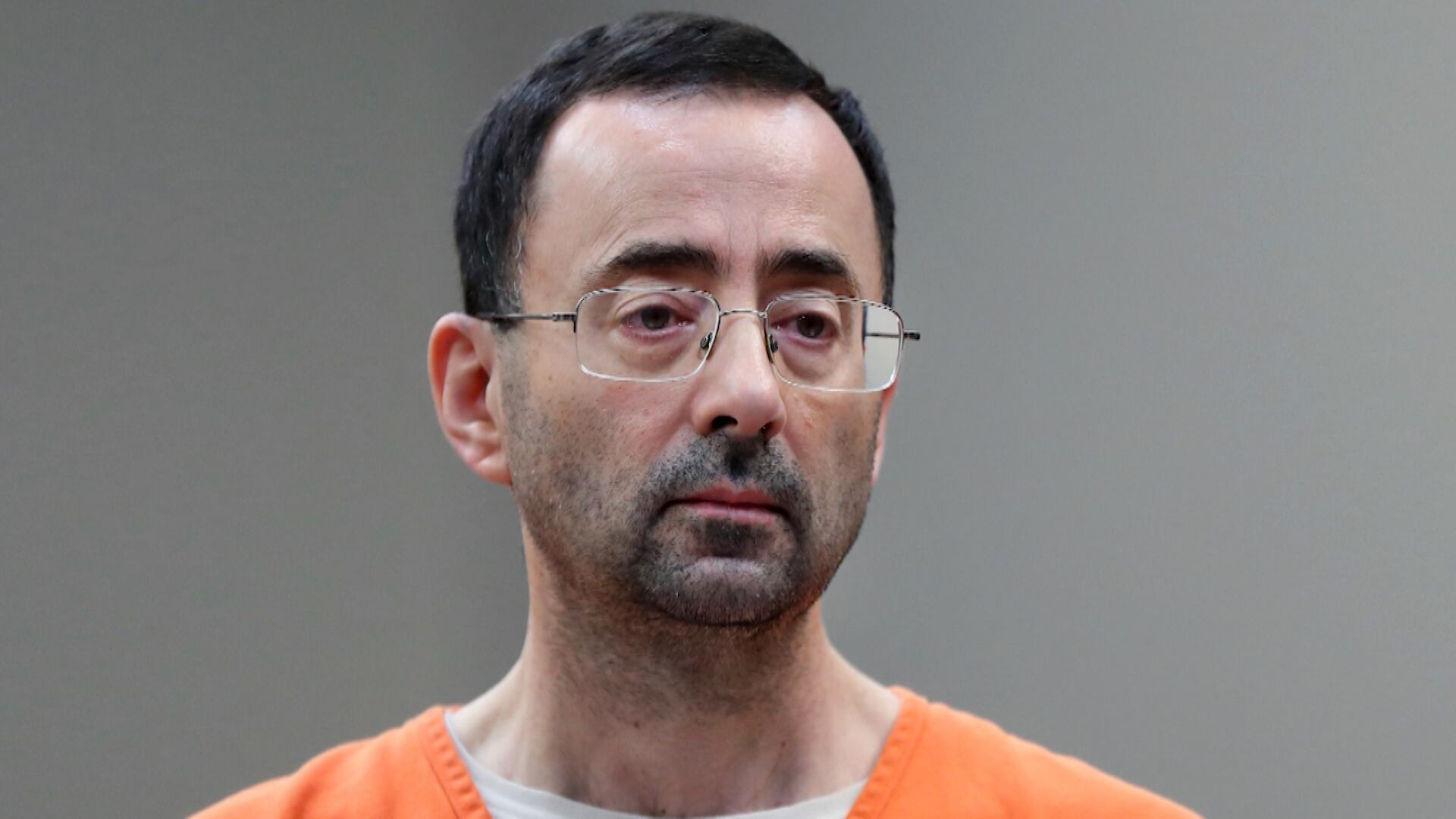
The victims from the USA gymnastics sexual abuse scandal continue to seek justice. Survivors of Larry Nassar are seeking more than one-billion dollars from the FBI for failing to stop the convicted sports doctor when the agency first received allegations. According to a report released by the Justice Department's Inspector General, FBI agents knew
in July of 2015 that Nassar was accused of abusing gymnasts; however, Nassar wasn't arrested until December of 2016. The group that filed the claim includes Olympic medalist Simone Biles and around 90 other women. Louise Radnofsky, sports reporter at The Wall Street Journal, joins Cheddar News' Closing Bell to discuss.
A controversial professional golf tour backed by Saudi Arabia tees off on Thursday. Today, two-time Major winner Dustin Johnson announced he's resigned from the PGA Tour ahead of headlining the Saudi-backed tour, called the LIV Golf Invitation Series. The announcement comes as the PGA tour has threatened disciplinary action for its golfers who take part in the Saudi golf league event, which will also feature notable golf stars like Phil Mickelson and Sergio Garcia; however, LIV Golf's CEO, Greg Norman, told The Washington Post that Tiger Woods rejected a contract worth 'high nine digits' to play in the tour. Chris Bumbaca, reporter for USA Today Sports, joins Cheddar News' Closing Bell to discuss.
CreditCards.com senior industry analyst Ted Rossman compares the Apple Pay Later offering to similar four-step processes at Affirm and Klarna, and says this is a way for the tech giant to dive deeper into the financial industry.
Tech analyst Rene Ritchie discusses new EU legislation that will force iPhones to use a USB-C charger in fall 2024 and what that means for Apple's strategy in Europe.
Catching you up on the stories you need to know this morning, mass shooting victims testify on Capitol Hill, the White House outlines its plan to vaccinate kids younger than five years old, and we break down how to protect yourself from monkeypox.
There are now over 1,000 plant-based restaurants in the U.S. It's clear that people are hungry for vegan alternatives at restaurants nationwide. However, when it comes to pizza, vegan options don't have the best reputation. NUMU Food Group is looking to change that with its brand new vegan mozzarella. Mike Pytlinski, CEO of NUMU Food Group, joins Cheddar News to discuss.
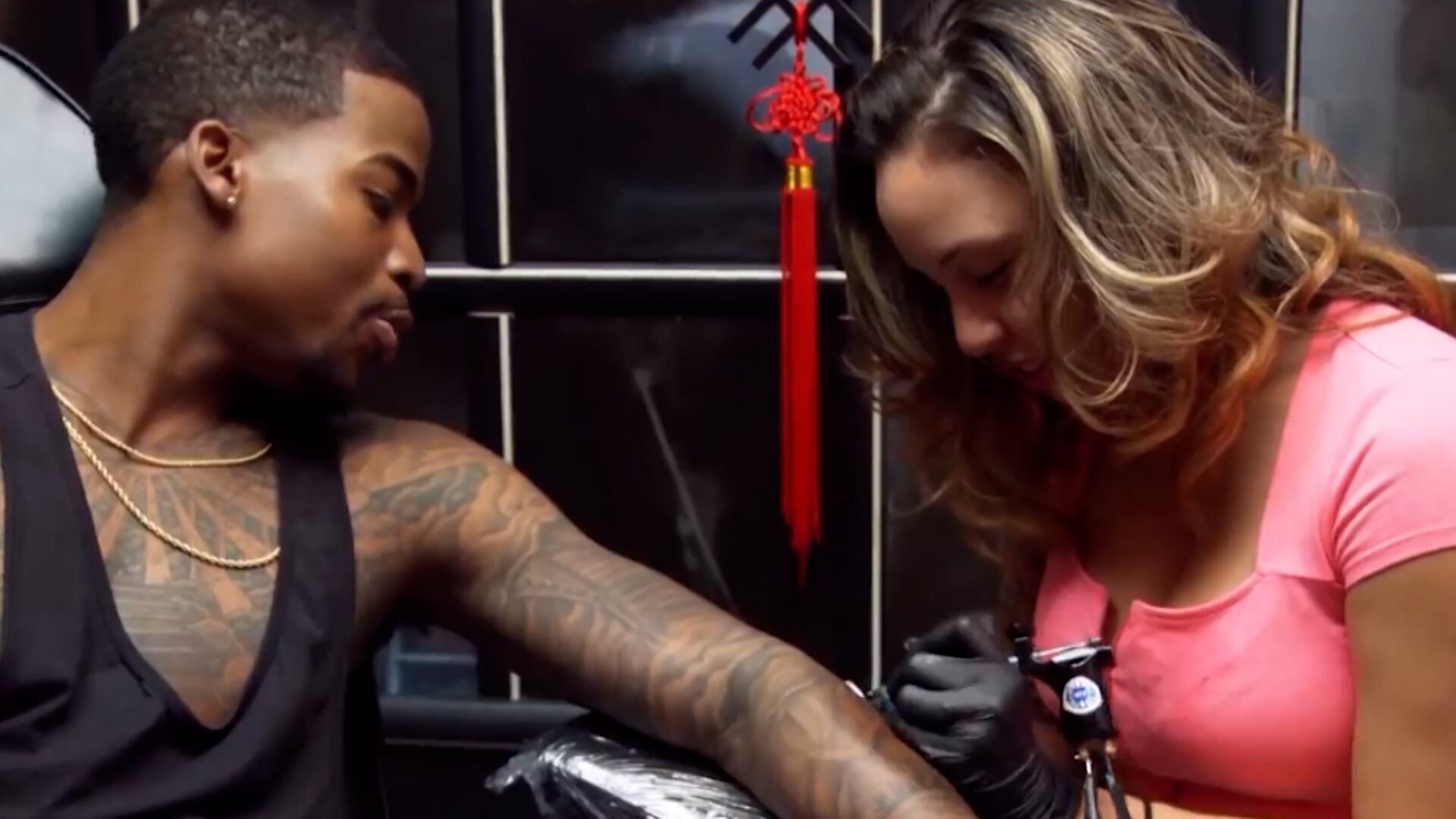
Tattoo artist Katrina "Kat Tat" Jackson, famous for starring in the VH1 hit series "Black Ink Crew: Chicago," is also the first Black woman to own a tattoo shop in Beverly Hills. She joined Cheddar News to discuss her trailblazing work, the stigma BIPOC tattoo artists face in the industry, and the way the space has changed for artists of color since her start. "In the beginning, I remember walking into a tattoo shop just like, hey, I wanna learn, I wanna be a tattoo artist and kind of just being laughed at, not taken seriously," she said. "Even with the tattoo conventions, a lot of African American tattoo artists were almost scared to go to conventions because it's not a welcoming environment."