Nearly 3,000 people have died from COVID-19 since the start of November, and as cases continue to spike nationwide the need grows more dire for the Trump and incoming Biden administrations to strategize, particularly when it comes to vaccine distribution and potential federal health mandates.
However, the Trump administration’s unwillingness to begin steps to transition power to President-elect Joe Biden is preventing him from creating a national response, said Kathleen Sebelius, former United States Secretary of Health and Human Services under President Barack Obama.
“Where we will be on the 20th of January could be very, very scary,” Sebelius told Cheddar.
“What is already a daunting task for the vice president, is made considerably harder by the inability of the transition team to have a handoff of knowledge: to get inside agencies, to talk to the coronavirus task force that Donald Trump set up, to look at what the logistics plans are to begin working with governors on a vaccination plan.”
Although transitioning into the White House has been made difficult by the incumbent, the Biden administration has begun setting his plans in motion to tackle the coronavirus pandemic. The former vice president has already appointed key figures to his administration that have experience in handling pandemics, including chief of staff pick Ron Klain.
Largely critical of the president’s coronavirus response, Sebelius still praised the Trump administration’s ability to get behind a program that has yielded, so far, two potential vaccines.
With Moderna and Pfizer both on track to apply for emergency use approval of their promising COVID-19 vaccines, the need to coordinate distribution plans between administrations is evident.
Sebelius noted that many large-scale steps will be needed for this "massive" undertaking and added that “having the Trump administration refuse to share information with Joe Biden’s team, not giving them governors’ plans, not telling them what logistics have been set up, is really criminal.”
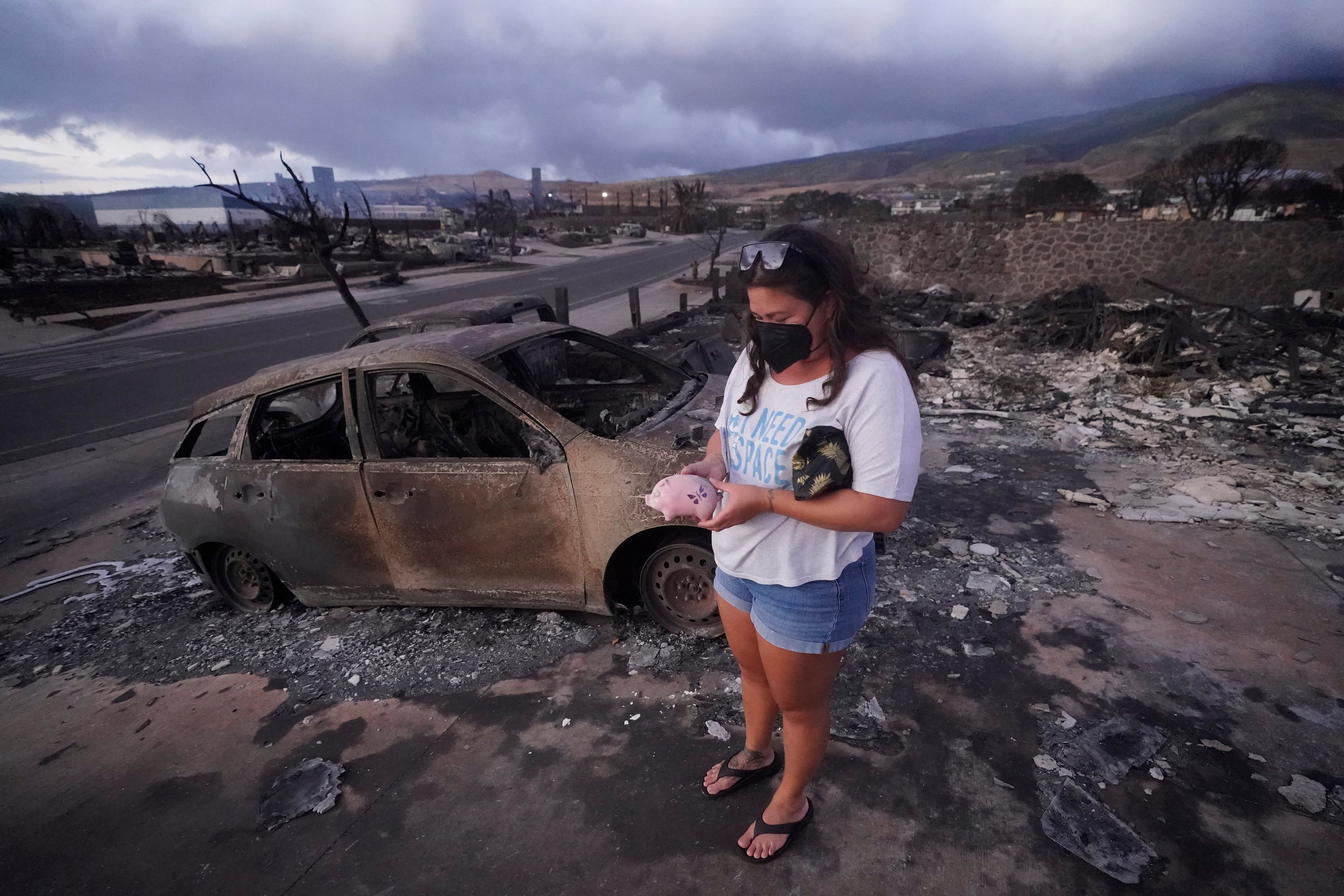
Lawmakers probing the cause of last month’s deadly Maui wildfire did not get many answers during Thursday's congressional hearing on the role the electrical grid played in the disaster.
President Joe Biden announced Wednesday that federal disaster assistance is available for Louisiana, which is working to slow a mass inflow of salt water creeping up the Mississippi River and threatening drinking water supplies in the southern part of the state.
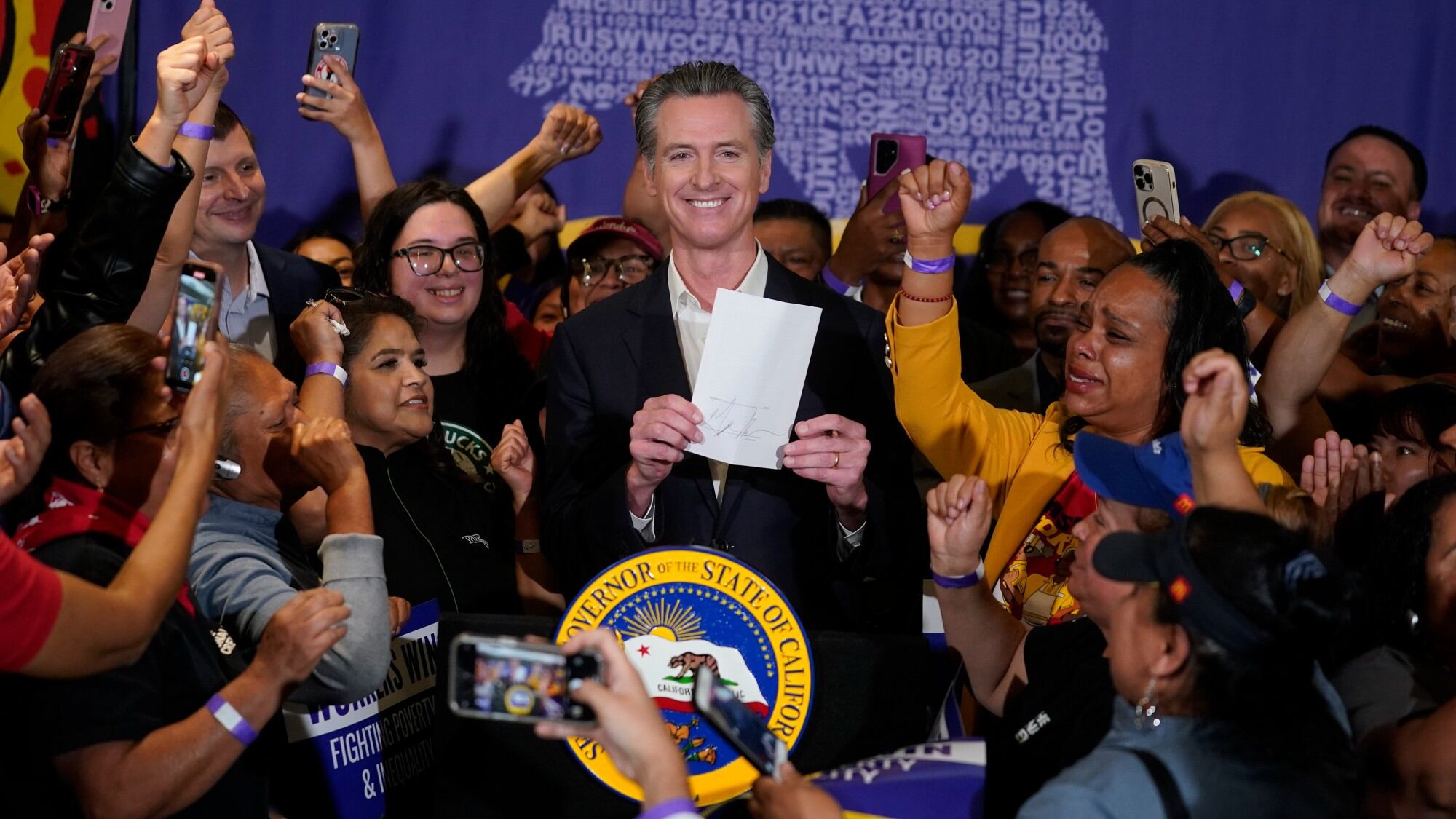
A new law in California will raise the minimum wage for fast food workers to $20 per hour next year, an acknowledgment from the state's Democratic leaders that most of the often overlooked workforce are the primary earners for their low-income households.
From Sunday, workers at the main United States base in Antarctica will no longer be able to walk into a bar and order a beer, after the U.S. federal agency that oversees the research program decided to stop serving alcohol.
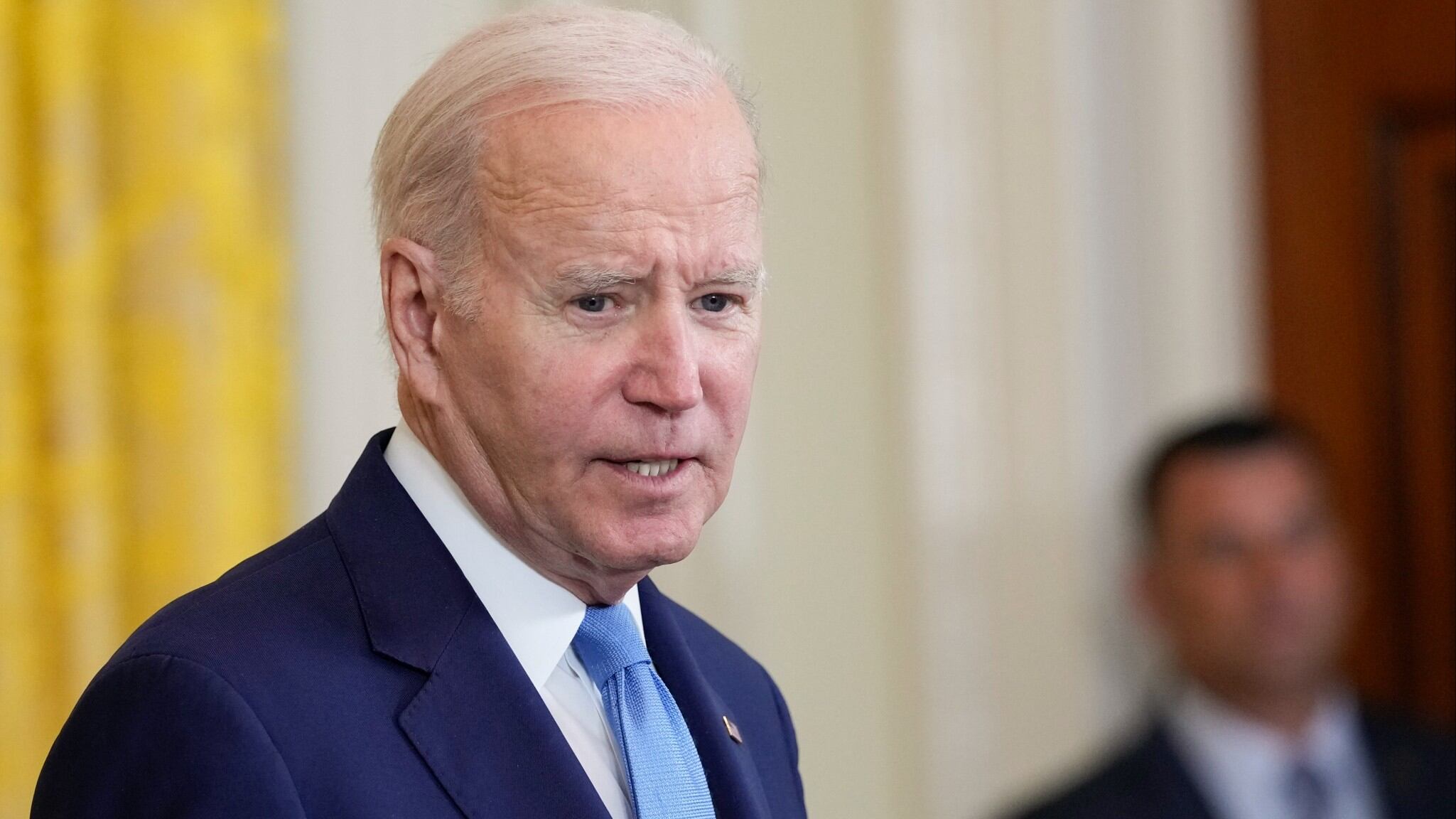
House Republicans launched a formal impeachment hearing Thursday against President Joe Biden, promising to “provide accountability” as they probe the family finances and business dealings of his son Hunter and make their case to the public, colleagues and a skeptical Senate.
The FBI and other government agencies should be required to get court approval before reviewing the communications of U.S. citizens collected through a secretive foreign surveillance program, a sharply divided privacy oversight board recommended on Thursday.
The federal government is just days away from a shutdown that will disrupt many services, squeeze workers and roil politics as Republicans in the House, fueled by hard-right demands, force a confrontation over federal spending.
The Biden administration is finalizing a new rule that would cut federal funding for colleges that leave graduates with low pay and high debt after graduating.
The Biden administration is finalizing a new rule that would cut federal funding for colleges that leave graduates with low pay and high debt after graduating.