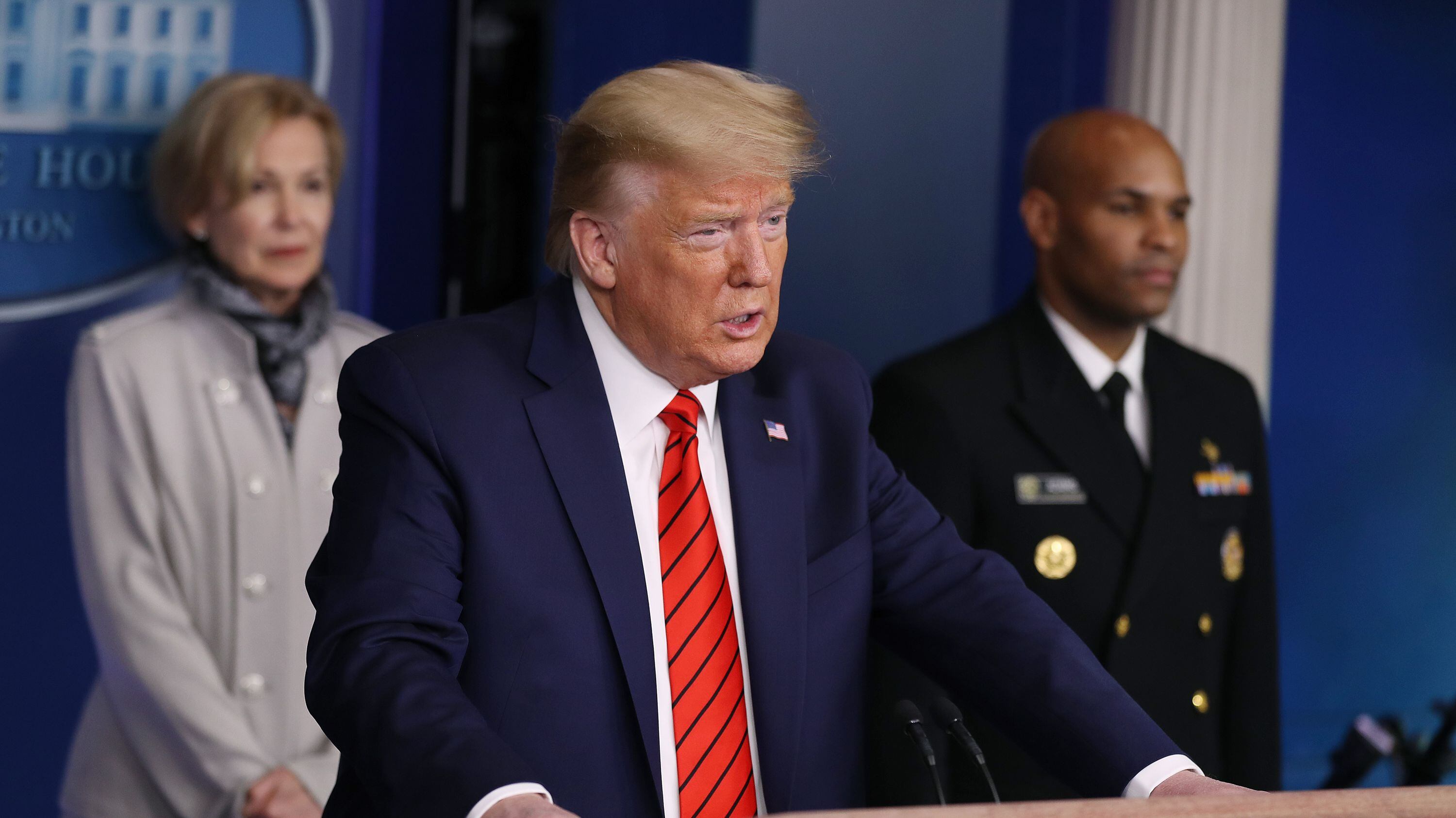
President Donald Trump in a press conference on Thursday said the Food and Drug Administration is fast-tracking efforts to approve an antiviral therapy, best known for treating malaria, for use in coronavirus cases.
The drug, hydroxychloroquine, was developed more than a half-century ago and is approved for treating malaria, arthritis, and other ailments. Reports out of China and Italy suggest the drug may help, but there is no hard data yet.
"We're going to be able to make that drug available almost immediately," Trump said.
The FDA is working to conduct a "large, pragmatic clinical trial" quickly to confirm the drug's benefit to coronavirus patients, said Commissioner Dr. Stephen Hahn.
He also tempered the president's optimism about the still-untested solution.
"What's also important is not to provide false hope," he said. "We may have the right drug, but it might not be in the appropriate dosage form right now, and it might do more harm than good."
New antiviral therapies face a shorter and less arduous approval process than vaccines, several of which are under development with 12 to 18-month timelines.
"The therapies are something we could move on much faster potentially," Trump said.
He claimed the administration "slashed red tape" to develop new vaccines and therapies.
The president also held out on confirming whether he would invoke the Defense Production Act, which he signed on Wednesday, to mandate the production of needed medical supplies such as N95 respirators and surgical masks.
"If we find that we need something, then we will do that," he said.
Trump repeated that he was open to the federal government buying equity stakes in the airline, cruise, hospitality, and other industries hurt by the outbreak.
The press conference opened with more controversial language placing the blame squarely on China for the outbreak, despite concerns voiced about potentially exacerbating a backlash against Asian Americans.
"We continue our relentless effort to defeat the Chinese virus," Trump said.
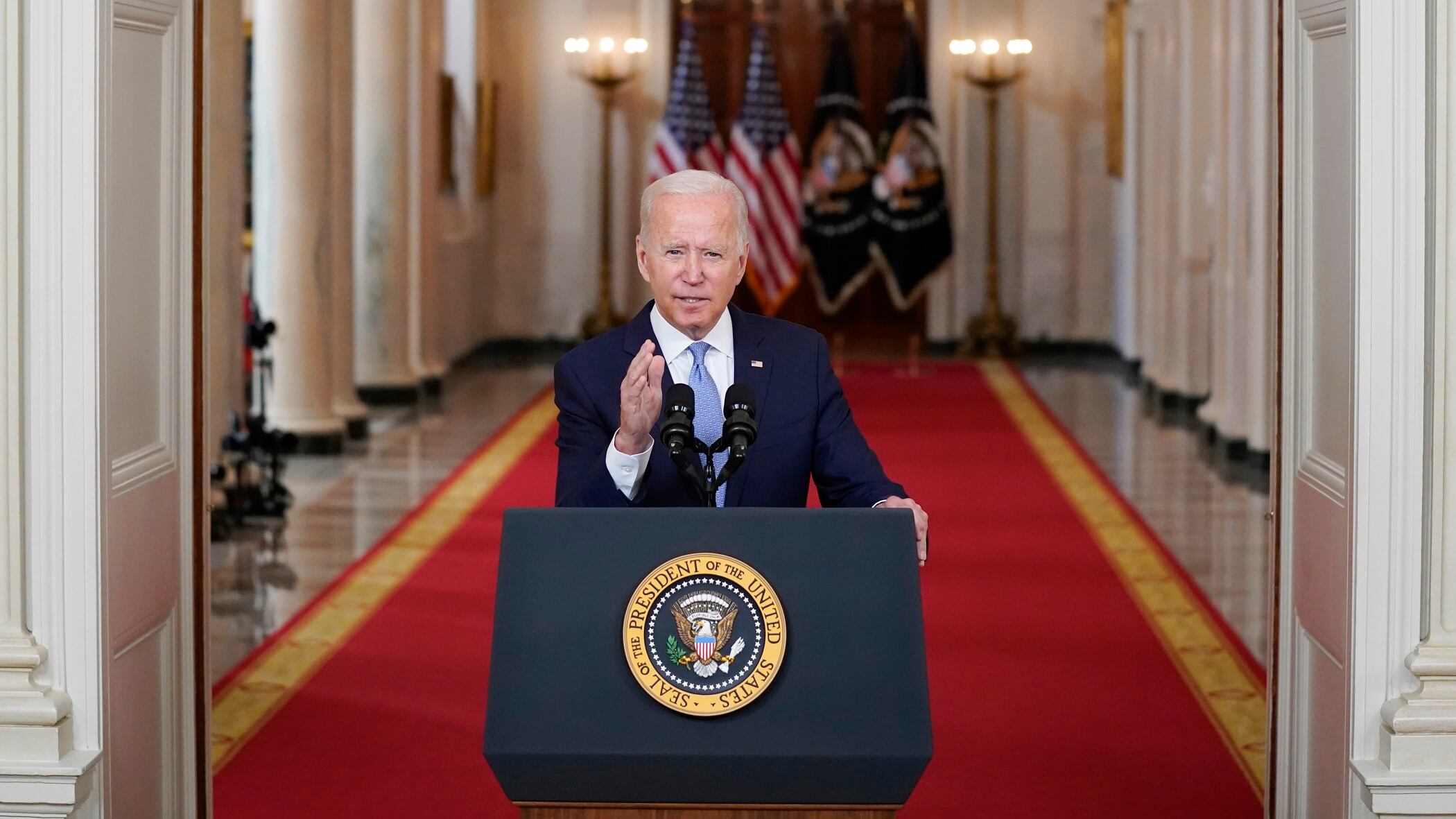
Addressing the nation, President Joe Biden is defending the way the U.S. ended its 20-year “forever war” in Afghanistan.
In his opening remarks for the Jackson Hole Economic Symposium, Federal Reserve Chair Jerome Powell signaled that the central bank could begin tapering its $120 billion in monthly asset purchases this year.
California Governor Gavin Newsom is facing a recall election in about two weeks. Newsom was elected governor in 2018 with nearly 62% of the vote after working as lieutenant governor for eight years. However, his popularity took a hit after his handling of Covid-19 pandemic, although the White House is refusing to cite this as the direct reason for the September 14th recall election. There are 46 candidates running to be Newsom's replacement, and some are saying that California could end up electing a republican governor.
Jeremy White, California politics reporter and co-writer of daily California Playbook Newsletter at Politico, joined Cheddar Politics to discuss more about the election and its possible outcomes.
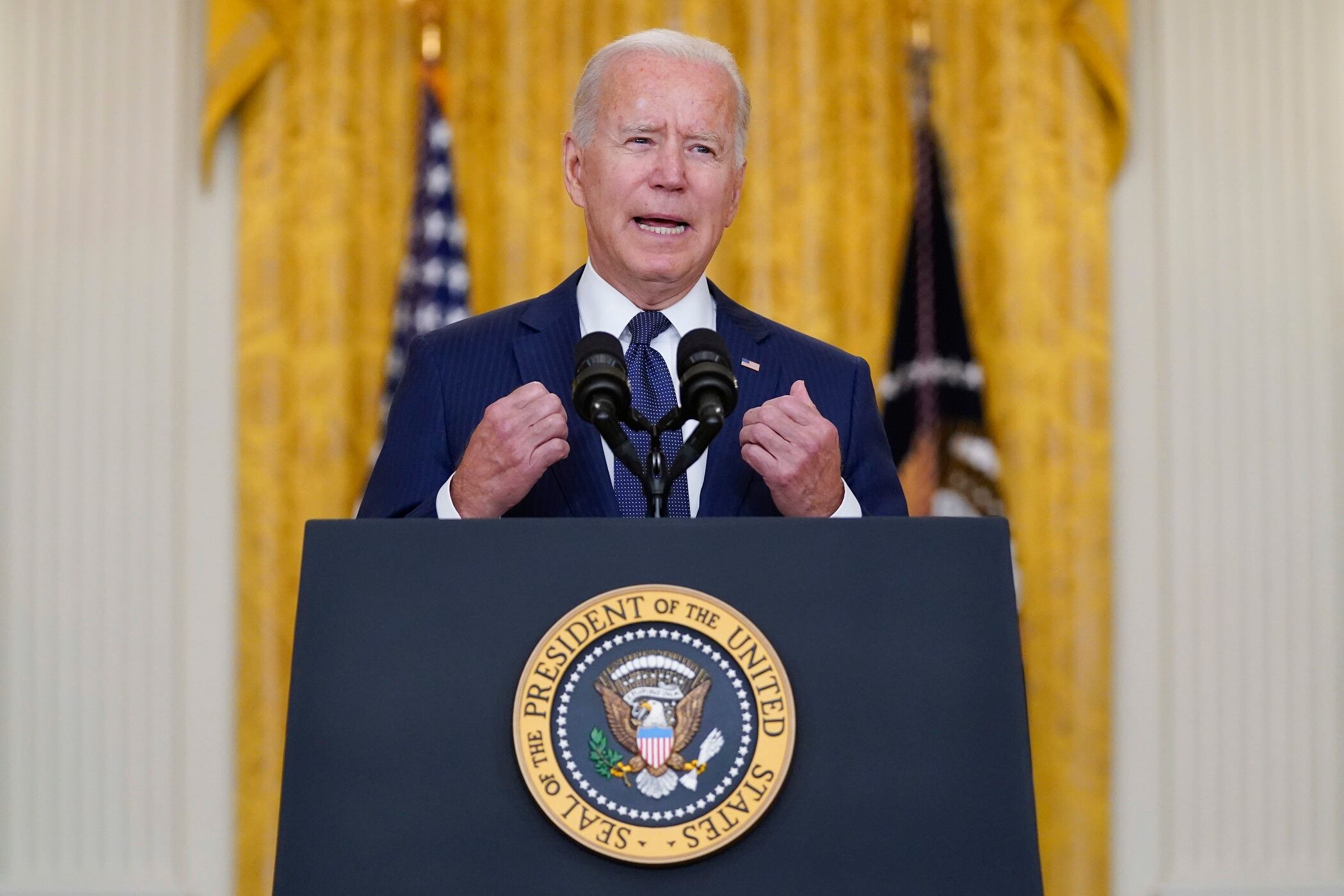
President Joe Biden says the United States will complete it's evacuation of Americans and others from Kabul, despite the attack that killed 12 U.S. service members and many Afghan civilians.
Crypto-enthusiasts are taking to social media to urge regular Afghans to adopt bitcoin in the face of considerable economic uncertainty.
The U.S. economy grew at a 6.6% annual rate last quarter, slightly faster than previously estimated, the government said Thursday in a report that pointed to a sustained consumer-led rebound from the pandemic recession.
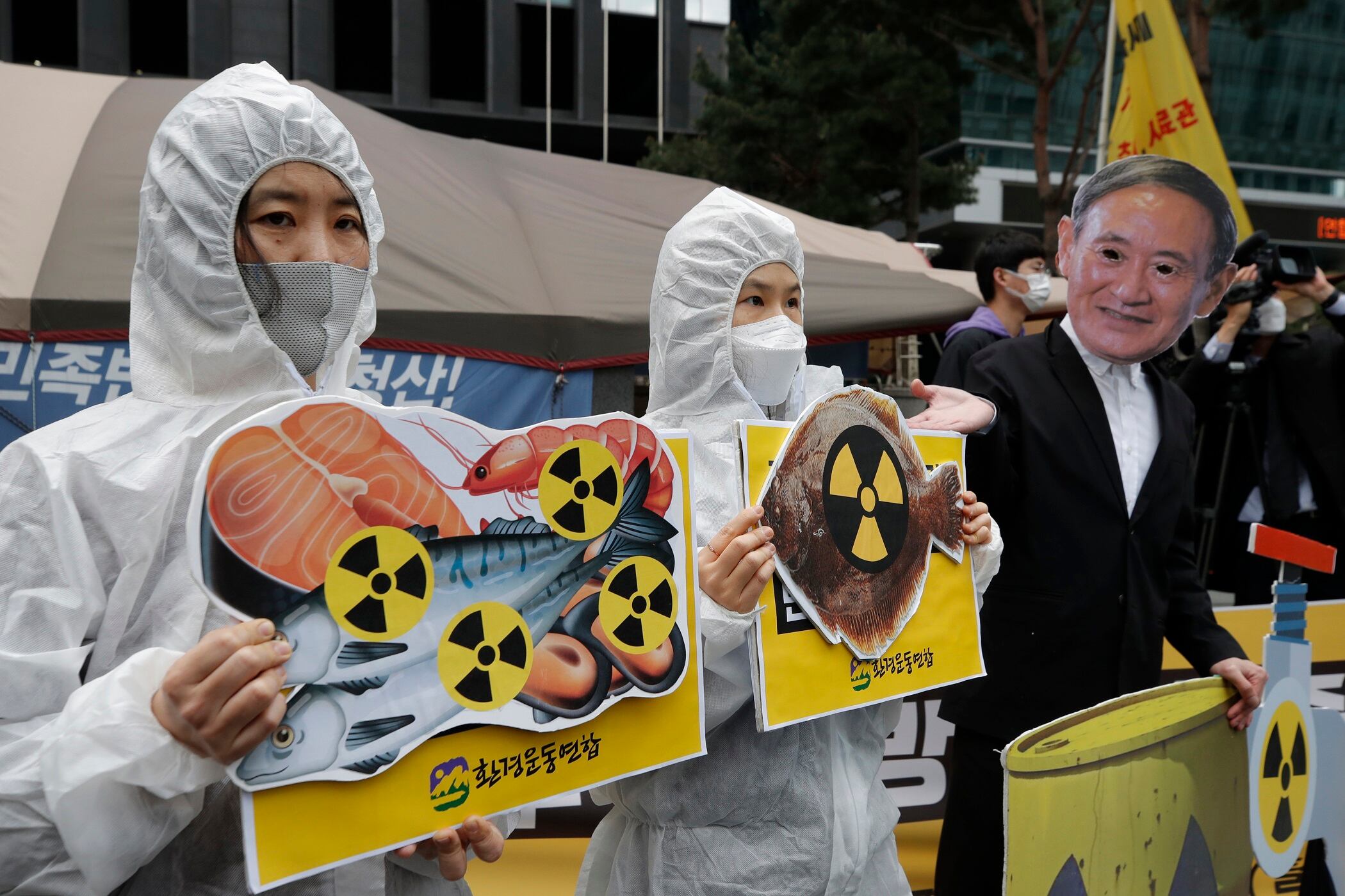
The operator of the wrecked Fukushima nuclear power plant says it plans to build an undersea tunnel so that massive amounts of treated but still radioactive water can be released into the ocean about 1 kilometer (0.6 mile) away from the plant to avoid interference with local fishing.
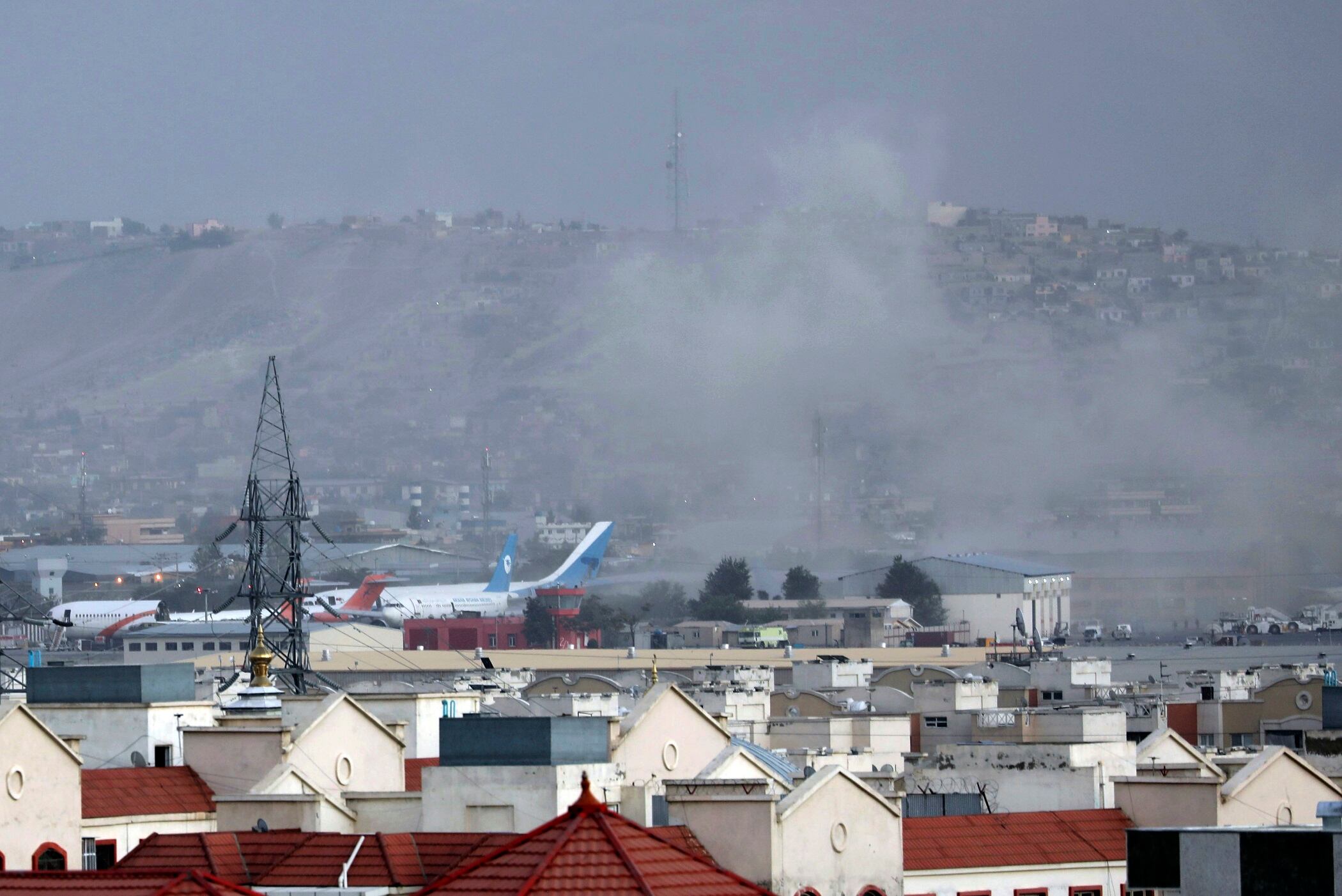
Two suicide bombers and gunmen have targeted crowds of Afghans flocking to Kabul’s airport, in the waning days of a massive airlift that has drawn thousands of people seeking to flee the Taliban takeover of Afghanistan.
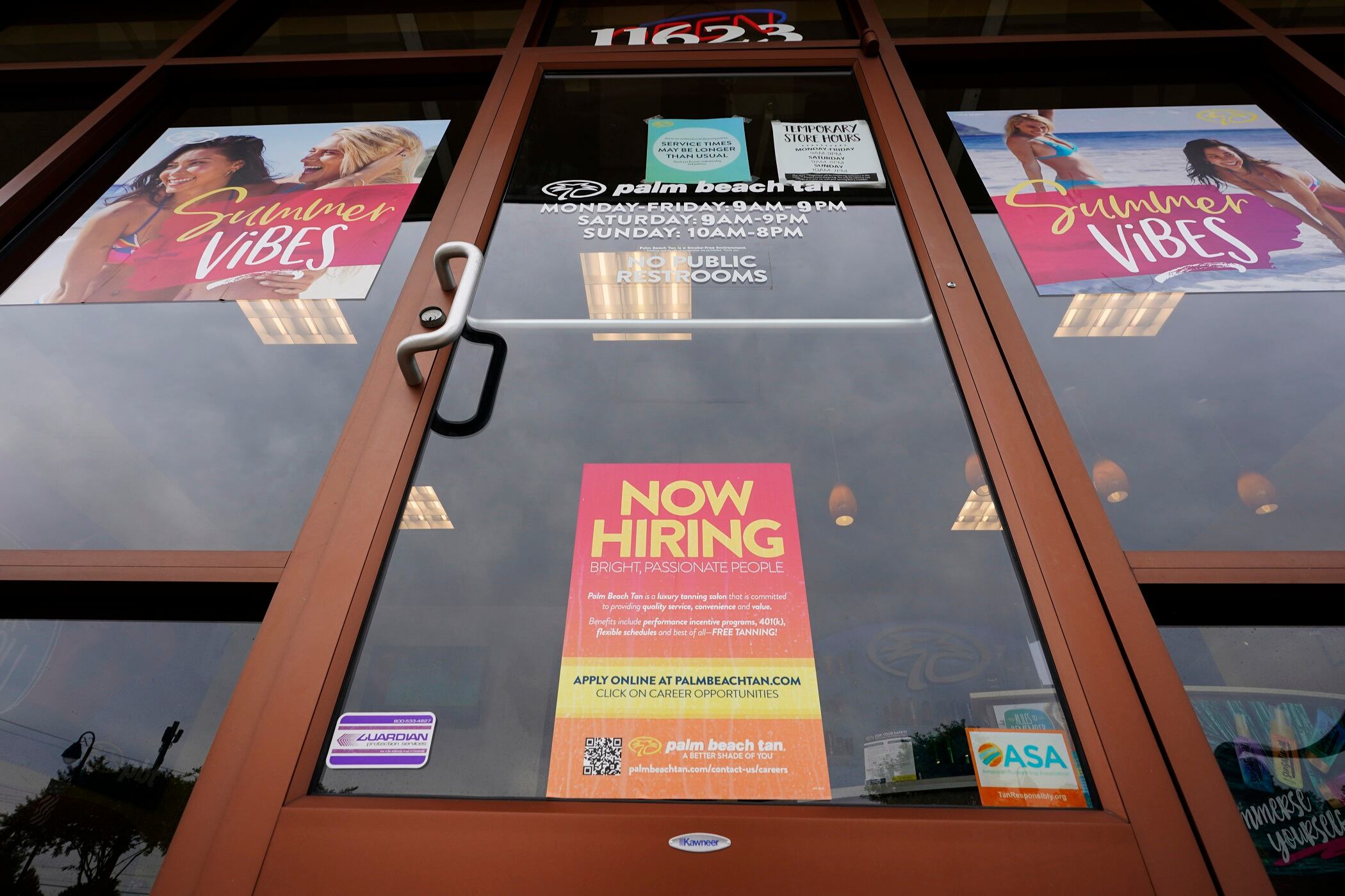
The number of Americans applying for unemployment benefits rose for the first time in five weeks even though the economy and job market have been recovering briskly from the coronavirus pandemic.
Secretary of State Blinken said Wednesday that as many as 1,500 Americans may be awaiting evacuation from Afghanistan.