President Donald Trump speaks speaks on the latest developments of the coronavirus outbreak, while flanked by White House coronavirus response coordinator Debbie Birx (L), and U.S. Surgeon General Jerome Adams (R), in the James Brady Press Briefing Room at the White House March 19, 2020. (Photo by Chip Somodevilla/Getty Images)
President Donald Trump in a press conference on Thursday said the Food and Drug Administration is fast-tracking efforts to approve an antiviral therapy, best known for treating malaria, for use in coronavirus cases.
The drug, hydroxychloroquine, was developed more than a half-century ago and is approved for treating malaria, arthritis, and other ailments. Reports out of China and Italy suggest the drug may help, but there is no hard data yet.
"We're going to be able to make that drug available almost immediately," Trump said.
The FDA is working to conduct a "large, pragmatic clinical trial" quickly to confirm the drug's benefit to coronavirus patients, said Commissioner Dr. Stephen Hahn.
He also tempered the president's optimism about the still-untested solution.
"What's also important is not to provide false hope," he said. "We may have the right drug, but it might not be in the appropriate dosage form right now, and it might do more harm than good."
New antiviral therapies face a shorter and less arduous approval process than vaccines, several of which are under development with 12 to 18-month timelines.
"The therapies are something we could move on much faster potentially," Trump said.
He claimed the administration "slashed red tape" to develop new vaccines and therapies.
The president also held out on confirming whether he would invoke the Defense Production Act, which he signed on Wednesday, to mandate the production of needed medical supplies such as N95 respirators and surgical masks.
"If we find that we need something, then we will do that," he said.
Trump repeated that he was open to the federal government buying equity stakes in the airline, cruise, hospitality, and other industries hurt by the outbreak.
The press conference opened with more controversial language placing the blame squarely on China for the outbreak, despite concerns voiced about potentially exacerbating a backlash against Asian Americans.
"We continue our relentless effort to defeat the Chinese virus," Trump said.
In a flurry of diplomacy across two continents, President Joe Biden emerged from a meeting with Germany’s new leader to vow the crucial Nord Stream 2 gas pipeline in Europe would be blocked if Russia further invades Ukraine.
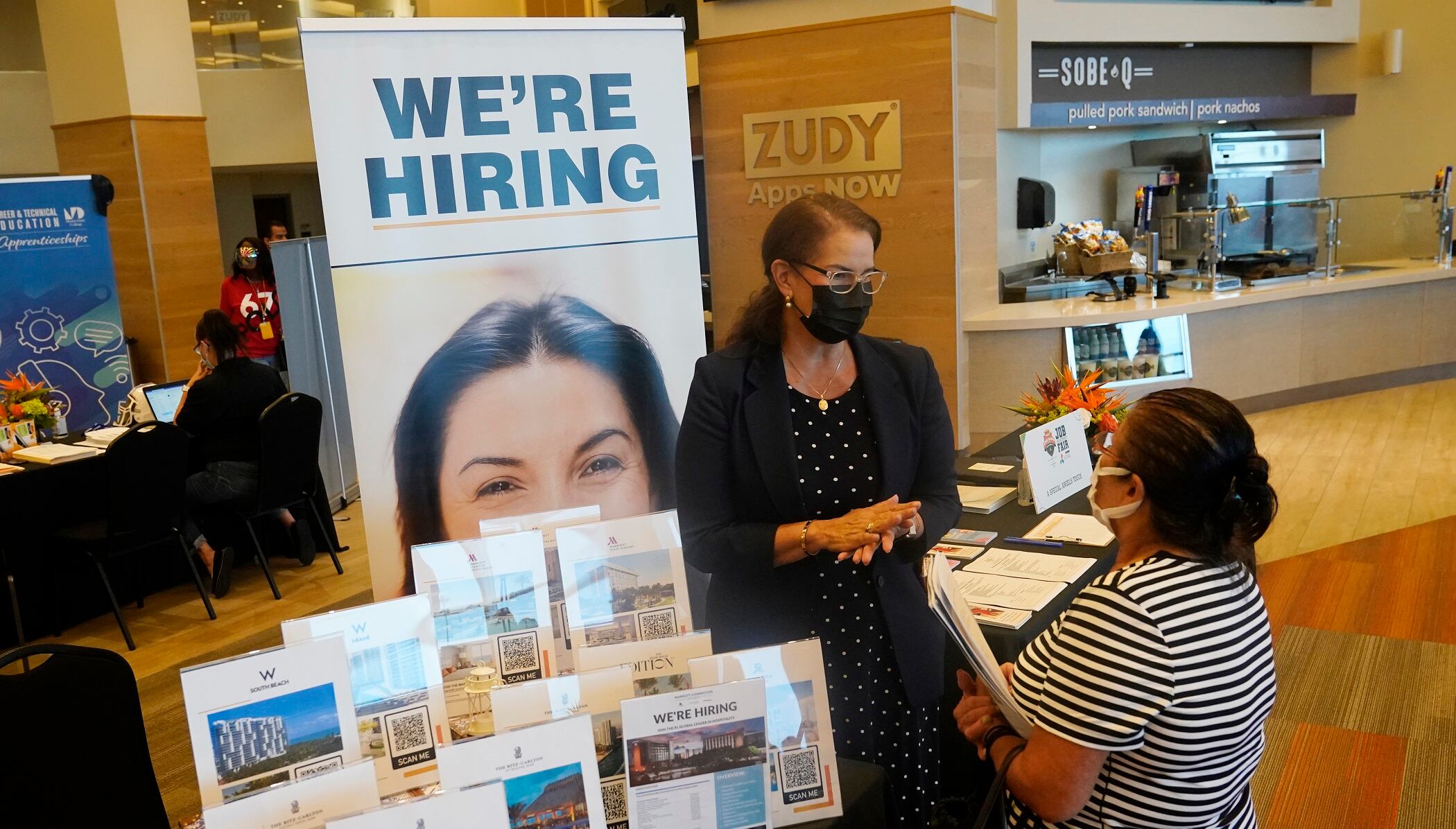
Kristin Myers, Editor-in-Chief at The Balance, joined Cheddar News to preview the January jobs report, and to break down the racial disparity in employment numbers in the U.S.
Jarrod Loadholt, Partner at Ice Miller, joins Cheddar News' Closing Bell, where he breaks down the latest proposal by the SEC and explains how it could allow the agency to make major regulatory moves within the cryptocurrency space if approved.
Personal data platform Caden raised $3.1 million in pre-seed funding. Caden says its service allows users to have complete control over their data and earn a profit from it by sharing certain data with trusted brands, while never relinquishing ownership. The company also says its goal is to transform the internet and the use of personal data and make a better system for both consumers and brands. Caden founder and CEO John Roa joins Cheddar News' Closing Bell to discuss.
The leaders of Russia and China have declared their joint opposition to any expansion of NATO and affirmed that the island of Taiwan is a part of China.
U.S. employers stepped up hiring in January, adding 467,000 jobs despite a wave of omicron inflections that sickened millions of workers, kept many consumers at home and left businesses from restaurants to manufacturers short-staffed.
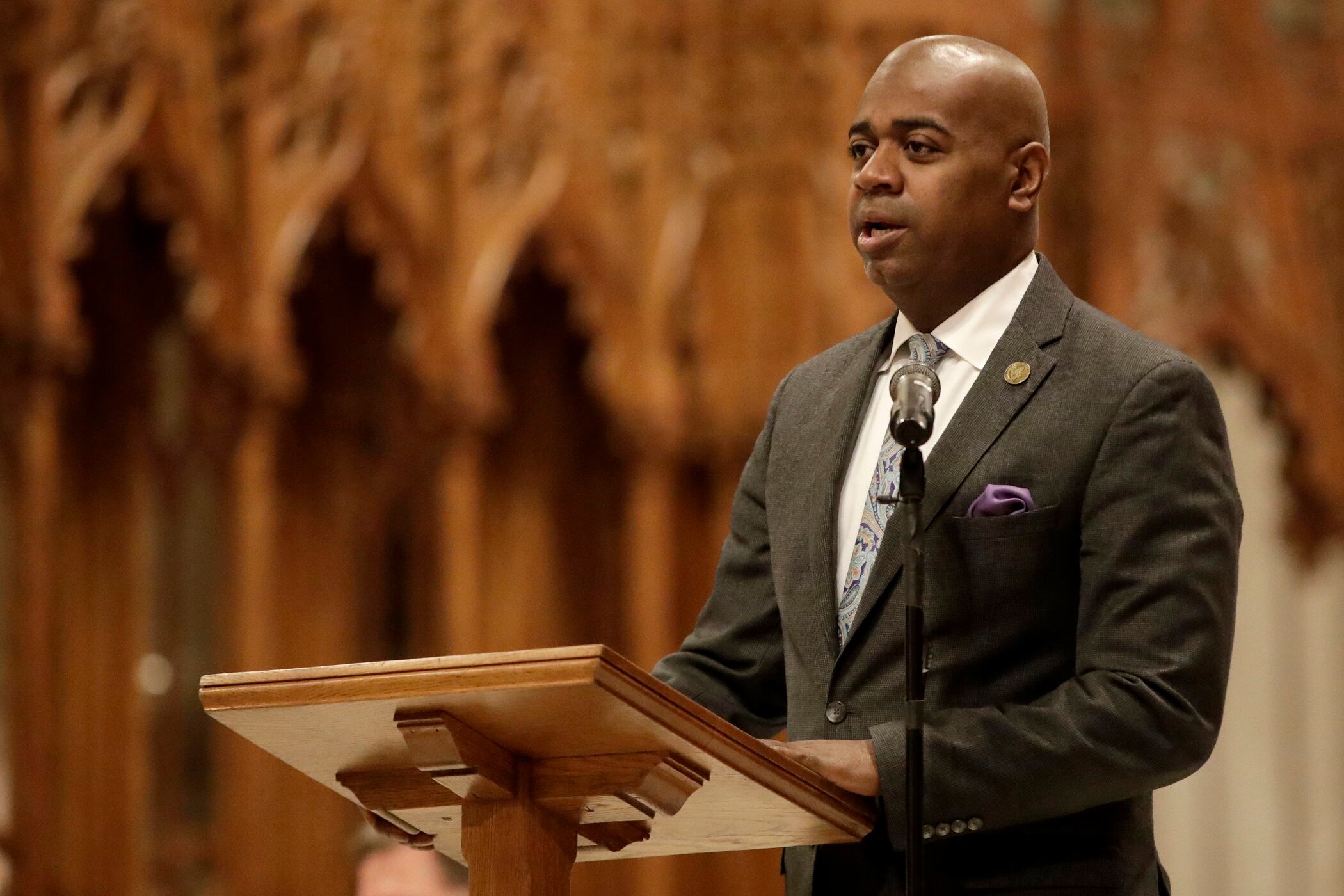
As we celebrate Black History Month, Cheddar is highlighting prominent Black Americans who are carving their own historic paths and trailblazing in their industries. Today we profile Newark, NJ, Mayor Ras Baraka.
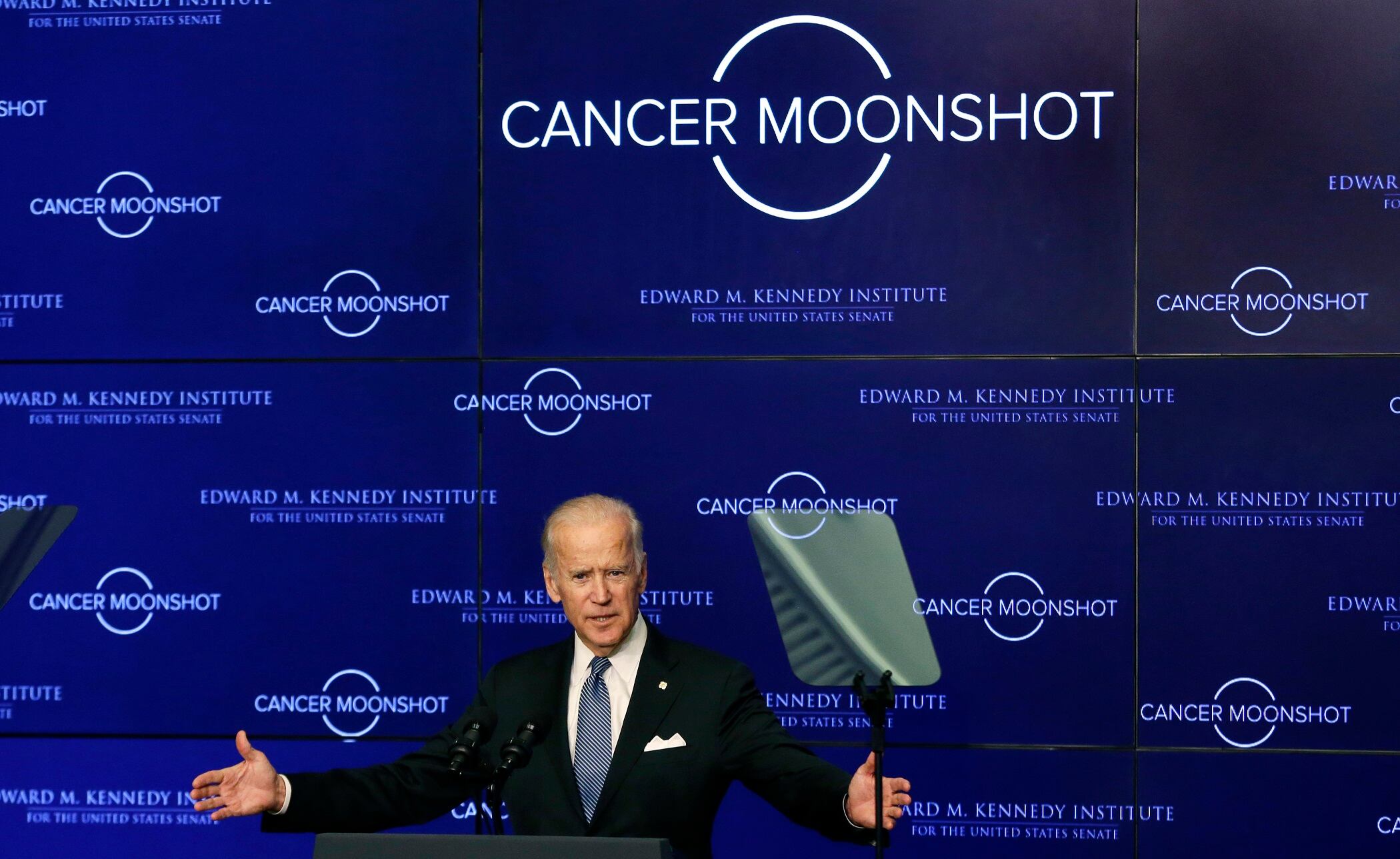
President Joe Biden is committing to reduce the cancer death rate by 50% over the next 25 years. That's a new goal for the “moonshot” against the disease that was announced in 2016 when Biden was vice president.
A major winter storm with millions of Americans in its path brought a mix of rain, freezing rain and snow to the middle section of the United States as airlines canceled hundreds of flights, governors urged residents to stay off roads and schools closed campuses.