President Donald Trump speaks speaks on the latest developments of the coronavirus outbreak, while flanked by White House coronavirus response coordinator Debbie Birx (L), and U.S. Surgeon General Jerome Adams (R), in the James Brady Press Briefing Room at the White House March 19, 2020. (Photo by Chip Somodevilla/Getty Images)
President Donald Trump in a press conference on Thursday said the Food and Drug Administration is fast-tracking efforts to approve an antiviral therapy, best known for treating malaria, for use in coronavirus cases.
The drug, hydroxychloroquine, was developed more than a half-century ago and is approved for treating malaria, arthritis, and other ailments. Reports out of China and Italy suggest the drug may help, but there is no hard data yet.
"We're going to be able to make that drug available almost immediately," Trump said.
The FDA is working to conduct a "large, pragmatic clinical trial" quickly to confirm the drug's benefit to coronavirus patients, said Commissioner Dr. Stephen Hahn.
He also tempered the president's optimism about the still-untested solution.
"What's also important is not to provide false hope," he said. "We may have the right drug, but it might not be in the appropriate dosage form right now, and it might do more harm than good."
New antiviral therapies face a shorter and less arduous approval process than vaccines, several of which are under development with 12 to 18-month timelines.
"The therapies are something we could move on much faster potentially," Trump said.
He claimed the administration "slashed red tape" to develop new vaccines and therapies.
The president also held out on confirming whether he would invoke the Defense Production Act, which he signed on Wednesday, to mandate the production of needed medical supplies such as N95 respirators and surgical masks.
"If we find that we need something, then we will do that," he said.
Trump repeated that he was open to the federal government buying equity stakes in the airline, cruise, hospitality, and other industries hurt by the outbreak.
The press conference opened with more controversial language placing the blame squarely on China for the outbreak, despite concerns voiced about potentially exacerbating a backlash against Asian Americans.
"We continue our relentless effort to defeat the Chinese virus," Trump said.
Catching you up on what you need to know on March 30, 2022, with updates on what is happening in Kyiv, the FDA releases plans for a fourth dose of COVID vaccines, COVID subvariant BA.2 becomes dominant variant in the U.S., employees at Conde Nast form a union, and more.
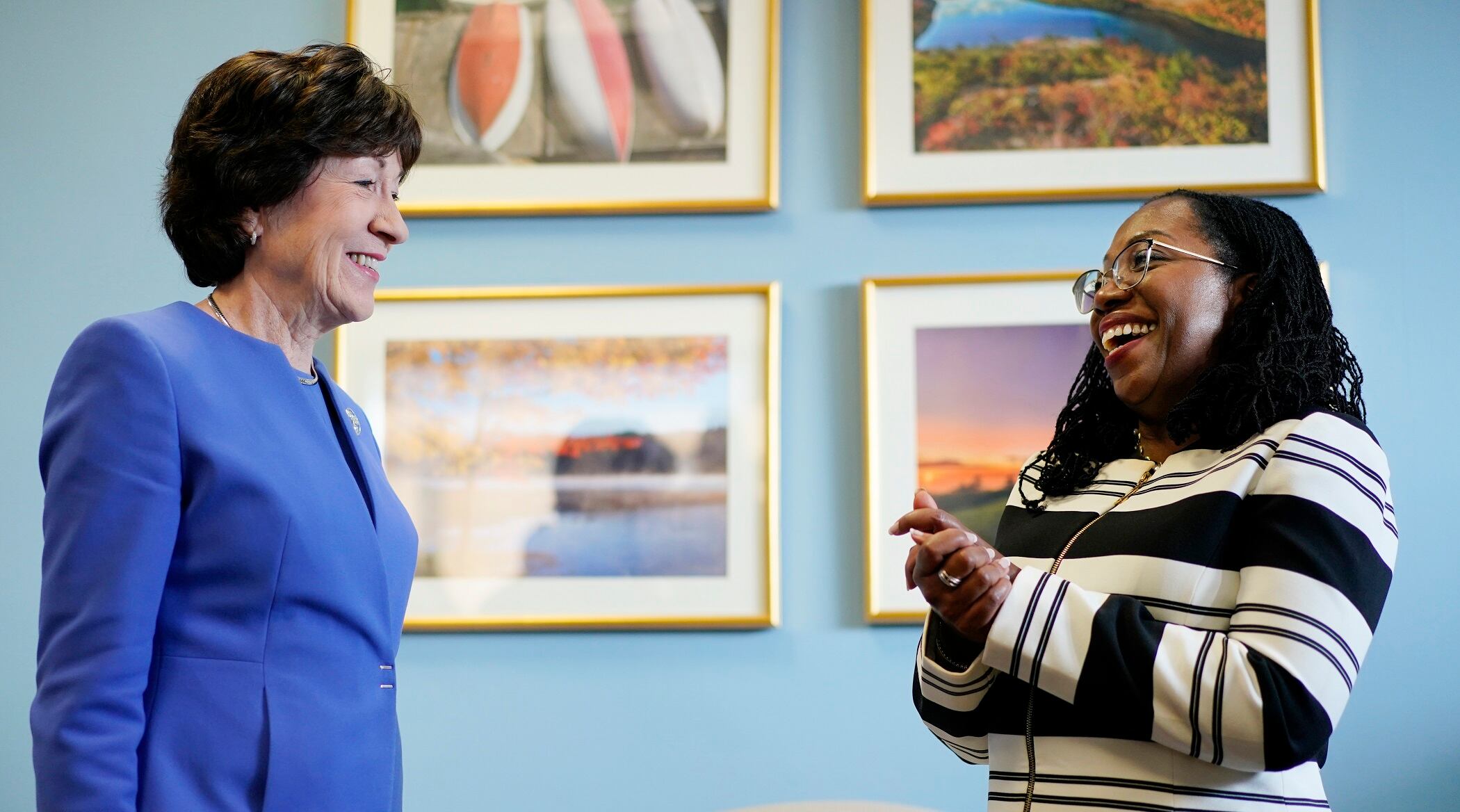
Maine Sen. Susan Collins says she'll vote to confirm Judge Ketanji Brown Jackson, giving Democrats at least one Republican vote and all but assuring Jackson will become the first Black woman on the Supreme Court.
A NASA astronaut is back on Earth after a yearlong, record-setting spaceflight. He caught a Russian ride from the International Space Station on Wednesday with two cosmonauts.
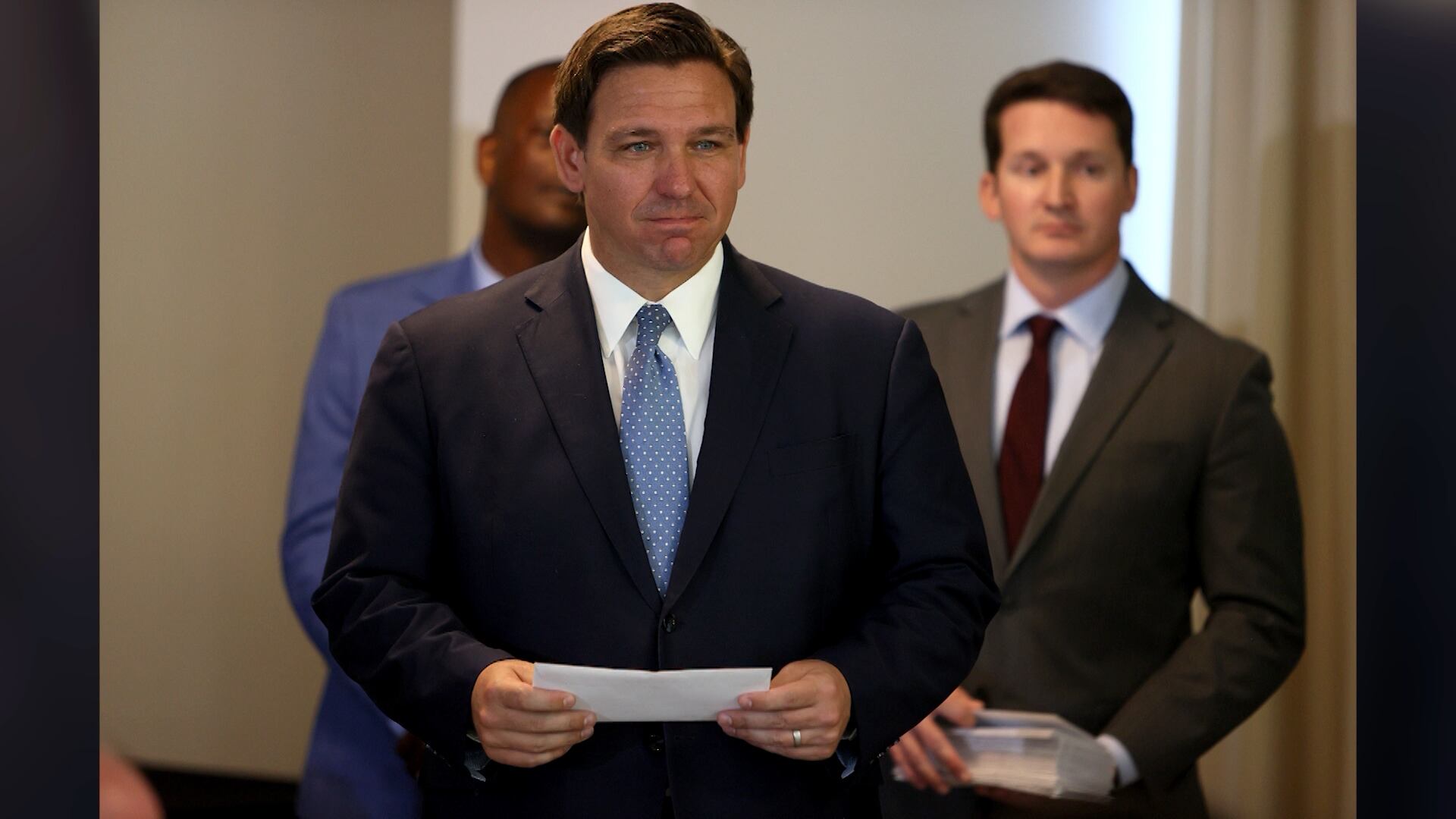
Florida Governor Ron DeSantis has signed the controversial so-called ‘Don’t Say Gay' bill into law, banning classroom instruction on gender identity and sexual orientation in kindergarten through third grade. Gary Fineout, reporter at Politico, joins Cheddar News to discuss.
U.S. stocks closed Tuesday's session near session highs. The Dow Jones Industrial Average rose 350 points, after rising more than 400 points at its session high. Shares were also impacted positively by optimism around peace talks in Ukraine. Nancy Prial, Co-Chief Executive Officer & Senior Portfolio Manager of Essex Investment Management, joins Cheddar News' Closing Bell to discuss.
Sylvia Jablonski, CIO at Defiance ETFs, breaks down the factors leading to the market's strong start to the week and discusses what investors should be focusing on when it comes to the Russian invasion of Ukraine and inflation.
Bitcoin surged to its highest level on Monday since January 2nd. The gains also come after a late Sunday rally for the cryptocurrency, when it surpassed the key price of $45,000, and also turned positive for 2022. Matt Hougan, CIO of Bitwise Asset Fund, joins Cheddar News' Closing Bell to discuss what is behind the recent rallies for Bitcoin and other cryptocurrencies.
Cross-border payments are big business, and crypto companies want in on the action, which means challenging established remittance services such as Western Union and MoneyGram.