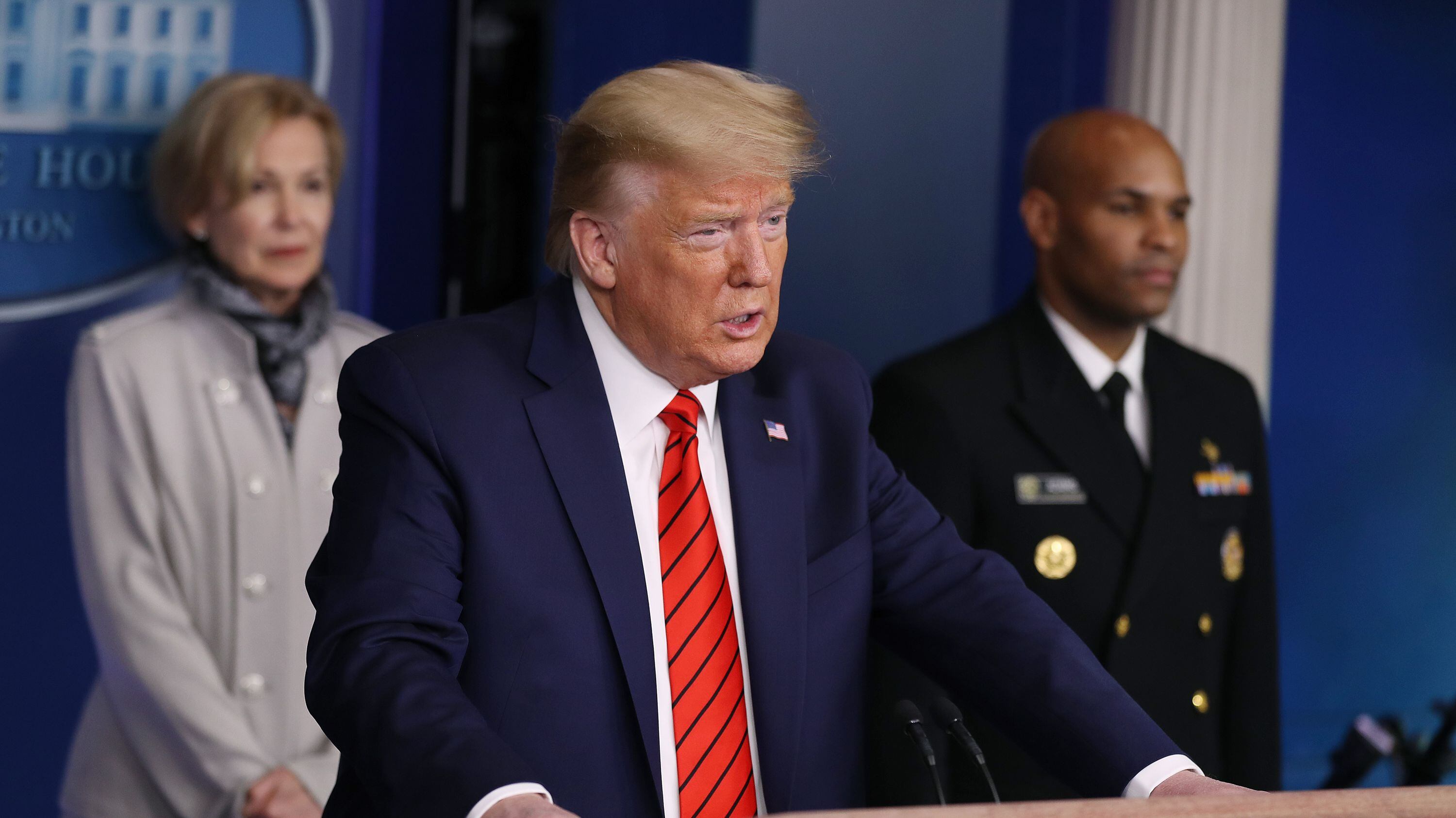
President Donald Trump speaks speaks on the latest developments of the coronavirus outbreak, while flanked by White House coronavirus response coordinator Debbie Birx (L), and U.S. Surgeon General Jerome Adams (R), in the James Brady Press Briefing Room at the White House March 19, 2020. (Photo by Chip Somodevilla/Getty Images)
President Donald Trump in a press conference on Thursday said the Food and Drug Administration is fast-tracking efforts to approve an antiviral therapy, best known for treating malaria, for use in coronavirus cases.
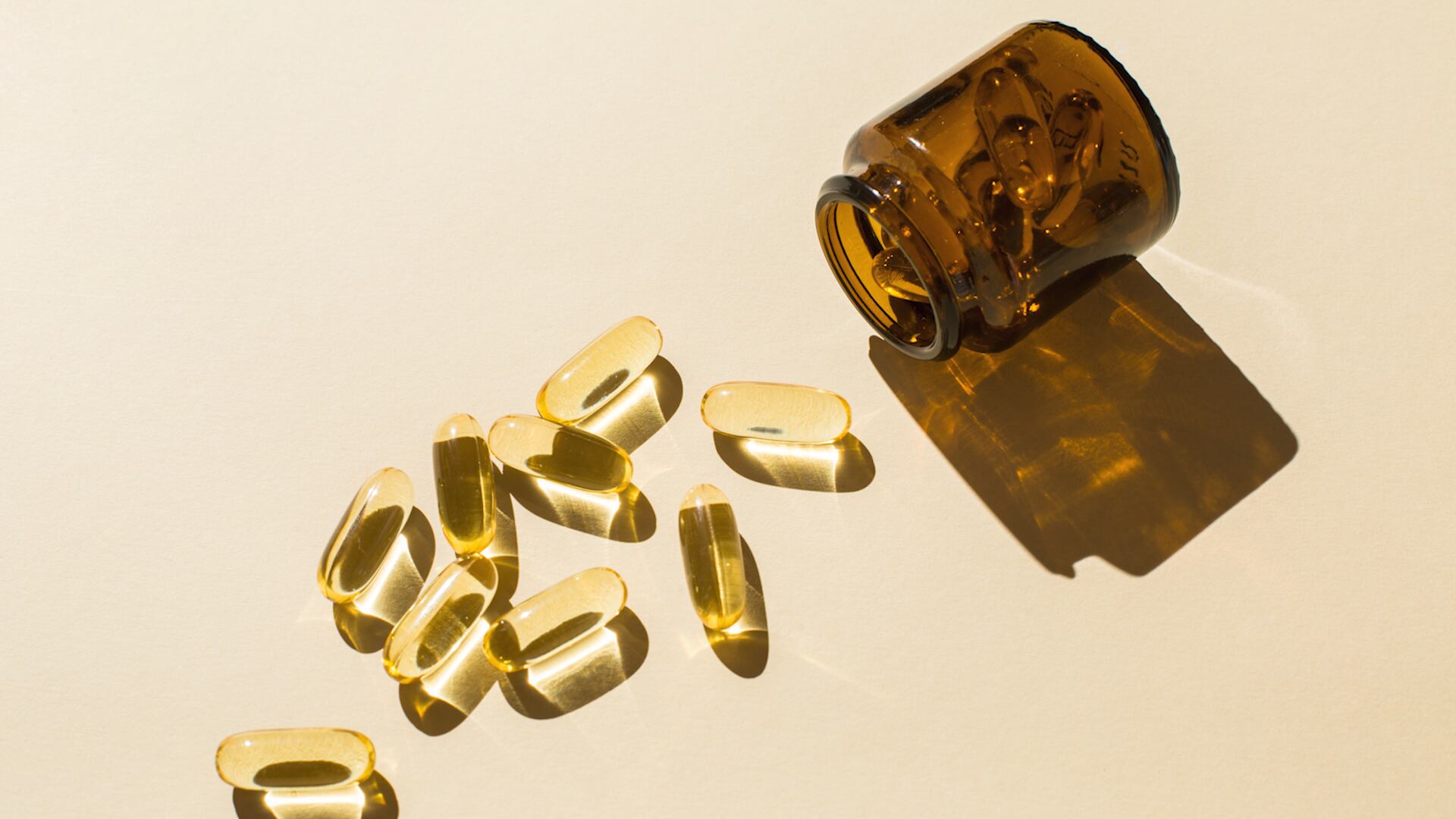
The drug, hydroxychloroquine, was developed more than a half-century ago and is approved for treating malaria, arthritis, and other ailments. Reports out of China and Italy suggest the drug may help, but there is no hard data yet.
"We're going to be able to make that drug available almost immediately," Trump said.
The FDA is working to conduct a "large, pragmatic clinical trial" quickly to confirm the drug's benefit to coronavirus patients, said Commissioner Dr. Stephen Hahn.
He also tempered the president's optimism about the still-untested solution.
"What's also important is not to provide false hope," he said. "We may have the right drug, but it might not be in the appropriate dosage form right now, and it might do more harm than good."
New antiviral therapies face a shorter and less arduous approval process than vaccines, several of which are under development with 12 to 18-month timelines.
"The therapies are something we could move on much faster potentially," Trump said.
He claimed the administration "slashed red tape" to develop new vaccines and therapies.
The president also held out on confirming whether he would invoke the Defense Production Act, which he signed on Wednesday, to mandate the production of needed medical supplies such as N95 respirators and surgical masks.
"If we find that we need something, then we will do that," he said.
Trump repeated that he was open to the federal government buying equity stakes in the airline, cruise, hospitality, and other industries hurt by the outbreak.
The press conference opened with more controversial language placing the blame squarely on China for the outbreak, despite concerns voiced about potentially exacerbating a backlash against Asian Americans.
"We continue our relentless effort to defeat the Chinese virus," Trump said.
Disparities in tree coverage across America is a huge issue that affects air quality, heat exposure, and ultimately determines how resilient communities are against climate change. The Build Back Better Act is allocating $2.5 billion to boost 'tree equity.' Lemir Teron, assistant professor at SUNY College of Environmental Science and Forestry, joins Cheddar News to explain why this is a priority for Democrats today.
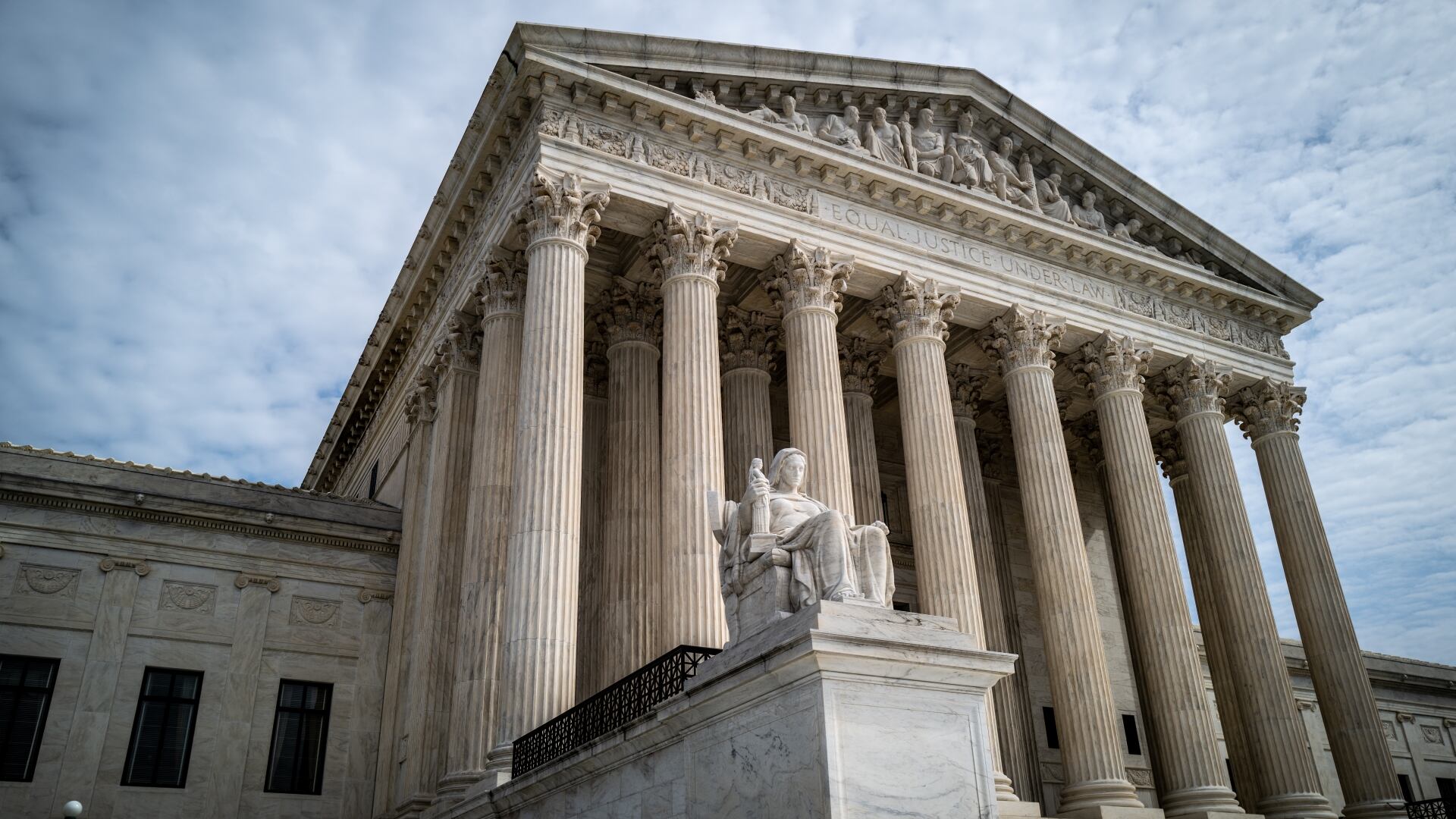
The Supreme Court will be hearing arguments in Dobbs v. Jackson Women's Health on Wednesday over a Mississippi law banning abortions after 15 weeks. Jimmy Hoover, the Supreme Court editor-at-large for Law360, joined Cheddar to break down the momentous legal fight. "This is the biggest abortion case at the Supreme Court in 30 years," he said. "It is a … a direct challenge to Roe v. Wade."
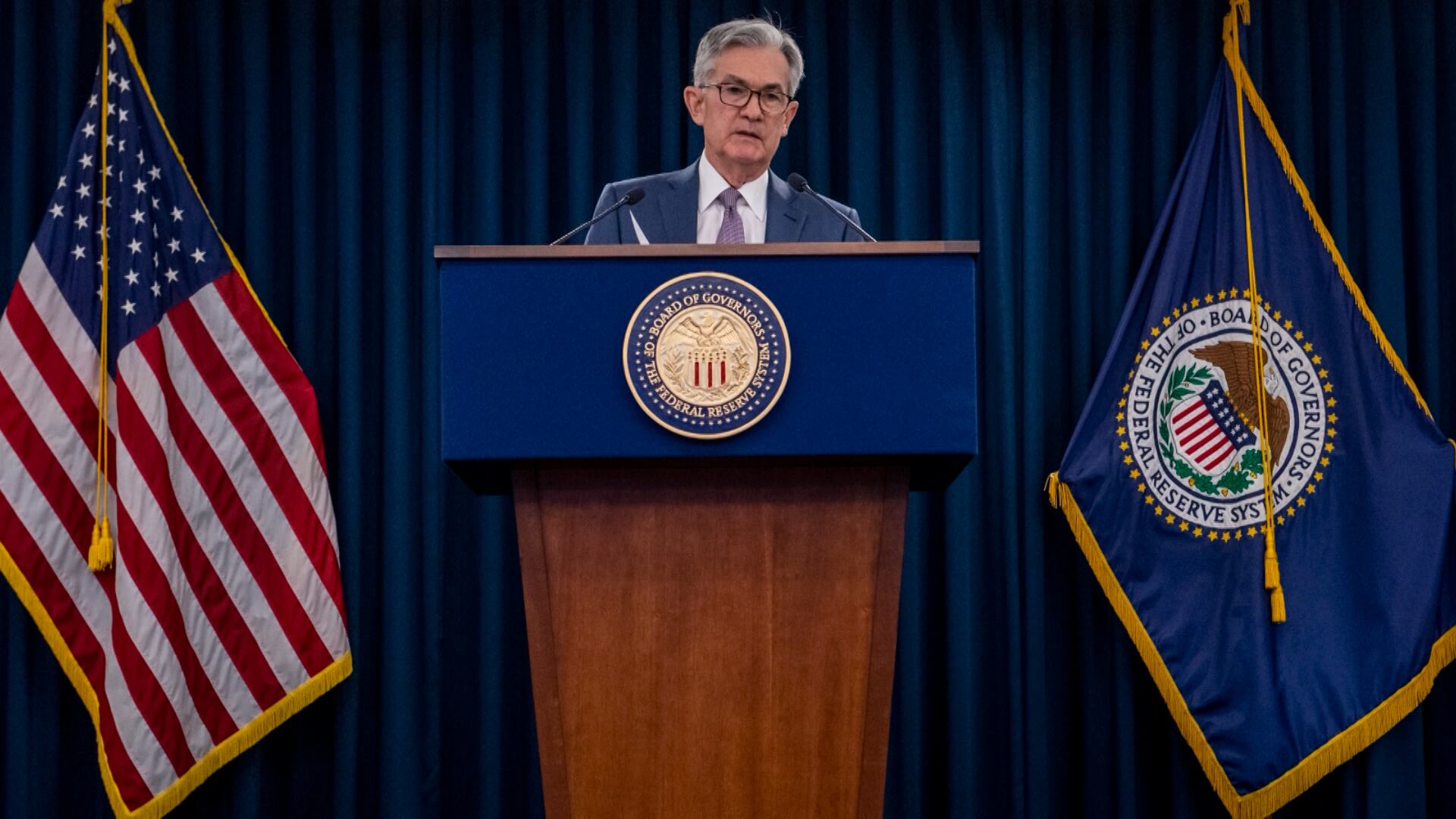
Matt Peron, Director of Research at Janus Henderson Investors, joins Cheddar News' Closing Bell, where he breaks down the factors leading to today's market slide and says there's more to it than Fed Chair Jerome Powell's comments about speeding up tapering efforts.
Walmart CEO Dough McMillon praised the Biden administration's efforts to ease supply chain constraints after the company saw a 26 percent jump in shipments over the last month. President Joe Biden had announced back in October that California ports would operate on a 24/7 basis.
Jill and Carlo cover the latest developments with the Omicron variant that are spooking markets once again. Twitter's @Jack is leaving, SCOTUS takes up abortion rights and the world has a brand new republic.
The Biden Administration is set to buy 10 million courses of Pfizer's Covid pill if it gains emergency use authorization from the FDA. With this purchase, the U.S. will receive more than 13 million courses of antiviral pills aimed at treating Covid and reducing severe illness and death. Pfizer's pill has been shown to reduce risk of hospitalization and death by 89 percent, proving it could be a key tool in the fight against the pandemic. Dr. Soumi Eachempati, Co-Founder, CEO & CMO of Cleared4, joined Cheddar News to discuss.
The Build Back Better Act has been at the center of endless negotiations and debate, ultimately landing as a nearly $1.8 trillion plan. One of the highlights is $170 billion dollars for affordable housing, making history as the largest investment in the sector to date. Eliza Collins, politics reporter for The Wall Street Journal, joins Cheddar News to break down the bill.