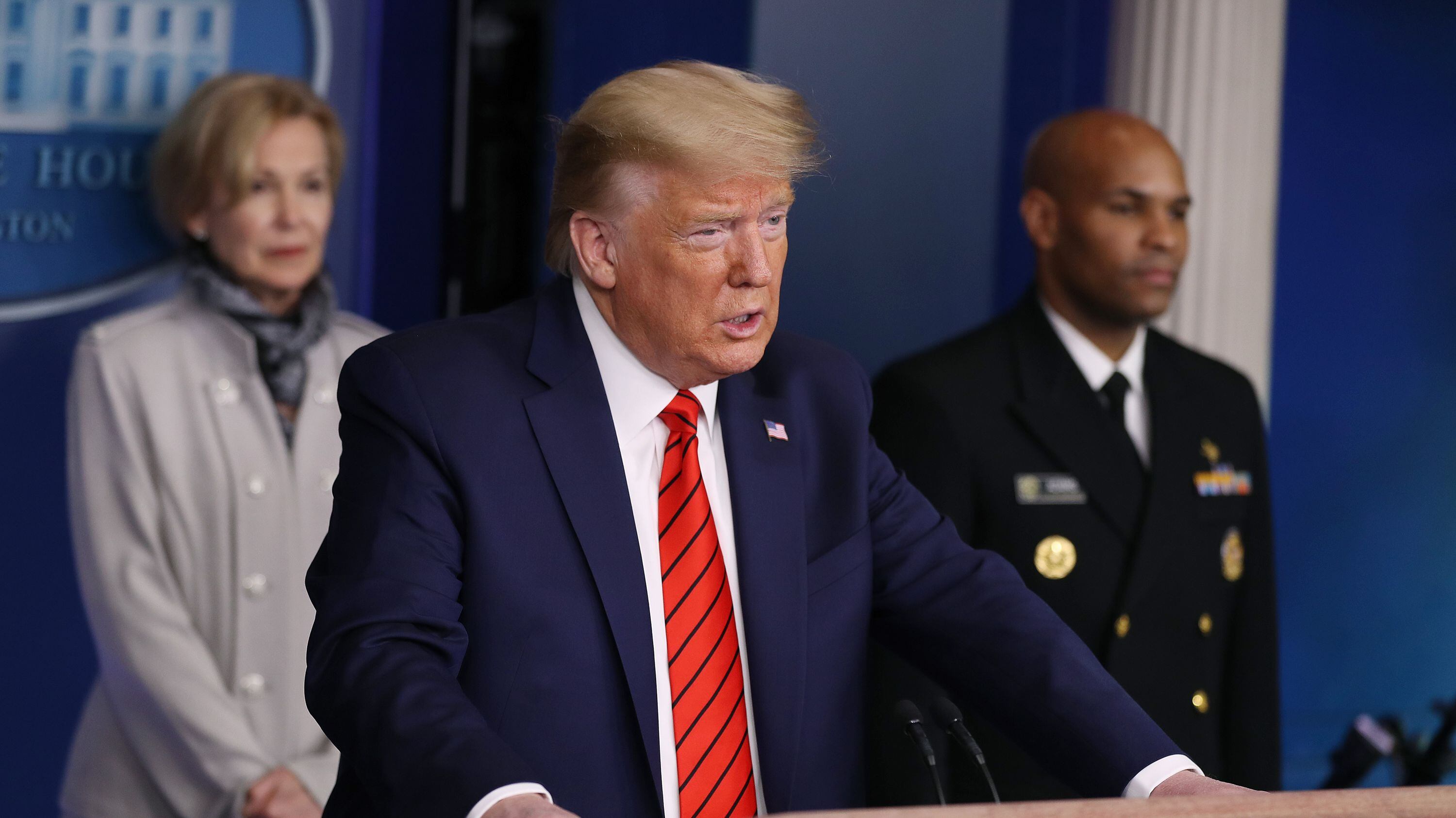
President Donald Trump speaks speaks on the latest developments of the coronavirus outbreak, while flanked by White House coronavirus response coordinator Debbie Birx (L), and U.S. Surgeon General Jerome Adams (R), in the James Brady Press Briefing Room at the White House March 19, 2020. (Photo by Chip Somodevilla/Getty Images)
President Donald Trump in a press conference on Thursday said the Food and Drug Administration is fast-tracking efforts to approve an antiviral therapy, best known for treating malaria, for use in coronavirus cases.
The drug, hydroxychloroquine, was developed more than a half-century ago and is approved for treating malaria, arthritis, and other ailments. Reports out of China and Italy suggest the drug may help, but there is no hard data yet.
"We're going to be able to make that drug available almost immediately," Trump said.
The FDA is working to conduct a "large, pragmatic clinical trial" quickly to confirm the drug's benefit to coronavirus patients, said Commissioner Dr. Stephen Hahn.
He also tempered the president's optimism about the still-untested solution.
"What's also important is not to provide false hope," he said. "We may have the right drug, but it might not be in the appropriate dosage form right now, and it might do more harm than good."
New antiviral therapies face a shorter and less arduous approval process than vaccines, several of which are under development with 12 to 18-month timelines.
"The therapies are something we could move on much faster potentially," Trump said.
He claimed the administration "slashed red tape" to develop new vaccines and therapies.
The president also held out on confirming whether he would invoke the Defense Production Act, which he signed on Wednesday, to mandate the production of needed medical supplies such as N95 respirators and surgical masks.
"If we find that we need something, then we will do that," he said.
Trump repeated that he was open to the federal government buying equity stakes in the airline, cruise, hospitality, and other industries hurt by the outbreak.
The press conference opened with more controversial language placing the blame squarely on China for the outbreak, despite concerns voiced about potentially exacerbating a backlash against Asian Americans.
"We continue our relentless effort to defeat the Chinese virus," Trump said.
Jill and Carlo discuss what appears to be the beginning of the end of Roe v. Wade, another victim dies following the school shooting in Michigan, Omicron in the U.S., Trump's Covid chronology and more.
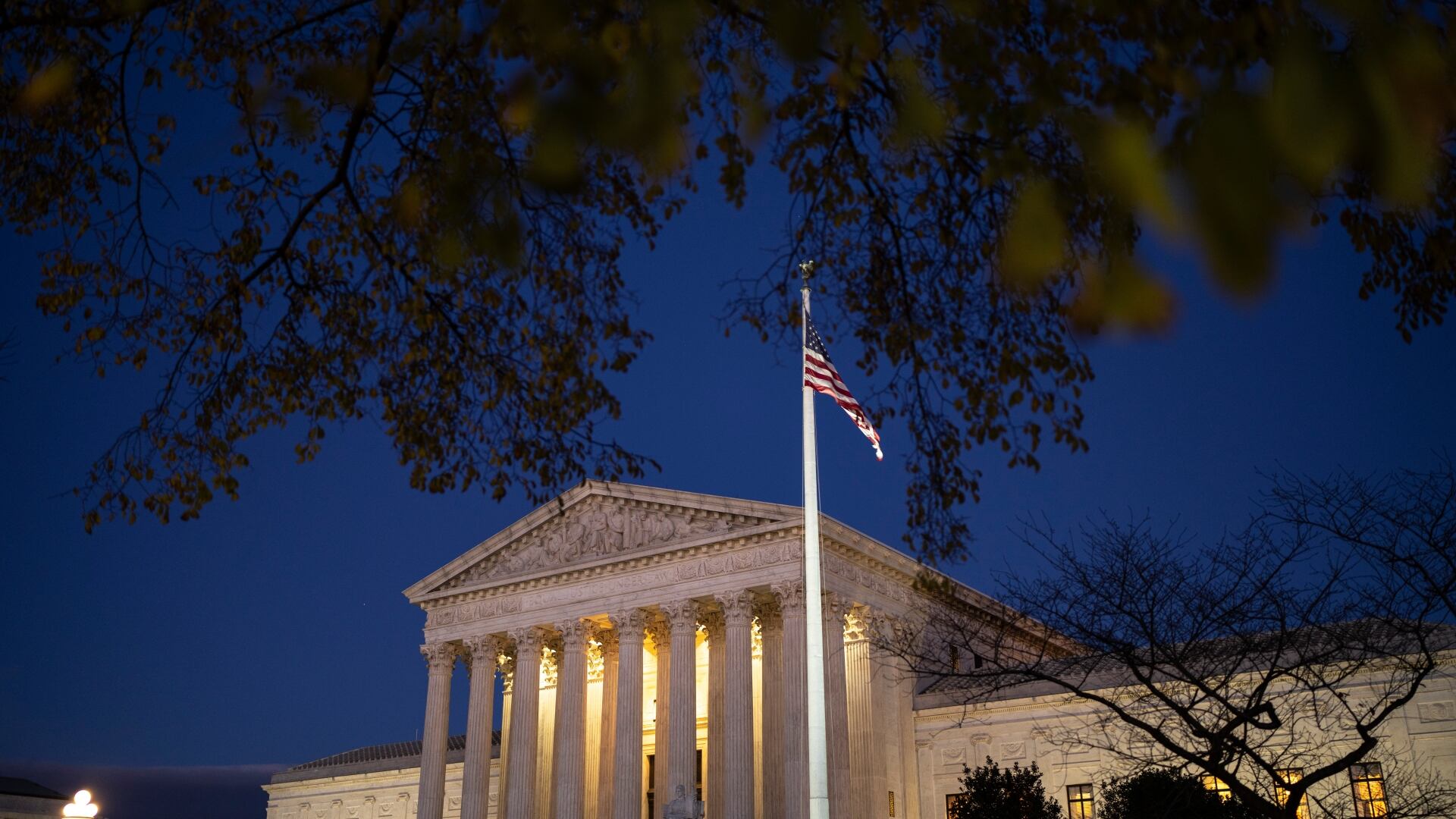
The Supreme Court appeared prepared Wednesday to uphold a Mississippi law that would ban almost all abortions after 15 weeks of pregnancy. The ruling is far from over, with Roe V. Wade at risk. Susan Rinkunas, senior reporter at Jezebel, joins Cheddar News to share the developments of the hearing.
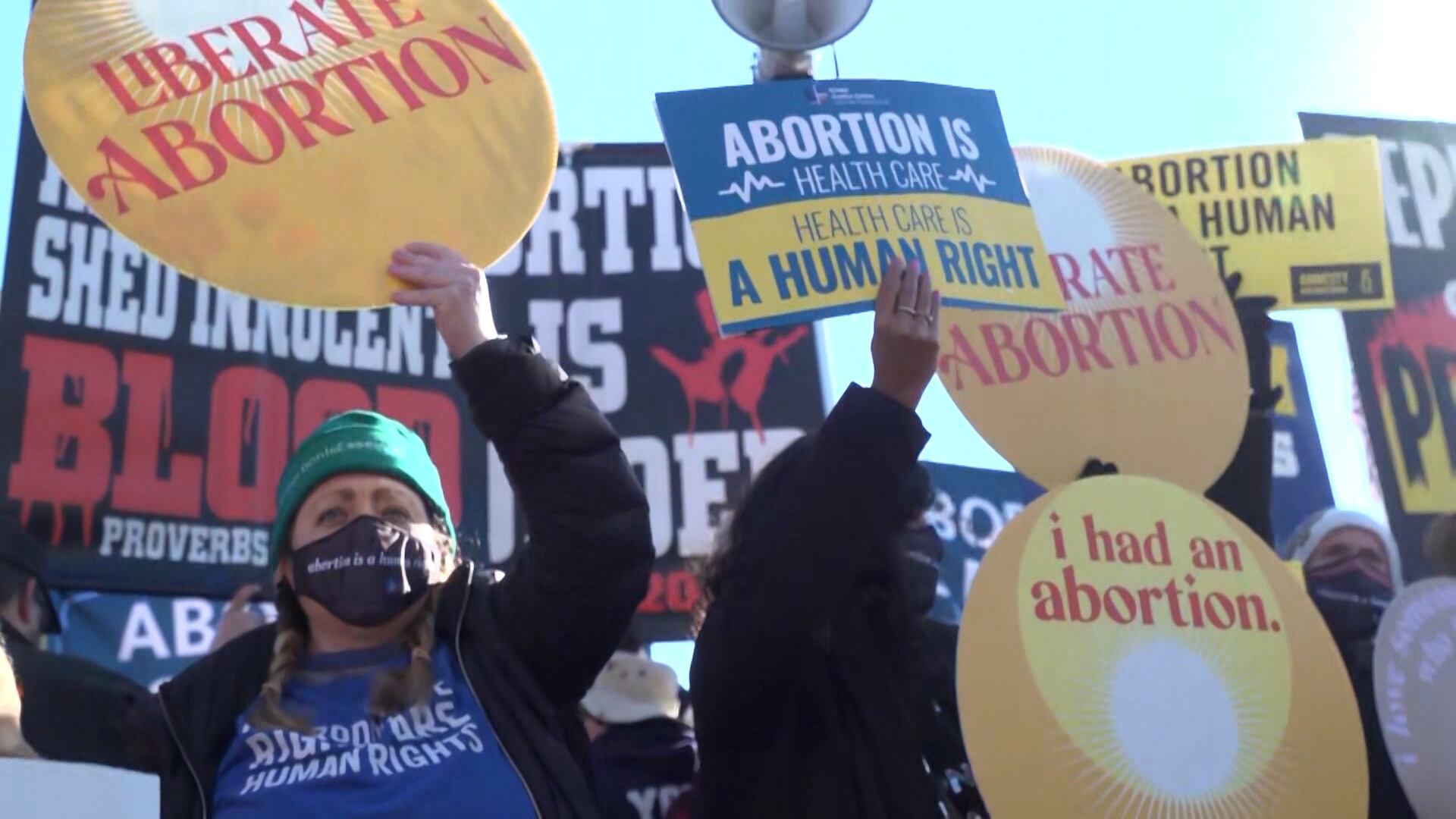
The nine justices heard arguments Wednesday, around a Mississippi abortion law that bans the procedure after 15 weeks and appeared to lean toward upholding the law, while leaving uncertainty about the landmark precedent, Roe v. Wade. Kristin Ford, vice president of communications and research at NARAL Pro-Choice America joins Cheddar News to discuss.
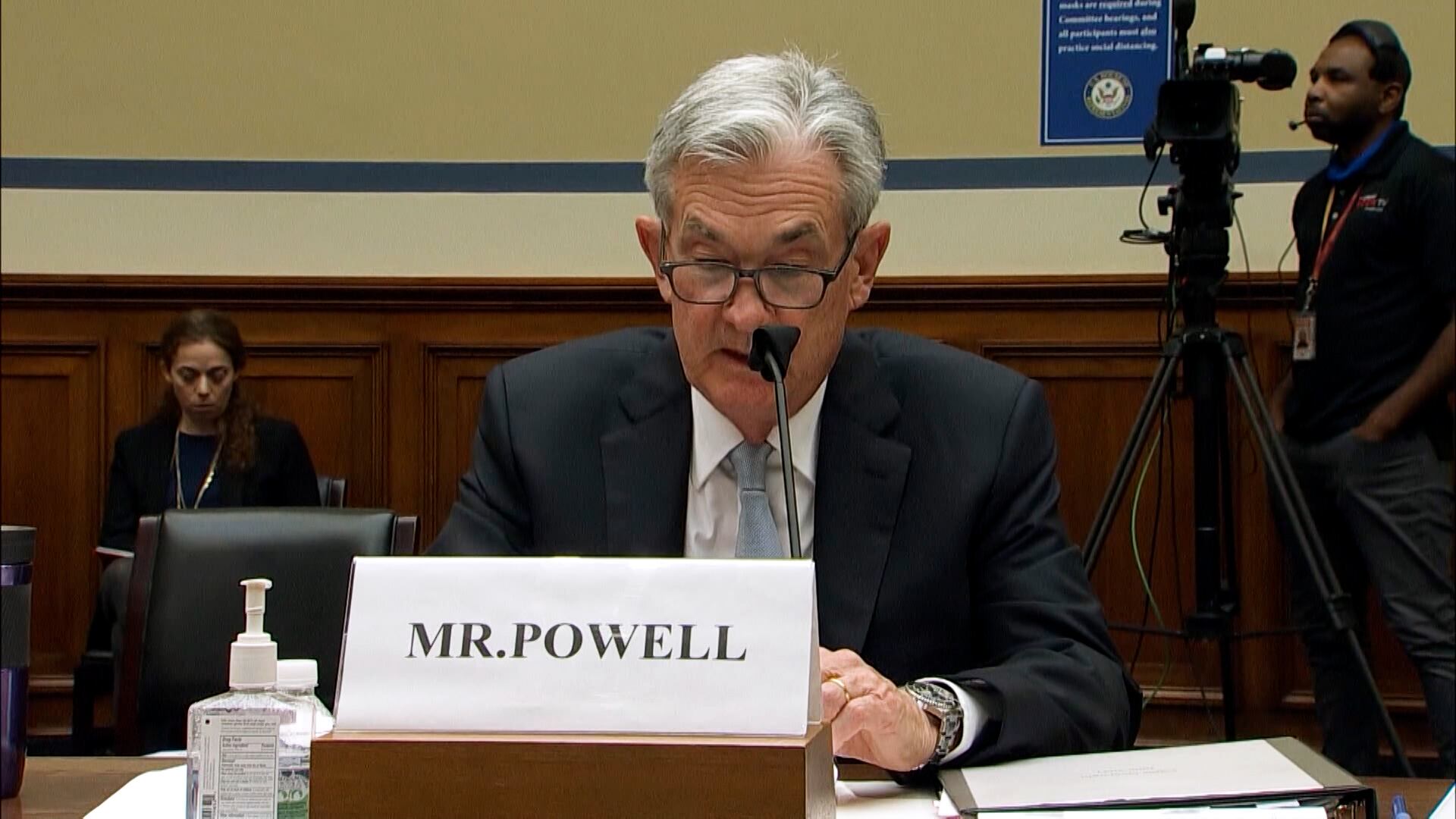
Just about a week after being re-nominated, Federal Reserve Chair Jermone Powell is changing his tune. After nearly a year of referring to inflation as 'transitory,' Powell said he will retire the 'T' word as inflation remains elevated. Christopher Russo, Post-Graduate Research Fellow, Mercatus Center joined Cheddar's Opening Bell to discuss.
Airbnb has come under fire after an Axios report found that the rental company has properties available in China's Xinjiang region where the nation has been accused of committing genocide against Uyghur Muslims, demolishing their homes, and replacing them with tourist attractions.
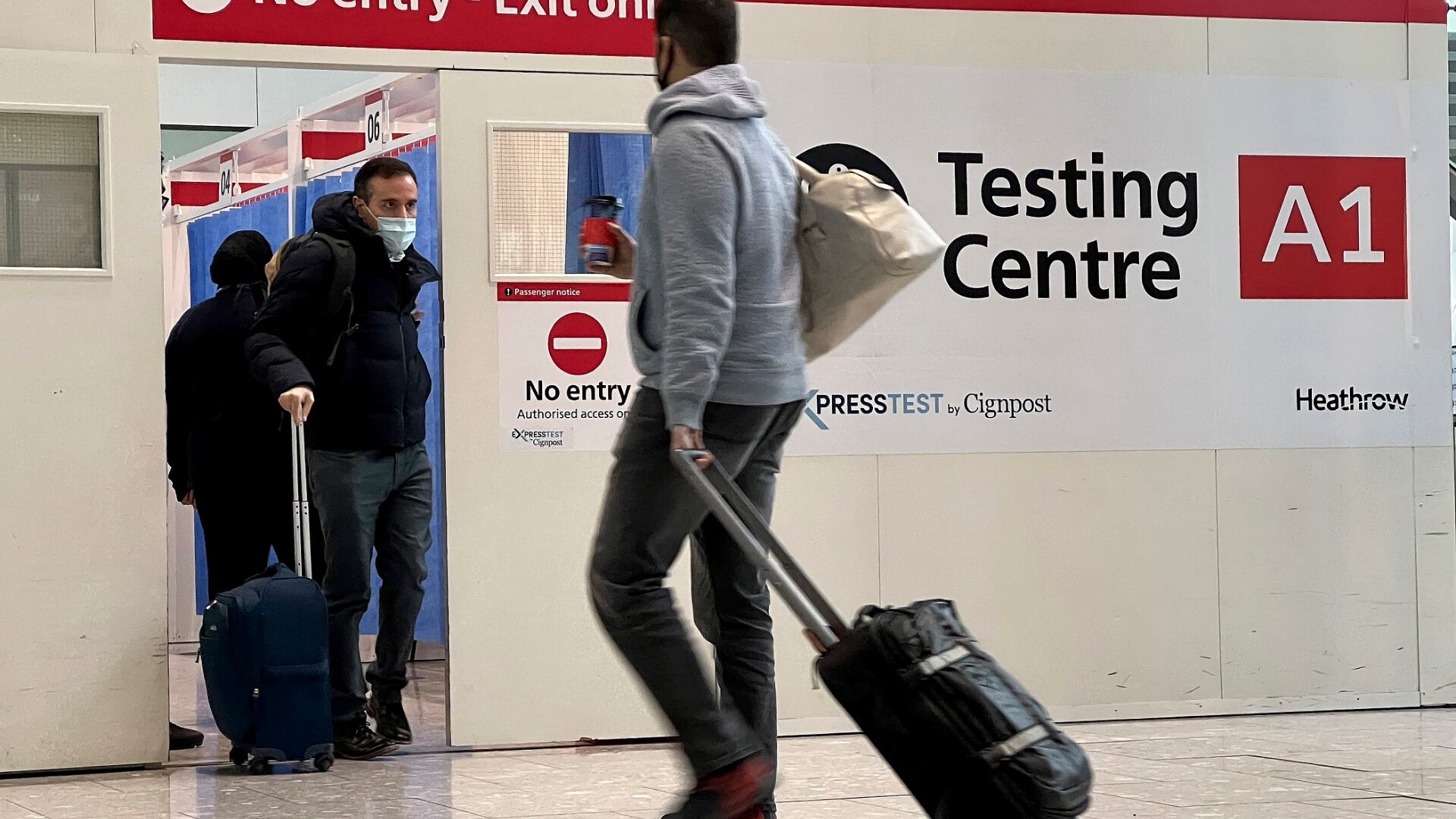
With the emergence of the omicron variant, the U.S. is considering tightening international travel guidelines. The CDC said it might reduce the window for foreign travelers to submit a negative COVID-19 test from three days prior to one day before allowing entry.
Jill and Carlo cover the latest on Omicron, another school shooting in America and more. Plus, bidding farewell to 'transitory' inflation, and the controversy surrounding 'Lovely Bones' author Alice Sebold.