As the U.S. honors Hispanic Heritage Month, some members of Congress are speaking out against President Donald Trump's treatment of Latinos in America.
Rep. Joaquin Castro (D-Texas, 20th District), chairman of the Congressional Hispanic Caucus, released a statement on the ongoing challenges the community is currently facing.
"For almost four years, Latino communities from Puerto Rico to the U.S.-Mexico border have been under assault from a hostile and xenophobic administration that has separated families, abandoned those in need, and spread fear and hate," Castro said.
Rep. Ruben Gallego (D-Ariz,.7th District), first vice-chair of the caucus, echoed Castro's sentiments Tuesday on Cheddar, criticizing the president's response to hurricane devastation in Puerto Rico and his treatment of DACA recipients.
One of the most pressing issues in the U.S. is the coronavirus pandemic, which Castro noted hurts the Hispanic community especially.
"The coronavirus pandemic has disproportionately harmed the health and financial security of many Latino families," Castro wrote. "With disproportionately high rates of infections, hospitalizations, and death, as well as the highest rate of workers unable to work remotely, COVID-19 has been a catastrophe for the Latino community."
Gallego criticized Trump's "irresponsible actions as a leader" amid the pandemic.
"Latinos have disproportionately, above any other demographic, paid the price because of COVID-19," Gallego said. "Because at the end of the day a lot of our people end up being essential workers of this country, and we couldn't social distance."
The CDC released new numbers Friday showing nearly half of all coronavirus-related deaths in people younger than 21 have been Hispanic.
"At the end of the day because we're a younger demographic to begin with, and we're also a middle-class and working-class demographic, we did not have the capability to shelter in place," Gallego said. "Plus the fact that many of us were uninsured to begin with or were underinsured and weren't able to take care of some of the underlying conditions that really give us as a community morbidities that made us more vulnerable to the coronavirus."
The Biden administration is making changes to federal student loan programs, bringing more than 3.6 million people closer to debt forgiveness under the new rules, providing 40,000 with immediate debt cancellation, and allowing several thousand more with older loans to get some relief. Rob Franek, Editor-In-Chief of the Princeton Review, joined Cheddar News to break down how these changes might impact the lives of student loan borrowers and addresses some of the pushback against doing even more. "This is not a bankruptcy bailout of industries that are supporting the American economy," he said. These are for students right now who would otherwise be hobbled financially if they didn't experience some sort of forgiveness overall."
Emmanuel Macron staves off the far right challenger Marine Le Pen in France, conservative lawmakers find themselves embroiled in varying controversies, and pickleball is hotter than ever in the U.S.
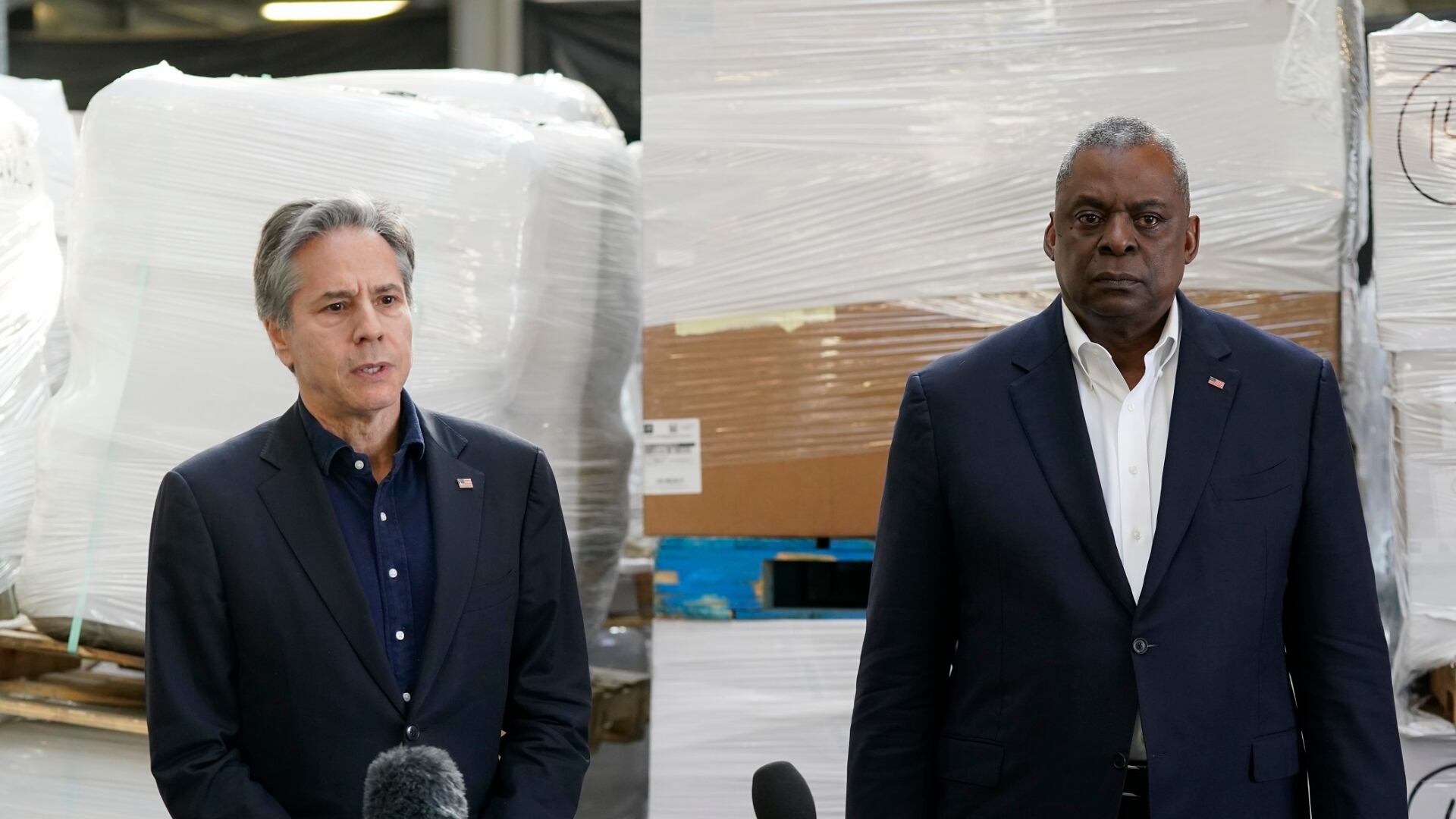
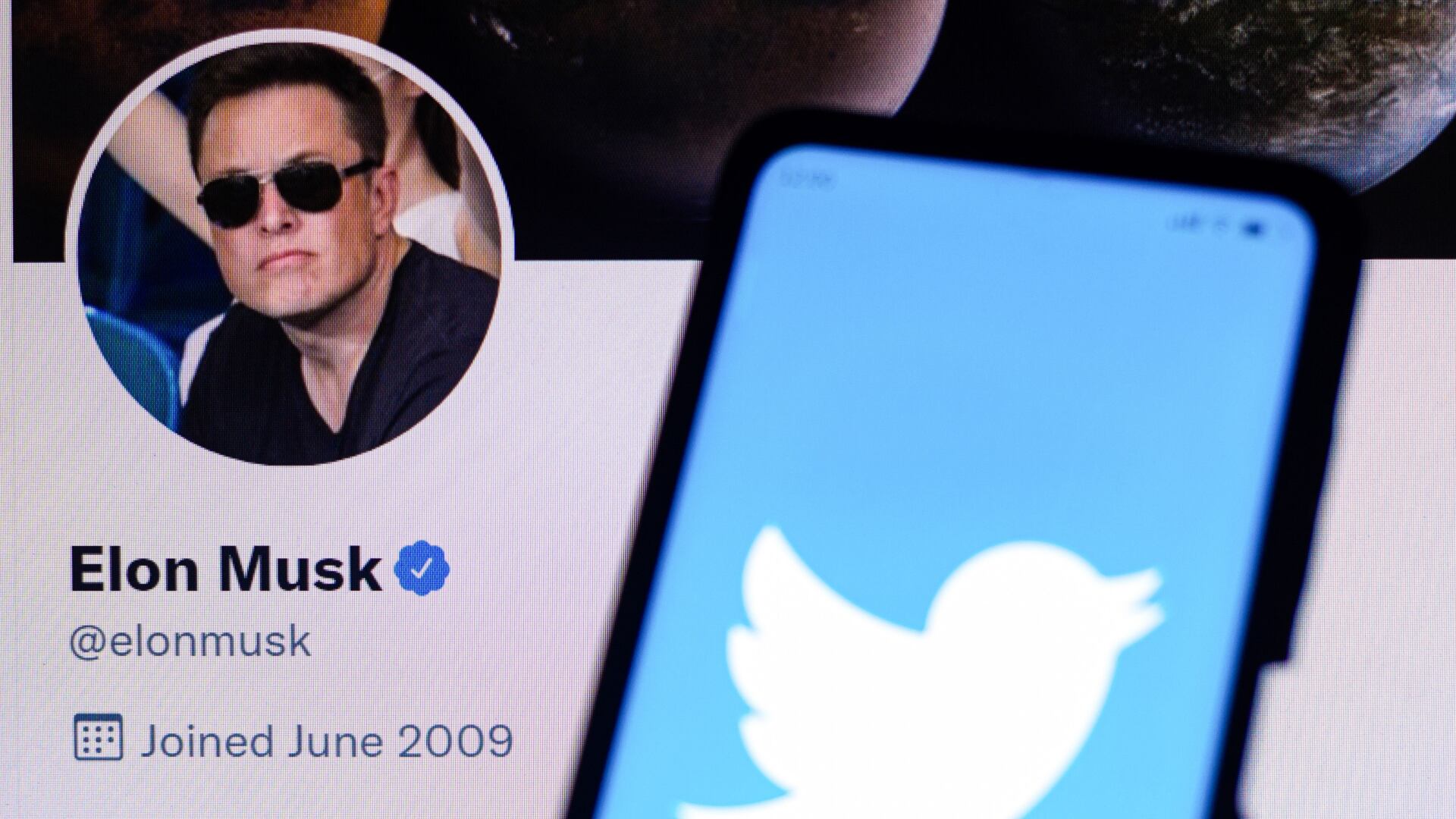
Catching you up on what you need to know on April 25, 2022, with Secretary of State Blinken and Defense Secretary Austin visiting Ukraine, Emmanuel Macron is reelected as president of France, Twitter is talking to Elon Musk about his purchase bid, and more.
Between Bells EP Conor White recaps some of the biggest stories of the week, and teaches Baker Machado and Azia Celestino a thing or two at the same time. It's This Week in Trivia!
An increasing number of countries are recognizing "Rights of Nature", a legal movement that says ecosystems and species have basic rights to exist and flourish. Grant Wilson, executive director at Earth Law Center joins Cheddar News to explain what the movement is aiming to achieve.
The saga surrounding Elon Musk's bid to buy Twitter has made its way to Washington, DC. A group of 18 House Republicans are calling on the social media platform's board to preserve all records and documents related to the company's response to the offer from the Tesla CEO. Caleb Silver, editor in chief of Investopedia, joined Closing Bell to discuss. "This is a long term play, but it's just a shot across the bow by congressional Republicans, who probably will end up taking the House, that they're going to be tough on Big Tech and they're going use Musk's bid for twitter to take it private, so that he can get the platform to be open source and remove its censorship."
Florida Gov. Ron DeSantis has signed a bill dissolving Walt Disney World’s private government after the entertainment giant criticized a measure that critics have dubbed the “Don’t Say Gay” law.
Removing carbon from our atmosphere has become a goal for scientists and entrepreneurs around the world, and while many have begun to develop promising technology solutions, a few big names in tech, including Stripe, Alphabet, Shopify, Meta and McKinsey, are committing nearly $1 billion dollars to fund carbon removal technology through 2030 through a new initiative called Frontier, an advanced market commitment to incentive following through on development. Hannah Bebbington, the head of strategy for Frontier, joined Cheddar News to discuss. "What Frontier aims to do is help get this market on track by sending that strong demand signal such that we can scale up capacity really significantly in the next couple of years," she said.
Autumn Peltier, an indigenous water activist, joined Cheddar News to talk about the lack of access to clean water among indigenous communities in Canada. “I say the government to hold themselves accountable for the promises that they make because Canada and indigenous people have a long history of broken promises and they still continue to this day to keep breaking promises with the nation's people," she said. "Less talk and more action is very much expected from me."