President Trump on Wednesday morning ordered the U.S. Treasury to "substantially increase" sanctions against Iran.
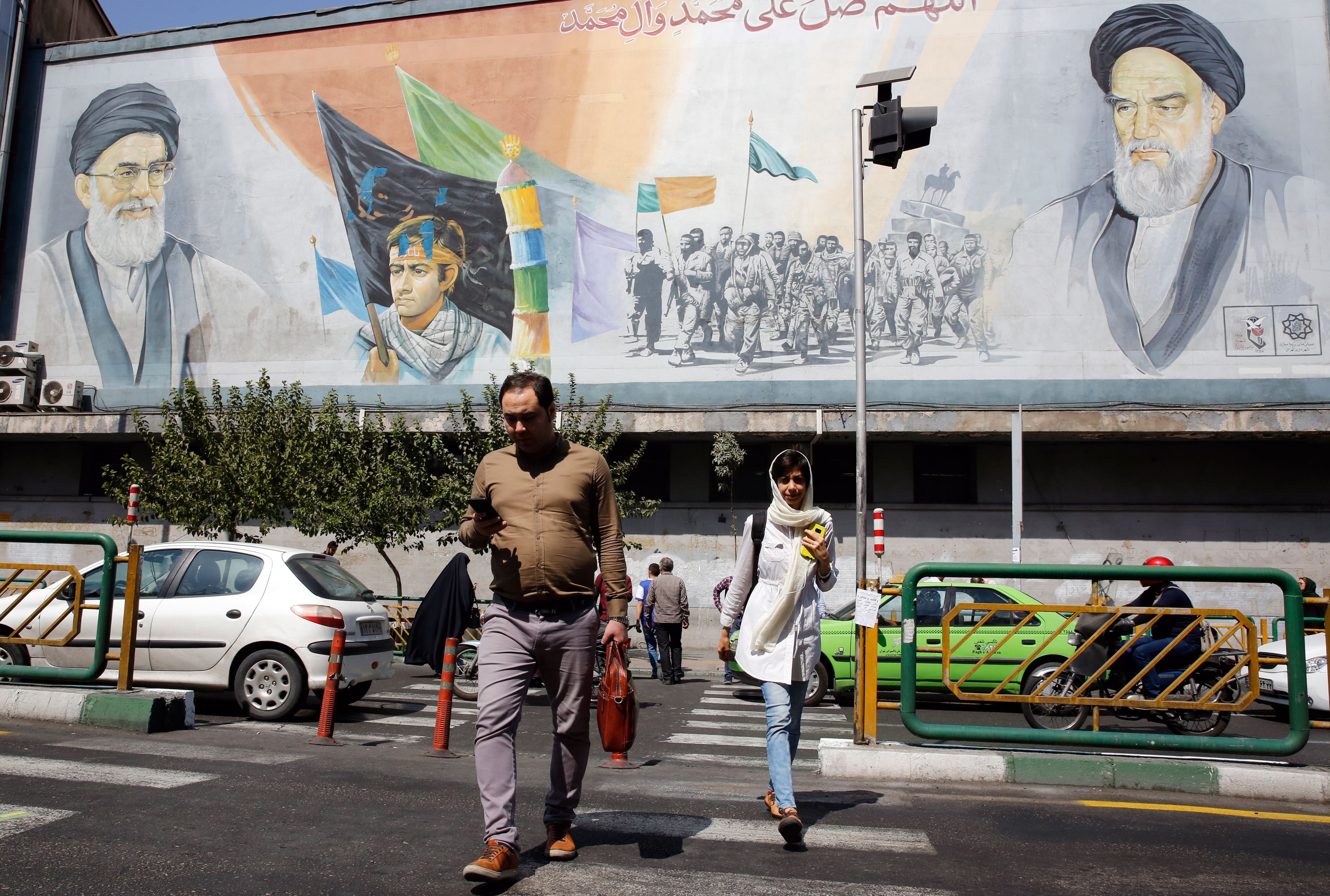
The escalating measure follows several days of heightened tensions between the two countries over the attack on oil facilities in Saudi Arabia over the weekend. Trump's instructions to Treasury Secretary Steve Mnuchin also come after several statements this week from Iranian leaders reiterating that Iran will not negotiate with the U.S. while sanctions are imposed.
"If the U.S. wants to have a seat at the negotiating table, it must return to its commitments and show that it's a reliable country," Iran's Foreign Minister Mohammad Javad Zarif said in Tehran on Wednesday, according to Iranian state media. "If we can't rely on it, it's not a country with which there can be an agreement."
Tensions first flared after the U.S. blamed Iran for the drone attacks on two Saudi state-owned oil installations on Saturday. Iran has repeatedly, and vehemently, denied the charge; even sending a formal letter to Trump via the Swiss Ambassador, who represents U.S. interests in Tehran, denying involvement, the Islamic Republic News Agency reported.
Diplomatic relations deteriorated last year after Trump made good on a campaign promise and withdrew the U.S. from the 2016 Iranian nuclear deal, formally called the Joint Comprehensive Plan of Action (JCPOA). In November 2018, the U.S. Treasury re-imposed harsh sanctions, which had been rescinded under the JCPOA, on "critical sectors of Iran's economy" including energy, transportation, and finance. The U.S. also imposed sanctions on over 700 individual Iranian officials.
Over the last year, Iran has refused to publicly engage with the Trump administration until the U.S. recommits to the nuclear pact, which it withdrew from despite objections from the other signatories and international monitoring groups that confirmed Iran was complying with the JCPOA. Trump, meanwhile, has repeatedly expressed a willingness to negotiate with Iran and meet with its top leaders.
"We'll see what happens … I think Iran has a tremendous, tremendous potential," Trump said last week — before the attack in Saudi Arabia — on whether he will meet with Iranian President Hassan Rouhani at the United Nations' General Assembly, which kicked off in New York this week.
Iranian Supreme Leader Ayatollah Ali Khamenei, however, said Tuesday that "there will be absolutely no negotiation between the officials of the Islamic Republic and the U.S. at any level; neither in New York and not anywhere else."
<i>Saudi military spokesman Col. Turki al-Malki displays what he described as an Iranian drones used in the attack this weekend on Saudi Arabia's oil industry. Photo Credit: Amr Nabil/AP/Shutterstock</i>
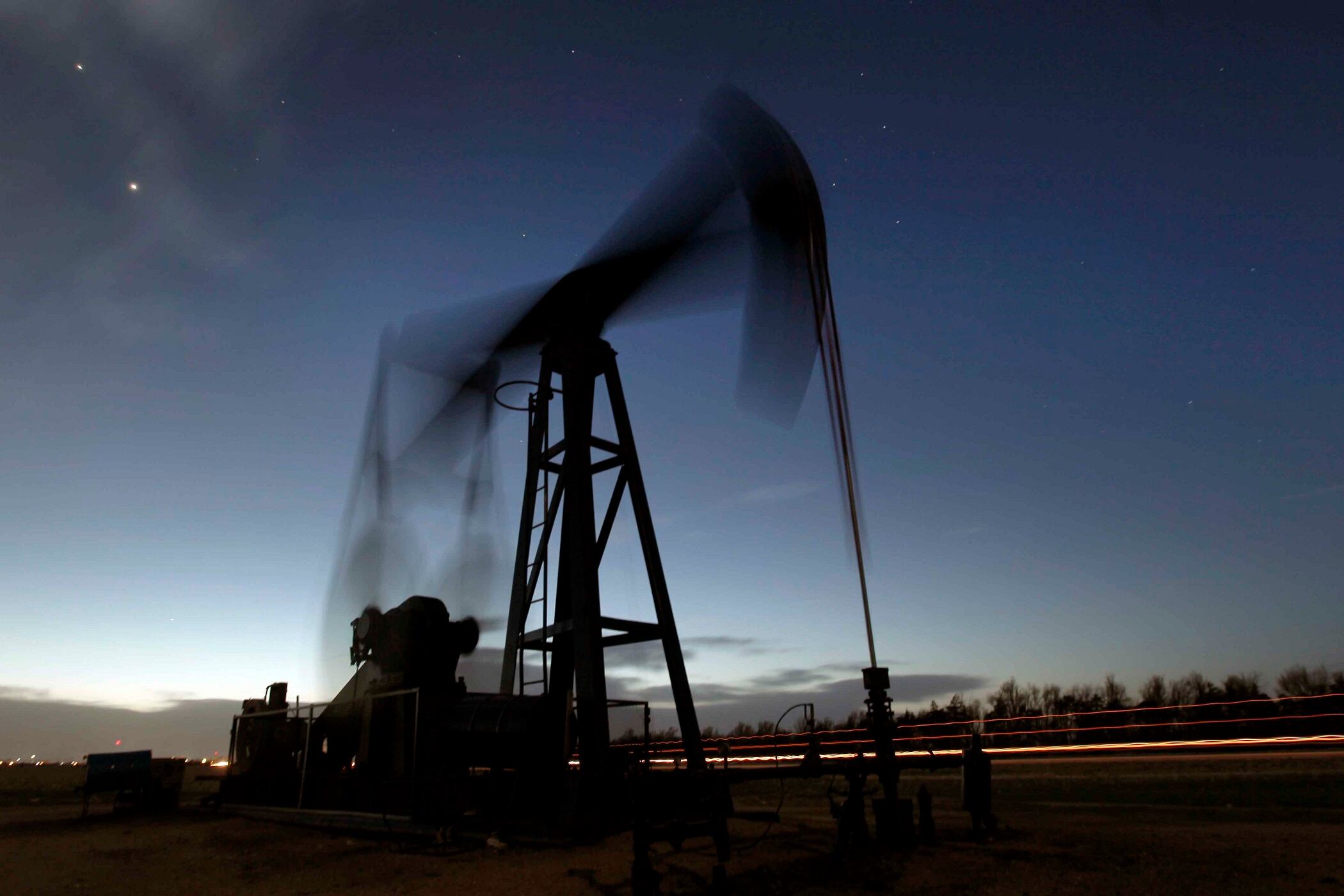
At a press conference in Riyadh on Wednesday, Saudi Arabia's Ministry of Defense presented the wreckage of drones that it claimed struck the two oil plants. Officials said the debris pointed to decisive evidence that Iran was directly involved in the attack, which briefly crippled one of the world's most important oil facilities and sent shockwaves through global energy markets.
The Houthi group in Yemen, which is backed by Iran and is currently at war with a Saudi-led coalition, had claimed responsibility for the attack but did not provide conclusive evidence for the claim.
Despite direct accusations against Iran from top U.S. officials, Trump on Sunday said that the U.S. was "waiting to hear from the Kingdom as to who they believe was the cause of this attack" before responding. Trump did not elaborate as to whether the sanction hike was a direct response to the attack in Saudi Arabia and the U.S. Treasury did not immediately respond to inquiries from Cheddar.
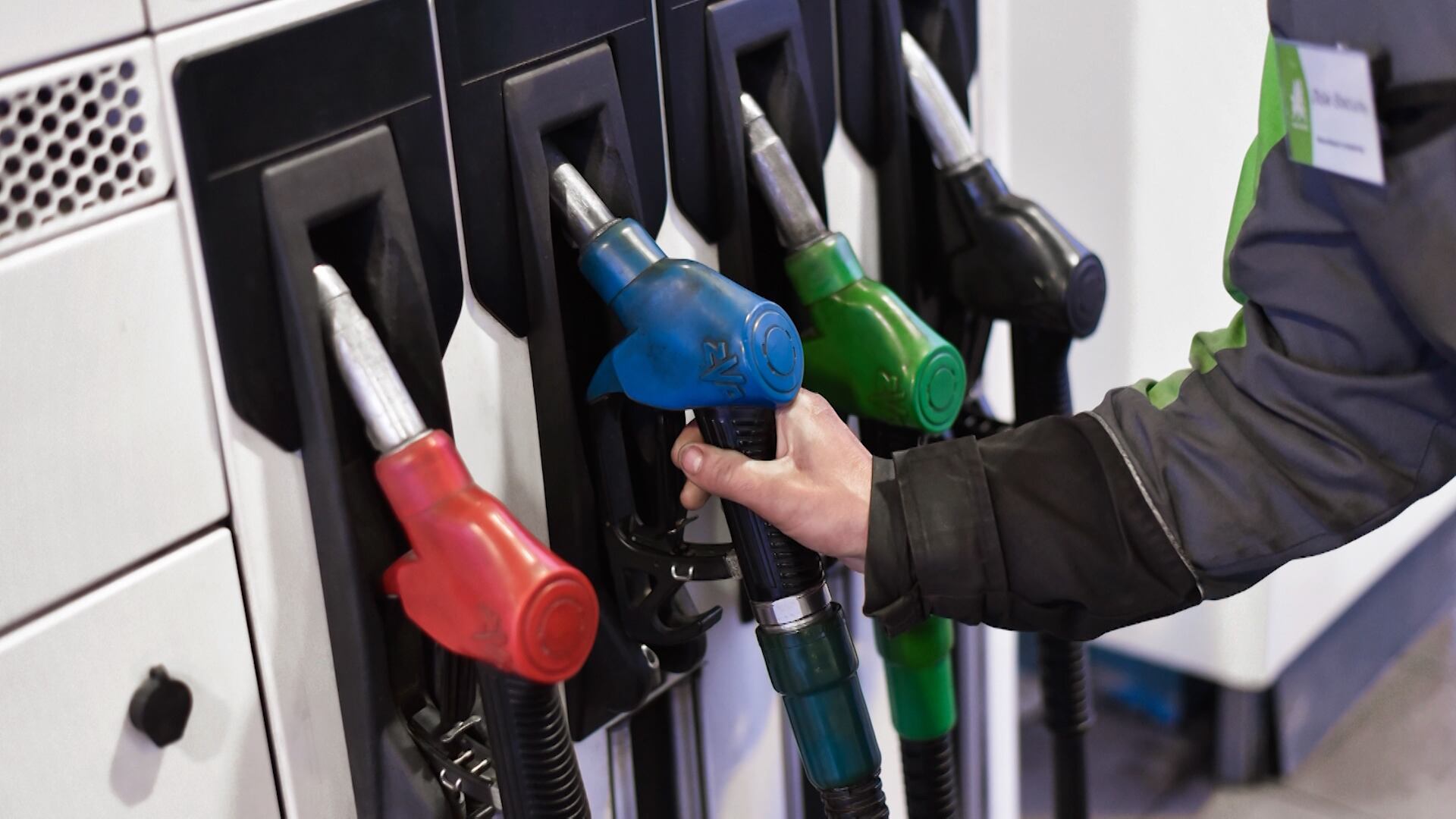
Prices at the pump have escalated severely during the Russian invasion of Ukraine. Paul Christopher, head of global market strategy, Wells Fargo Investment Institute, joined Cheddar News to explain how he sees the gas prices continuing to spiral despite the International Energy Agency announcing the release of 60 million barrels of oil from the strategic reserves of 31 countries. "We think you could see oil and gas prices continue to rise. Oil prices maybe could hit $140 a barrel. That's possible. And that would add another 50-60 cents on top of the gasoline prices you already have," he said.
President Joe Biden is set to give his first State of the Union address amid both international and domestic crises: the Russia-Ukraine conflict and continued rising inflation and economic worries at home. He's expected to focus on a four-point plan to reduce everyday costs, and promote economic competition, among other key tenets. But will it be enough to persuade Americans that his administration will be able to get rising prices and foreign policy moves under control? Eugene Scott, national politics reporter at The Washington Post, joins Closing Bell to discuss Biden's expected focus, how he will aim to ease Americans' concerns, and more.
Dr. Daniel Bober, psychiatrist and certified addiction medicine physician, joins Cheddar News to offer tips on how parents and guardians can talk to their children about what's happening in Ukraine.
While crypto exchanges have been used to aid Ukraine amid the Russian invasion, critics point to possible sanction evasion on the Russian side using the same technology. Cheddar's Alex Vuocolo takes a closer look.
Airbnb.org has announced that it will provide up to 100,000 Ukrainian refugees with free housing. Airbnb.org is the philanthropic branch of Airbnb that provides free housing for those affected by disasters. Joe Gebbia, co-founder and chairman of Airbnb.org, joined Cheddar News to talk about how the company has helped thousands find shelter in times of crisis. "A lot of people are saying this conflict is likely to be the largest humanitarian crisis since World War II, and I believe Airbnb believes that companies have a responsibility to step up and to help out in times like these," he said.
The International Energy Agency’s 31 member countries have agreed to release 60 million barrels of oil from their strategic reserves “to send a strong message to oil markets” that supplies won’t fall short after the Russian invasion of Ukraine.
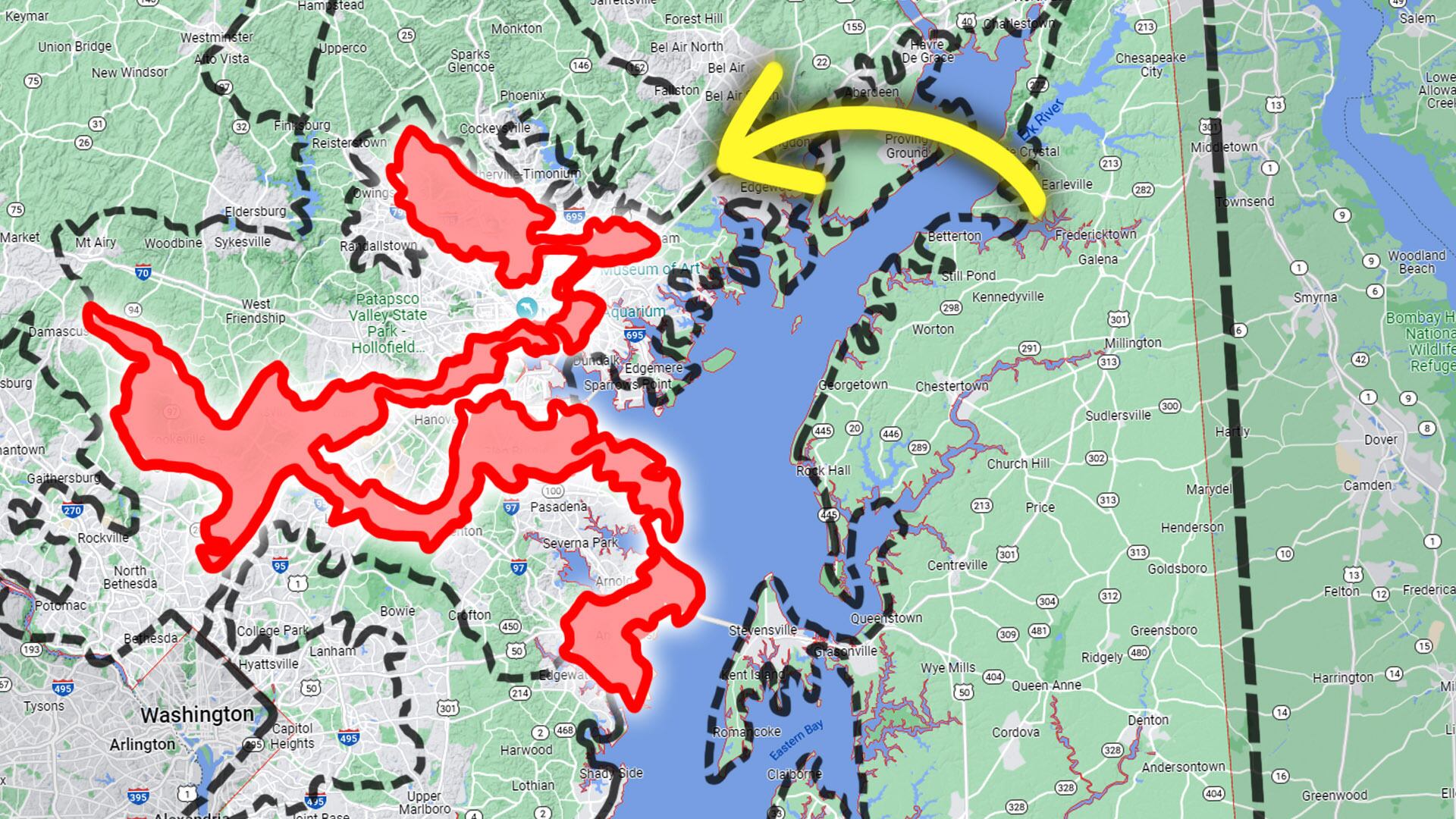
Every ten years, there’s a census. That decennial count is long and tedious and arduous…and important. Because it confirms who lives where so the Federal Government properly allocates resources, so services go to the places that need them most and - yes - so states gain or lose seats in congress and have the opportunity to redraw all their state and Congressional lines.
That means, every 10 years, states start what has famously been one of the most partisan and divisive processes in politics. Because one strategic line can mean the difference in party control in not just the state legislatures but also in congress.
Cheddar explains how gerrymandering works and why it exists.
The COVID-19 pandemic disrupted blood donations leading to severe shortages throughout the country. Chloe Aiello reports on the desperate need for new donors.
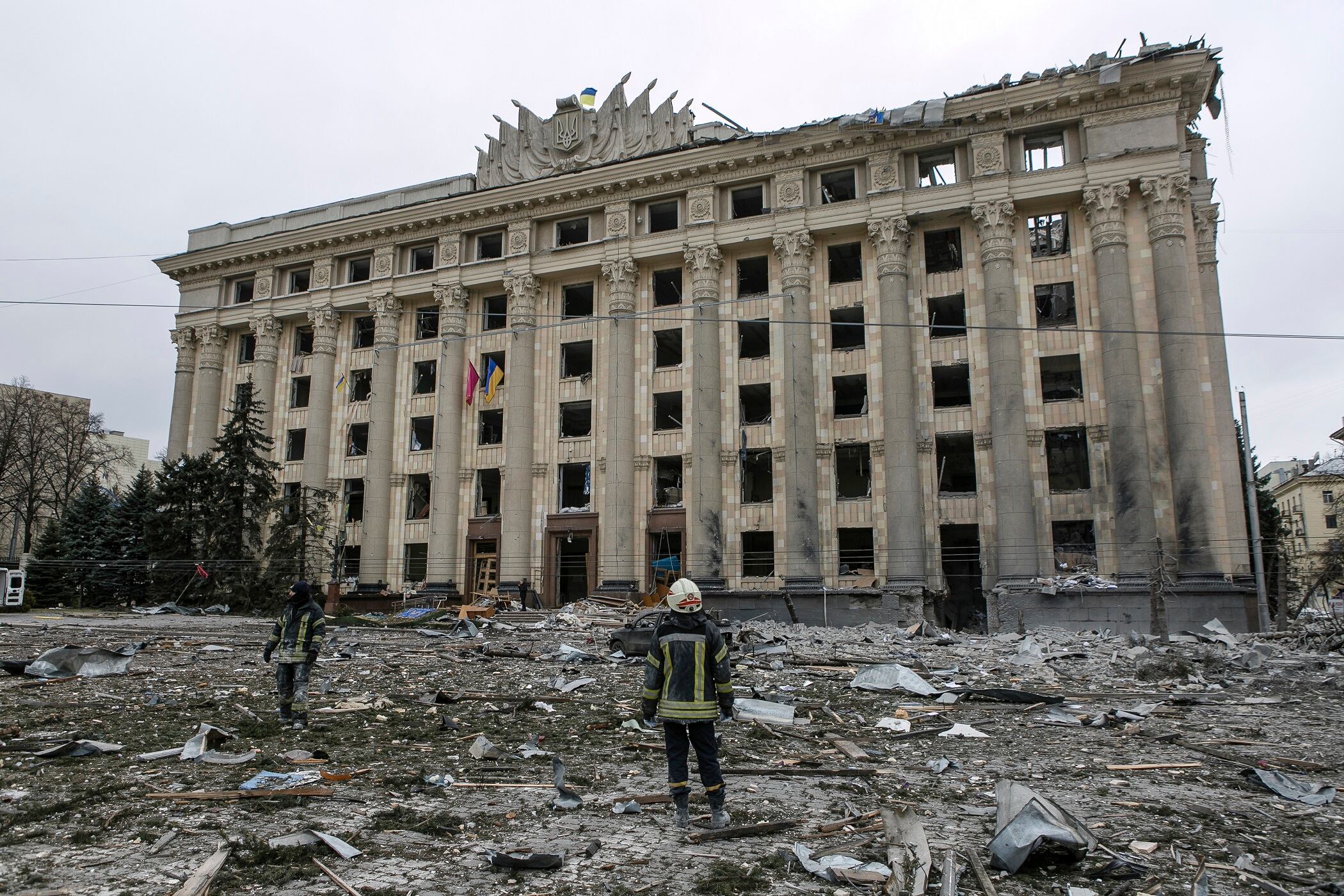
Russian forces escalated their attacks on populated urban areas Tuesday, bombarding the central square in Ukraine’s second-largest city and Kyiv’s main TV tower.