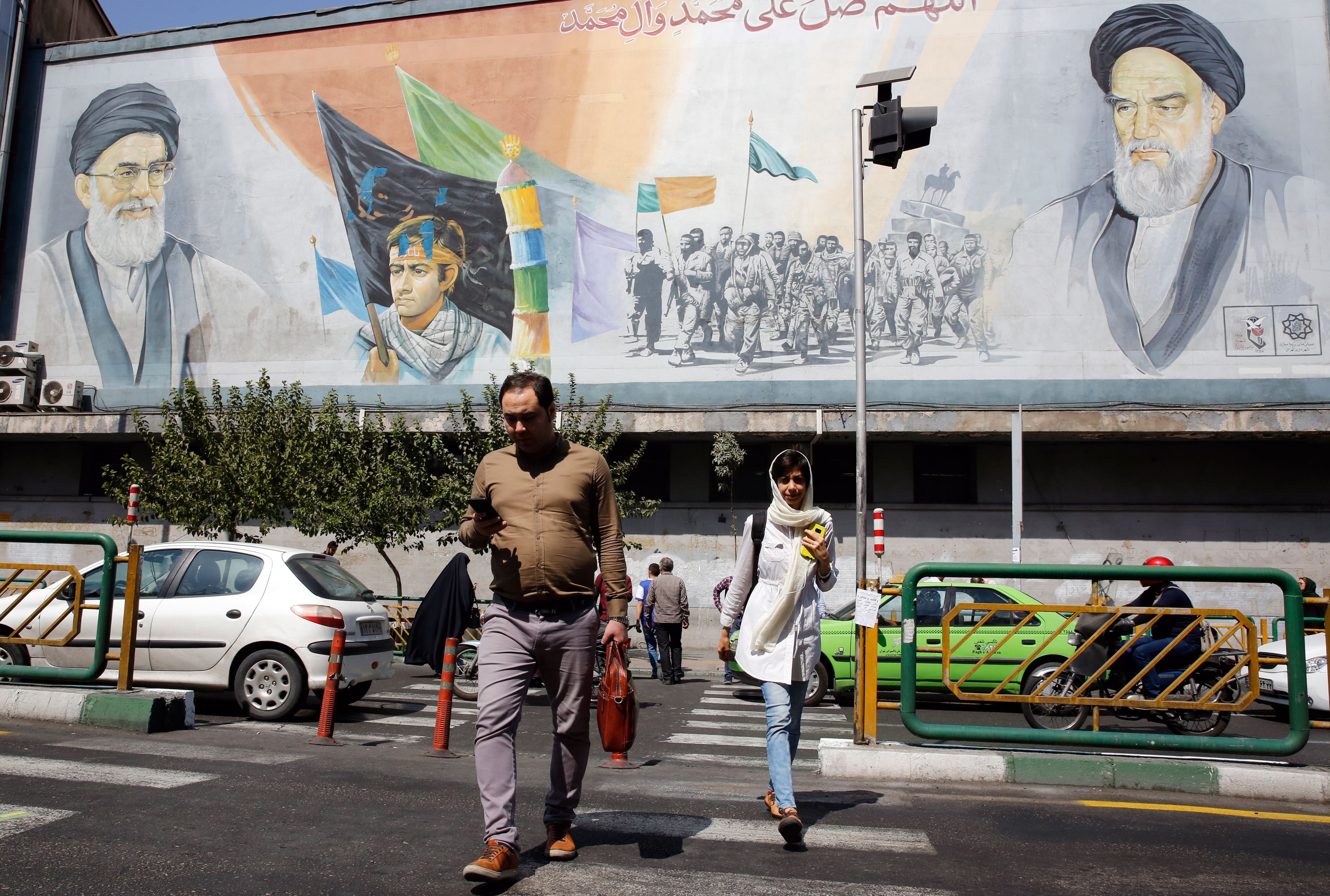
President Trump on Wednesday morning ordered the U.S. Treasury to "substantially increase" sanctions against Iran.
The escalating measure follows several days of heightened tensions between the two countries over the attack on oil facilities in Saudi Arabia over the weekend. Trump's instructions to Treasury Secretary Steve Mnuchin also come after several statements this week from Iranian leaders reiterating that Iran will not negotiate with the U.S. while sanctions are imposed.
"If the U.S. wants to have a seat at the negotiating table, it must return to its commitments and show that it's a reliable country," Iran's Foreign Minister Mohammad Javad Zarif said in Tehran on Wednesday, according to Iranian state media. "If we can't rely on it, it's not a country with which there can be an agreement."
Tensions first flared after the U.S. blamed Iran for the drone attacks on two Saudi state-owned oil installations on Saturday. Iran has repeatedly, and vehemently, denied the charge; even sending a formal letter to Trump via the Swiss Ambassador, who represents U.S. interests in Tehran, denying involvement, the Islamic Republic News Agency reported.
Diplomatic relations deteriorated last year after Trump made good on a campaign promise and withdrew the U.S. from the 2016 Iranian nuclear deal, formally called the Joint Comprehensive Plan of Action (JCPOA). In November 2018, the U.S. Treasury re-imposed harsh sanctions, which had been rescinded under the JCPOA, on "critical sectors of Iran's economy" including energy, transportation, and finance. The U.S. also imposed sanctions on over 700 individual Iranian officials.
Over the last year, Iran has refused to publicly engage with the Trump administration until the U.S. recommits to the nuclear pact, which it withdrew from despite objections from the other signatories and international monitoring groups that confirmed Iran was complying with the JCPOA. Trump, meanwhile, has repeatedly expressed a willingness to negotiate with Iran and meet with its top leaders.
"We'll see what happens … I think Iran has a tremendous, tremendous potential," Trump said last week — before the attack in Saudi Arabia — on whether he will meet with Iranian President Hassan Rouhani at the United Nations' General Assembly, which kicked off in New York this week.
Iranian Supreme Leader Ayatollah Ali Khamenei, however, said Tuesday that "there will be absolutely no negotiation between the officials of the Islamic Republic and the U.S. at any level; neither in New York and not anywhere else."
<i>Saudi military spokesman Col. Turki al-Malki displays what he described as an Iranian drones used in the attack this weekend on Saudi Arabia's oil industry. Photo Credit: Amr Nabil/AP/Shutterstock</i>
At a press conference in Riyadh on Wednesday, Saudi Arabia's Ministry of Defense presented the wreckage of drones that it claimed struck the two oil plants. Officials said the debris pointed to decisive evidence that Iran was directly involved in the attack, which briefly crippled one of the world's most important oil facilities and sent shockwaves through global energy markets.
The Houthi group in Yemen, which is backed by Iran and is currently at war with a Saudi-led coalition, had claimed responsibility for the attack but did not provide conclusive evidence for the claim.
Despite direct accusations against Iran from top U.S. officials, Trump on Sunday said that the U.S. was "waiting to hear from the Kingdom as to who they believe was the cause of this attack" before responding. Trump did not elaborate as to whether the sanction hike was a direct response to the attack in Saudi Arabia and the U.S. Treasury did not immediately respond to inquiries from Cheddar.
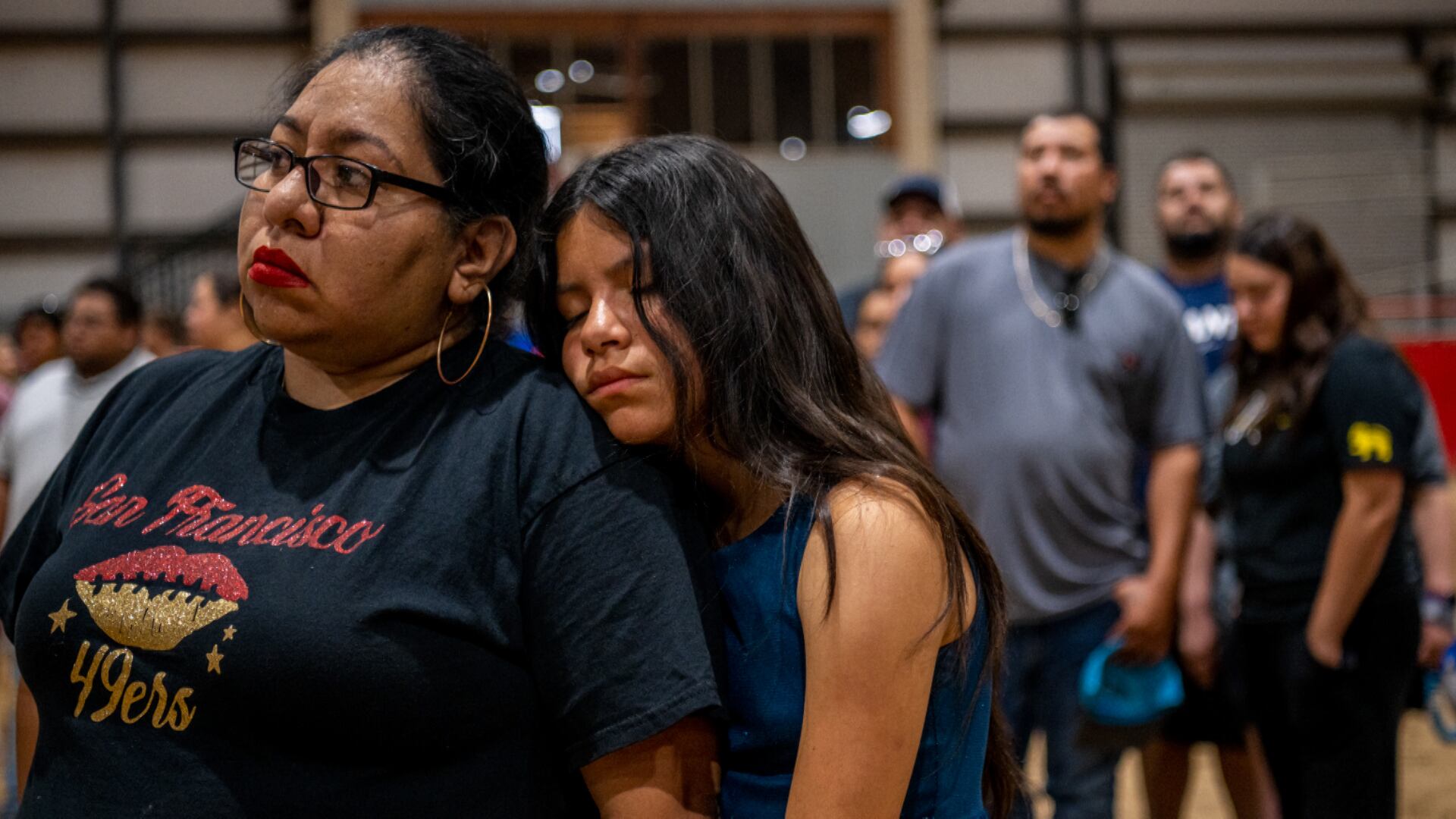
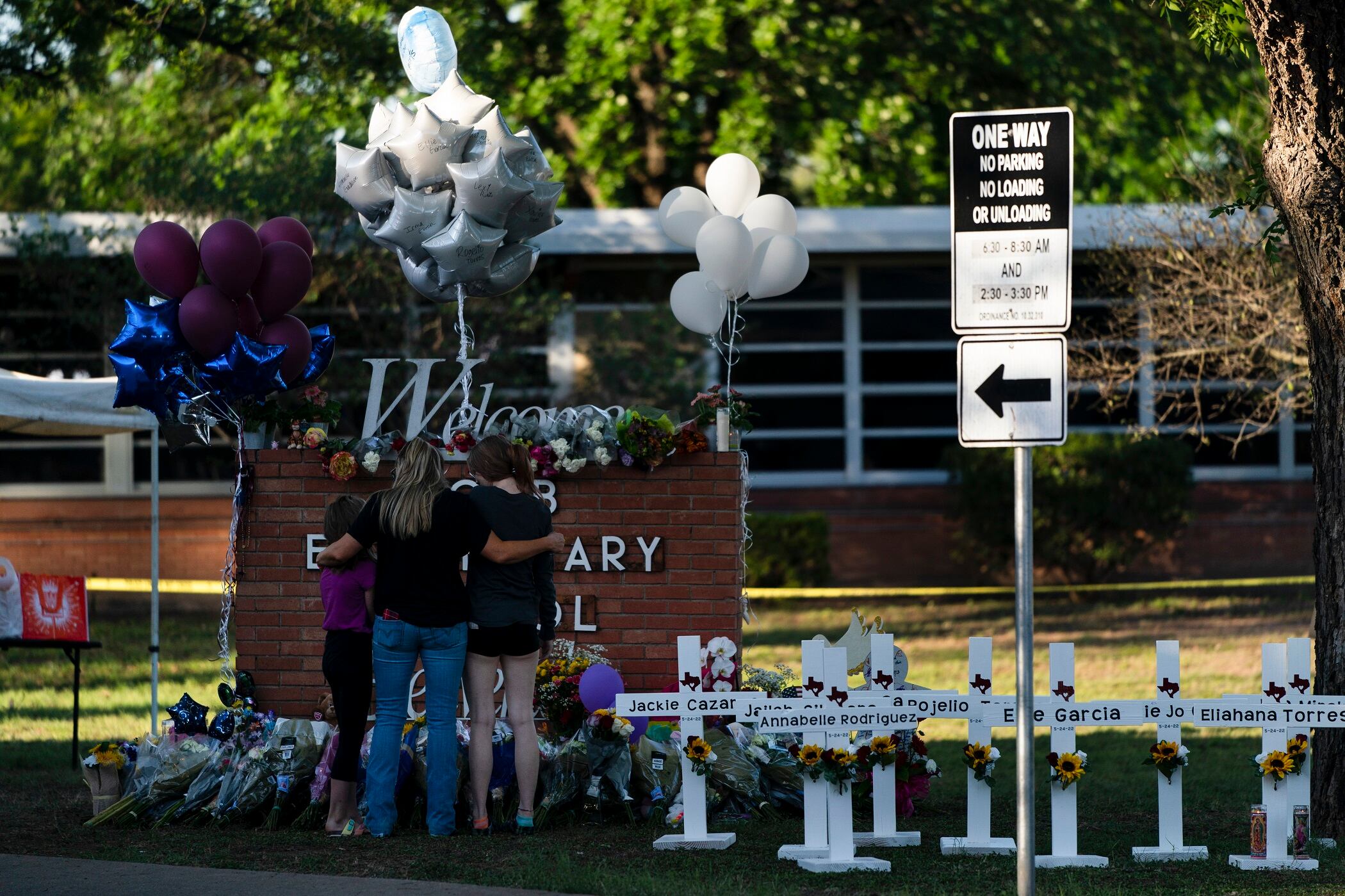
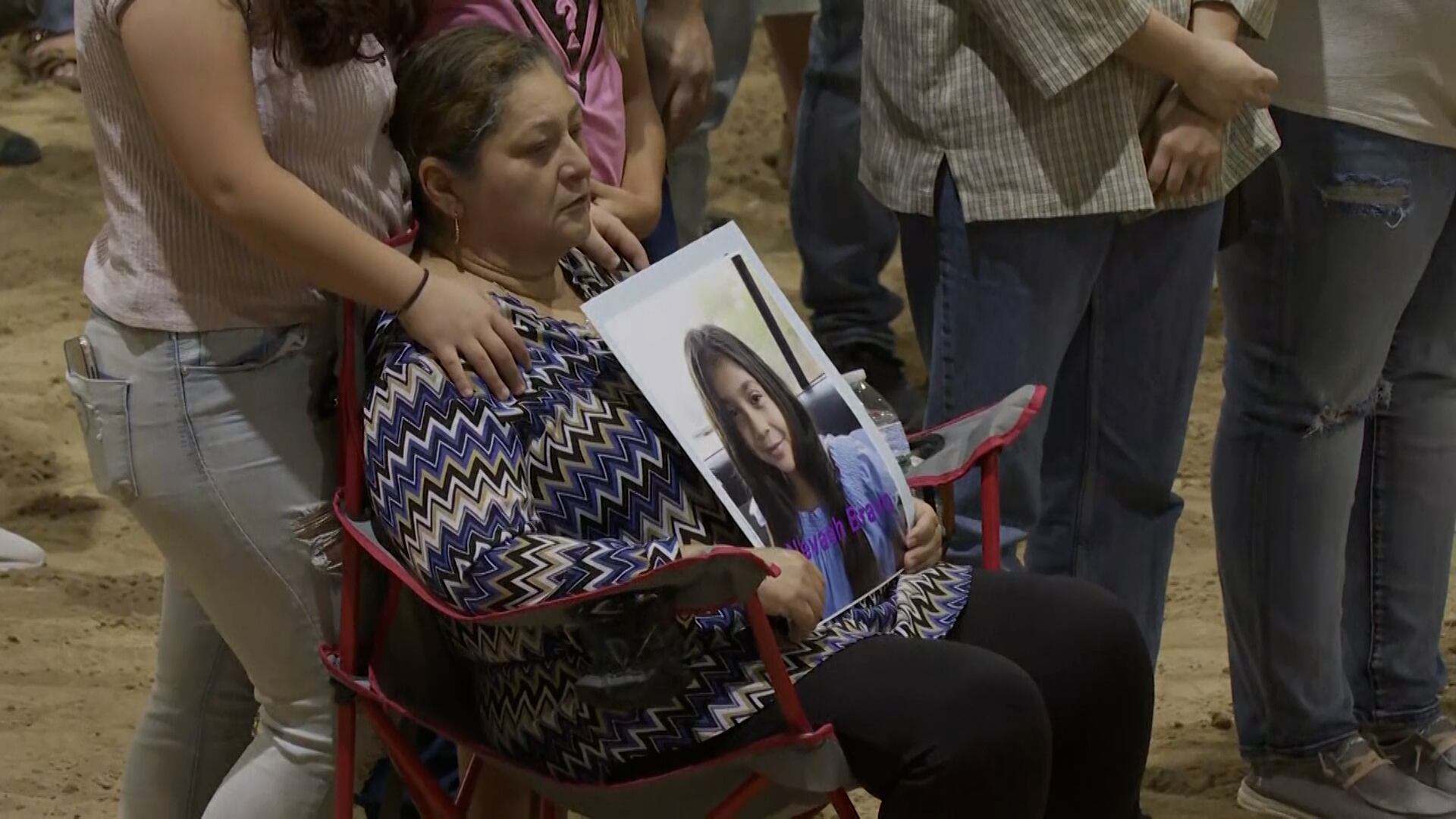
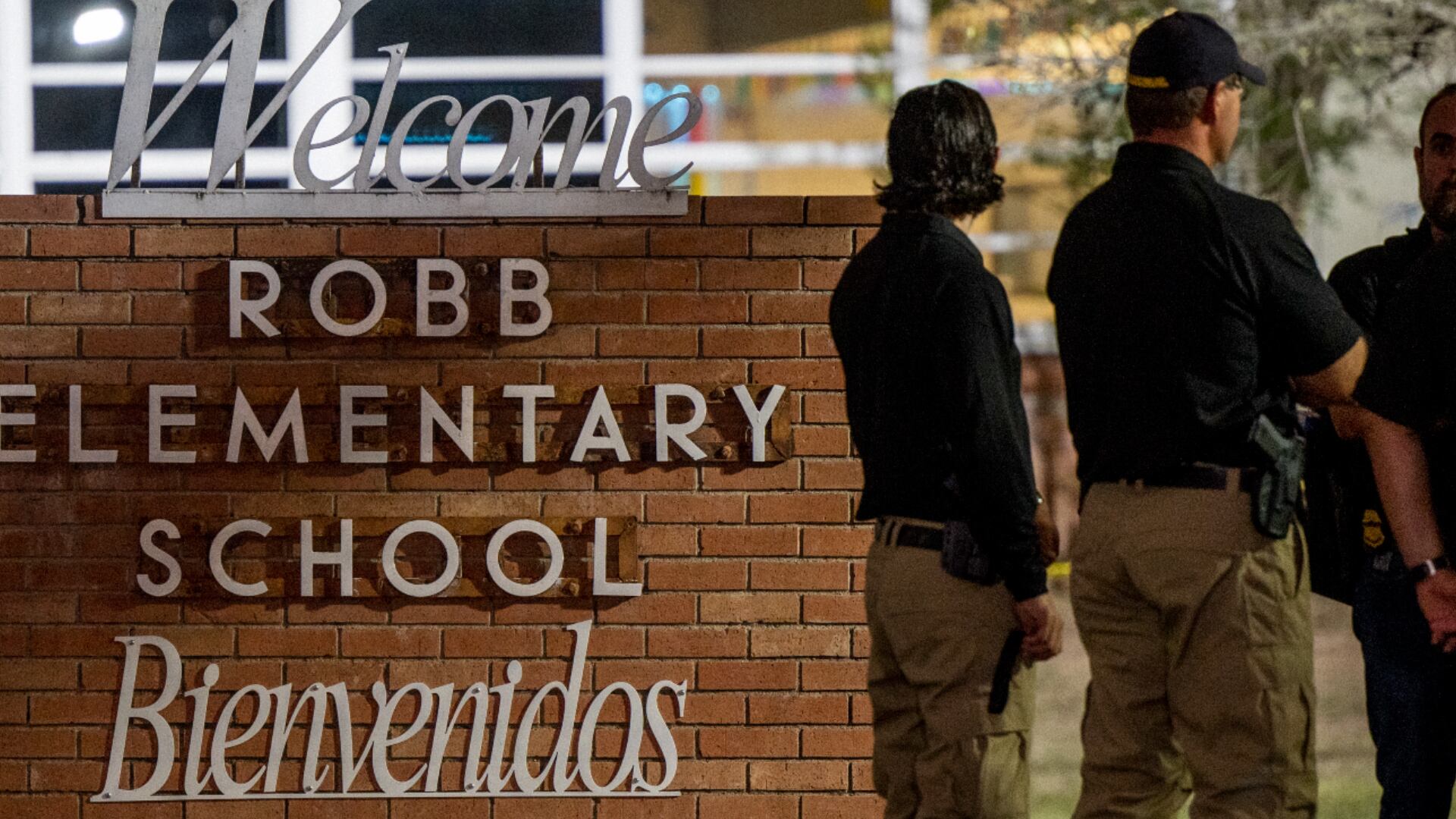
The school shooting in Texas that left 19 children and 2 teachers dead has reignited the debate over gun control.
The tragedy in Uvalde is the deadliest school shooting in nearly a decade and marks the latest in a string of mass shootings in the country. Jared Moskowitz, Broward County Commissioner and candidate for Congress in FL-23, joined Cheddar's Opening Bell to discuss why gun control measures are stalled in the Senate, and where legislation can move forward from here.
Police and detectives are still investigating the tragic school shooting in Uvalde, Texas that killed 19 children and two adults. Cheddar News was joined by Kirk Burkhalter, professor at New York Law School and former NYPD detective to gain some insight on what investigators are looking for and what comes next.
Texas authorities say the gunman who massacred 21 people at an elementary school was in the building for over an hour before he was killed by law enforcement officers.
Join Cheddar News as we break down the top headlines for Thursday, May 26 including updates on the Texas school shooting, President Joe Biden's executive order on police reform, and a recount in the Pennsylvania GOP Senate primary.
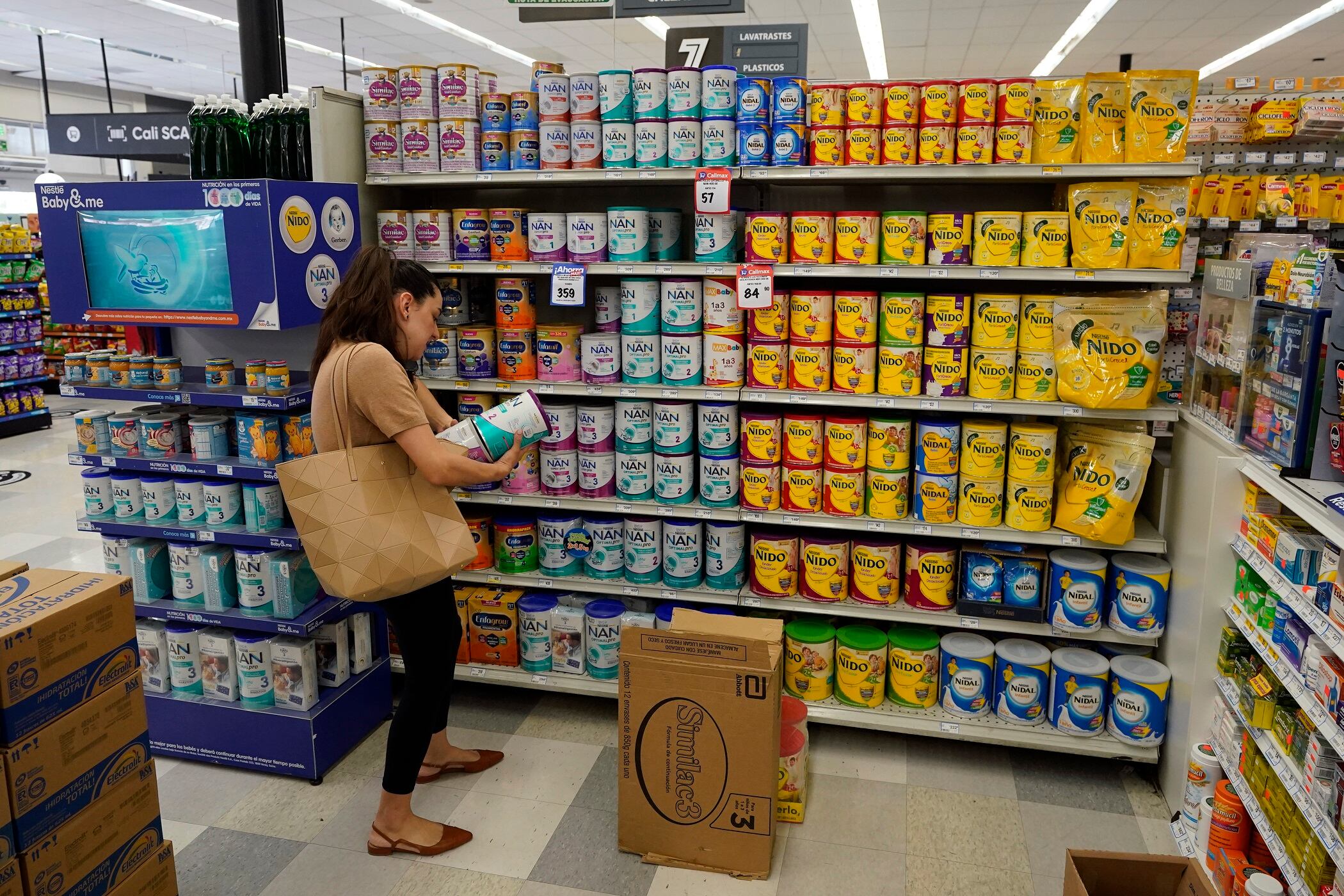
Representative Morgan Griffith of Virginia rebuked words from the FDA commissioner that could have been construed as blaming parents for stockpiling baby formula exacerbating the shortage.
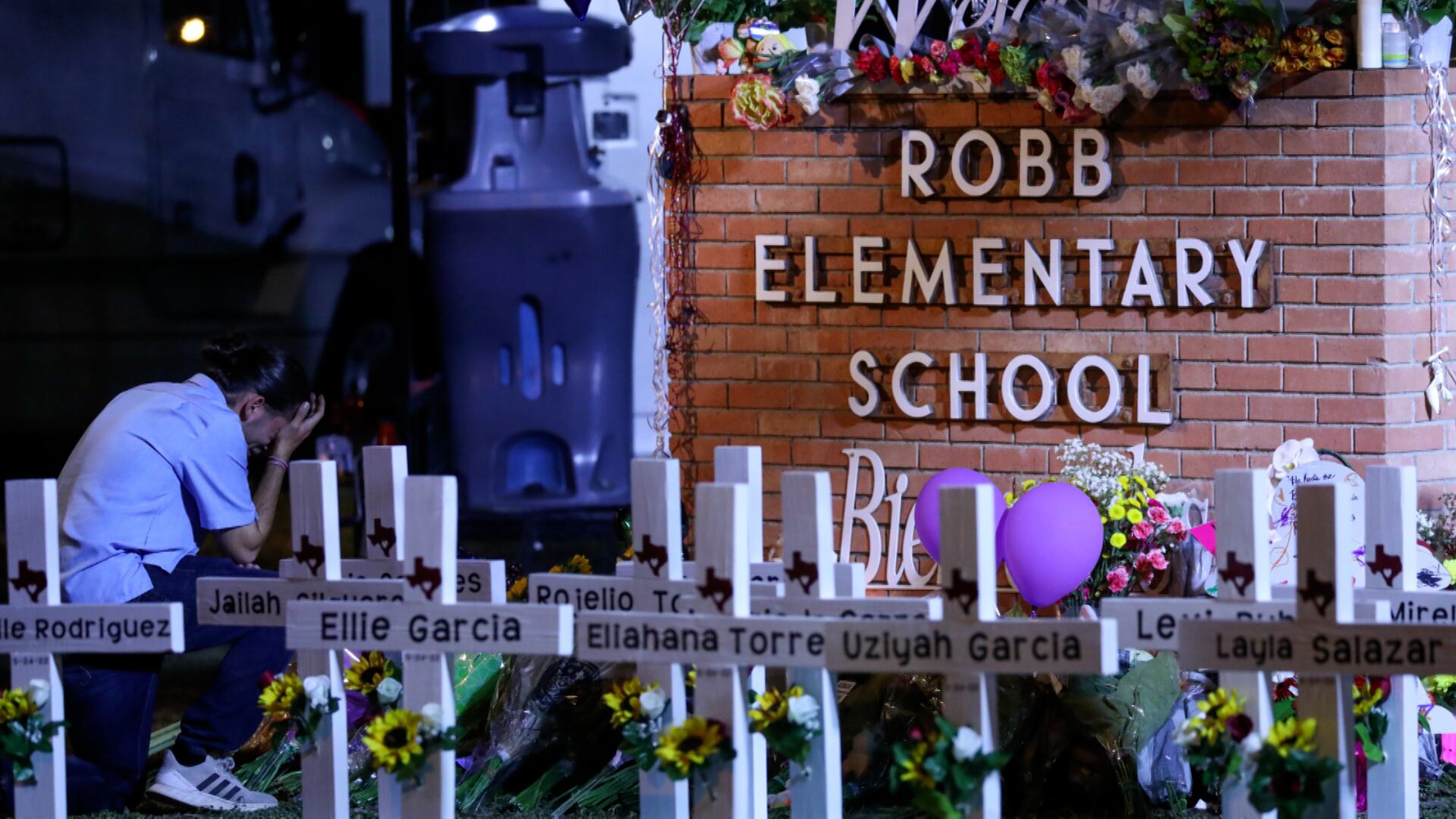
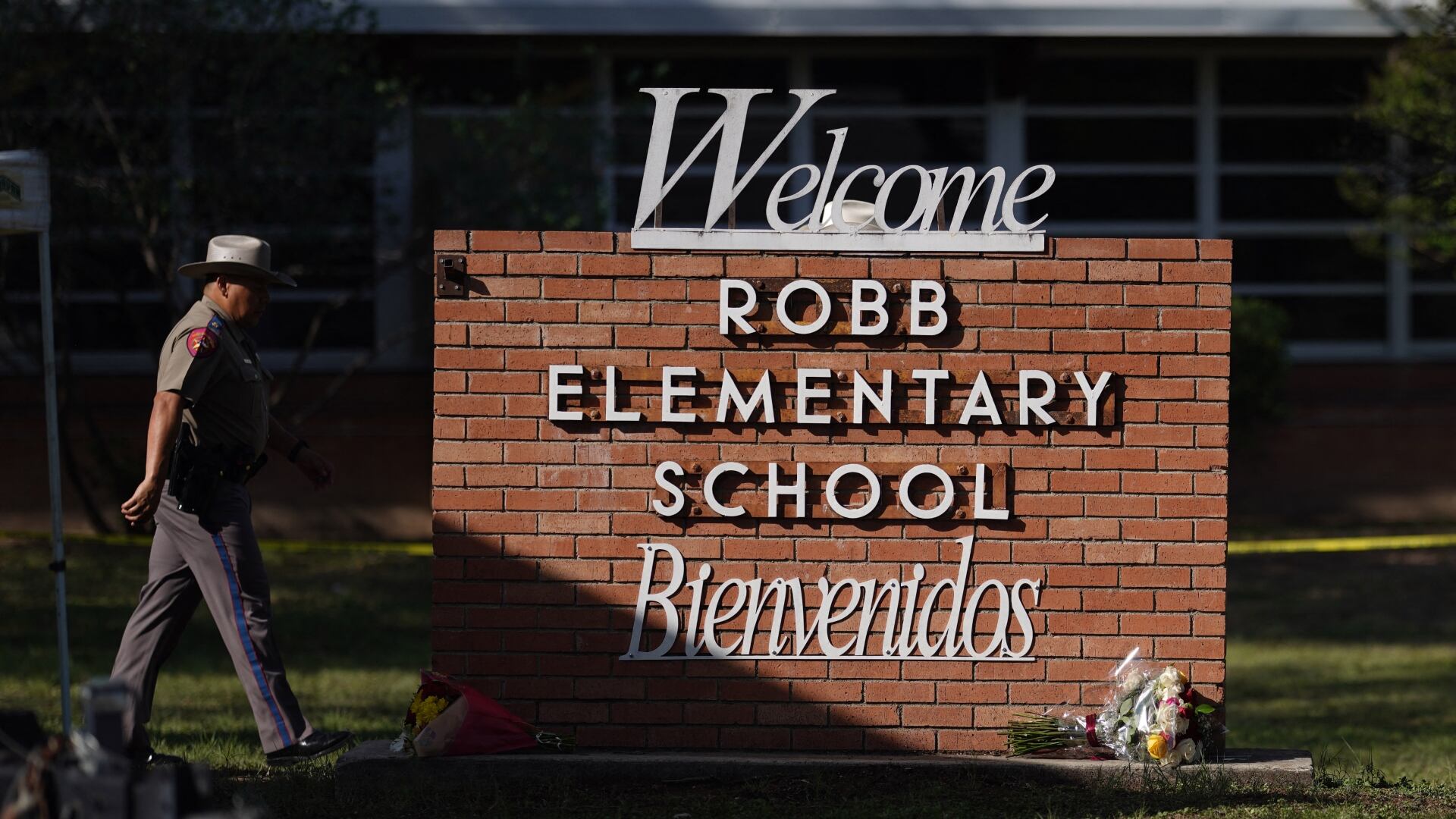
Cheddar News reporter Megan Pratz brings the latest from the scene of yesterday's horrific school shooting at a Robb Elementary School in Uvalde, Texas. Now the second-deadliest school shooting in U.S. history with 19 children and two adults killed, Pratz goes into comments by Texas Gov. Greg Abbott, details about the deceased shooter, and reactions from members of the community.
The Robb Elementary School mass shooting killing 19 children and two adults in Uvalde, Texas pm Tuesday was the deadliest school shooting since the 2012 Sandy Hook massacre in Newtown, Connecticut, and came just 10 days after the grocery store shooting in Buffalo, New York. Nelson Vergara, the founder and CEO of 360 Protective Solutions, joined Cheddar’s Opening Bell to discuss. "Right now what law enforcement is concentrating on is trying to trace his steps as to what motivated the gunman to act the way he did. What it boils down to just trying to figure out what led to his motivation to do such a horrific act.”
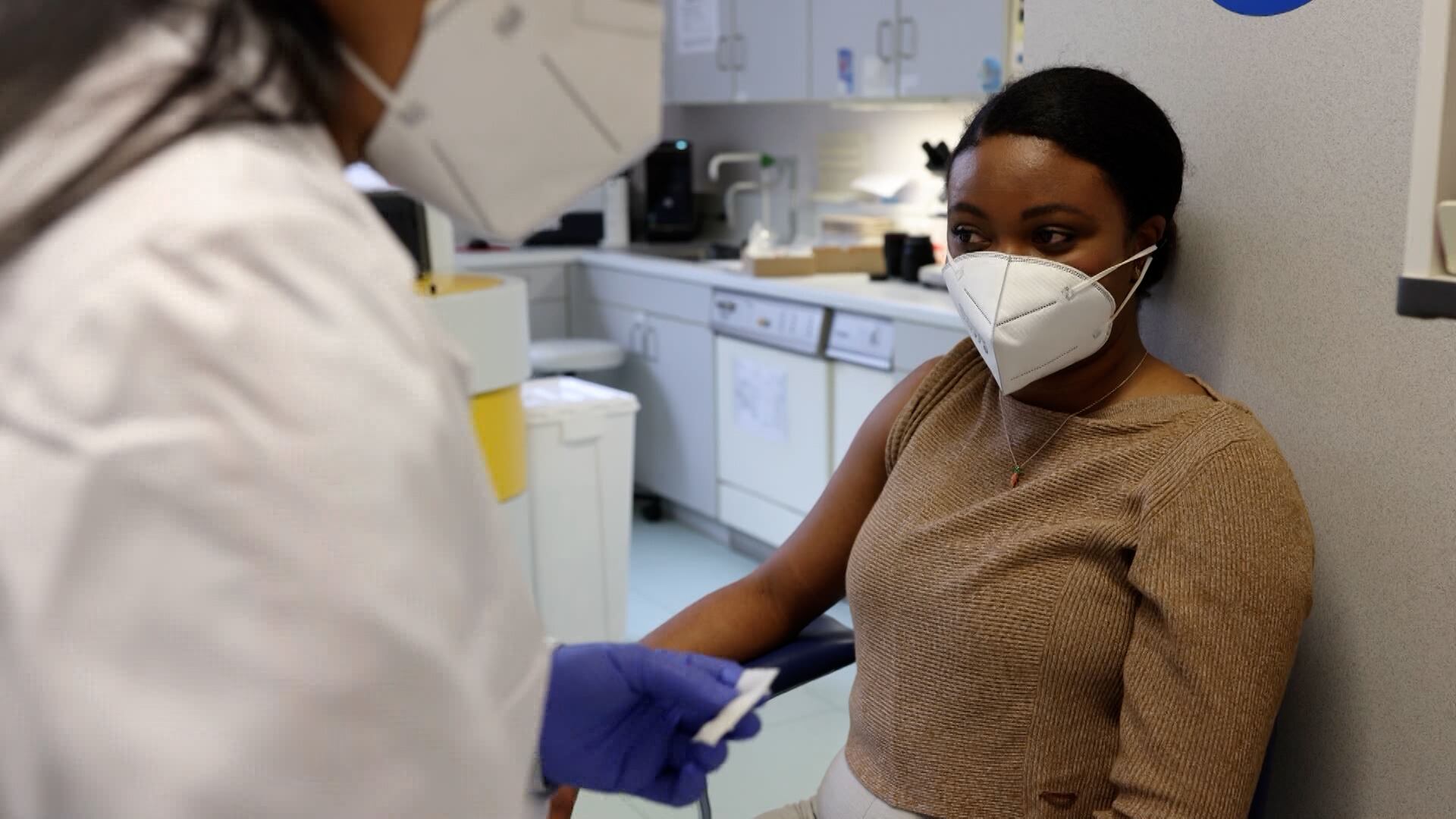
An recently conducted AP-NORC poll found that majorities of the Black and Hispanic populations in the U.S. still find themselves either somewhat worried or extremely worried over the pandemic, while more than half of white Americans responded with either being not too worried or not worried at all. Dr. Chris Pernell, the chief strategic integration and health equity officer at University Hospital, joined Cheddar News to talk about how perceptions of COVID-19 differ between groups of Americans. "We’re still seeing people get infected, and because of the toll of the disproportionate impact, we have concerns among the Black and brown community about whether or not they have an increased risk of exposure because of where they work, because of the use of public transportation, because they live in homes that they may not be able to safely quarantine and or isolate in, and because they have at baseline chronic health conditions that may make coronavirus more severe in those persons," she said.
Judith Enck, a former regional administrator for the EPA and the president of Beyond Plastics, joined Cheddar News to talk about the role of plastics in the climate crisis and California's investigation of ExxonMobil and other oil companies for misleading the public on the ability to recycle plastics. "The reason why petrochemical companies like Exxon have gotten away with selling more and more plastic is that they've lied to the public and told us don't worry about all those negative upstream impacts and downstream impacts of plastics. Just be sure to recycle it. Well, guess what? Plastics largely are not recycled," Enck said.