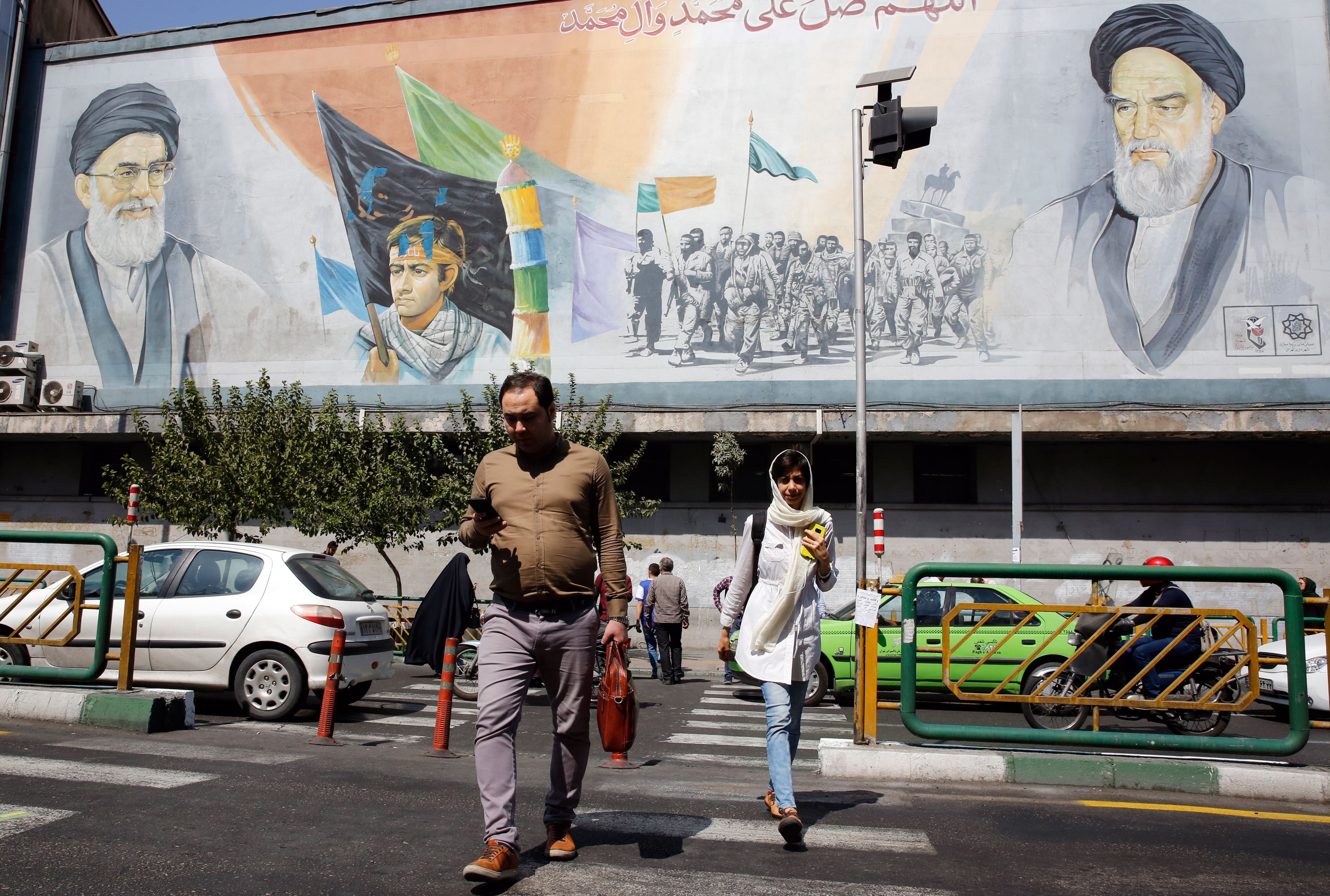
President Trump on Wednesday morning ordered the U.S. Treasury to "substantially increase" sanctions against Iran.
The escalating measure follows several days of heightened tensions between the two countries over the attack on oil facilities in Saudi Arabia over the weekend. Trump's instructions to Treasury Secretary Steve Mnuchin also come after several statements this week from Iranian leaders reiterating that Iran will not negotiate with the U.S. while sanctions are imposed.
"If the U.S. wants to have a seat at the negotiating table, it must return to its commitments and show that it's a reliable country," Iran's Foreign Minister Mohammad Javad Zarif said in Tehran on Wednesday, according to Iranian state media. "If we can't rely on it, it's not a country with which there can be an agreement."
Tensions first flared after the U.S. blamed Iran for the drone attacks on two Saudi state-owned oil installations on Saturday. Iran has repeatedly, and vehemently, denied the charge; even sending a formal letter to Trump via the Swiss Ambassador, who represents U.S. interests in Tehran, denying involvement, the Islamic Republic News Agency reported.
Diplomatic relations deteriorated last year after Trump made good on a campaign promise and withdrew the U.S. from the 2016 Iranian nuclear deal, formally called the Joint Comprehensive Plan of Action (JCPOA). In November 2018, the U.S. Treasury re-imposed harsh sanctions, which had been rescinded under the JCPOA, on "critical sectors of Iran's economy" including energy, transportation, and finance. The U.S. also imposed sanctions on over 700 individual Iranian officials.
Over the last year, Iran has refused to publicly engage with the Trump administration until the U.S. recommits to the nuclear pact, which it withdrew from despite objections from the other signatories and international monitoring groups that confirmed Iran was complying with the JCPOA. Trump, meanwhile, has repeatedly expressed a willingness to negotiate with Iran and meet with its top leaders.
"We'll see what happens … I think Iran has a tremendous, tremendous potential," Trump said last week — before the attack in Saudi Arabia — on whether he will meet with Iranian President Hassan Rouhani at the United Nations' General Assembly, which kicked off in New York this week.
Iranian Supreme Leader Ayatollah Ali Khamenei, however, said Tuesday that "there will be absolutely no negotiation between the officials of the Islamic Republic and the U.S. at any level; neither in New York and not anywhere else."
<i>Saudi military spokesman Col. Turki al-Malki displays what he described as an Iranian drones used in the attack this weekend on Saudi Arabia's oil industry. Photo Credit: Amr Nabil/AP/Shutterstock</i>
At a press conference in Riyadh on Wednesday, Saudi Arabia's Ministry of Defense presented the wreckage of drones that it claimed struck the two oil plants. Officials said the debris pointed to decisive evidence that Iran was directly involved in the attack, which briefly crippled one of the world's most important oil facilities and sent shockwaves through global energy markets.
The Houthi group in Yemen, which is backed by Iran and is currently at war with a Saudi-led coalition, had claimed responsibility for the attack but did not provide conclusive evidence for the claim.
Despite direct accusations against Iran from top U.S. officials, Trump on Sunday said that the U.S. was "waiting to hear from the Kingdom as to who they believe was the cause of this attack" before responding. Trump did not elaborate as to whether the sanction hike was a direct response to the attack in Saudi Arabia and the U.S. Treasury did not immediately respond to inquiries from Cheddar.
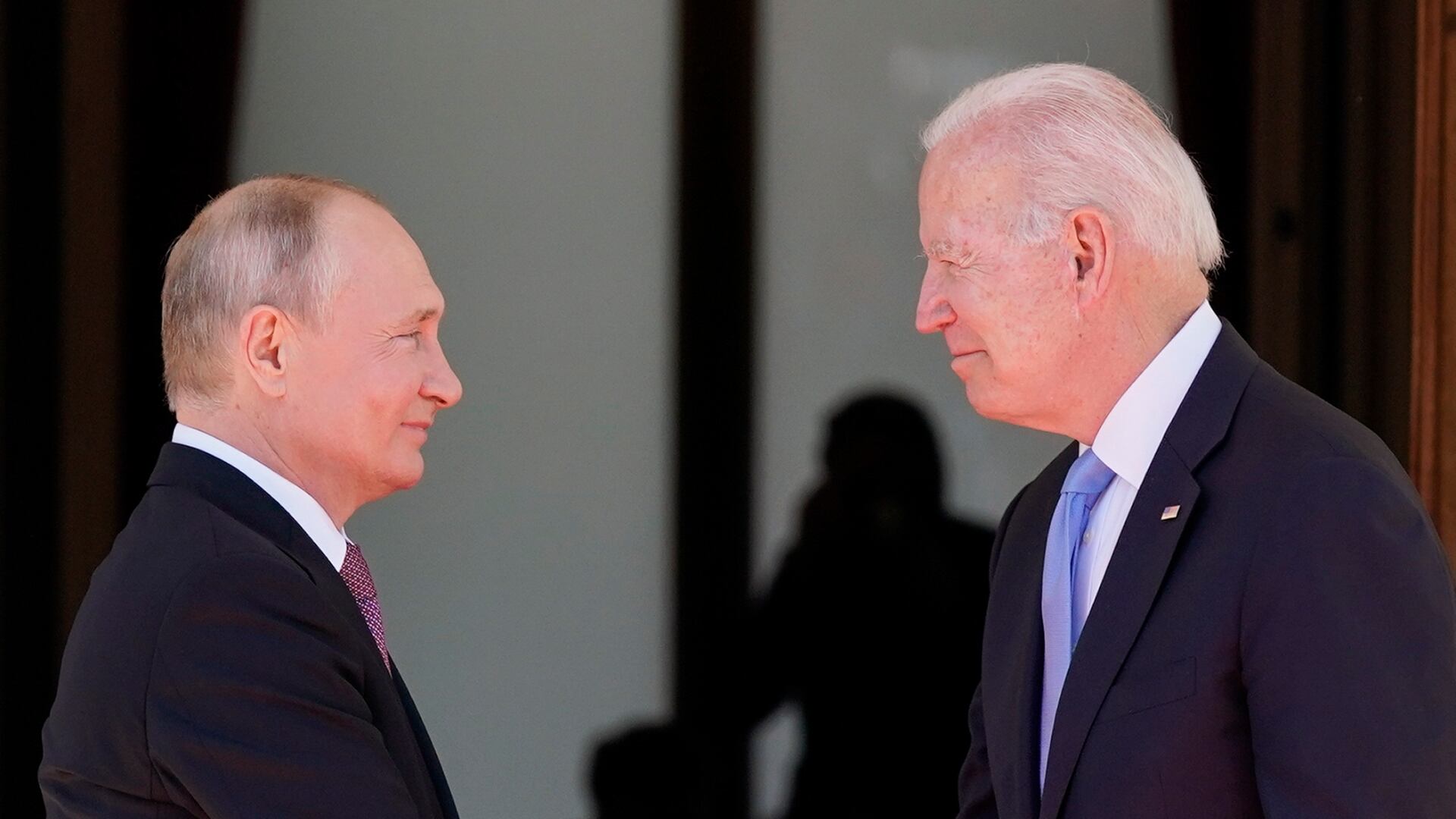
Face to face for just over two hours, President Joe Biden and Russia’s Vladimir Putin squared off in a secure video call Tuesday as the U.S. president put Moscow on notice that an invasion of Ukraine would bring enormous harm to the Russian economy.
Ahead of Instagram head Adam Mosseri's congressional hearing on the mental impact of the social platform on teens, the company announced a number of updates aimed at teen safety.
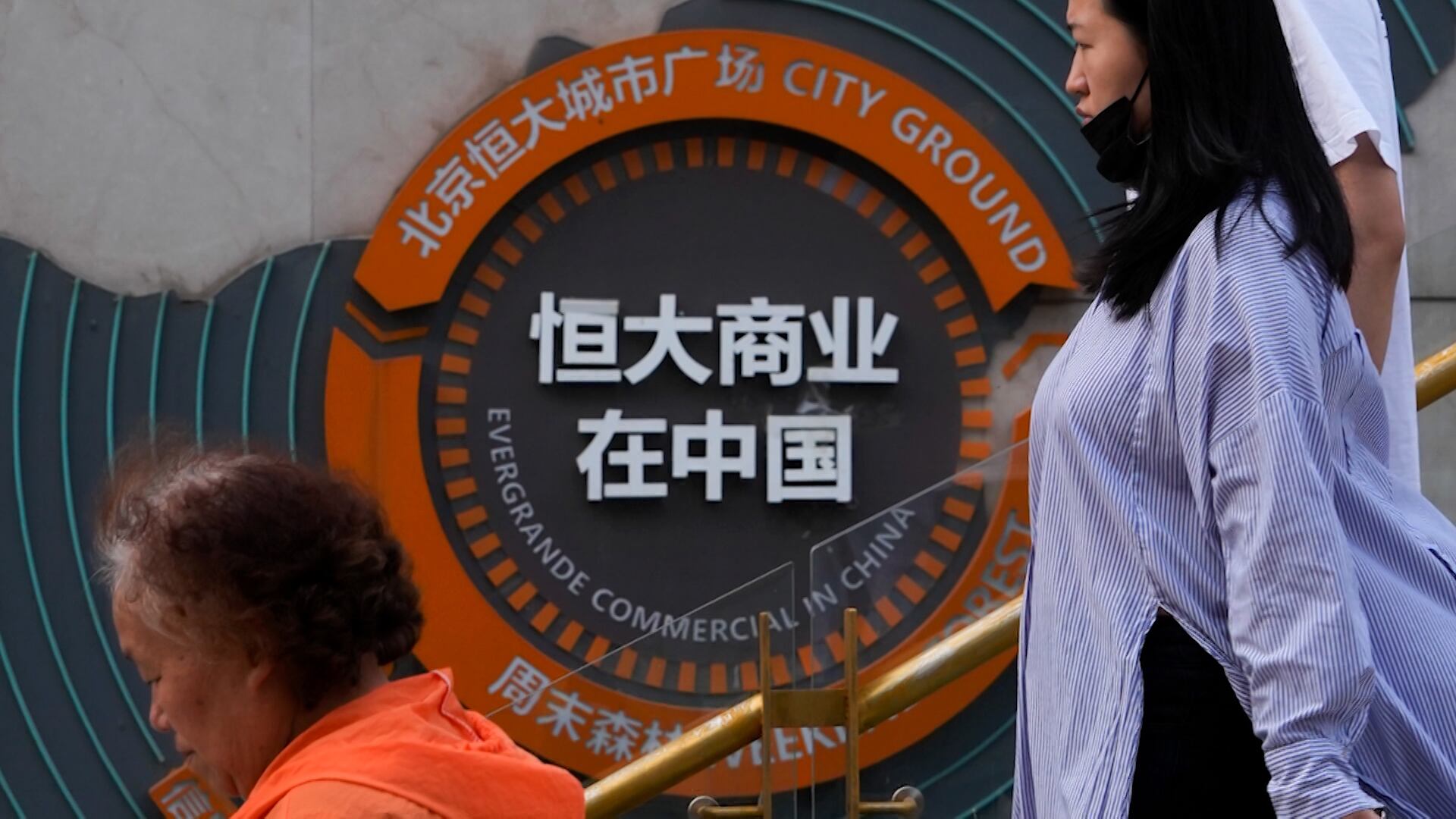
Troubled Chinese real estate giant Evergrande is once again nearing the brink of collapse. Shares of Evergrande sunk to a new record low on Monday, closing down 20 percent, as debt default fears resurfaced. Drew Bernstein, co-chairman at consultancy MarcumBP, joined Cheddar's Opening Bell to discuss. He said U.S. investors have to understand that "there is no company in China that's too big to fail, that's for sure," and that the Chinese government will be prioritizing the social welfare of the populace. Bernstein did note that it would be a managed collapse in some form.
Joan Greve, a politics reporter at The Guardian US, joined Wake Up With Cheddar to break down the implications of the Biden administration announcing a diplomatic boycott of the 2022 Beijing games in response to allegations of human rights abuses against Uyghur Muslims. She noted the significance of the move, assessing the already frayed relationship between the U.S. and China. "The Chinese have said that a boycott would be politically manipulative, and now they are actually threatening countermeasures," she said. "And that will certainly have an impact on the spirit of the games at the very least."
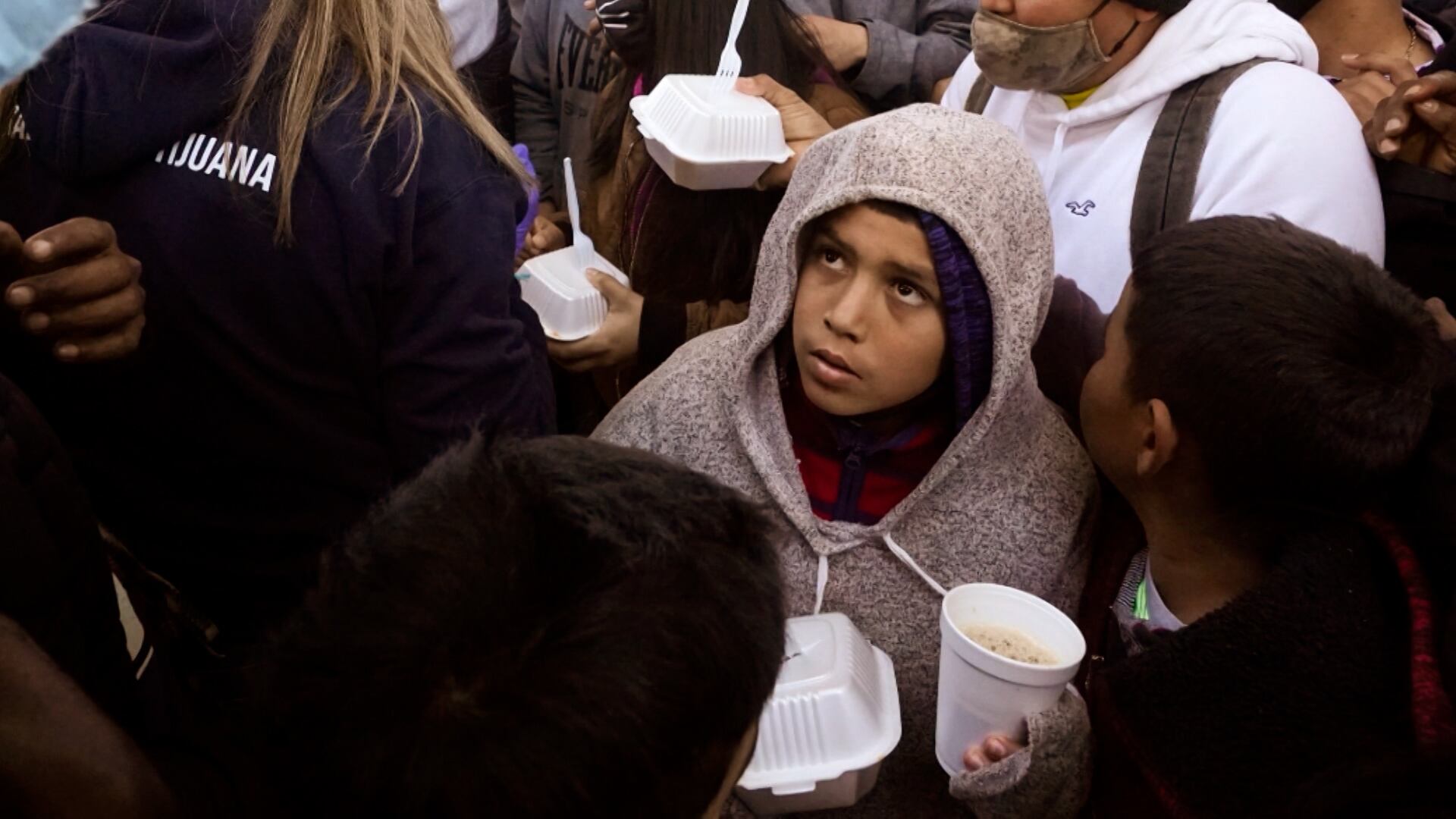
The Biden administration has reached an agreement with the Mexican government to resume the "Remain-in-Mexico" policy under court order. By reinstating a Trump-era border policy, asylum-seekers will be forced to stay in Mexico until their U.S. immigration court date. The program is set to resume on Monday. Ryan Devereaux, a reporter for The Intercept, joins Cheddar News to discuss.
The U.S. announced it will not send any official representation to the upcoming Beijing winter Olympics. Cheddar's Hena Doba speaks with East Asia expert Michael Swaine about the reasons behind the diplomatic move.
COVID-19 is still battering the nation's criminal justice system, causing a massive backlog in cases and delaying verdicts for months on end. This, combined with the fear of crowded prisons during a pandemic, has prompted many defendants to plead guilty in exchange for time served or probation. Tina Luongo, attorney-in-charge of the Criminal Defense Practice, joined Cheddar to discuss the court backlog, the rise in plea bargains, and why this was an issue long before the pandemic.
With so many high-profile court cases taking over the media, from the trial over the murder of Ahmaud Arbery to the trial of Kyle Rittenhouse to the ongoing Elizabeth Holmes trial, Cheddar took a look at these cases and why there is such a big interest in them. Rachel Fiset, a white collar criminal defense lawyer and partner with Zeiback, Fiset, and Coleman, and Bryan Hance, attorney-at-law, professor, and academic program director of the pre-law and paralegal studies program at National University, joined Cheddar for a roundtable discussion on why there is so much public interest in so-called courtroom drama.
Carlo and Baker discuss the sweeping new vaccine mandate in NYC that will target all private businesses. Plus, Trump's media venture gets its CEO and more.