By Zeke Miller, Mark Sherman, and Colleen Long

Updated 10:11 am ET

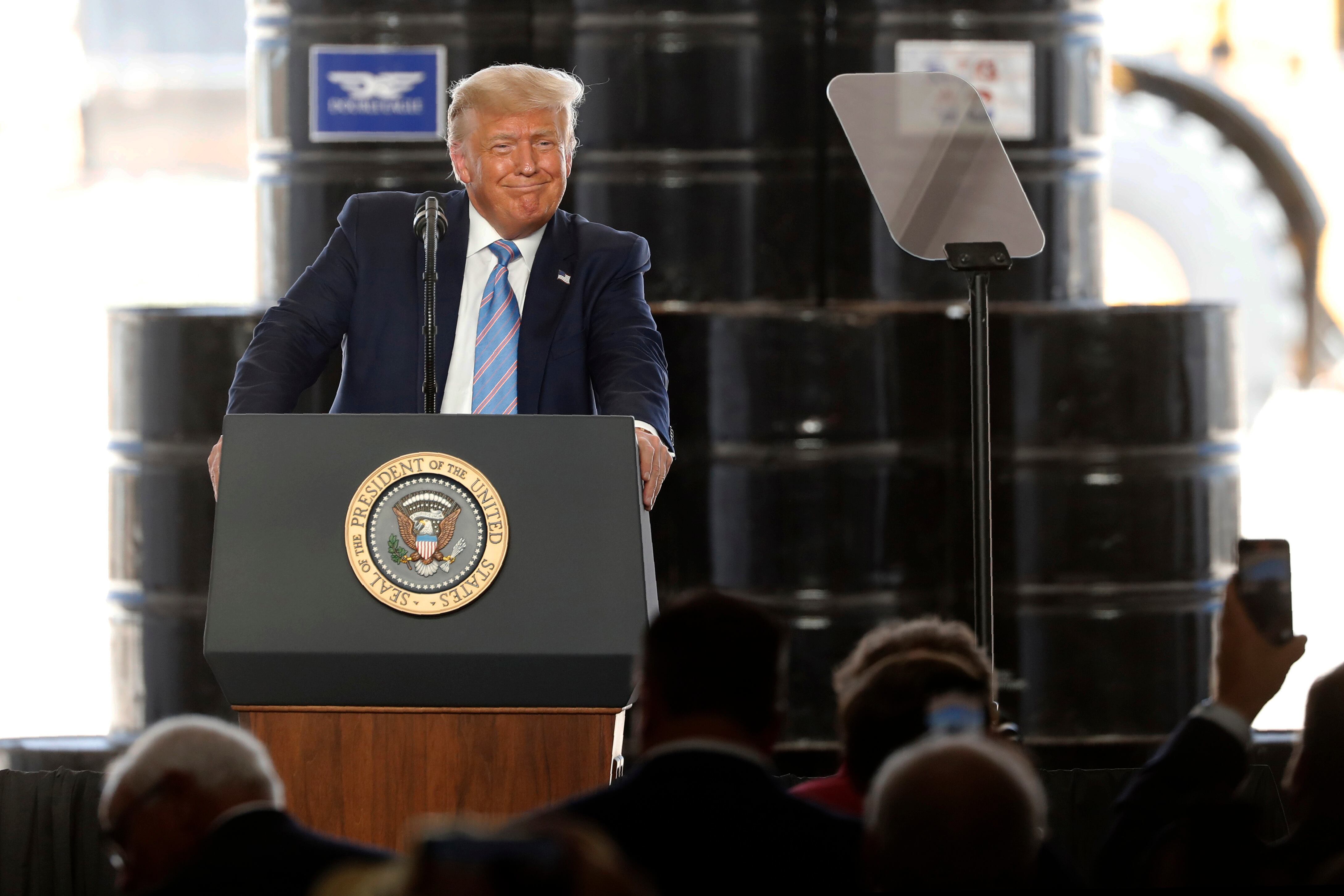
President Donald Trump is for the first time floating a "delay" to the Nov. 3 presidential election, as he makes unsubstantiated allegations that increased mail-in voting will result in fraud.

The dates of presidential elections — the Tuesday after the first Monday in November in every fourth year — are enshrined in federal law and would require an act of Congress to change. The Constitution makes no provisions for a delay to the Jan. 20, 2021 presidential inauguration.

Still, the mere suggestion of the delay was extraordinary in a nation that has held itself up as a beacon to the world for its history of peaceful transfer of power.

Trump tweeted Thursday: "With Universal Mail-In Voting (not Absentee Voting, which is good), 2020 will be the most INACCURATE & FRAUDULENT Election in history. It will be a great embarrassment to the USA. Delay the Election until people can properly, securely and safely vote???"

Trump's tweet came on a day of bad economic news and amid a dark political patch for his reelection effort.

The government reported Thursday that U.S. economy shrank at a dizzying 32.9 percent annual rate in the April-June quarter, by far the worst quarterly plunge ever, as the coronavirus outbreak shut down businesses, threw tens of millions out of work and sent unemployment surging to 14.7 percent.

And Trump trails in the polls, nationally and across battleground states, and some surveys even suggest traditionally Republican-leaning states could be in play. While Trump has come back before after trailing consistently in the polls throughout 2016, it's raised the possibility that he could face a landslide loss if he doesn't turn things around.

There is no evidence of widespread voter fraud through mail-in voting, even in states with all-mail votes. Five states already rely exclusively on mail-in ballots, and they say they have necessary safeguards in place to ensure that a hostile foreign actor doesn't disrupt the vote. Election security experts say that all forms of voter fraud are rare, including absentee balloting.

Trump has increasingly sought to cast doubt on November's election and the expected surge in mail-in and absentee voting as a result of the coronavirus pandemic. And Trump has called remote voting options the "biggest risk" to his reelection. His campaign and the Republican Party have sued to combat the practice, which was once a significant advantage for the GOP.

Trump refused in an interview just weeks ago with Fox News to commit to accept the results of the upcoming White House election, recalling a similar threat he made weeks before the 2016 vote.

"I have to see. Look ... I have to see," Trump told moderator Chris Wallace during a wide-ranging interview on "Fox News Sunday." "No, I'm not going to just say 'yes.' I'm not going to say 'no,' and I didn't last time, either."

Trump and many members of his administration have previously availed themselves of absentee voting, but Trump has sought to differentiate that from a growing push by states to mail all registered voters either ballots or absentee request forms.

Voters and public health officials have expressed concerns about the potential dangers for spreading the virus during in-person voting, and states have reported difficulty filling poll worker positions given the pandemic.

Last month, Trump told supporters in Arizona that "This will be, in my opinion, the most corrupt election in the history of our country."

There appears to be next-to-no appetite in the Capitol for a change to the Nov. 3 election. Democrats have pushed to includes billions of dollars in the next coronavirus relief bill to fund election security and accessibility improvements for this year's vote, but Trump and Republicans have so far resisted those efforts.

Just months ago, in April, Trump had ruled out the prospect of trying to change the election. "I never even thought of changing the date of the election," he said. "Why would I do that? November 3rd. It's a good number. No, I look forward to that election."

"I'm not thinking about it at all," he added. "Not at all."

Attorney General William Barr, speaking to a House committee earlier this week, claimed there was "a high risk" that mail-in voting would lead to "massive" fraud. He said he had no "reason to think" the upcoming election would be rigged. But he said he believed "if you have wholesale mail-in voting, it substantially increases the risk of fraud."

Rep. Cedric Richmond, D.-La., asked Barr at the hearing whether a sitting U.S. president could move the election date. Barr responded: "Actually, I haven't looked into that question under the Constitution."

—-

AP writer Emily Swanson contributed.
Share:
More In Politics
Senate Committee Votes to Advance Big Tech Antitrust Bill
Members of Congress have voted to advance a bill meant to address antitrust concerns related to tech giants including Amazon, Apple, Google, and Meta. The 'American Innovation and Choice Online Act' is largely seen as one of the best chances for the government to reign in Big Tech's dominance Seth Schachner, Managing Director StratAmericas; Digital Business Executive joined Cheddar's Opening Bell to discuss.
Biden Touts Intel's Chip Factory Plans Amid Shortages
American semiconductor company, Intel officially announcing plans to build a new $20 billion chip manufacturing complex outside Columbus, Ohio. This comes as the global chip shortage continues to hamper production of everything from smart phones, to cars. Jennifer Smith - Logistics and Supply Chain Reporter, WSJ joined Cheddar's Opening Bell to discuss.
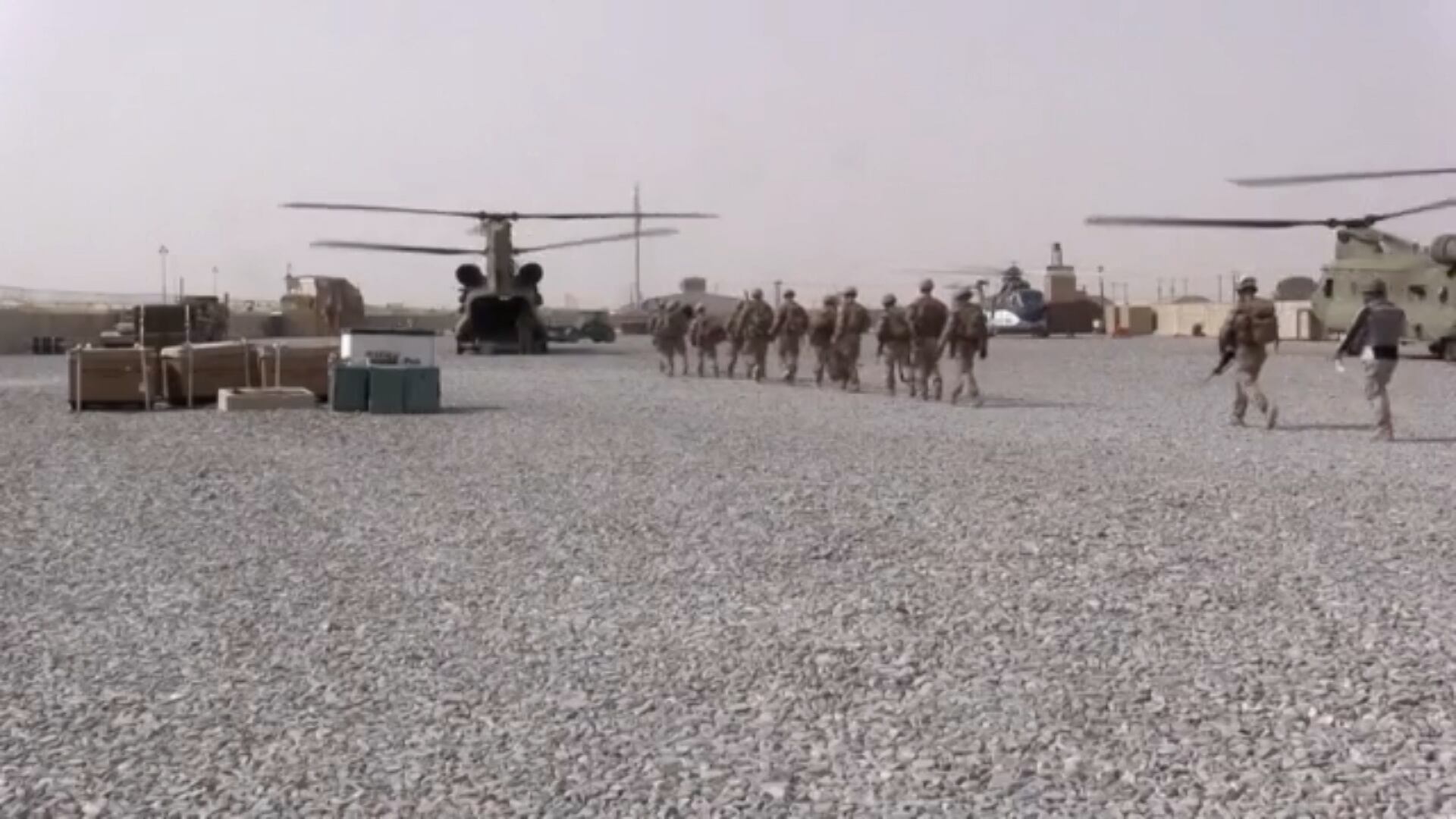
U.S. Puts Troops On High Alert As Russia Increases Presence Near Ukraine Border
The U.S. has put more than 8,000 American troops on high alert for possible deployment to Eastern Europe as the West prepares for a potential Russian invasion of Ukraine. With Russia building up more than 100,000 troops near the Ukrainian border, concerns over the country's behavior are mounting. Joel Rubin, Former Deputy Assistant Secretary of State and President of the Washington Strategy Group, joined Cheddar to discuss what this means for U.S.-Russia relations, and where the conflict might be heading next.
As Midterm Elections Loom, Biden's Approval Rating Continues Decline
As the midterm election looms, things aren't looking too promising for President Joe Biden. One year into his term as president, Biden is facing one of the lowest approval ratings of any modern-day president, threatening his party's control of the House in 2022. Brian Bennett, Senior White House Correspondent for TIME, joined Cheddar's Opening Bell to discuss.
The Biden Administration: One Year Down, Three to Go
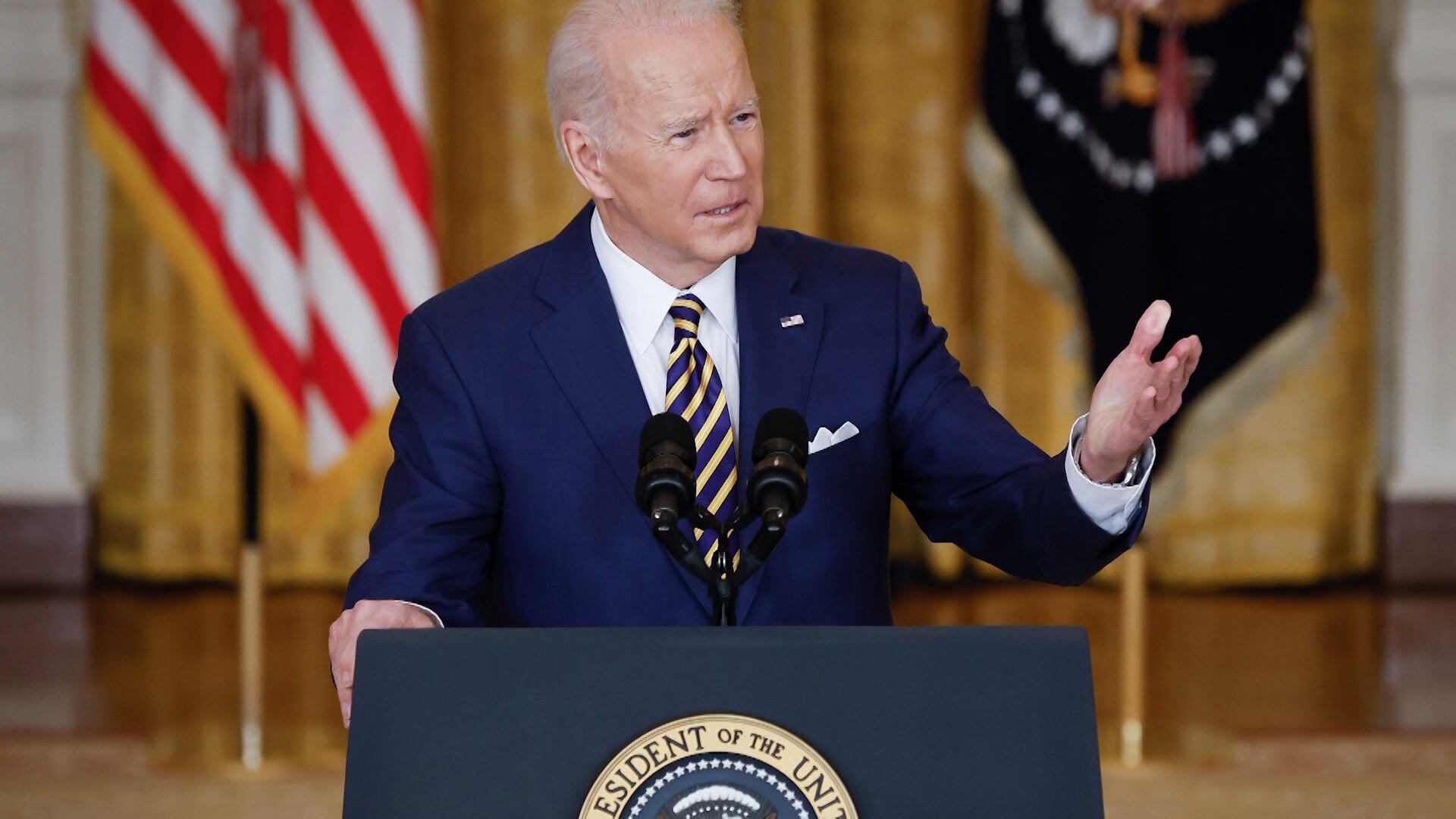
A full one year into his term as President of The United States, President Biden addressed the nation on Wednesday, facing questions on everything from inflation to chip shortages and covid-19. As Biden enters his second year in office, he is facing one of the lowest approval ratings of any modern-day president. Kate Davidson, Reporter, POLITICO joined Cheddar's Opening Bell to discuss.
New Documentary Highlights the Life and Role of Congresswoman Barbara Lee
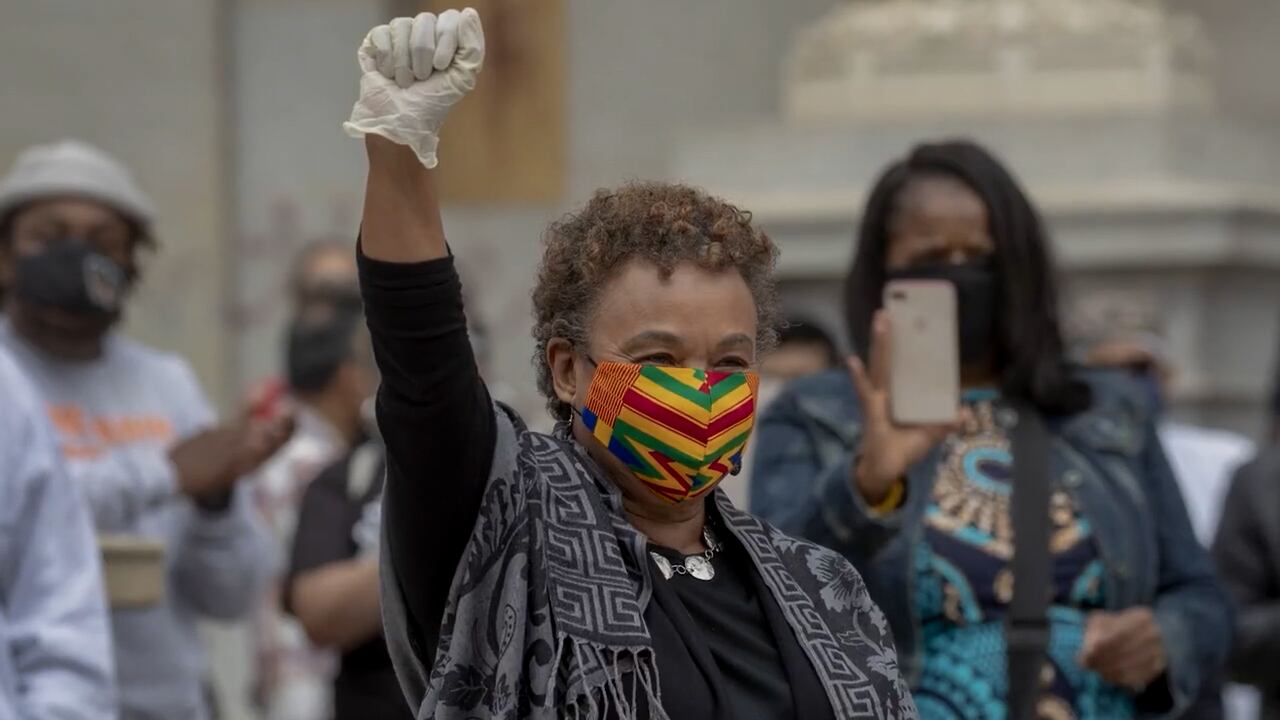
"Barbara Lee: Speaking Truth to Power" is the story of how the longtime House Democrat became, as she Is known to some, as "the Conscience of Congress." The film also shows Representative Lee from her days working to fight community poverty to famously becoming the only member of Congress to vote "no" against the war in Afghanistan days after 9/11. The film is nominated for an NAACP Image Award, and Premieres on Starz on February 1. Film director Abby Ginzberg and Rep. Barbara Lee (D-Calif. 13th District), joined Cheddar to discuss more.
New San Diego Law Funnels Grocery Waste To Food Banks
San Diego has just implemented a new law that could set the stage for how the country deals with food waste. This new law hopes to make a dent in that. Businesses and groceries stores out in San Diego will need to put a plan in place to *donate edible food rather than toss it straight to the trash. Food Rescue Manager at Feeding San Diego, Kate Garret
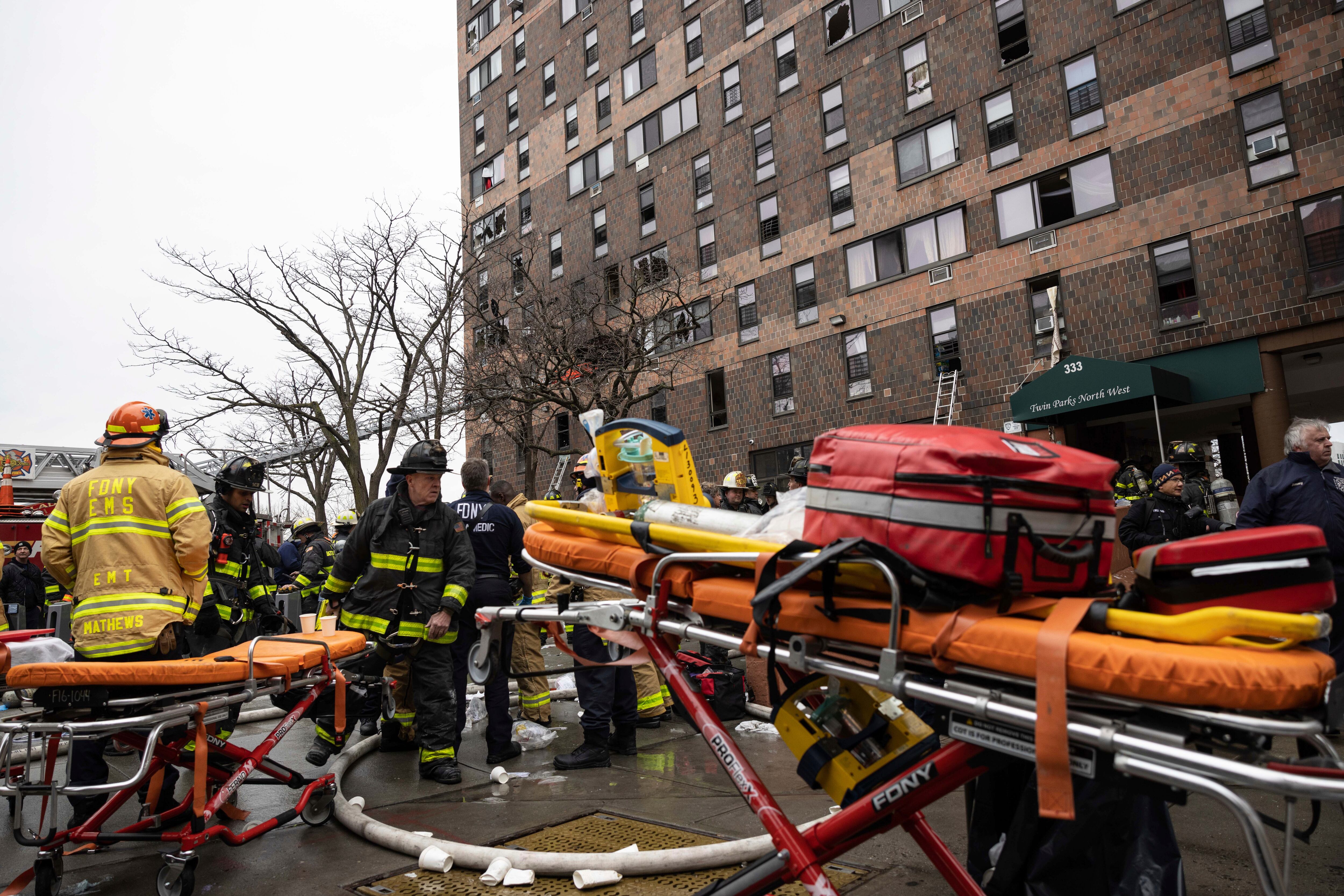
Bronx Twin Parks Apartment Fire Leaves 17 People Dead
Earlier this month, New York City experienced one of the deadliest fires it has seen in decades. 17 people lost their lives in the Fordham section of the Bronx. This was due to a faulty space heater which reportedly began on the lower floor of the 120 unit building. Thanks to the F. D. N. Y. And heroic neighbors, many were able to get out in time. Unfortunately, the toxic smoke surged upwards through a safety door. Now, many advocates say negligence by policymakers and landlords has led to the deaths in black and brown communities from fires that honestly could have been preventable. Legislative Director of Citizen Action of New York, Rebecca Garrard, and the Chair of Journalism and New Media Studies at St. Joseph's College Theodore Hamm, joined Cheddar to discuss more.
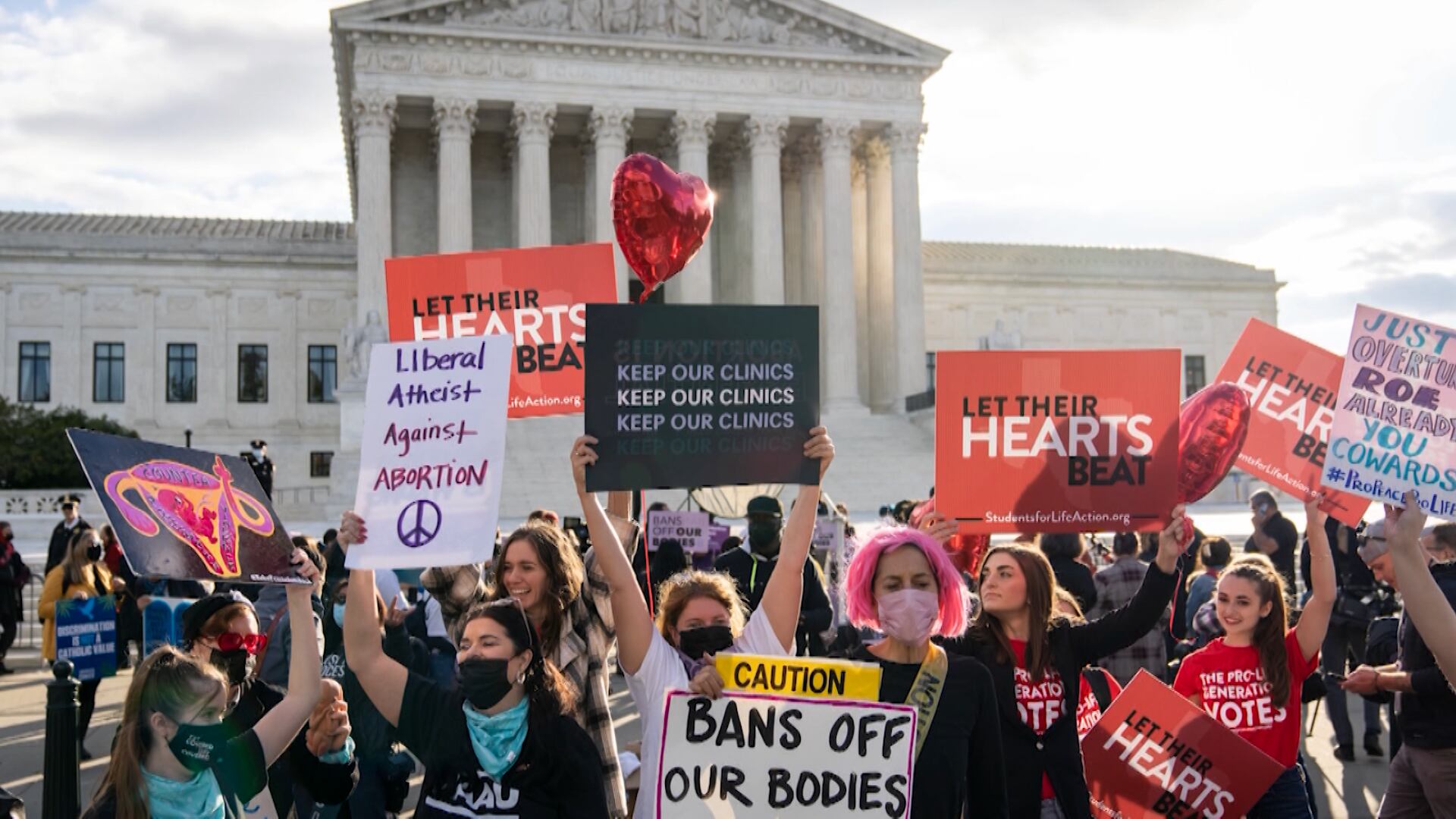
SCOTUS Denies Bid To Block Texas Abortion Law
The Supreme Court has declined to order the Texas Abortion case back to the original trial judge for further proceedings. Essentially if Texas abortion providers were able to get their case back to the lower court., It would have greatly helped the group move against the law. However, this decision is likely to prolong the case legal battle. Professor and Author of "The Turnaway Study: Ten Years, a Thousand Women, and the Consequences of Having — Or Being Denied — An Abortion", Diane Foster, joined Cheddar to discuss more.
Supreme Court Denies Bid to Block Texas Abortion Law
The Supreme Court rejected yet another bid by abortion providers to block Texas's law - which bans most abortions after six weeks of pregnancy. This is the fourth time that advocates have tried and failed to block the most restrictive abortion ban in the country. Leah Litman, assistant professor of law at The University of Michigan and co-host of the "Strict Scrutiny" podcast, joins Cheddar News to discuss.
Load More