For people seeking work or an escape to a better life in the United States, it's going to cost about two times the current amount, following a move by the Trump administration to hike fees on various immigration applications.
Michelle Mendez, director of defending vulnerable programs at the Catholic Legal Immigration Network, Inc. (CLINIC), calls the move an assault on immigration.
"This rule, these fees that have increased will make it extremely difficult for individuals to become legal immigrants, specifically to become naturalized immigrants, to become citizens," Mendez told Cheddar.
The new fees, which are set to be increased in October, will also gravely impact the world's most at-risk populations seeking asylum in the U.S., Mendez added.
"$50 may seem to be a small fee for many of us. We have to understand that asylum seekers leave their countries, they flee their countries with practically nothing," she said.
While news of the increased fees may be looked on as damning, Mendez said the move is on par with the Trump administration's previous moves to eliminate "access to the legal immigration process."
"During the [presidential] campaign, the rhetoric was very much focused on illegal immigration. We knew that that actually meant they were going to attack illegal and legal immigration," she said.
For Mendez, the idea of increasing fees and making the process even more difficult for people who want to become American is a jab at the foundation upon which the country was built.
"When we limit the opportunity for people to be engaged in the process by being citizens, that really undermines our democracy. That really undermines our democratic process," she stated.
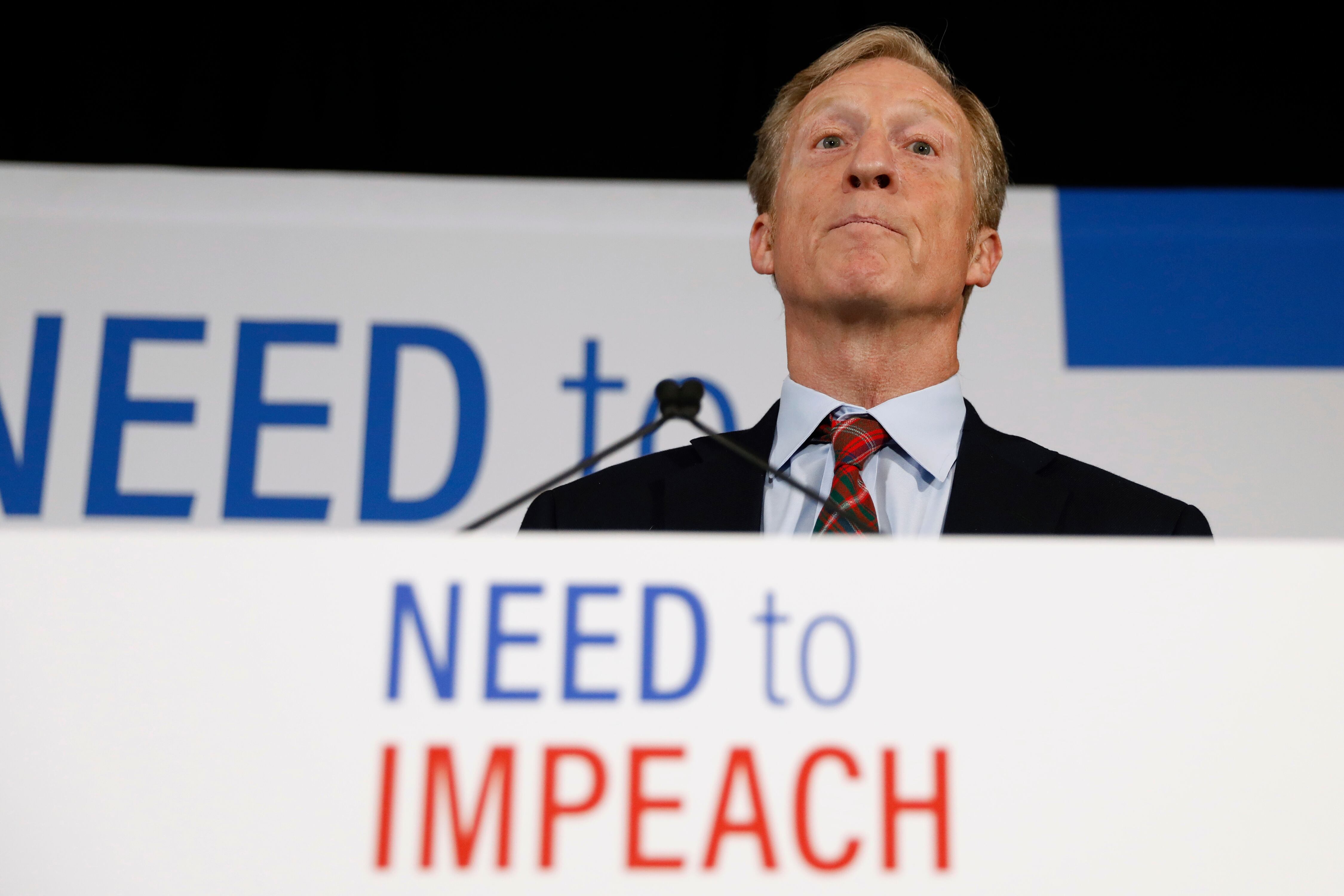
Tom Steyer, the former hedge-fund executive and progressive activist, announced his candidacy for the 2020 Democratic presidential nomination on Tuesday.
These are the headlines you Need 2 Know for Tuesday, July 9, 2019.
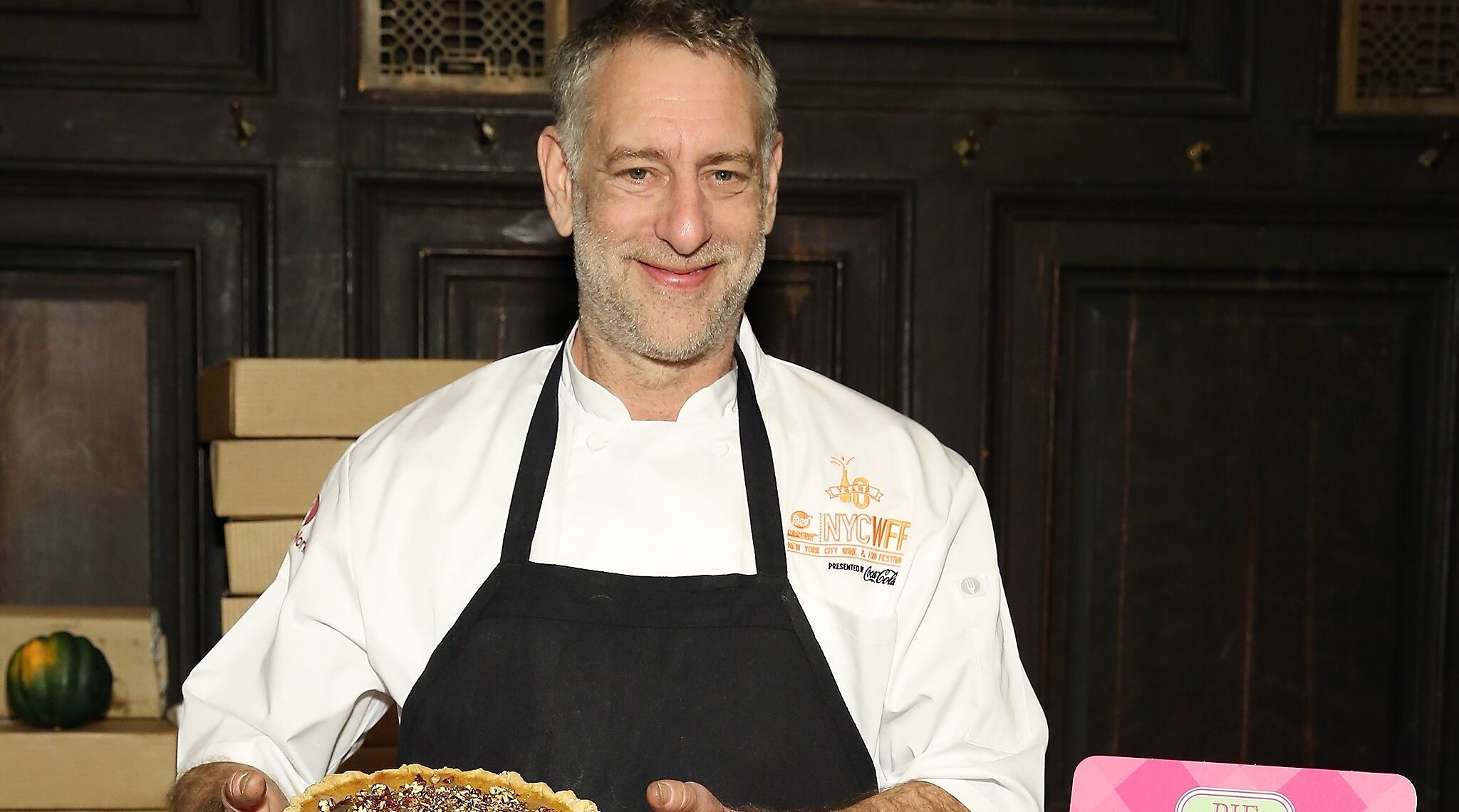
The market for hemp-derived CBD is expected to hit $5.1 billion in 2019 and $23.7 billion by 2023, according to new research from CBD and cannabis-focused market research firm, Brightfield Group. Despite bullish projections from researchers, enthusiasm from the industry, and curiosity from consumers, however, legislation at the federal and local levels isn’t keeping pace.
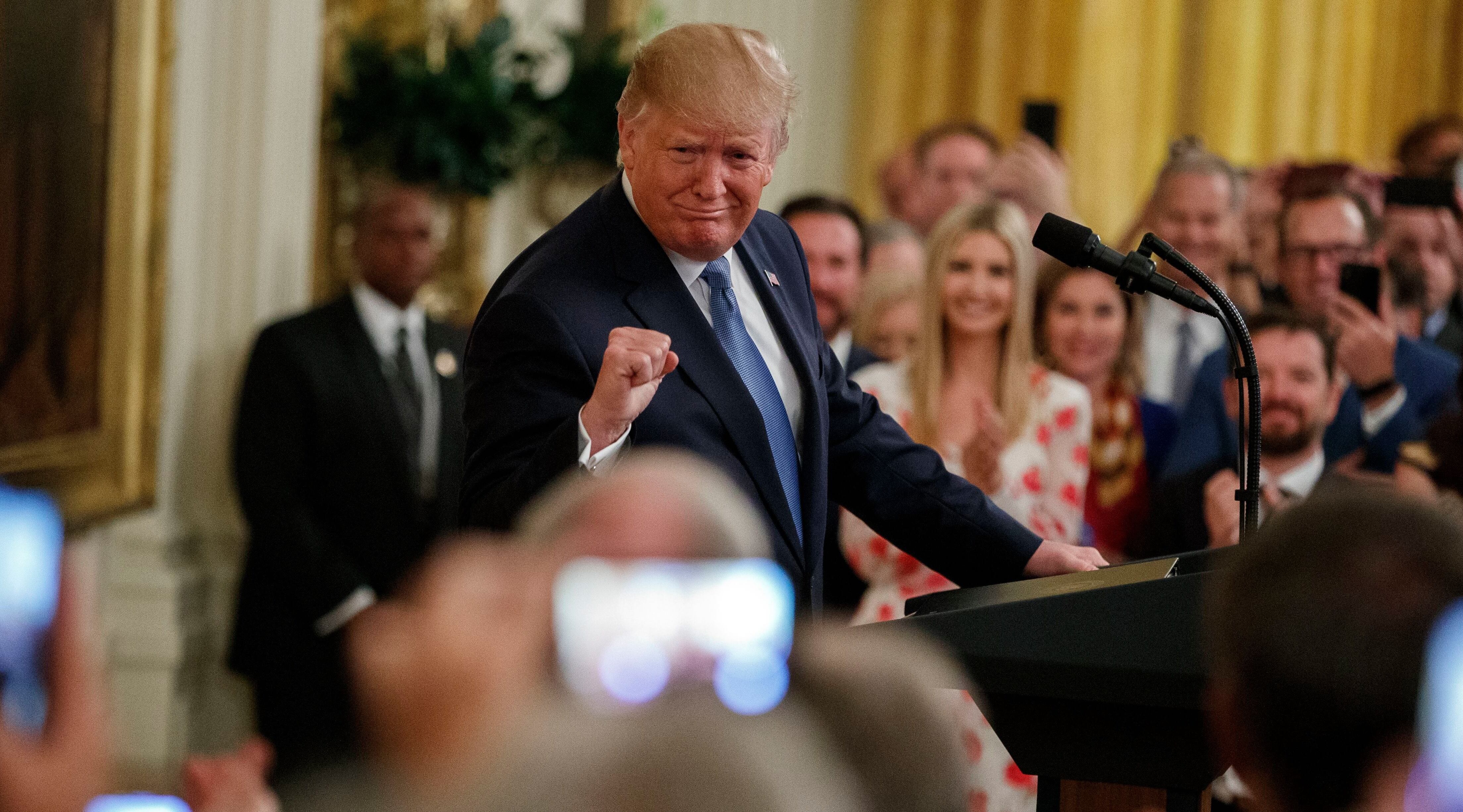
In a ceremony that strained credulity, President Donald Trump touted his administration's environmental protection initiatives in a speech on Monday.
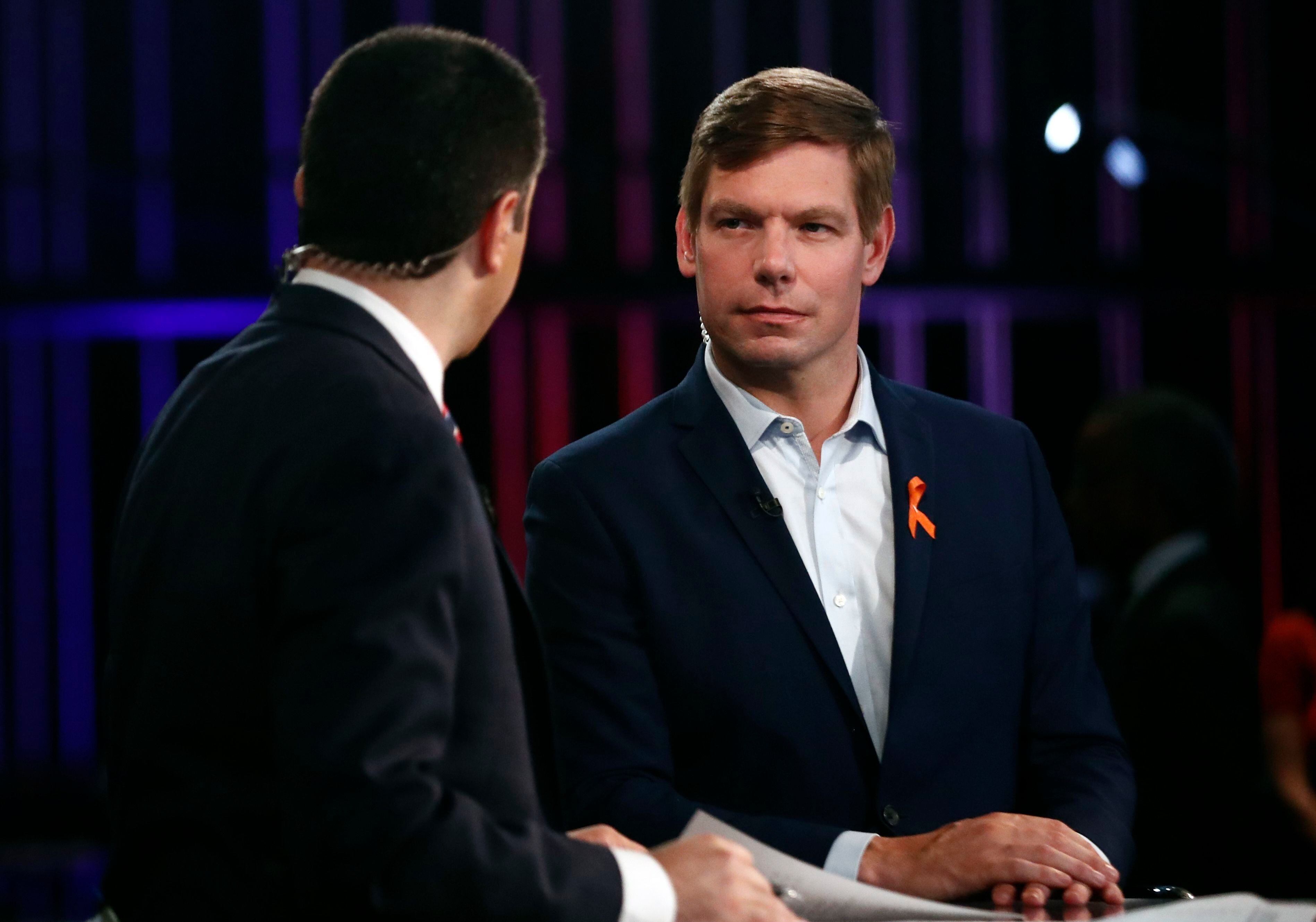
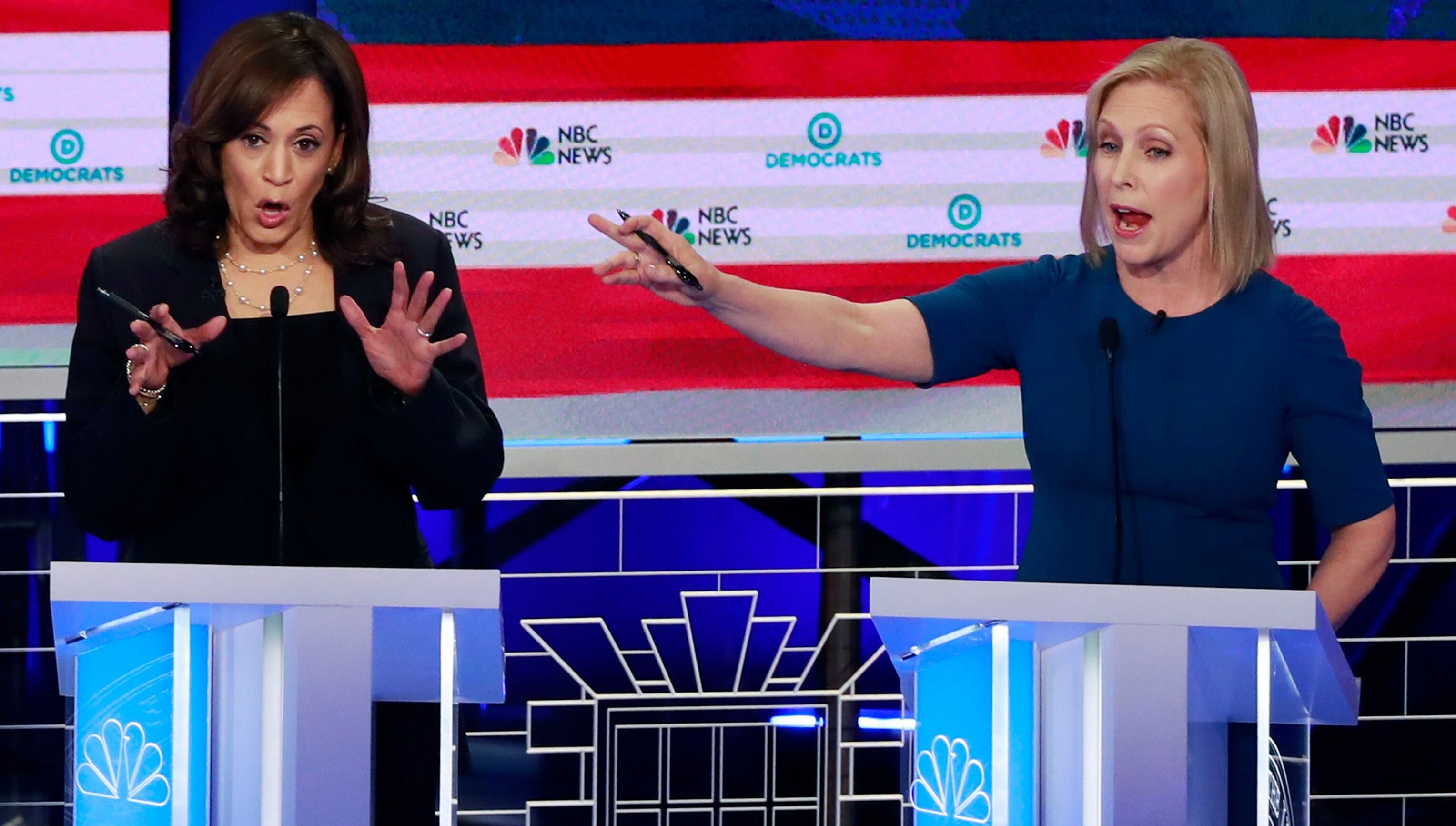
Female candidates must navigate the question of "electability," a double-standard for political campaigns according to Amanda Litman, former Hillary Clinton staffer and executive director of the political action committee, Run for Something.
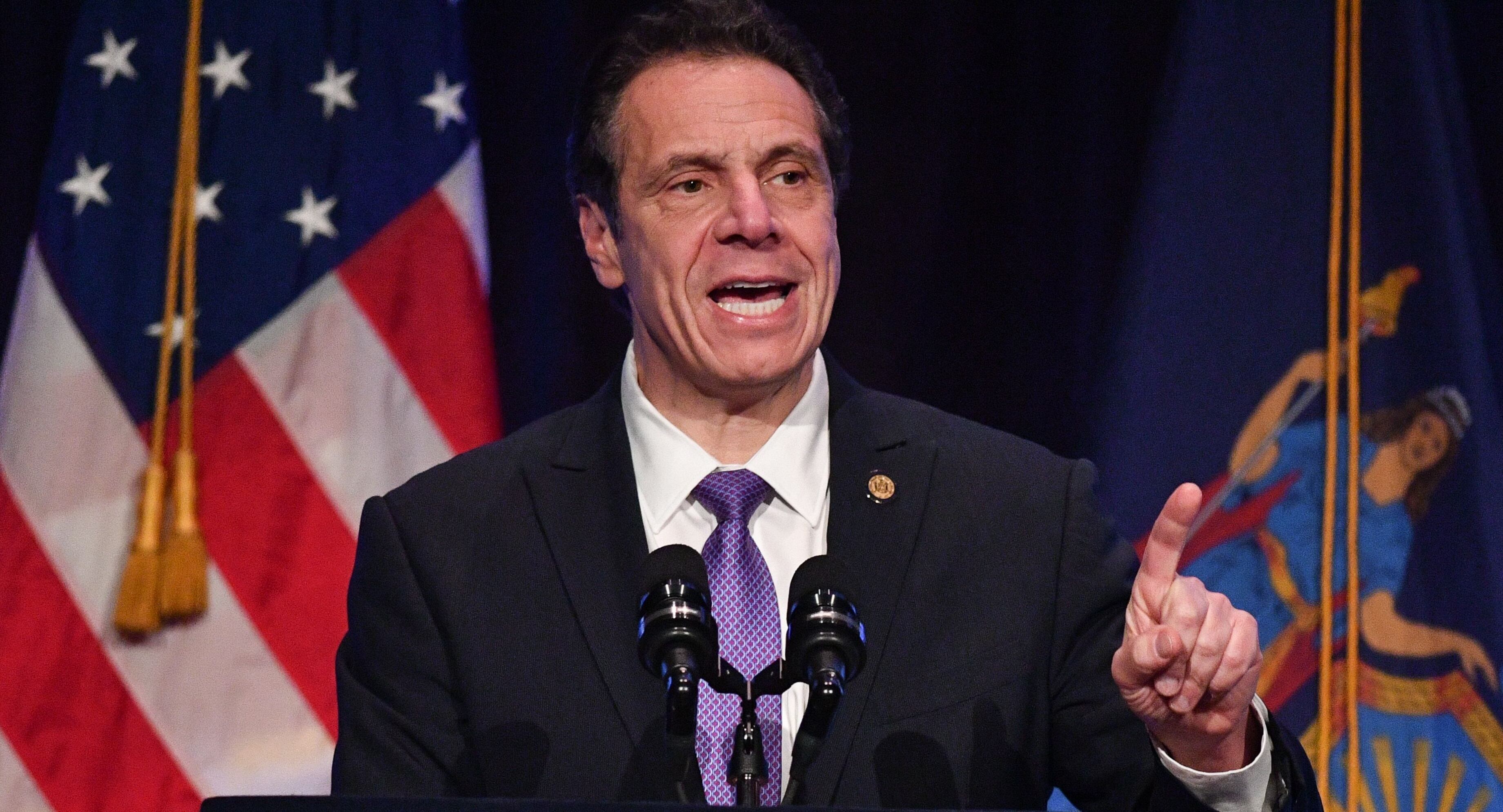
New York Gov. Andrew Cuomo signed a bill into law on Monday that will allow Democratic lawmakers in Washington access to the president’s highly sought after state tax returns.
These are the headlines you Need 2 Know for Monday, June 8, 2019.
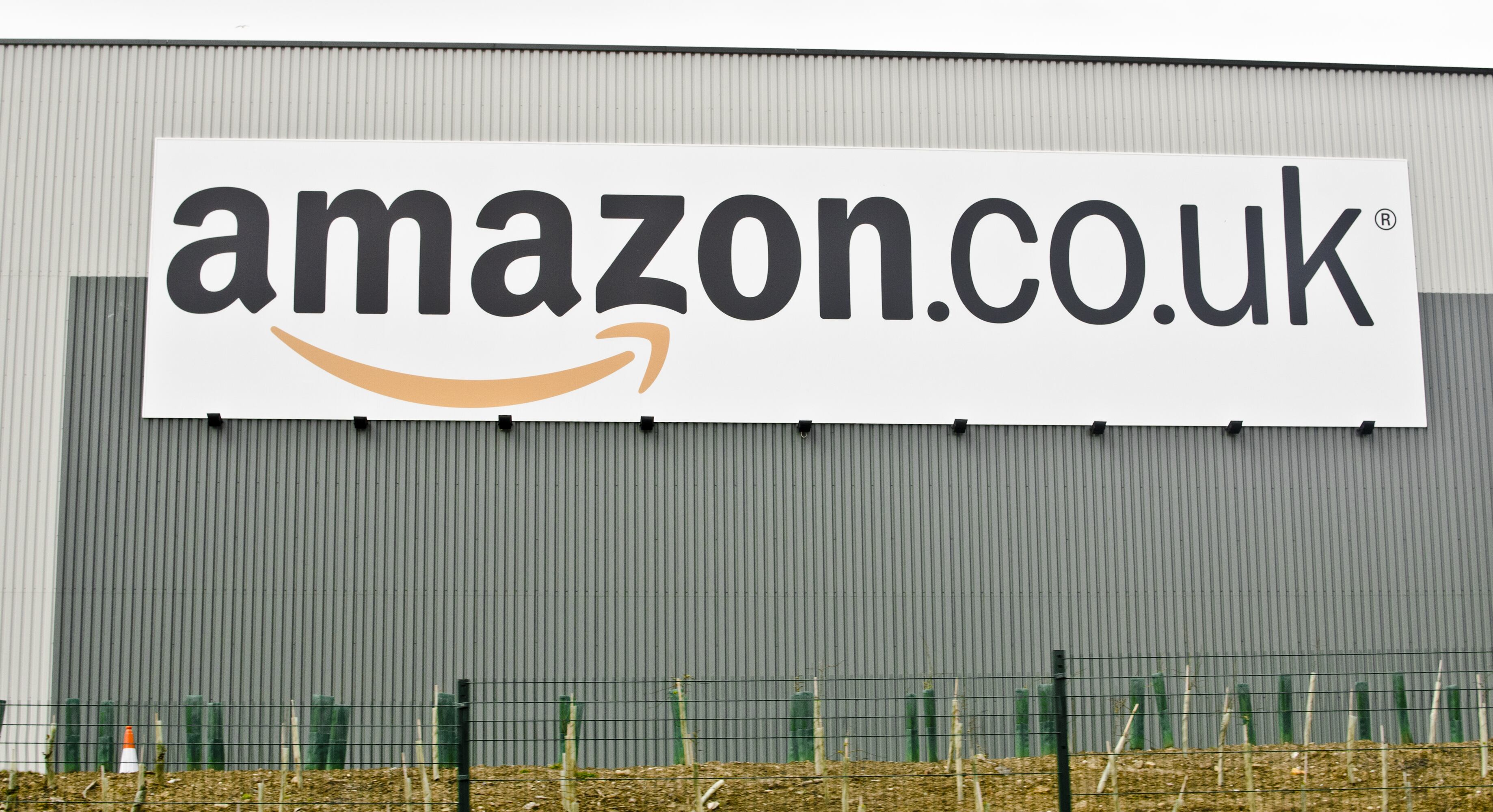
The UK's Competition and Markets Authority, a government department charged with ensuring business competition, ordered Amazon to pause its investment in Deliveroo, a widely-popular British restaurant delivery service.
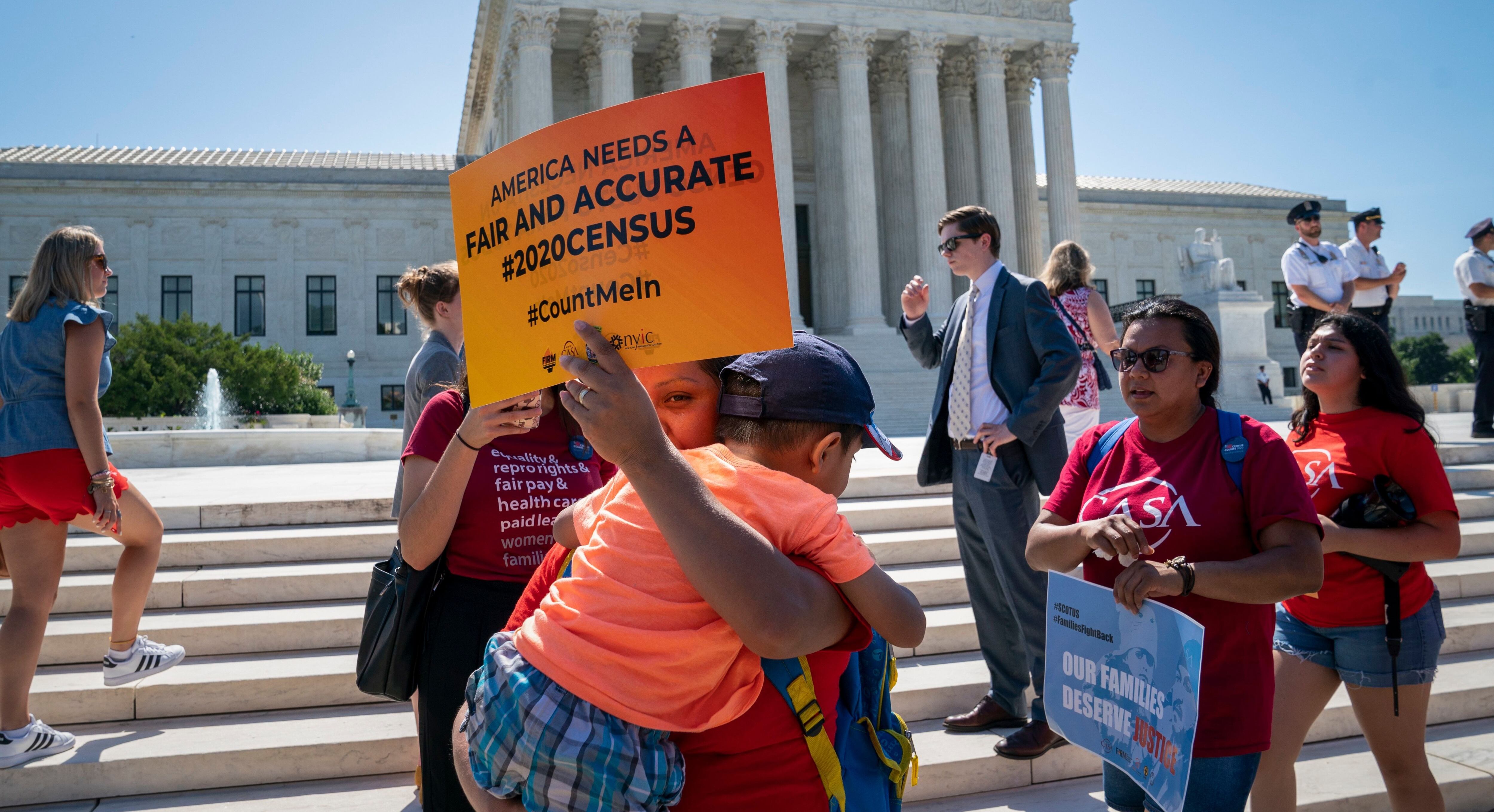
The Trump administration will continue its efforts to include a citizenship question on the 2020 census, Justice Department lawyers said Friday. The government told a federal judge in Maryland that it will pursue further litigation but did not provide details on its rationale or legal strategy.
These are the headlines you Need 2 Know for Friday, July 5, 2019.