For people seeking work or an escape to a better life in the United States, it's going to cost about two times the current amount, following a move by the Trump administration to hike fees on various immigration applications.
Michelle Mendez, director of defending vulnerable programs at the Catholic Legal Immigration Network, Inc. (CLINIC), calls the move an assault on immigration.
"This rule, these fees that have increased will make it extremely difficult for individuals to become legal immigrants, specifically to become naturalized immigrants, to become citizens," Mendez told Cheddar.
The new fees, which are set to be increased in October, will also gravely impact the world's most at-risk populations seeking asylum in the U.S., Mendez added.
"$50 may seem to be a small fee for many of us. We have to understand that asylum seekers leave their countries, they flee their countries with practically nothing," she said.
While news of the increased fees may be looked on as damning, Mendez said the move is on par with the Trump administration's previous moves to eliminate "access to the legal immigration process."
"During the [presidential] campaign, the rhetoric was very much focused on illegal immigration. We knew that that actually meant they were going to attack illegal and legal immigration," she said.
For Mendez, the idea of increasing fees and making the process even more difficult for people who want to become American is a jab at the foundation upon which the country was built.
"When we limit the opportunity for people to be engaged in the process by being citizens, that really undermines our democracy. That really undermines our democratic process," she stated.
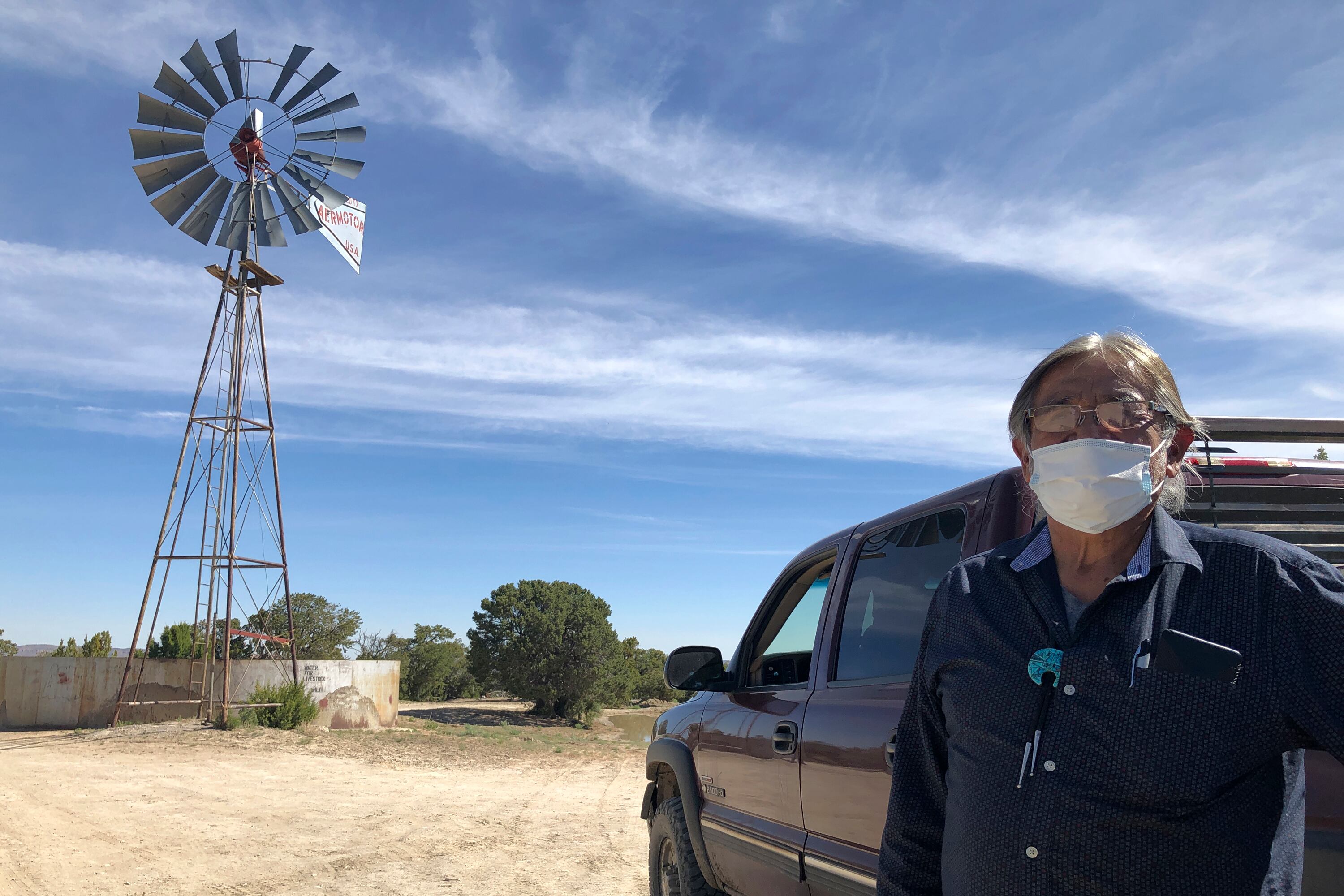
Even as some states begin the process of reopening their economies, Native American tribes are dealing with disproportionate challenges during the pandemic. The Navajo Nation, in particular, has suffered greatly. "The native communities are the ones that are suffering the most from the virus," former New Mexico Governor Bill Richardson told Cheddar. "Close to 30 to 40 percent of those that are afflicted are tribal members, especially the Navajo Nation."
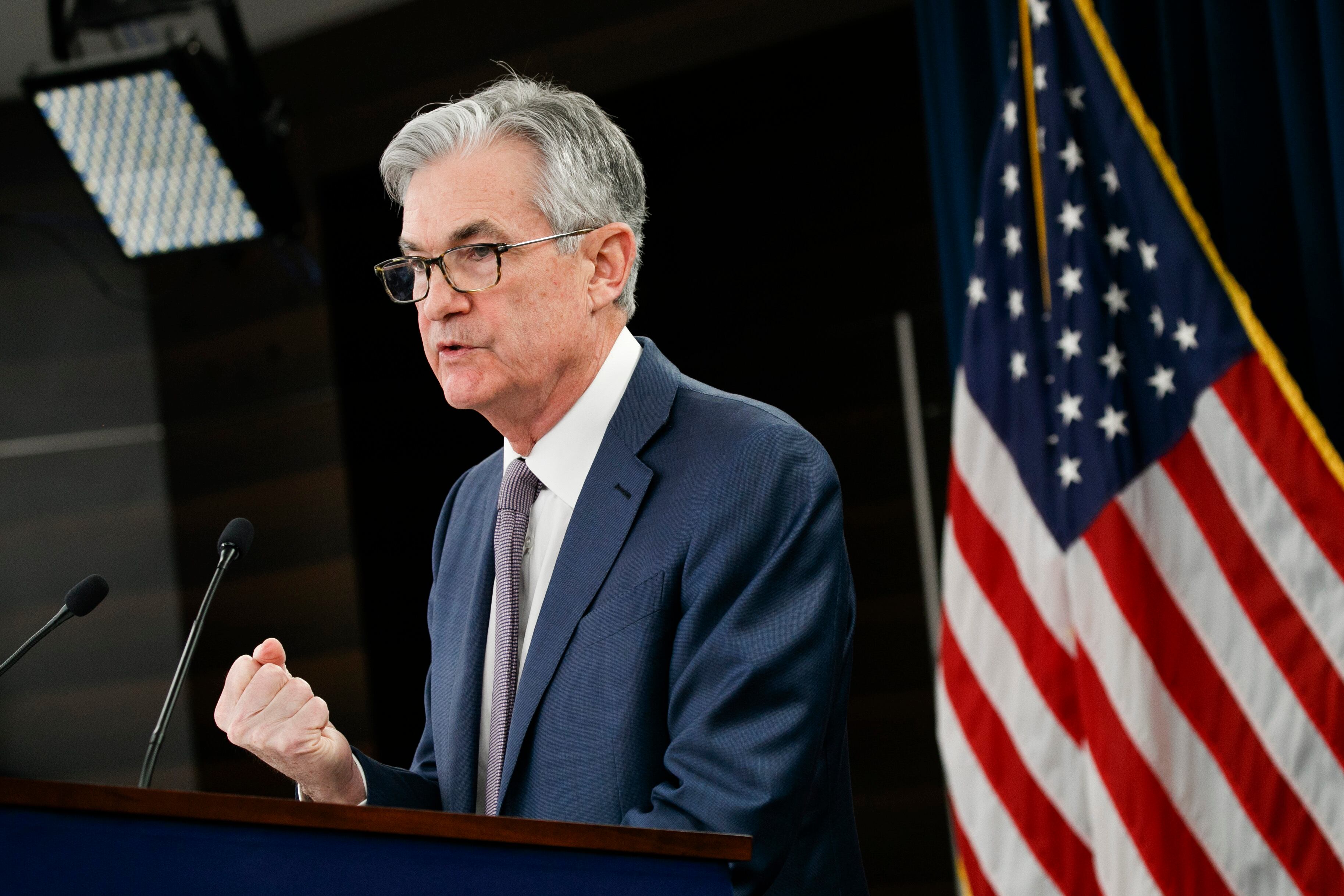
Federal Reserve Chair Jerome Powell said Tuesday that the central bank’s lending programs for medium-sized businesses and state and local governments will be operational by the end of this month.
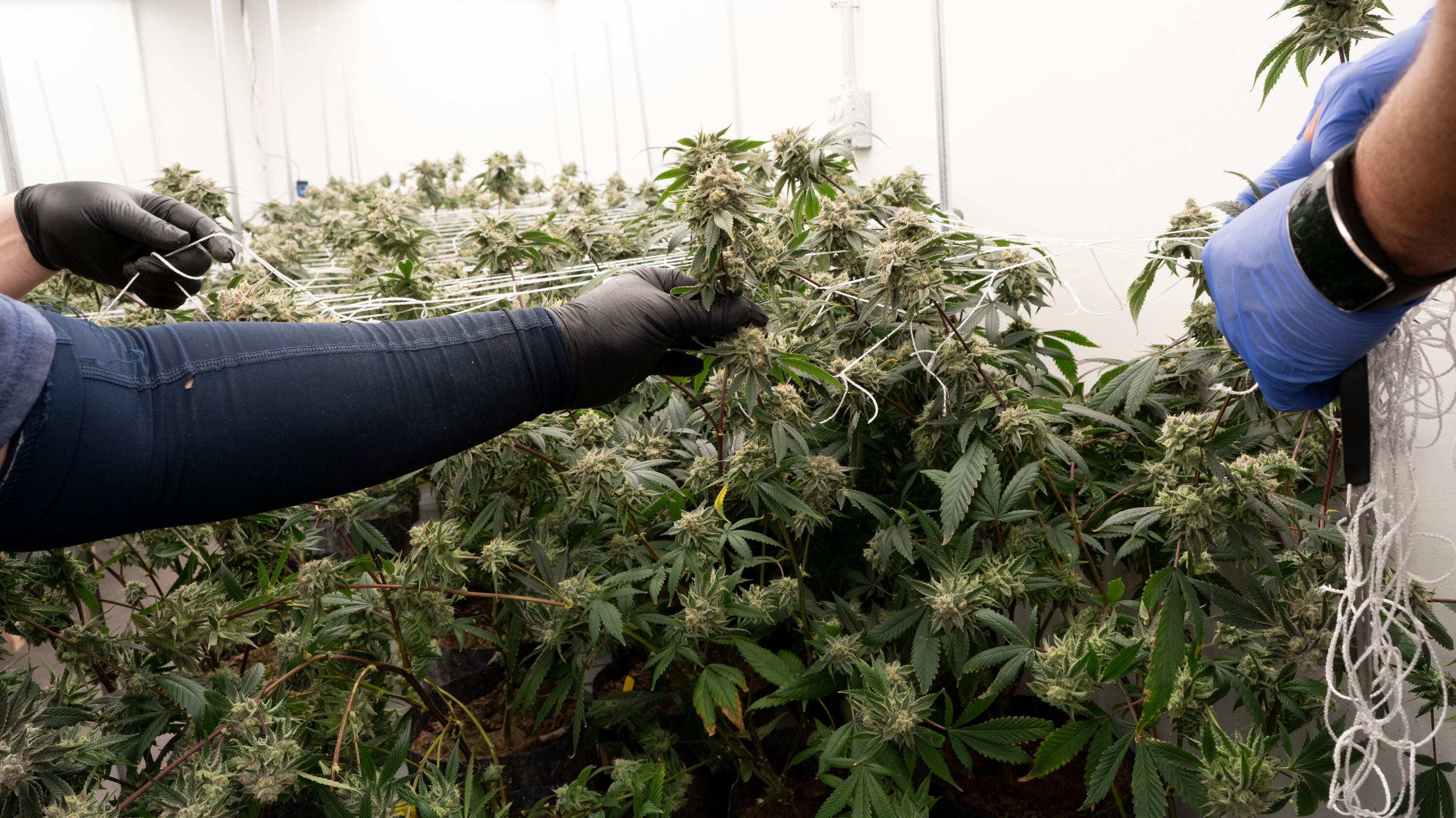
The U.S. House of Representatives narrowly approved a $3 trillion coronavirus stimulus bill on Friday that includes provisions for cannabis banking, even as opposition to the measure builds in the Republican-controlled Senate.
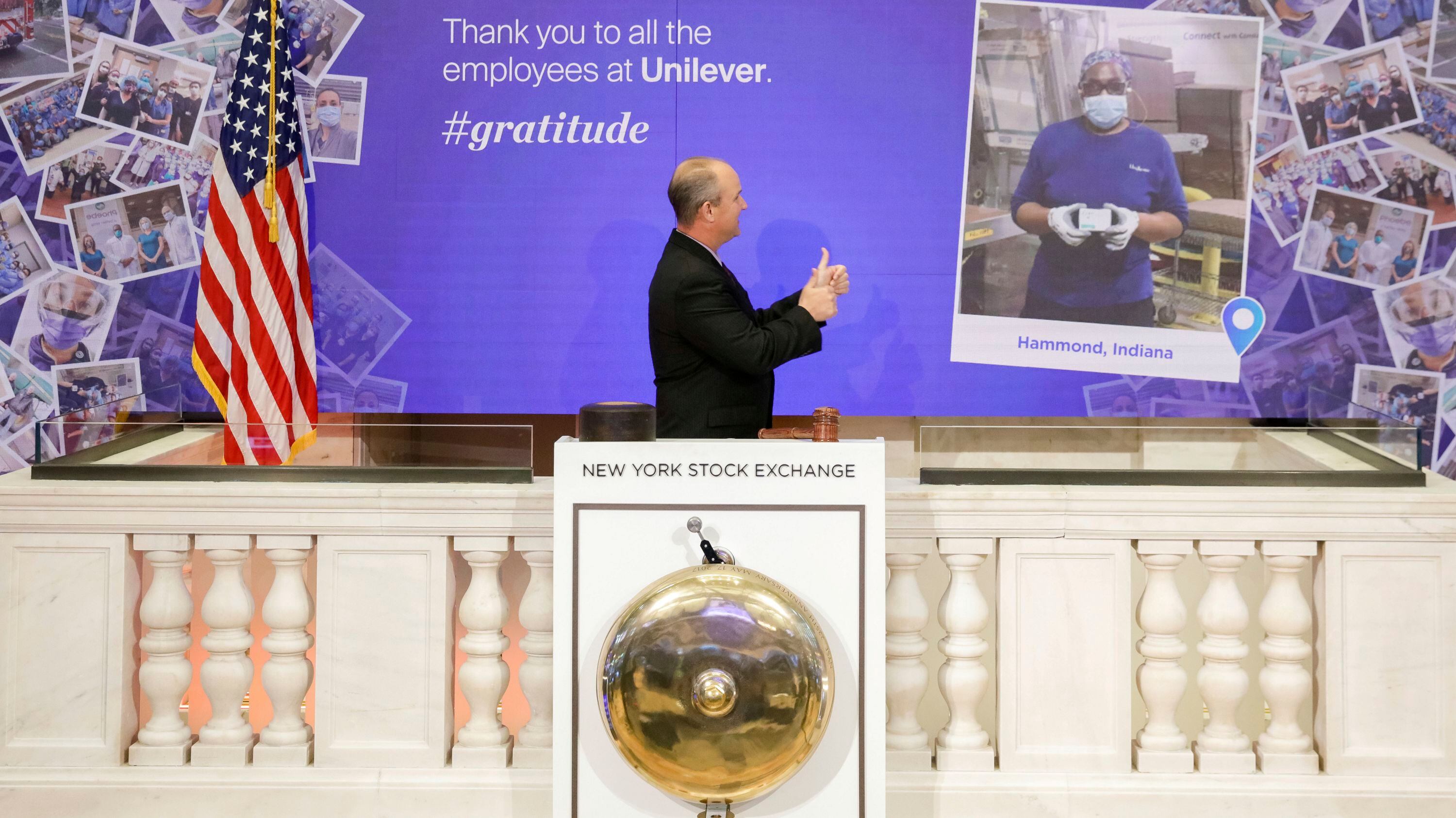
Stocks are mixed in early trading on Wall Street Tuesday, a day after the market had its biggest jump in more than five weeks.
Director of the Rhode Island Labor Department, Scott Jensen discussed how Amazon's tech aided the state amid the widespread unemployment during the pandemic.
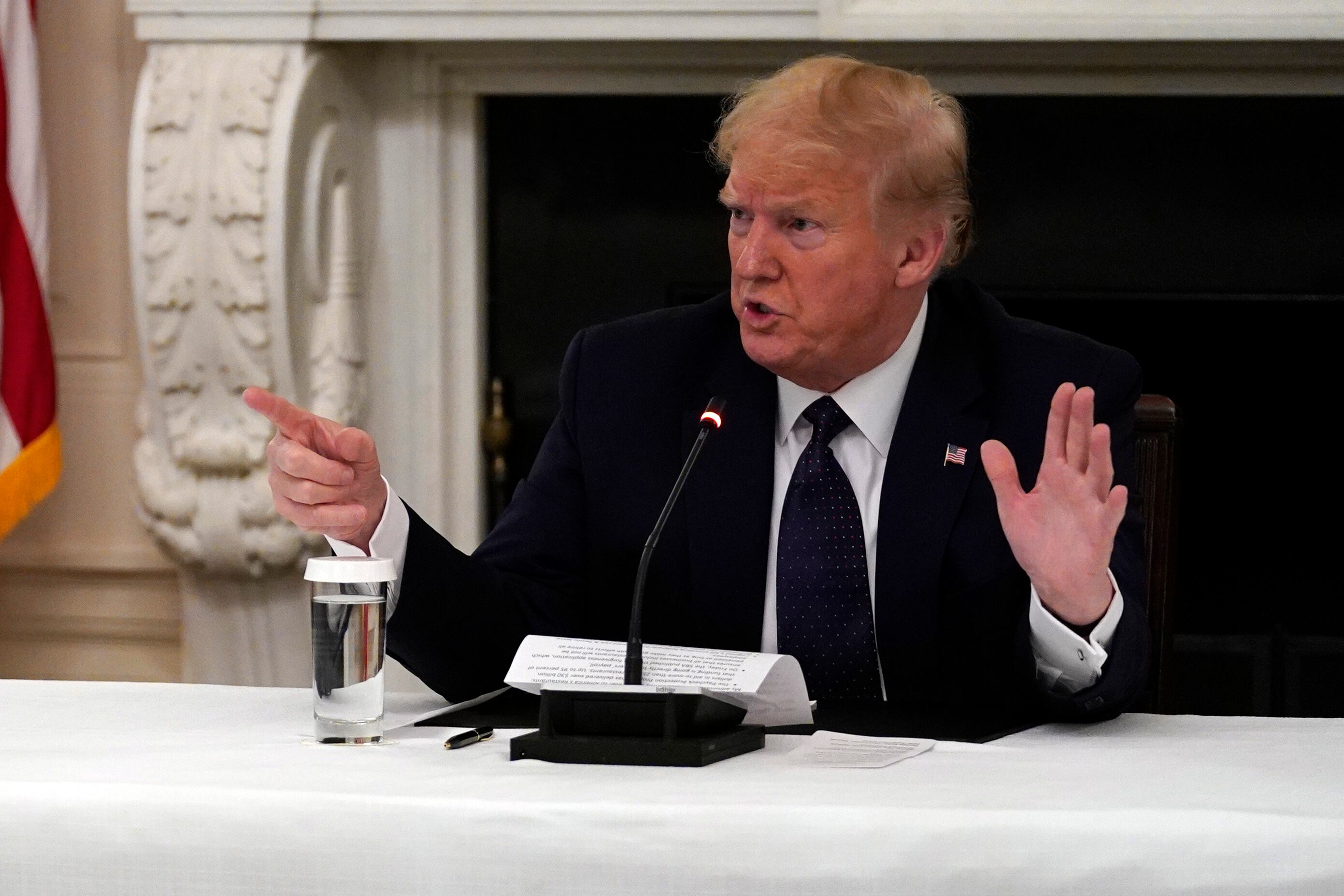
President Donald Trump said Monday that he is taking a malaria drug to lessen symptoms should he get the new coronavirus, even though the drug is unproven for fighting COVID-19.
As large swaths of New York begin to reopen this weekend, mayors and local officials across the state are feeling the squeeze from budget cuts, furloughs, and frustrated constituents.
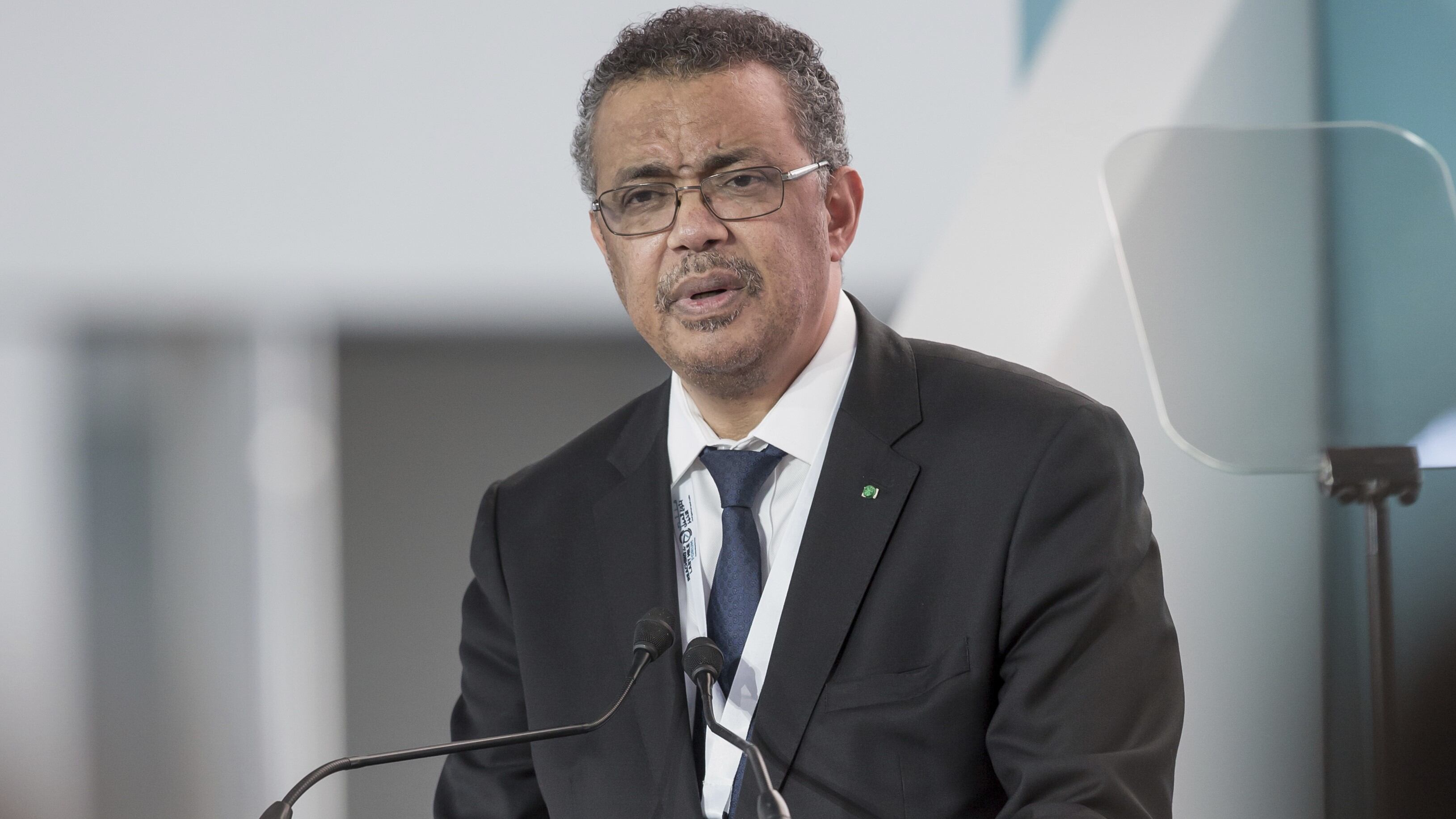
WHO Director-General Tedros Adhanom Ghebreyesus says he will begin an independent evaluation of the U.N. health agency’s response to the coronavirus pandemic “at the earliest appropriate moment.”
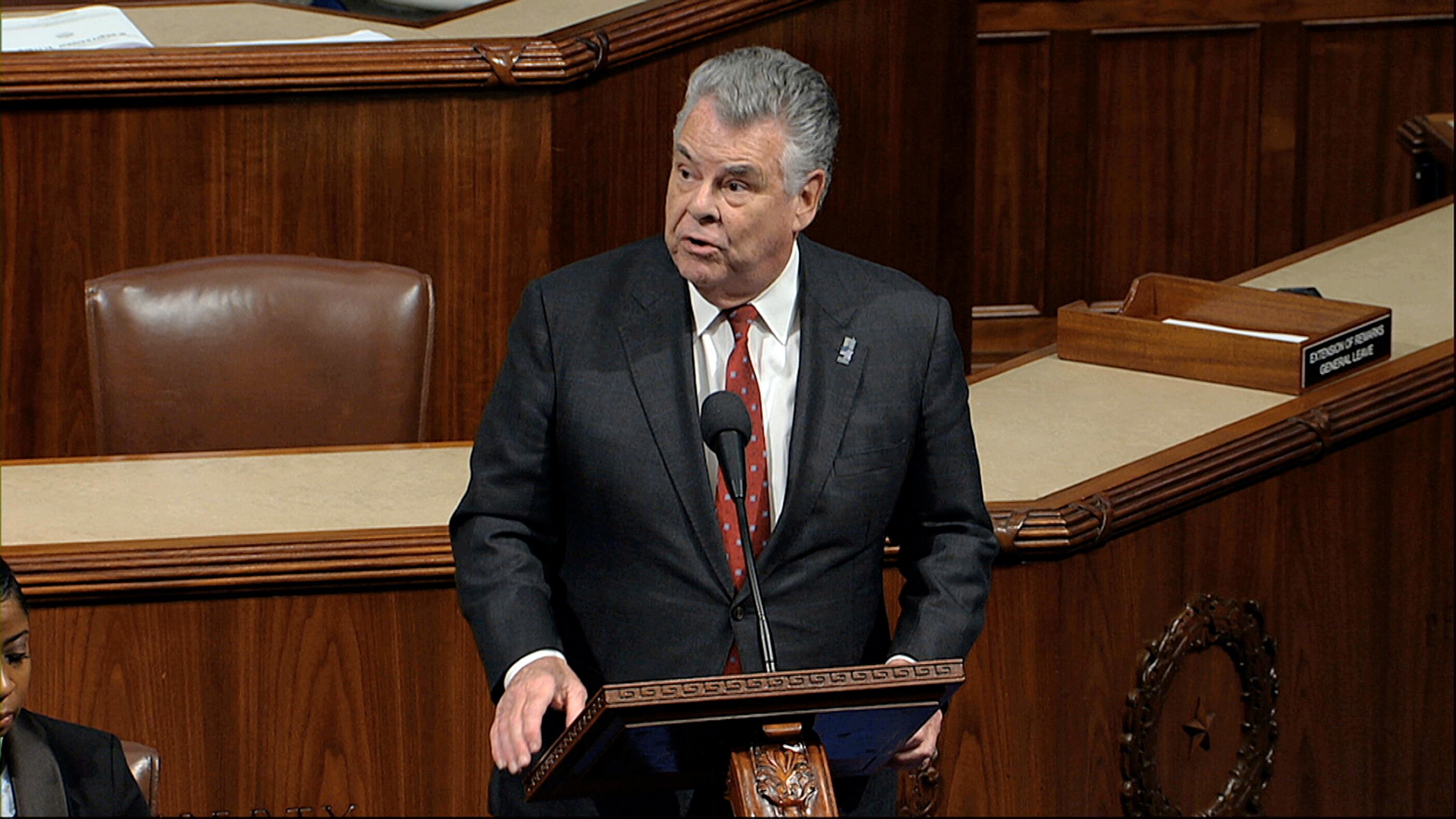
Congressman Peter King (R-N.Y. 2nd District) tells Cheddar exclusively that he plans to vote in favor of the $3 trillion coronavirus relief bill introduced by Democratic Speaker of the House Nancy Pelosi earlier this week.
The U.S. government is imposing new restrictions on Chinese tech giant Huawei by limiting its ability to use American technology to build its semiconductors.