For people seeking work or an escape to a better life in the United States, it's going to cost about two times the current amount, following a move by the Trump administration to hike fees on various immigration applications.
Michelle Mendez, director of defending vulnerable programs at the Catholic Legal Immigration Network, Inc. (CLINIC), calls the move an assault on immigration.
"This rule, these fees that have increased will make it extremely difficult for individuals to become legal immigrants, specifically to become naturalized immigrants, to become citizens," Mendez told Cheddar.
The new fees, which are set to be increased in October, will also gravely impact the world's most at-risk populations seeking asylum in the U.S., Mendez added.
"$50 may seem to be a small fee for many of us. We have to understand that asylum seekers leave their countries, they flee their countries with practically nothing," she said.
While news of the increased fees may be looked on as damning, Mendez said the move is on par with the Trump administration's previous moves to eliminate "access to the legal immigration process."
"During the [presidential] campaign, the rhetoric was very much focused on illegal immigration. We knew that that actually meant they were going to attack illegal and legal immigration," she said.
For Mendez, the idea of increasing fees and making the process even more difficult for people who want to become American is a jab at the foundation upon which the country was built.
"When we limit the opportunity for people to be engaged in the process by being citizens, that really undermines our democracy. That really undermines our democratic process," she stated.
Al Harington, founder of Viola Cannabis and former NBA player, joined Cheddar to discuss what a Biden/Harris administration would mean for the cannabis industry.
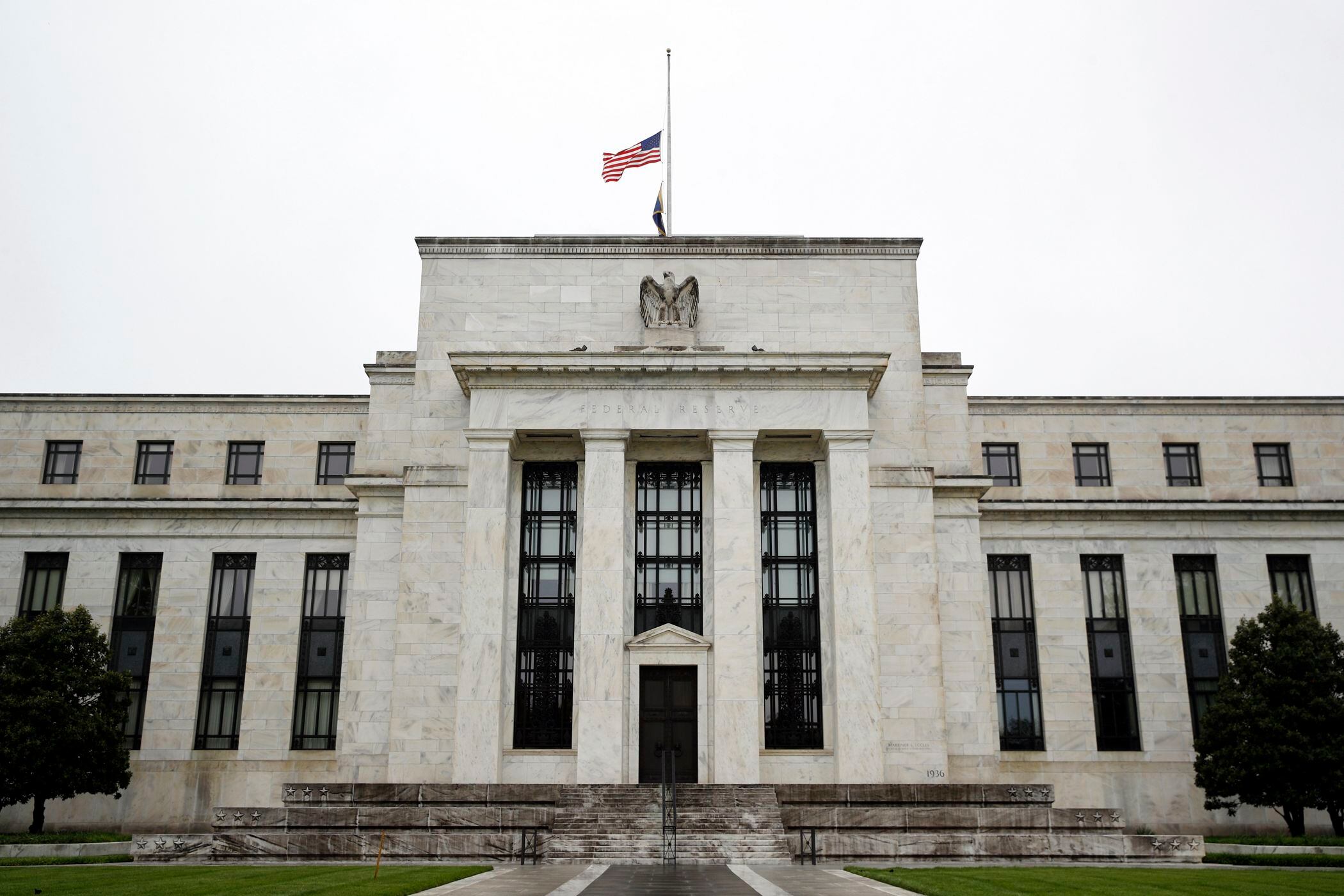
The Federal Reserve juicing money into local budgets through the Municipal Liquidy Facility was unprecedented, but a growing number of advocates for a more progressive, proactive Fed, is that it didn't go far enough.
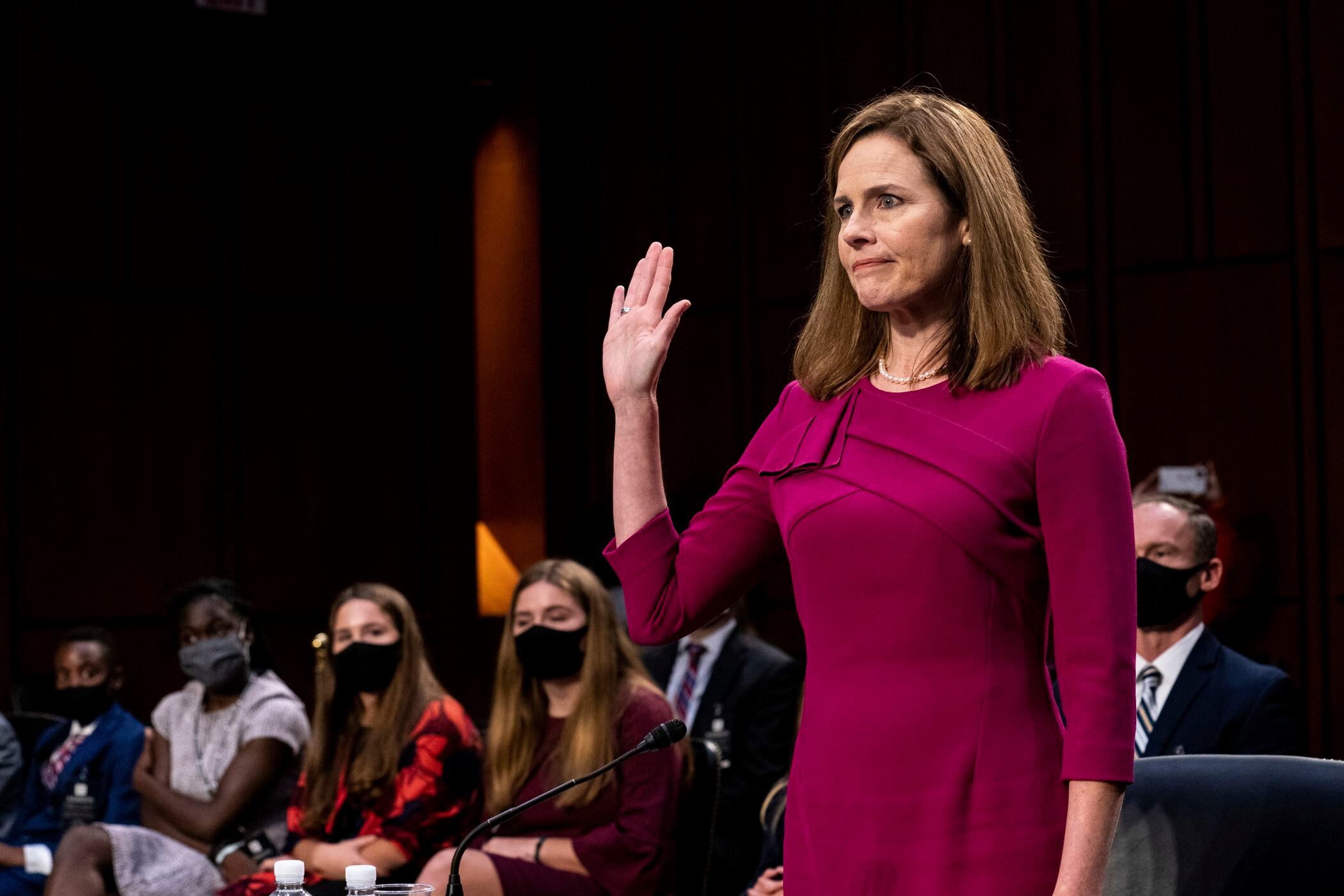
Supreme Court nominee Amy Coney Barrett has presented her conservative approach to the law at the start of a fast-tracked confirmation hearing.
President Donald Trump is looking to get his campaign back on track, a week after he was sidelined with the coronavirus that has killed more than 210,000 Americans.
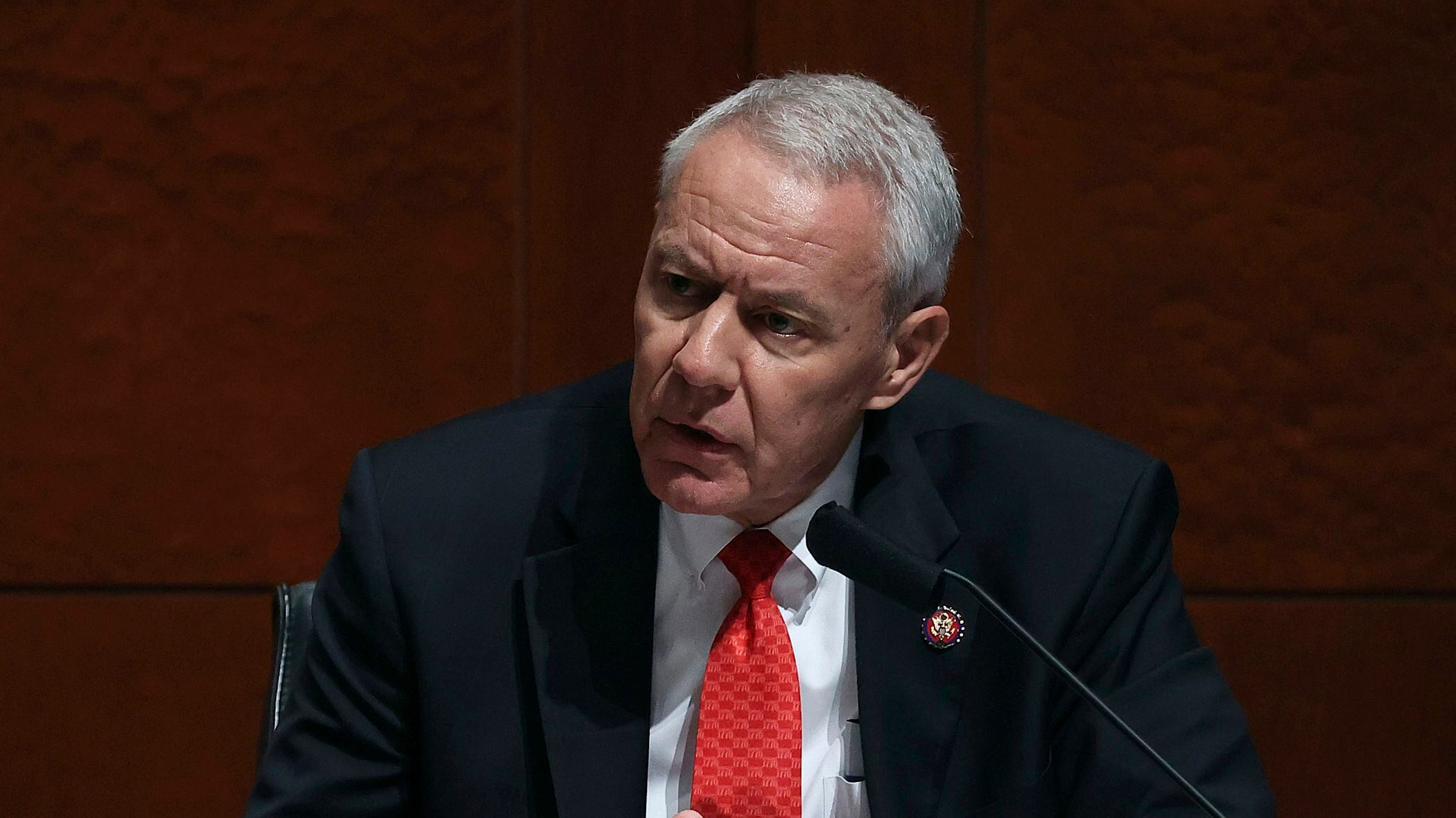
U.S. Rep. Ken Buck (R-Colo.) joined Cheddar to discuss how Congress and the judiciary should approach big tech monopolies. Buck was clear that the Democrats and Republicans, however, disagree on just how to go about shrinking the tech giants.
From Wall Street to Silicon Valley, these are the top stories that moved markets and had investors, business leaders, and entrepreneurs talking this week on Cheddar.
The White House is boosting its offer in up-and-down COVID-19 aid talks Friday in hopes of an agreement before Election Day.
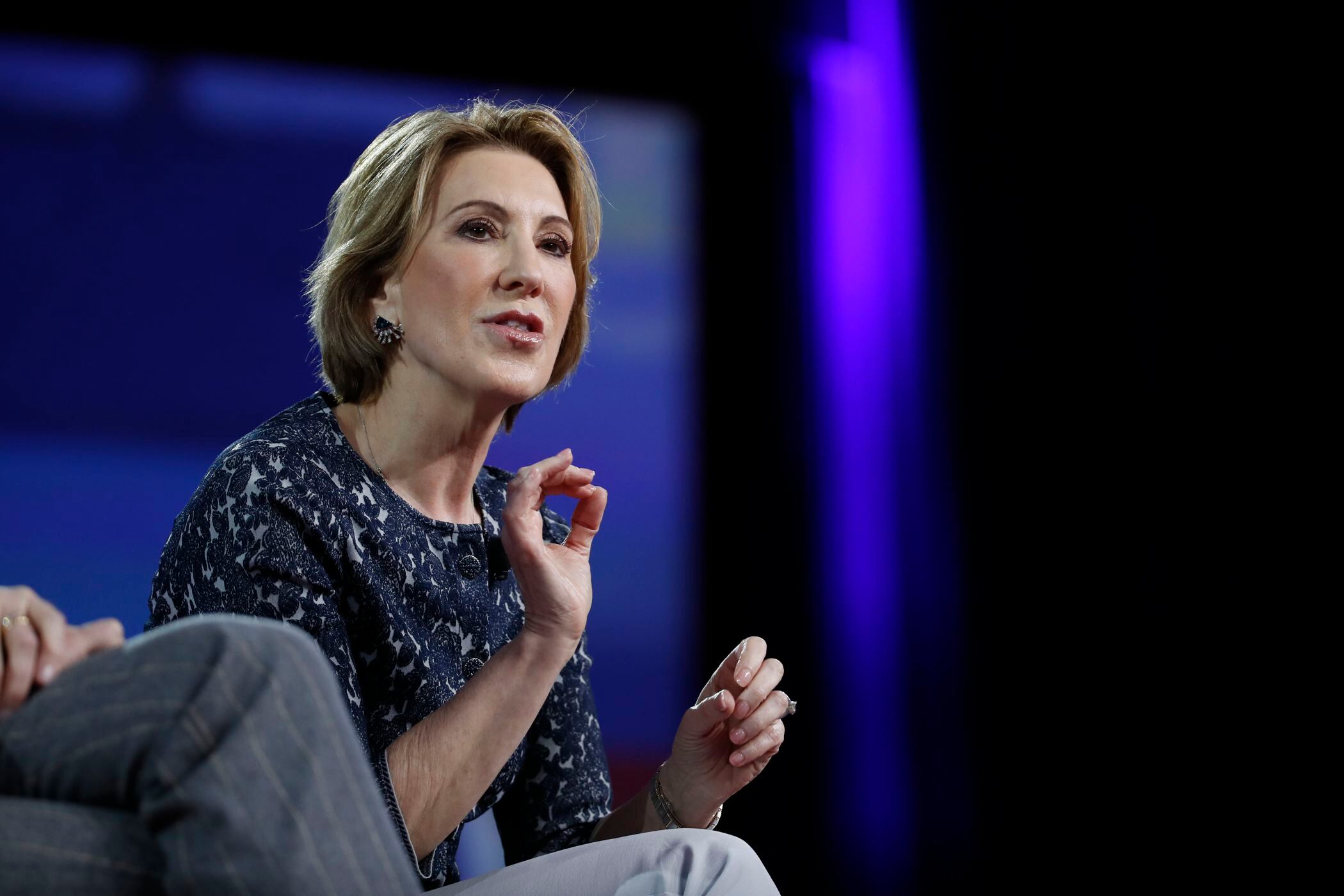
Former GOP presidential candidate Carly Fiorina discussed her support of Joe Biden's bid for the presidency. Also, the former CEO of Hewlett-Packard, she attributed her support for Biden due to a lack of leadership from President Trump and his failed foreign policies.
Democratic lawmakers are speaking out against a proposed Labor Department rule that they argue would make it harder for retirement funds to consider important environmental factors when making investment decisions.
A new Cheddar poll, conducted by SurveyUSA, on Supreme Court nomination, abortion law, and the Affordable Care Act.