For people seeking work or an escape to a better life in the United States, it's going to cost about two times the current amount, following a move by the Trump administration to hike fees on various immigration applications.
Michelle Mendez, director of defending vulnerable programs at the Catholic Legal Immigration Network, Inc. (CLINIC), calls the move an assault on immigration.
"This rule, these fees that have increased will make it extremely difficult for individuals to become legal immigrants, specifically to become naturalized immigrants, to become citizens," Mendez told Cheddar.
The new fees, which are set to be increased in October, will also gravely impact the world's most at-risk populations seeking asylum in the U.S., Mendez added.
"$50 may seem to be a small fee for many of us. We have to understand that asylum seekers leave their countries, they flee their countries with practically nothing," she said.
While news of the increased fees may be looked on as damning, Mendez said the move is on par with the Trump administration's previous moves to eliminate "access to the legal immigration process."
"During the [presidential] campaign, the rhetoric was very much focused on illegal immigration. We knew that that actually meant they were going to attack illegal and legal immigration," she said.
For Mendez, the idea of increasing fees and making the process even more difficult for people who want to become American is a jab at the foundation upon which the country was built.
"When we limit the opportunity for people to be engaged in the process by being citizens, that really undermines our democracy. That really undermines our democratic process," she stated.
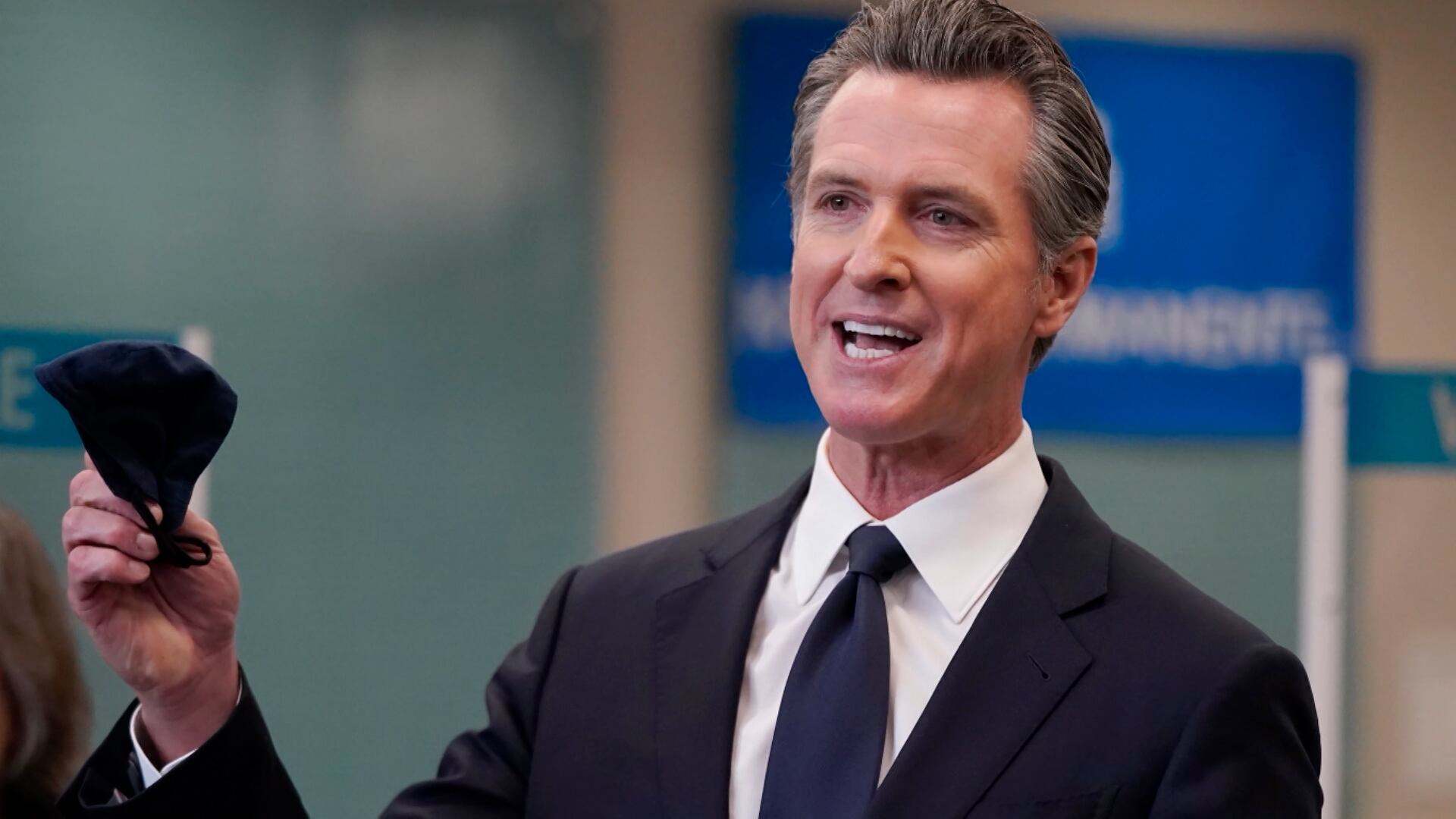
California Governor Gavin Newsom is projected to keep his job. Around two-thirds of the votes have been reported, and roughly 64% of those votes are in favor of keeping Newsom as their governor.
Daniel Strauss, senior political correspondent at The New Republic, joined Cheddar's Opening Bell to discuss more about what Newsom's win means to both political parties moving into Midterm elections season.
The Department of Justice is suing Texas over the state's new abortion law that prohibits abortions after six weeks, well before many women even know they're pregnant. The lawsuit argues the law is unconstitutional under long-standing Supreme Court precedent. It was filed last week in federal court in Texas, but could go all the way to the high court within weeks. Josh Blackman, a constitutional law professor at South Texas College of Law Houston, discusses the DOJ lawsuit and what it could mean for other abortion laws across the country.
26 states have now fully vaccinated more than half of their population with Vermont, Connecticut, and Massachusetts fully vaccinating at least two-thirds of their residents. These three states are among the ones with the lowest new Covid-19 cases per capita, but in states with low vaccination rates, hospitals are filling up again.
Dr. Rob Davidson, ER doctor and executive director of Committee to Protect Health Care, joined Cheddar's Opening Bell to discuss more.
The Biden Administration has officially extended a ban on a Trump-era policy that prohibits traveling with a U.S. passport to North Korea. The extension is expected to last until August 2022. The ban was initially enforced after the death of Otto Warmbier, who entered a vegetative state while in North Korean custody. Advocates against the ban argue that it has caused crippling impacts on Korean Americans who have not been able to reunite with their families back home. Senior Fellow at The Foundation For Defense of Democracies Anthony Ruggiero joined Cheddar's News Wrap to discuss more.