For people seeking work or an escape to a better life in the United States, it's going to cost about two times the current amount, following a move by the Trump administration to hike fees on various immigration applications.
Michelle Mendez, director of defending vulnerable programs at the Catholic Legal Immigration Network, Inc. (CLINIC), calls the move an assault on immigration.
"This rule, these fees that have increased will make it extremely difficult for individuals to become legal immigrants, specifically to become naturalized immigrants, to become citizens," Mendez told Cheddar.
The new fees, which are set to be increased in October, will also gravely impact the world's most at-risk populations seeking asylum in the U.S., Mendez added.
"$50 may seem to be a small fee for many of us. We have to understand that asylum seekers leave their countries, they flee their countries with practically nothing," she said.
While news of the increased fees may be looked on as damning, Mendez said the move is on par with the Trump administration's previous moves to eliminate "access to the legal immigration process."
"During the [presidential] campaign, the rhetoric was very much focused on illegal immigration. We knew that that actually meant they were going to attack illegal and legal immigration," she said.
For Mendez, the idea of increasing fees and making the process even more difficult for people who want to become American is a jab at the foundation upon which the country was built.
"When we limit the opportunity for people to be engaged in the process by being citizens, that really undermines our democracy. That really undermines our democratic process," she stated.
Carlo and Baker discuss the sweeping new vaccine mandate in NYC that will target all private businesses. Plus, Trump's media venture gets its CEO and more.
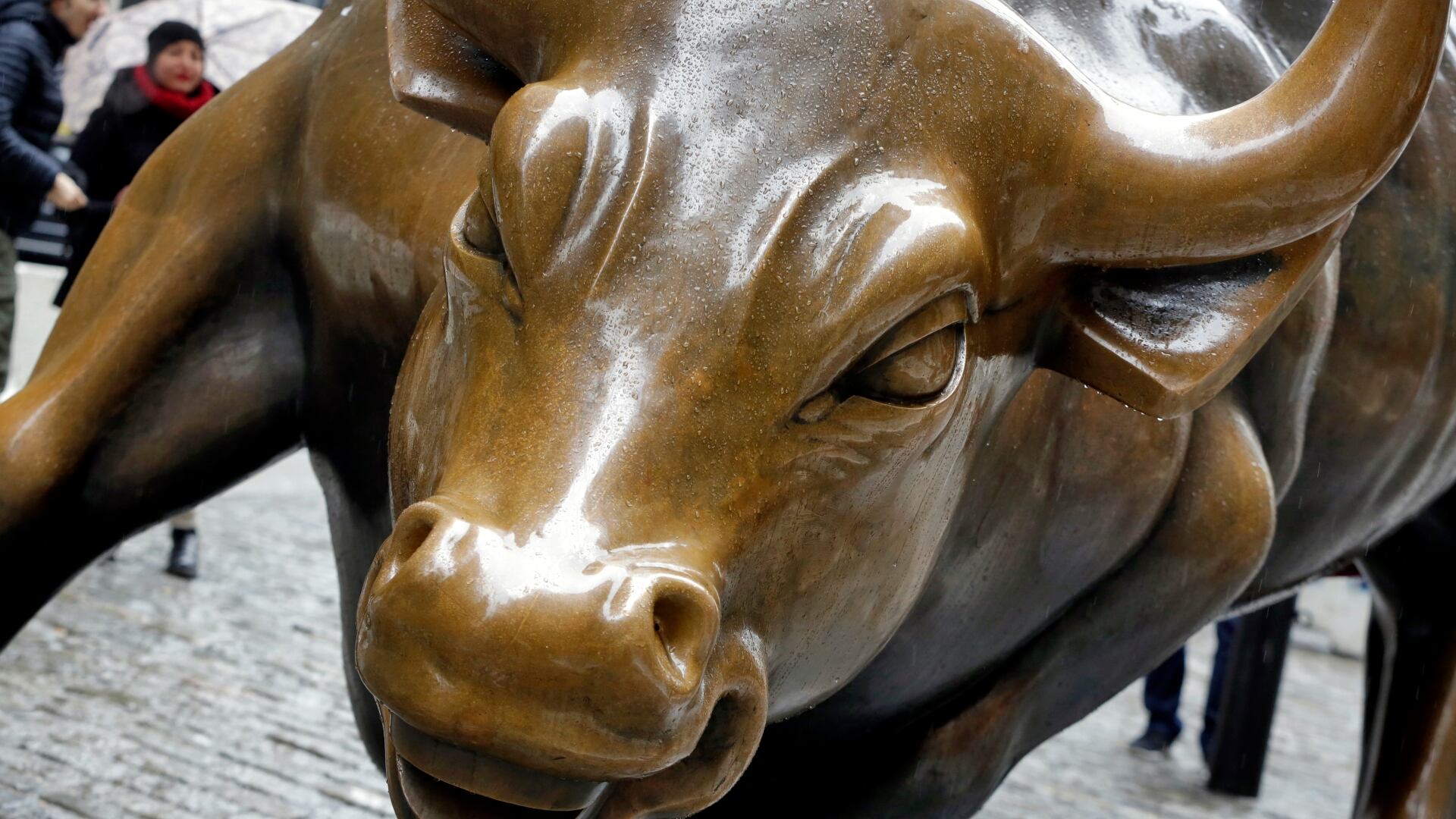
Rebecca Walser, President of Walser Wealth Management, joins Cheddar News' Closing Bell, where she discusses the factors behind Monday's surge on Wall Street and explains why investors will likely experience volatility in the market throughout the month of December.
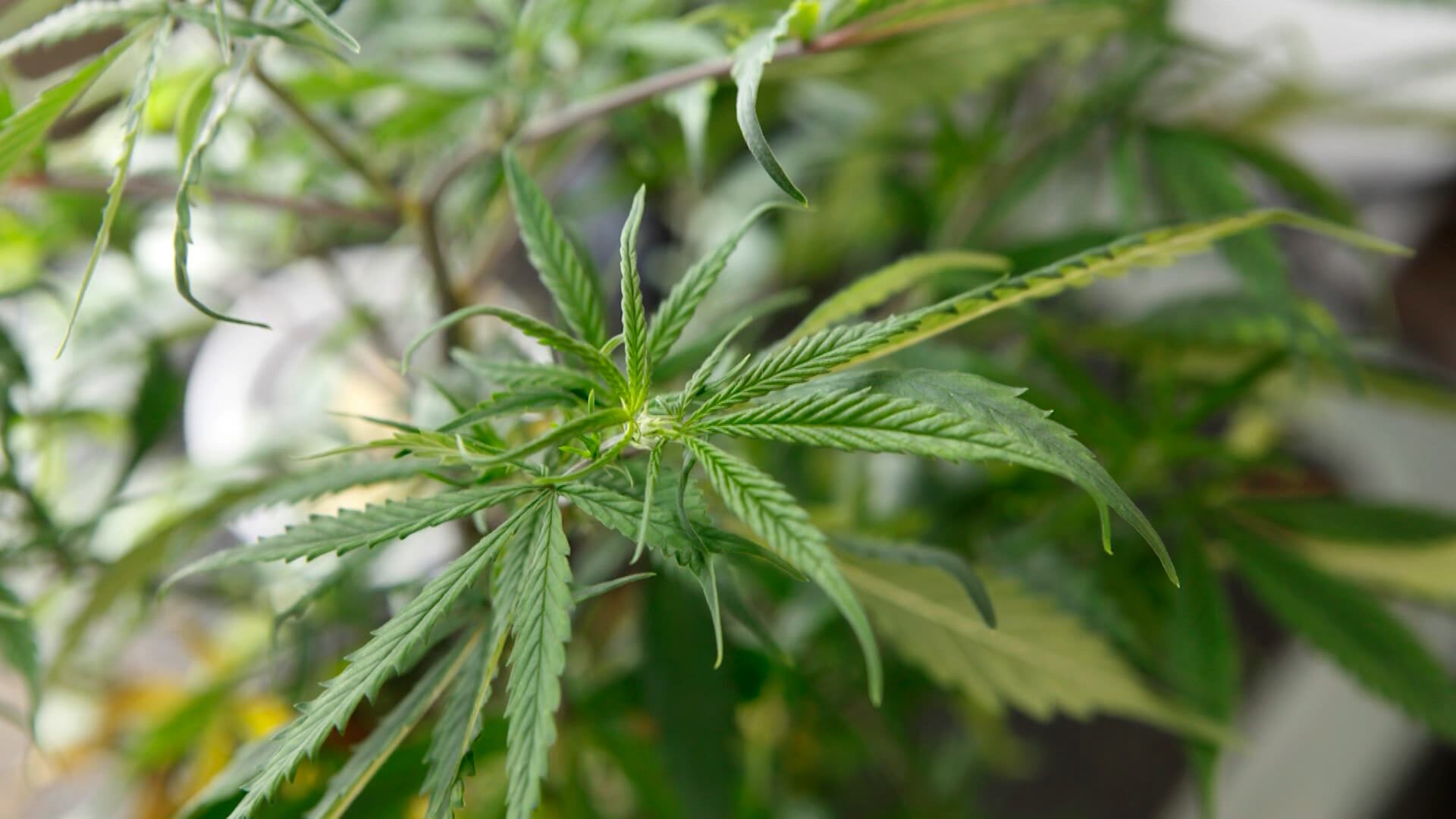
Cheddar's Chloe Aiello joined "Closing Bell" to break down the progress of the SAFE Banking Act in Congress as cannabis businesses operators struggle to find financial institutions that will service them. Banks face steep federal penalties, including the risk of losing a bank charter, if found to be servicing marijuana businesses even if their state has legalized operations. Aiello reported that while there was some bipartisan support for the measure in the Senate, the bill faces some opposition from conservatives with "longstanding concerns" about cannabis and progressives who prefer a more comprehensive approach to reform.
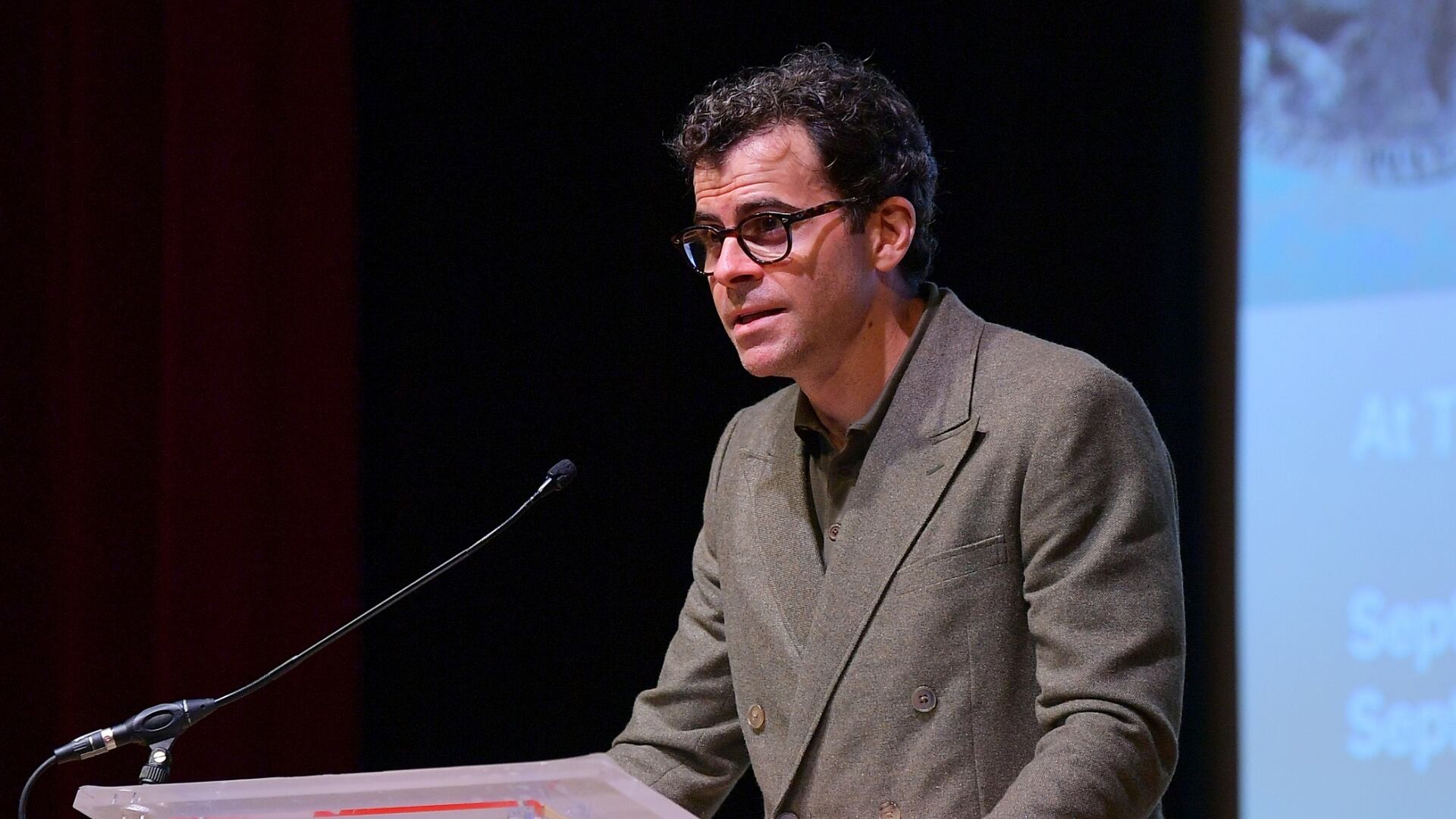
Head of Instagram Adam Mosseri is slated to testify this week in front of the Senate Commerce Subcommittee after a Wall Street Journal report that found the Meta-owned social media platform is negatively impacting the mental wellness of teen girls.
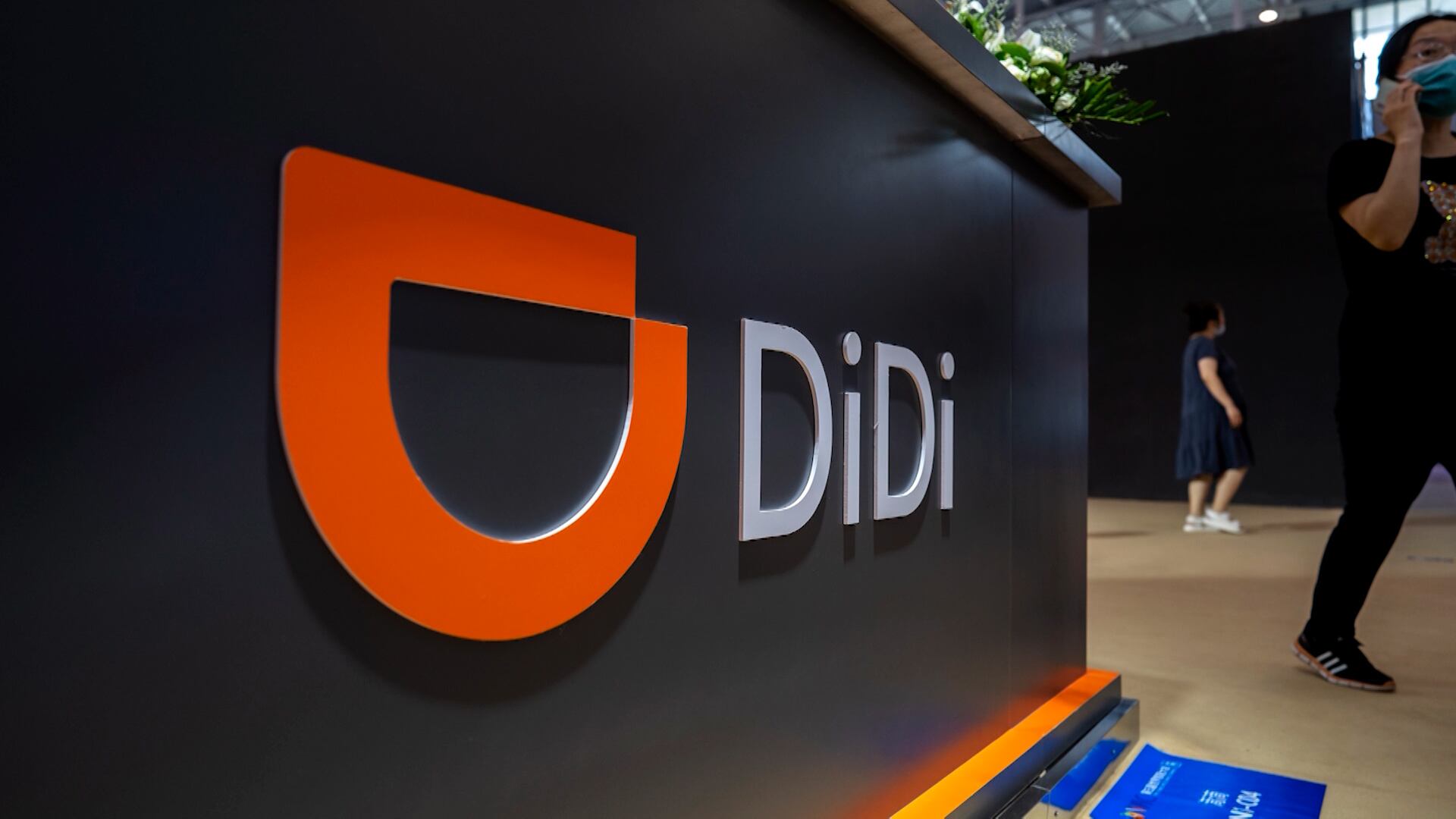
Chinese regulators are reportedly behind China-based ride-hailing company DiDi exiting from the New York Stock Exchange, just days after listing earlier this year. The regulators stated prior that DiDi had not received the necessary clearances to list in the states. Gordon Chang, Asian affairs expert, joined Cheddar to break down what the delisting says about the relationship between nations. "This really strikes me as an attempt to really to force a decoupling of China and the U.S. in the financial markets," Chang said.
U.S. Futures were pointing to a higher open to round out the week despite a miss on the November Jobs Report, which showed slower job growth than expected-- and as the omicron variant continues to spread across the country. Patrick Healey, Founder & President at Caliber Financial Partners joined Cheddar's Opening Bell to discuss.
Just days after the detection of the Omicron variant, the World Health Organization has agreed to start the process of establishing a global pandemic treaty or accord. Amy Maxmen, senior reporter for Nature, and Dr. Samuel Scarpino, managing director for the Rockefeller Foundation's Pandemic Prevention Institute, joined Cheddar to discuss this effort and what lessons can be learned from the many COVID-19 failures as the world prepares for future pandemics.