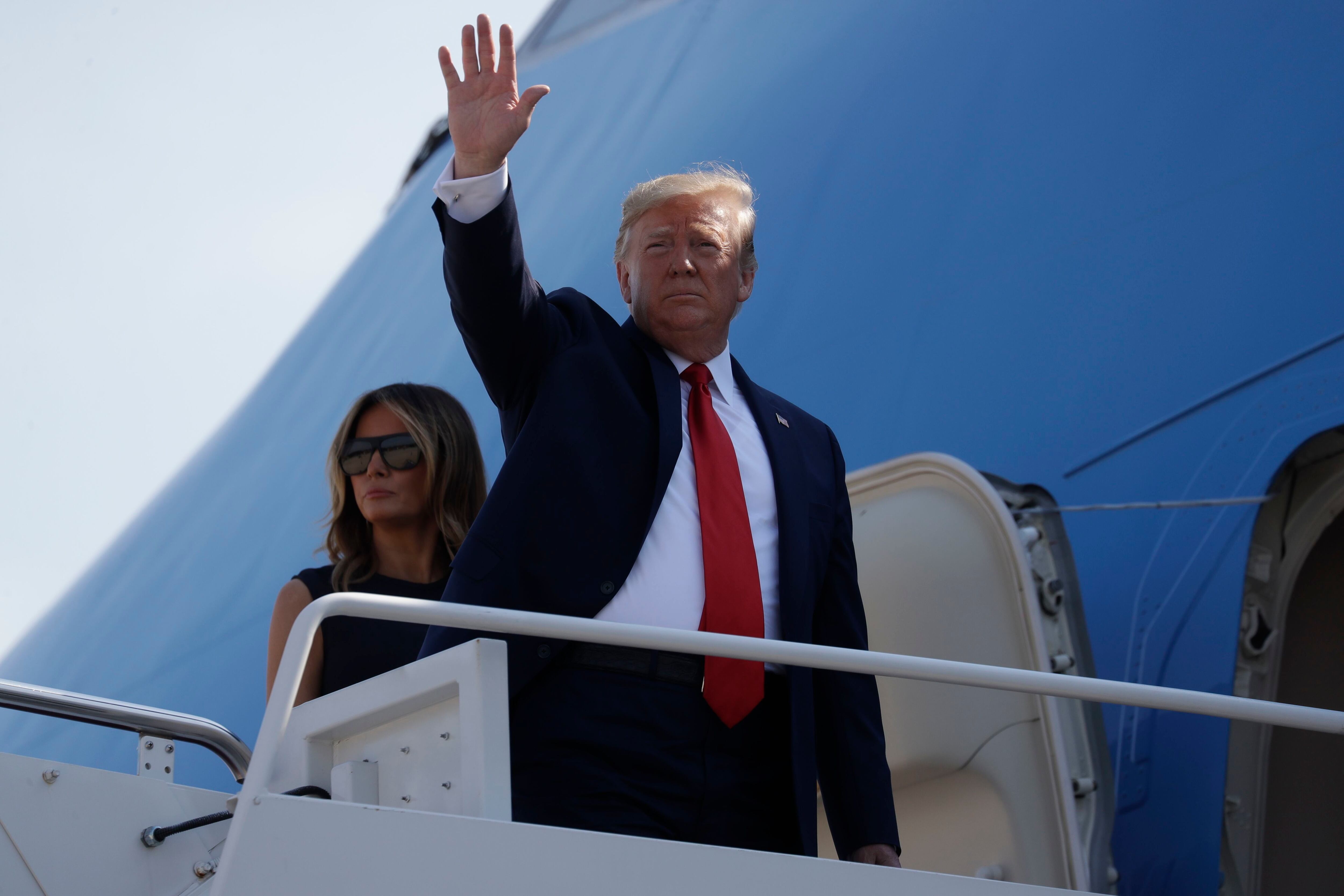
President Trump is scheduled to visit El Paso, Texas and Dayton, Ohio on Wednesday, two cities grieving after separate mass shootings killed at least 31 people over the weekend.
The visits are a “terrific opportunity to congratulate” local police and law enforcement, Trump told reporters as he left the White House.
The president’s visits, however, have created an atmosphere of angst, with some residents and lawmakers in both cities condemning Trump’s refusal to support stricter gun control measures and his divisive leadership.
“His rhetoric has been painful for many in our community and I think the people should stand up and say they’re not happy, if they’re not happy that he is coming,” Mayor Nan Whaley of Dayton, a Democrat, told reporters on Tuesday.
In the early hours of Sunday morning, a gunman killed nine people, including his younger sister, in an entertainment district of the western Ohio city.
The mood is also unnerved in El Paso, where at least 22 people were killed on Saturday by a white supremacist terrorist at a Walmart. In a racist manifesto believed to be from the suspect, which mirrored rhetoric used by Trump when speaking about immigrants, the shooter said he was specifically targeting Hispanics to stop their "invasion of Texas."
“I think my rhetoric brings people together,” Trump said on Wednesday in response to a question about the gunman parroting his language, adding that he is concerned about hate groups, “whether it’s white supremacy or any other kind of supremacy."
The Republican Mayor of El Paso, Dee Margo, said on Tuesday that he did not want Trump's visit to become political, but that he would "challenge any harmful and inaccurate statements" made about the city. Margo publically challenged the president after a February rally in El Paso where Trump said that murders committed by undocumented immigrants plagued the city.
Democratic state Rep. César Blanco, who represents El Paso in Austin, told Cheddar earlier this week that Trump’s “hateful anti-Latino, anti-immigrant” rhetoric created the fraught atmosphere at the border that led to the Walmart shooting.
“Everybody has it in their power to be a force to bring people together, and everybody has it in their power to be a force to bring people apart. That is up to the president of the United States,” Whaley added on Tuesday.
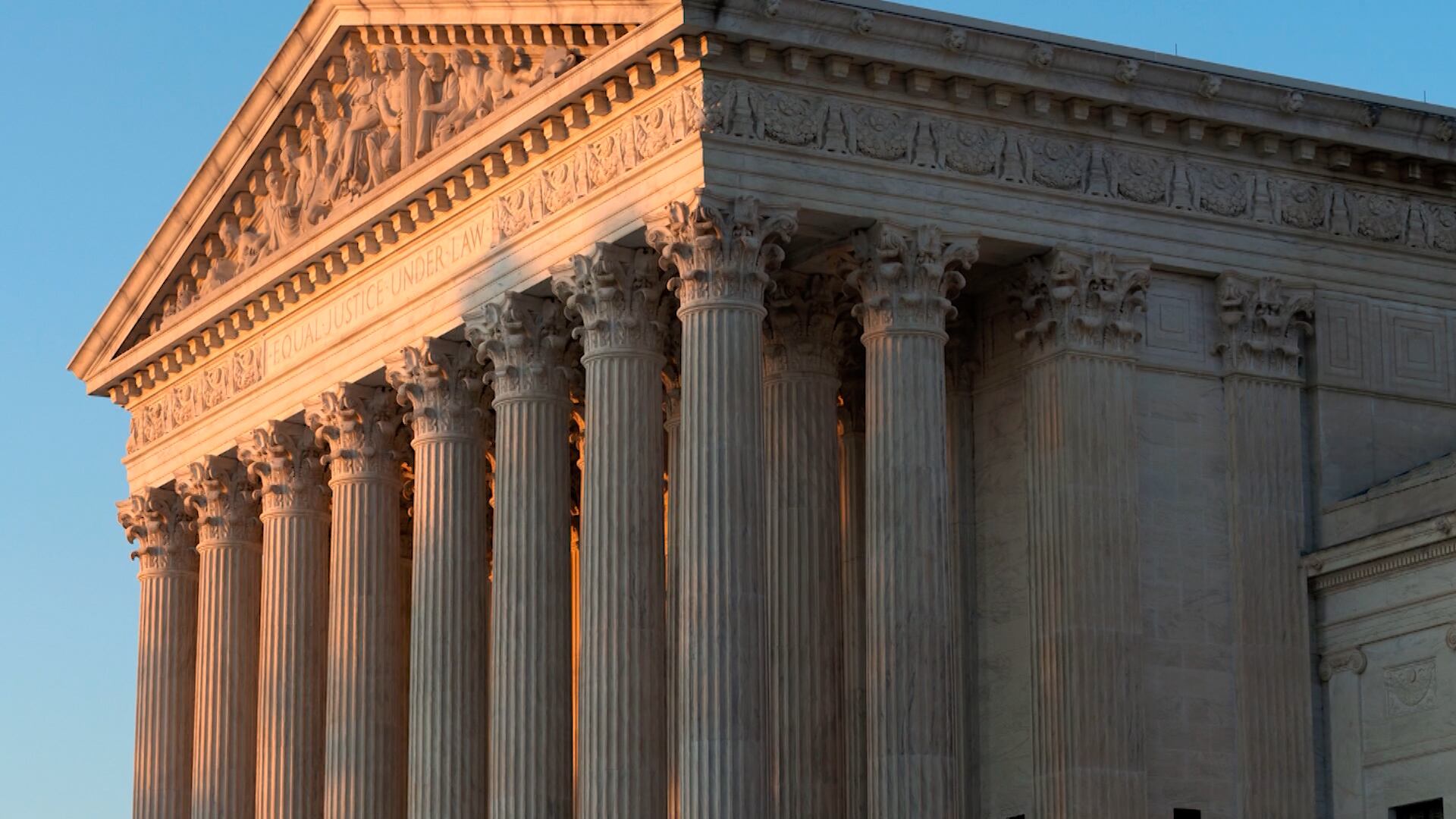
As the Omicron variant continues to sweep across the country. The US Supreme Court is expected to hear arguments at the end of this week on whether or not the Biden administration can force private companies to vaccinate or test millions of their employees. In addition, the National Nurses United has spearheaded legal action to protect nurses and health care workers, patients, and the public while on the job. President of the National Nurses Union, Zenei Cortez, joined Cheddar to discuss more.
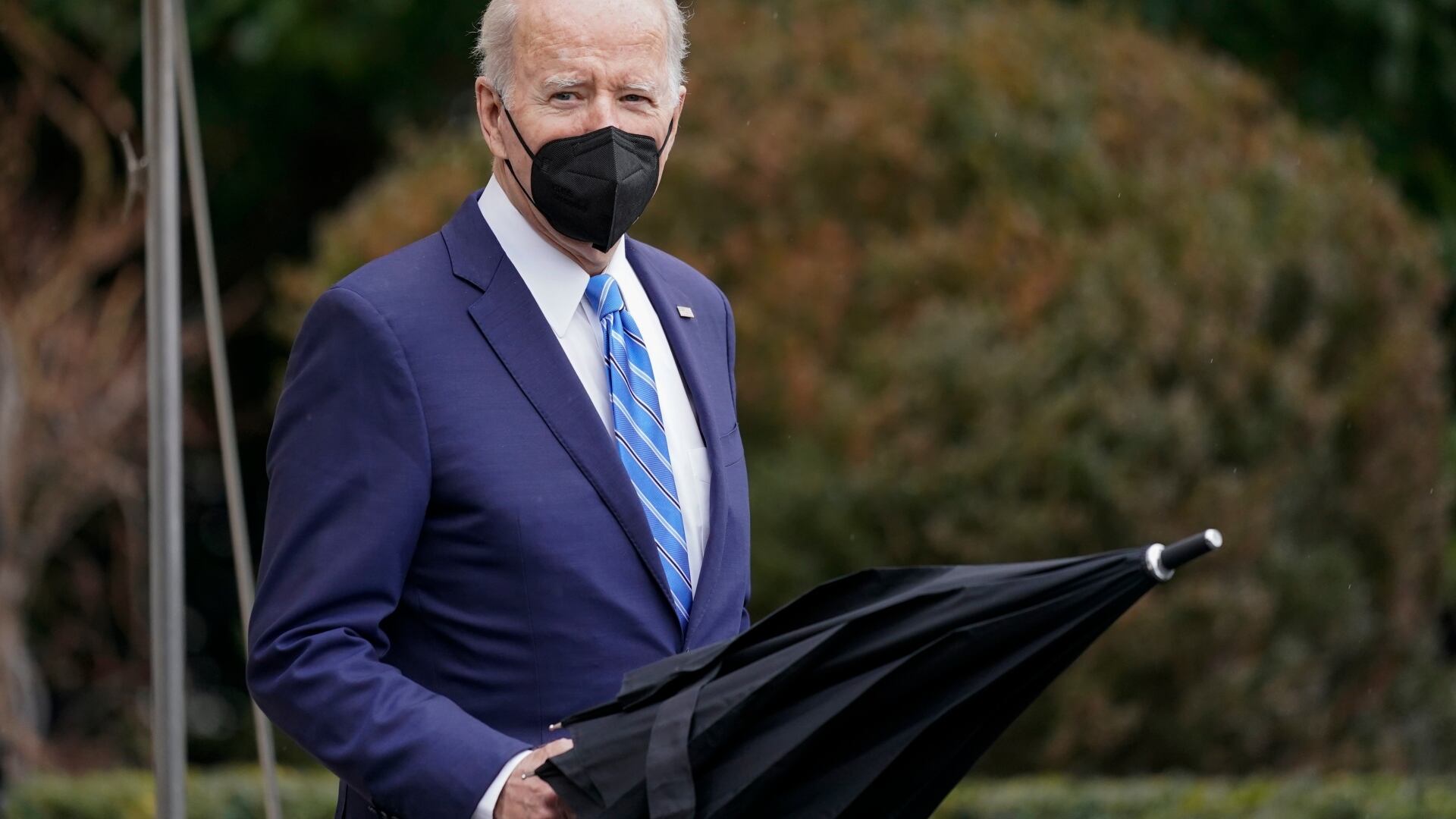
Far too often, Americans are forced to navigate a tangled web of outdated government websites, offices way out of their reach, and hours of time 'on hold' to access the simple government services they depend on. A recent executive order, signed by President Biden, is intended to improve, streamline and modernize the 'customer' experience when accessing government services. Mina Hsiang, the administrator of the United States Digital Service, joins Cheddar News to discuss how the tech workforce is impacted by this executive order.
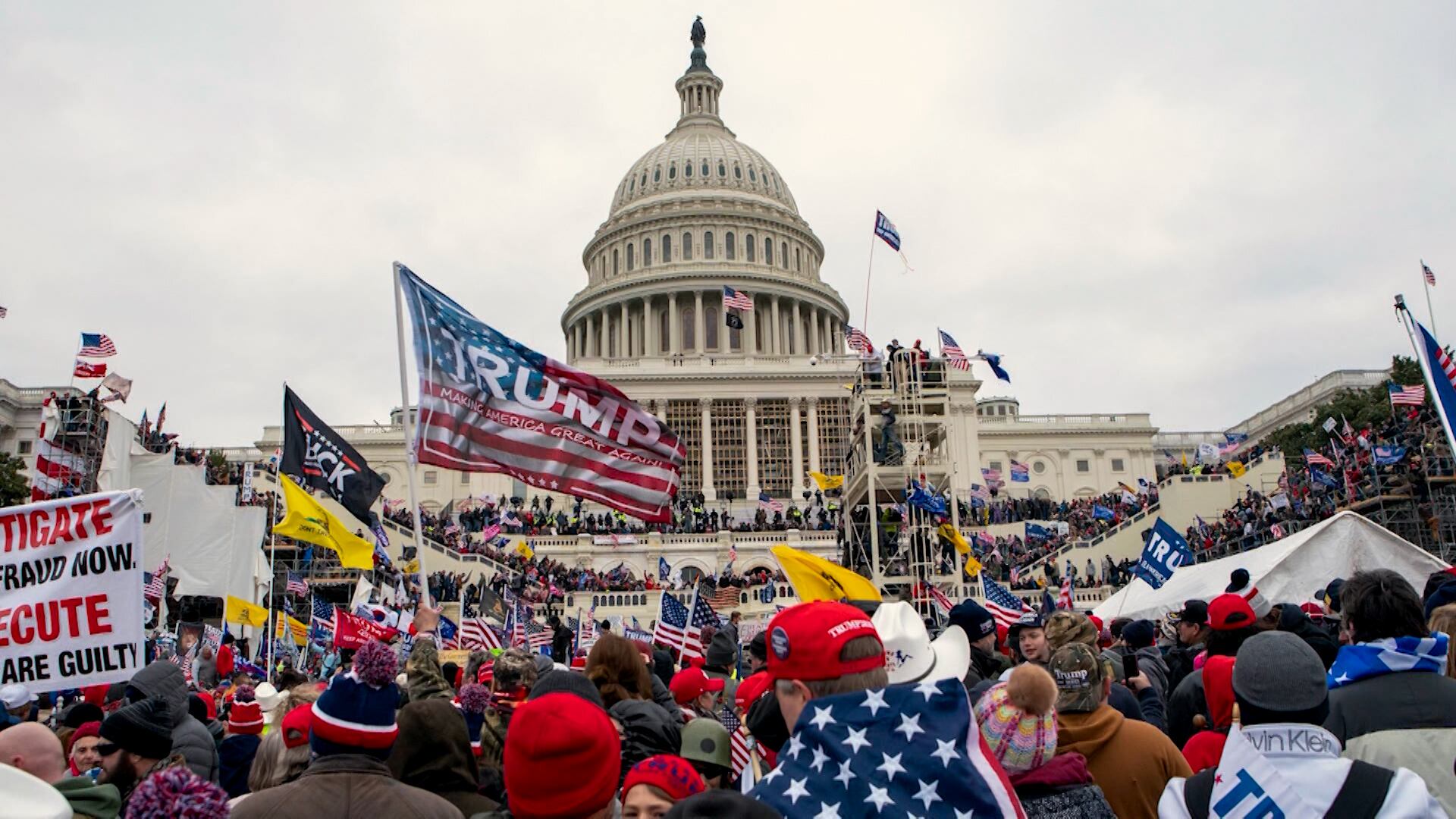
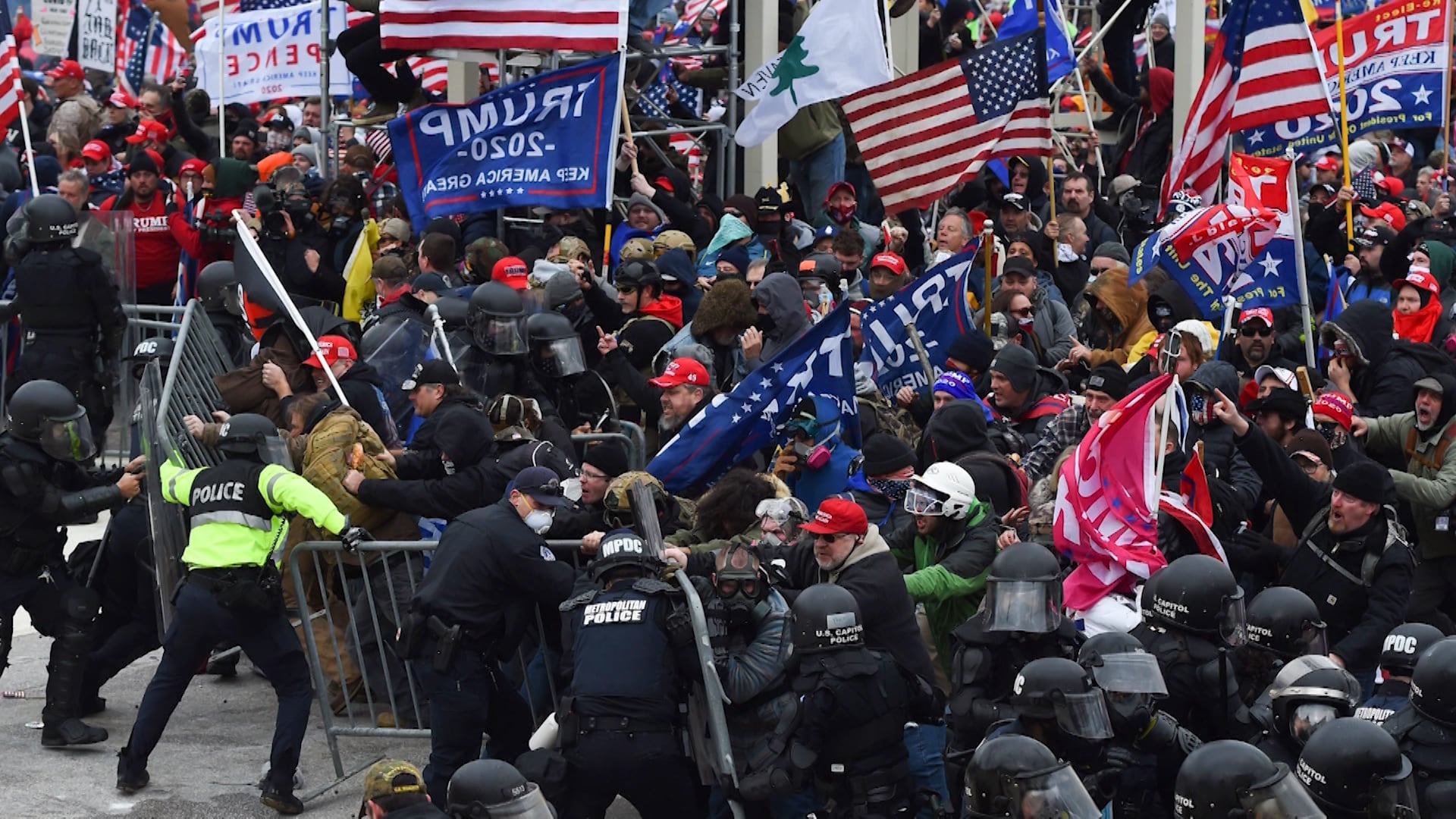
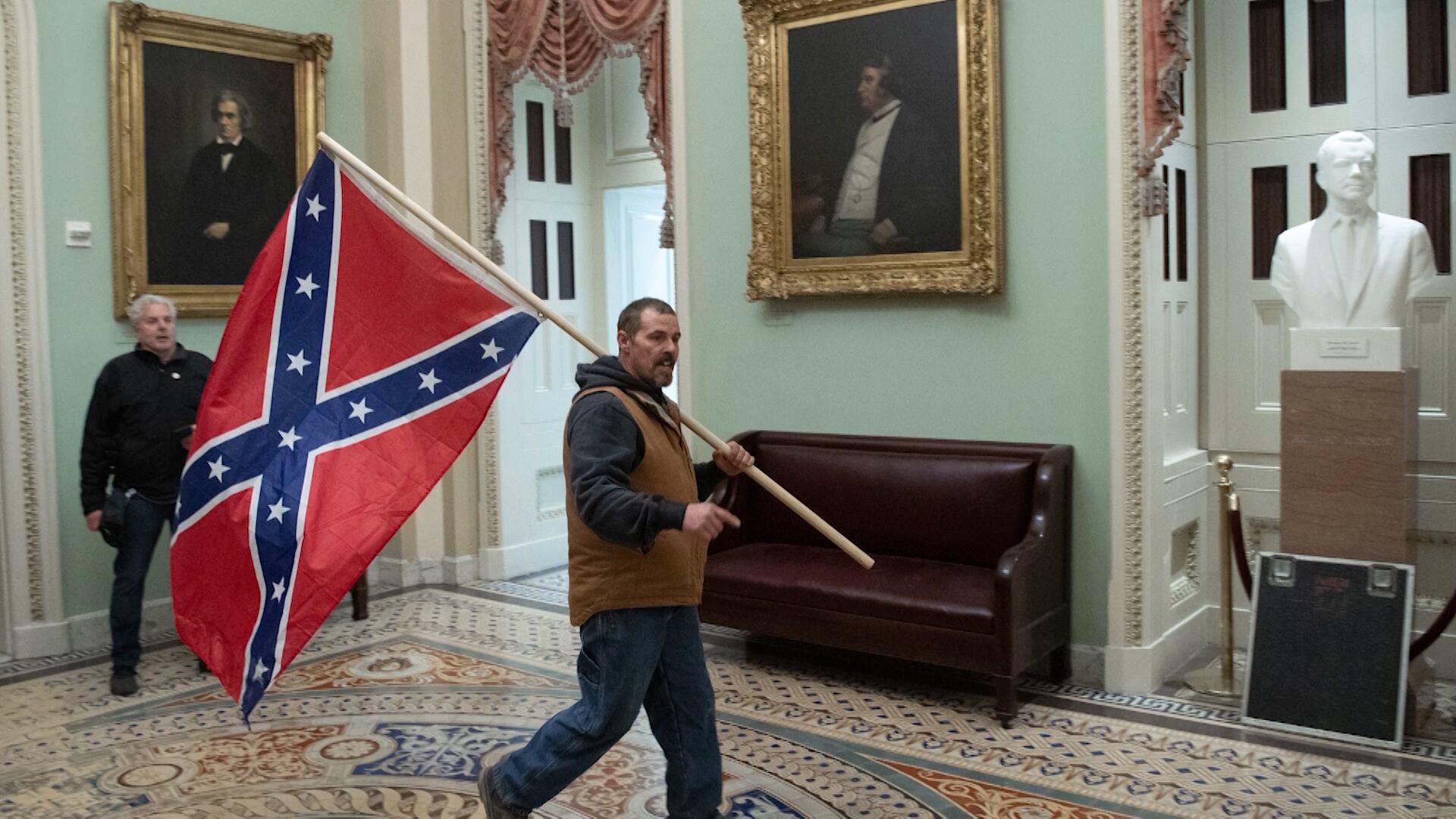
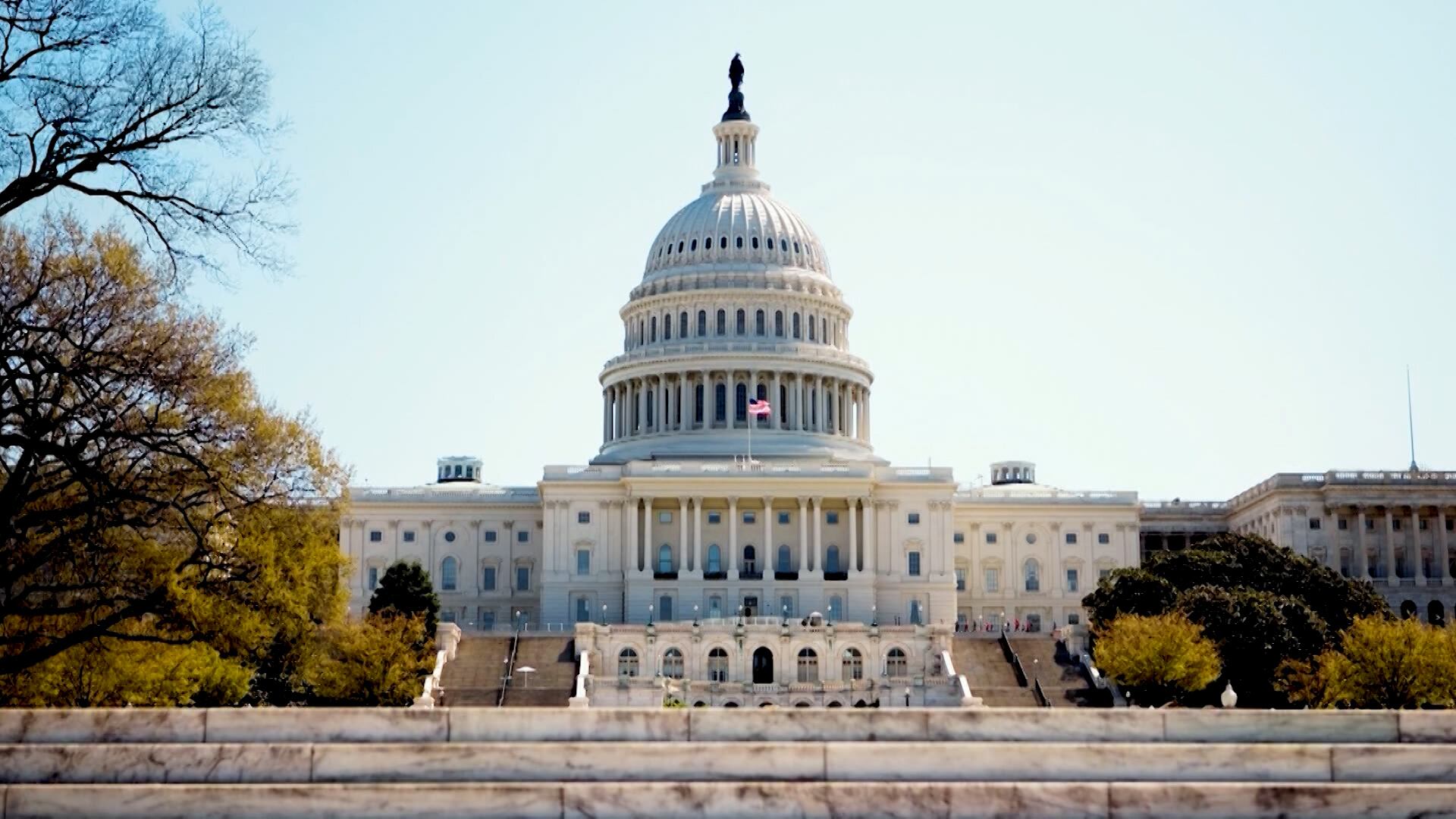
Today marks one year since the January 6 Attack on the United States Capitol. The Country watched as supporters of then-President Trump stormed what was assumed to be the most secure building in the country in an attempt to stop the certification of the 2020 Election. Several lawmakers, including the Vice President, could be seen ducking down as they feared for their lives. Democratic Michigan Representative Dan Kildee, joined Cheddar to discuss more.
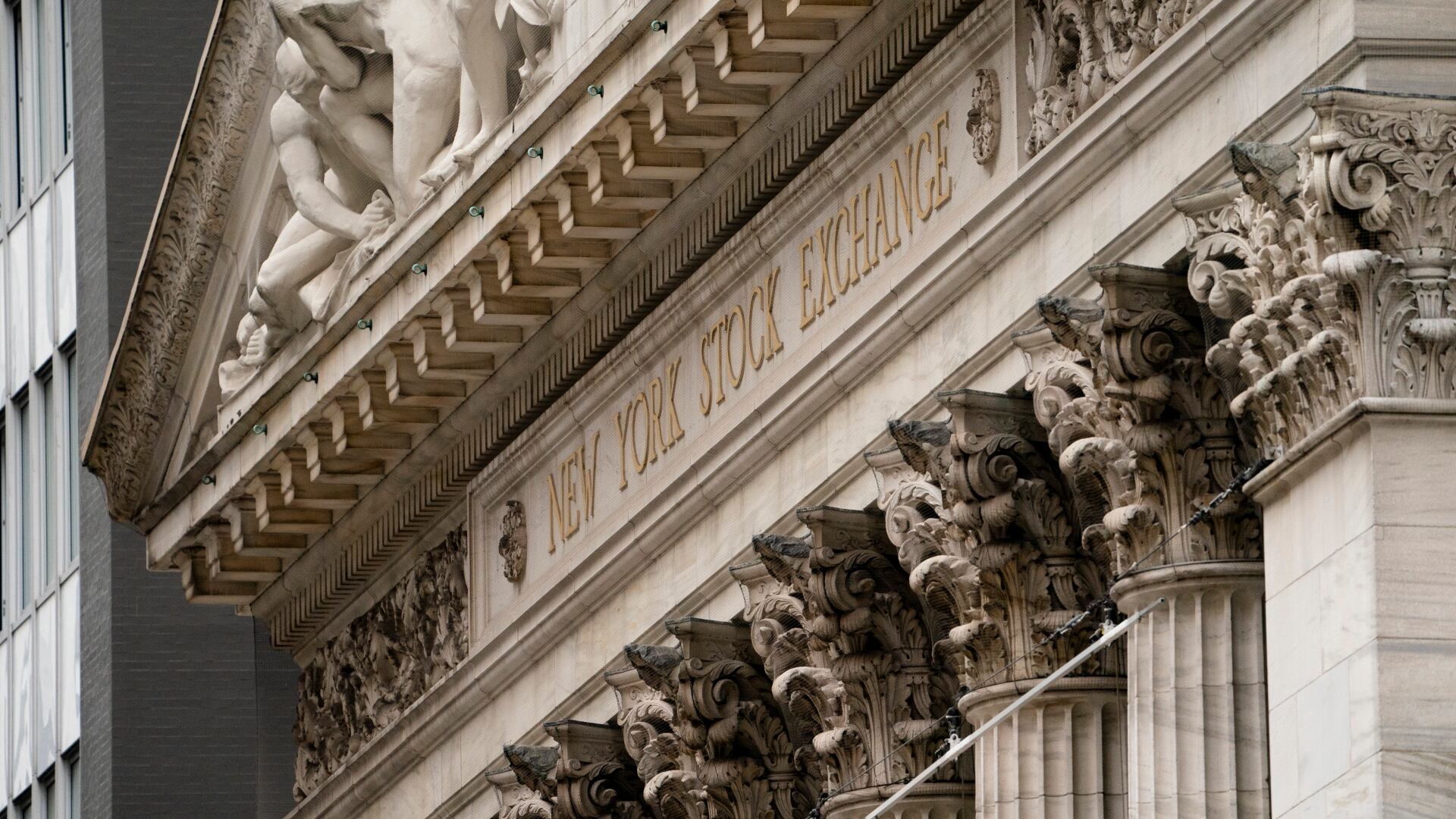
Stocks closed lower on Friday as investors continue to worry over rate hikes. John Lynch, CIO of Comerica Wealth Management, joins Cheddar News' Closing Bell, where he says value is back in play with investors. Lynch also believes the market has overreacted to the latest Fed minutes, suggesting a bounce-back at some point.
Ben Armstrong, founder of Bitboy Crypto, joins Cheddar News to discuss Bitcoin's downward trend and what's next for crypto after protests in Kazakhstan cause crypto miners to shut down.
Washington, D.C. Attorney General Karl Racine joins Cheddar Politics to discuss his lawsuit against the extremist groups Proud Boys and Oath Keepers over their role in the January 6 attack on the U.S. Capitol.
Josh Pasek, a professor at the University of Michigan and expert on political communication and misinformation, joins Cheddar News to discuss how political radicalization happens and how America got to this point.
Kyle Kondik, managing editor at Sabato's Crystal Ball at the University of Virginia Center for Politics, joins Cheddar News to discuss what to expect at the 2022 midterm elections.
Katie Barlow, media editor at SCOTUSblog, joins Cheddar Politics to reflect on what happened at the Supreme Court in 2021 and what may be in store for 2022.
Gerren Keith Gaynor, managing editor of politics and Washington correspondent at The Grio, joins Cheddar Politics to discuss the progress President Biden made on his policy agenda in 2021, and what remains to be done in 2022.