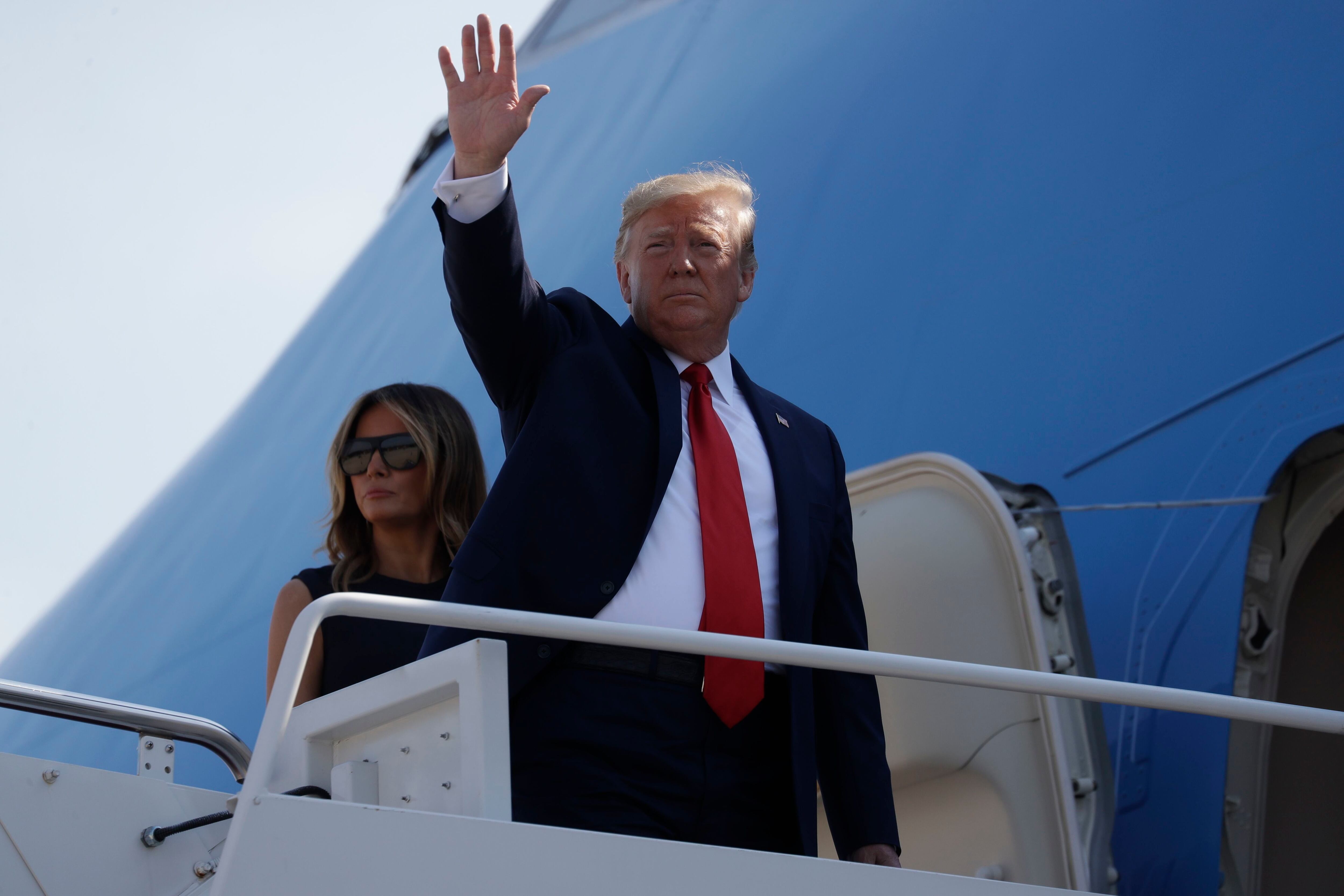
President Trump is scheduled to visit El Paso, Texas and Dayton, Ohio on Wednesday, two cities grieving after separate mass shootings killed at least 31 people over the weekend.
The visits are a “terrific opportunity to congratulate” local police and law enforcement, Trump told reporters as he left the White House.
The president’s visits, however, have created an atmosphere of angst, with some residents and lawmakers in both cities condemning Trump’s refusal to support stricter gun control measures and his divisive leadership.
“His rhetoric has been painful for many in our community and I think the people should stand up and say they’re not happy, if they’re not happy that he is coming,” Mayor Nan Whaley of Dayton, a Democrat, told reporters on Tuesday.
In the early hours of Sunday morning, a gunman killed nine people, including his younger sister, in an entertainment district of the western Ohio city.
The mood is also unnerved in El Paso, where at least 22 people were killed on Saturday by a white supremacist terrorist at a Walmart. In a racist manifesto believed to be from the suspect, which mirrored rhetoric used by Trump when speaking about immigrants, the shooter said he was specifically targeting Hispanics to stop their "invasion of Texas."
“I think my rhetoric brings people together,” Trump said on Wednesday in response to a question about the gunman parroting his language, adding that he is concerned about hate groups, “whether it’s white supremacy or any other kind of supremacy."
The Republican Mayor of El Paso, Dee Margo, said on Tuesday that he did not want Trump's visit to become political, but that he would "challenge any harmful and inaccurate statements" made about the city. Margo publically challenged the president after a February rally in El Paso where Trump said that murders committed by undocumented immigrants plagued the city.
Democratic state Rep. César Blanco, who represents El Paso in Austin, told Cheddar earlier this week that Trump’s “hateful anti-Latino, anti-immigrant” rhetoric created the fraught atmosphere at the border that led to the Walmart shooting.
“Everybody has it in their power to be a force to bring people together, and everybody has it in their power to be a force to bring people apart. That is up to the president of the United States,” Whaley added on Tuesday.
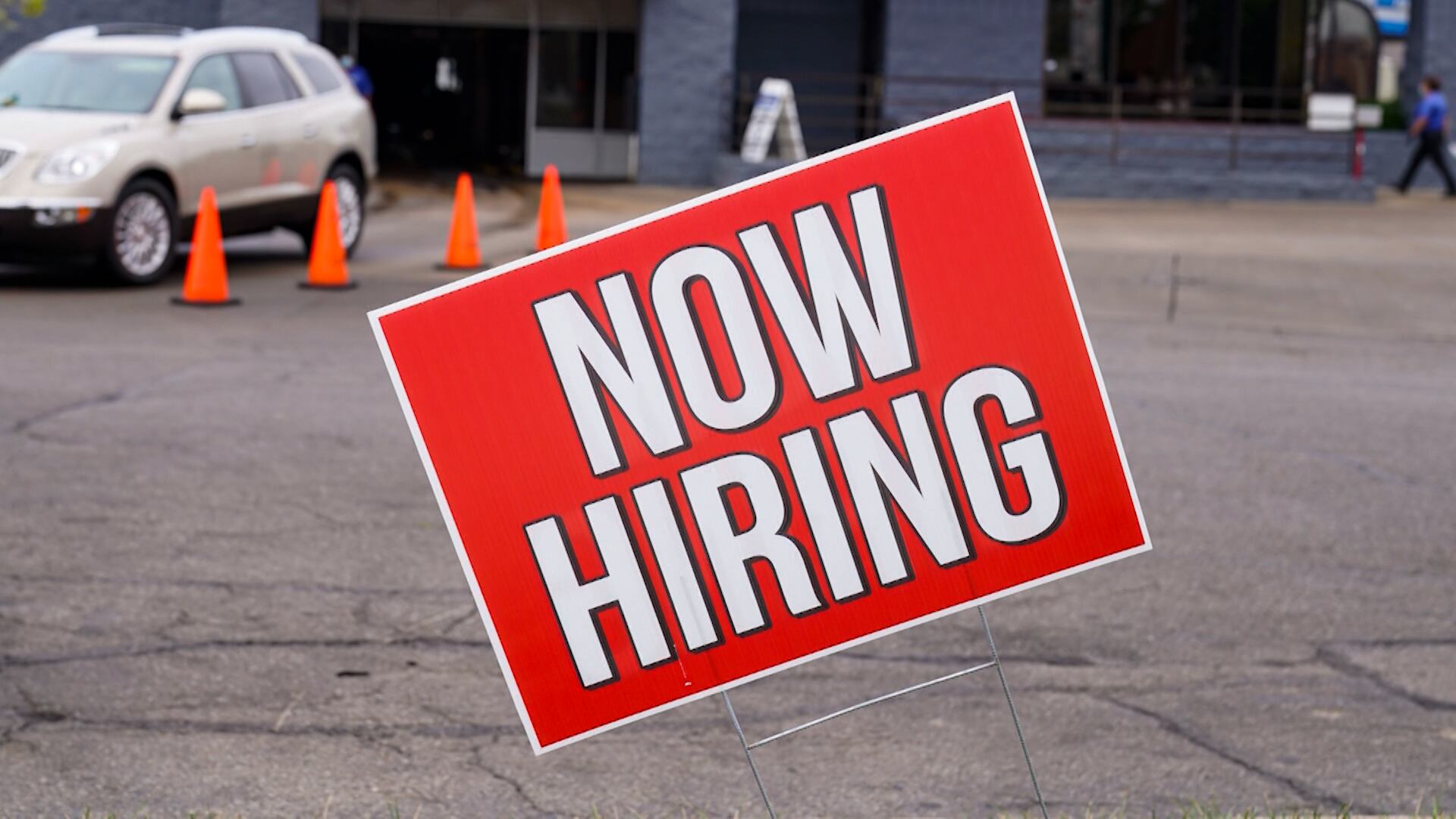
Following the surprising big beat on estimates for the January jobs report, William M. Rodgers III, vice president and director of the Institute for Economic Equity at the Federal Reserve Bank of St. Louis, joined Cheddar News to break down the data. “We ended 2021 with a strong crescendo to a recovery that had taken hold, and we started 2022 in good fashion." He also discussed the dueling pressures of wage growth and inflation.
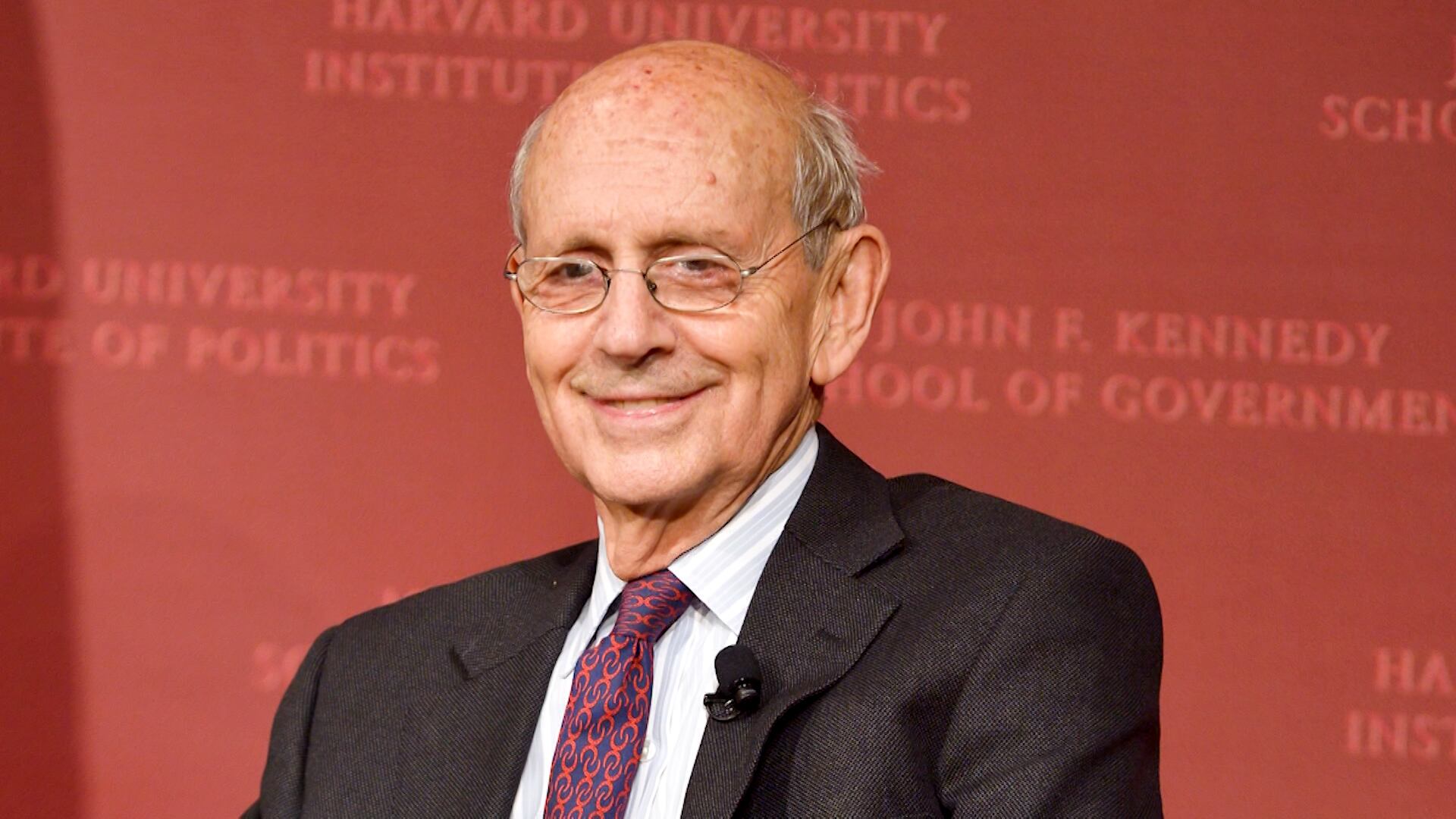
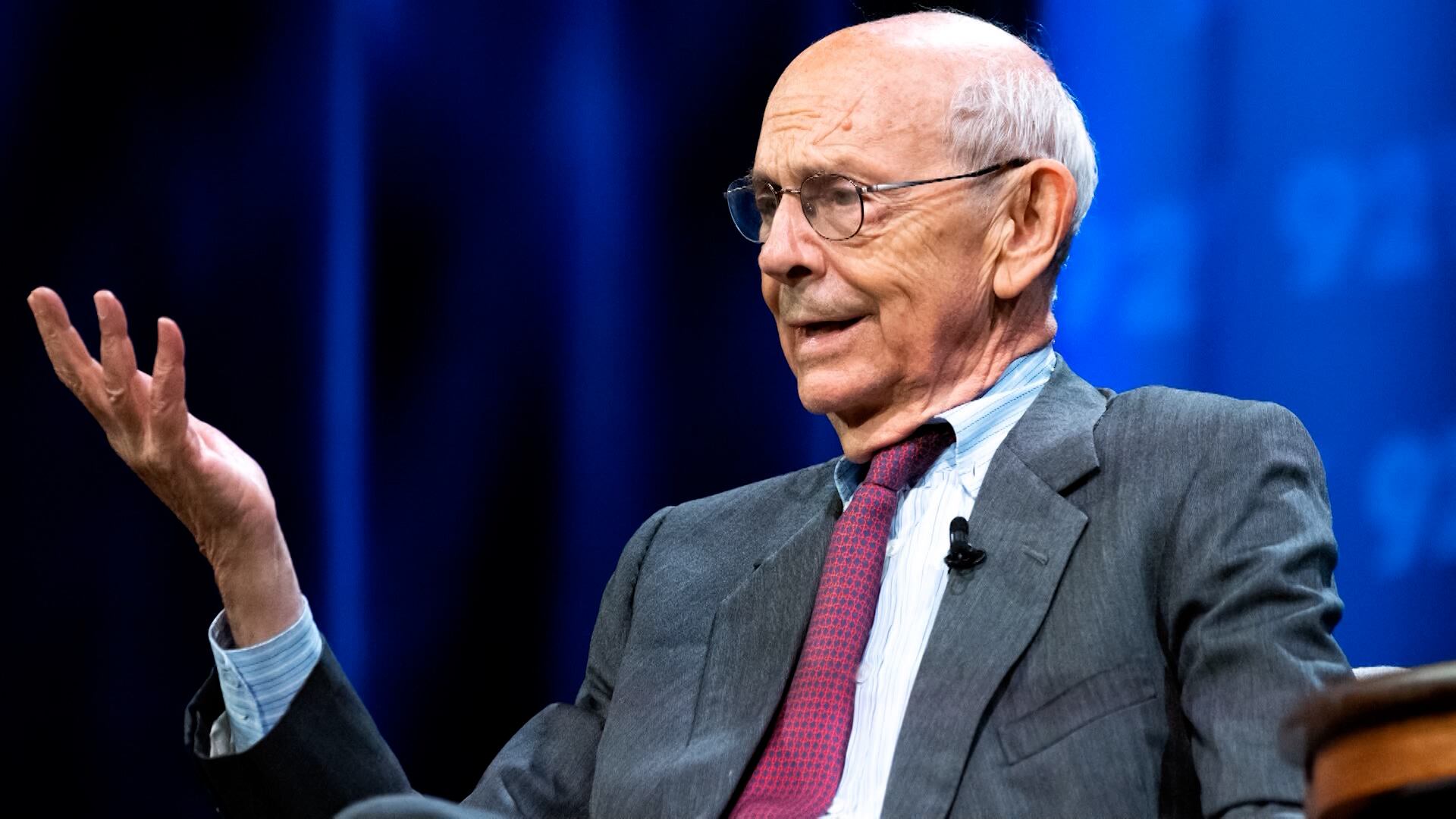
Jessica Mason Pieklo, senior vice president and executive editor of the Rewired News Group and co-host of the podcast. "Boom! Lawyered," joins Cheddar Politics to discuss Justice Stephen Breyer's retirement, legacy and potential replacement on the Supreme Court.
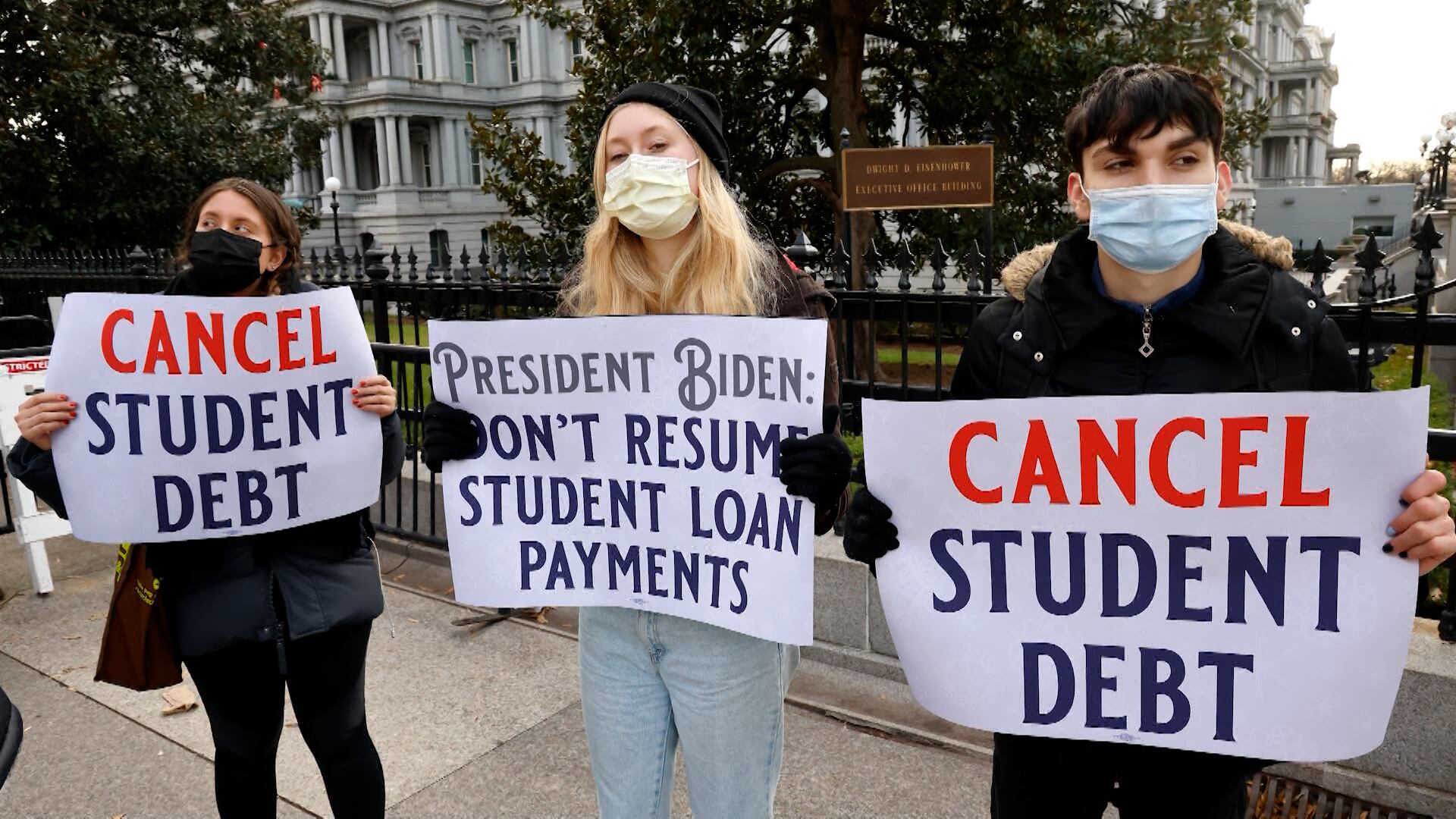
The Biden administration delivered a temporary win for student loan borrowers this year by extending the moratorium on federal payments for a few more months. That moratorium is coming to an end on May 1st and borrowers will again have their monthly loan payment plopped in their lap.
Stephanie Vanderslice, a creative writing professor paying off debt through the Parent Plus program, and Mike Pierce, executive director of the Student Borrower Protection Center, join Cheddar Politics to discuss.
2022 was already going to be a big year for the Supreme Court. We have decisions on major issues like abortion and gun rights on the way. Then, Justice Stephen Breyer announced his retirement and that set up a major confirmation fight for later this year. Amy Howe, co-founder of SCOTUSblog, joins Cheddar Politics to discuss.
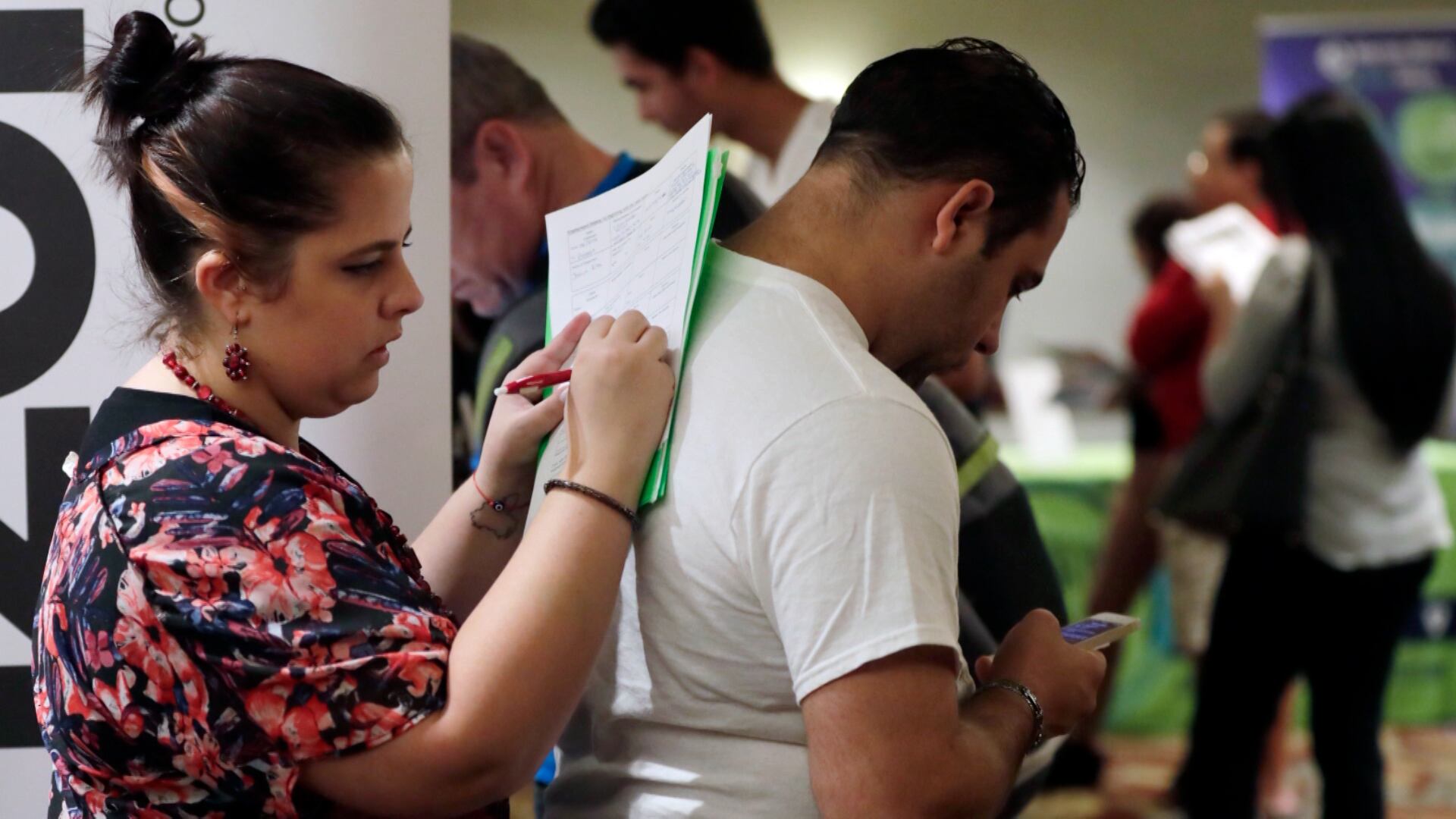
The Labor Department released a better-than-expected report of 467,000 jobs added in January. Heather Boushey, Council of Economic Advisers Member for President Biden, joined Cheddar to tout the administration's handling of the economy amid the pandemic and the upward revisions for the previous month. "It also shows that, because of the revisions, the economy was stronger over the past couple of months," she said. "I don't think that this can be said enough, but economic forecasting during an historic pandemic is extremely difficult." Boushey also addressed issues involving wage growth versus the rapid rise of inflation.
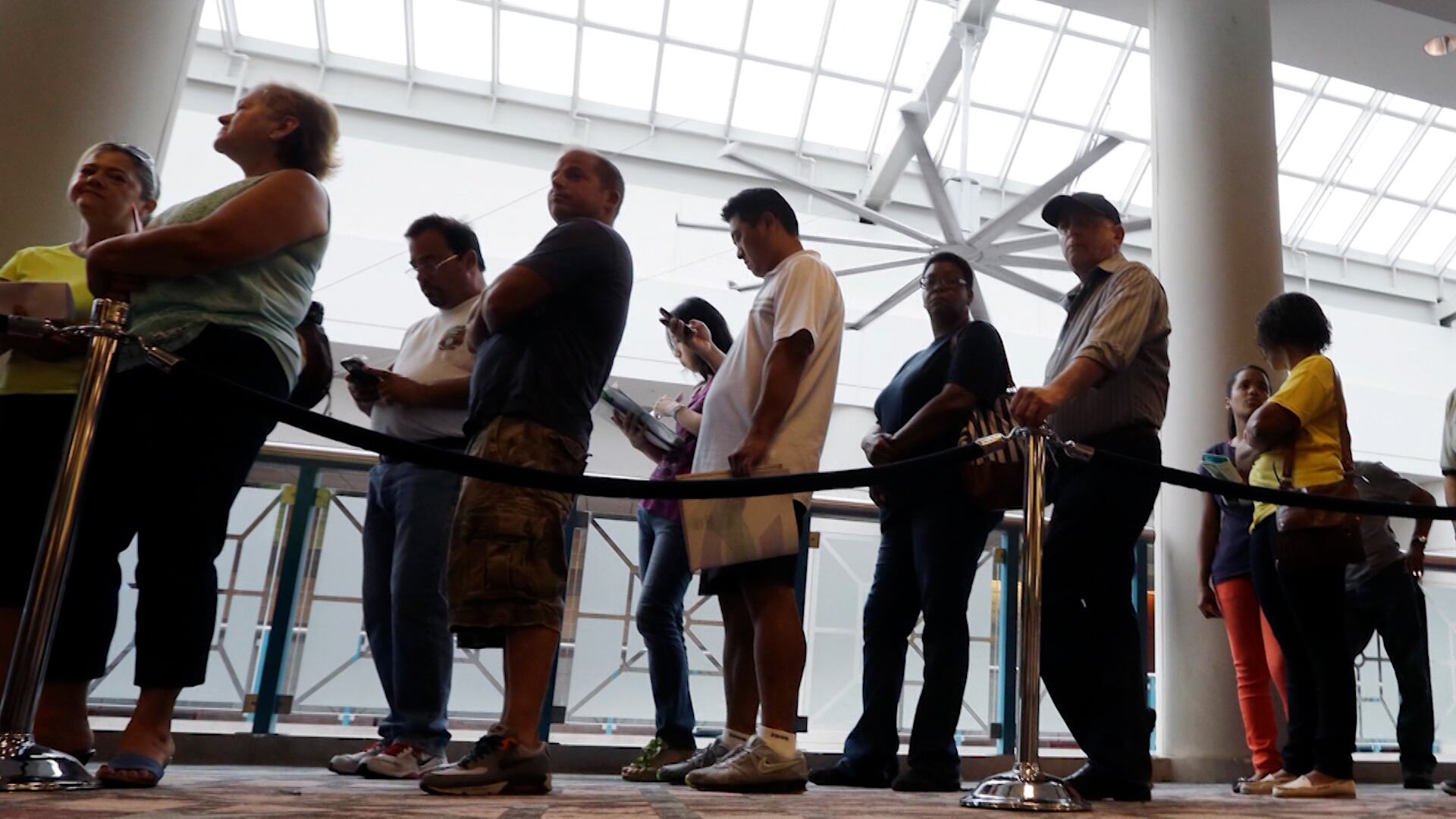
The Labor Department's January jobs report showed 467,000 jobs were added, compared to the 150,000 that were projected, a sign that employment is continuign to return to pre-pandemic levels. Lindsey Piegza, chief economist at investment bank Stifel, joined Cheddar to break down the report, noting the big gains but adding a note of caution. "Remember, even with this morning's stellar report, we're still millions below that level that we had reached prior to the onset of COVID-19," she said." Yes, we are recapturing jobs. We still have further ground that needs to be made before we can talk about reaching that previous peak." Piegza also discussed the role of the Federal Reserve going forward as the employment figures turn more positive.
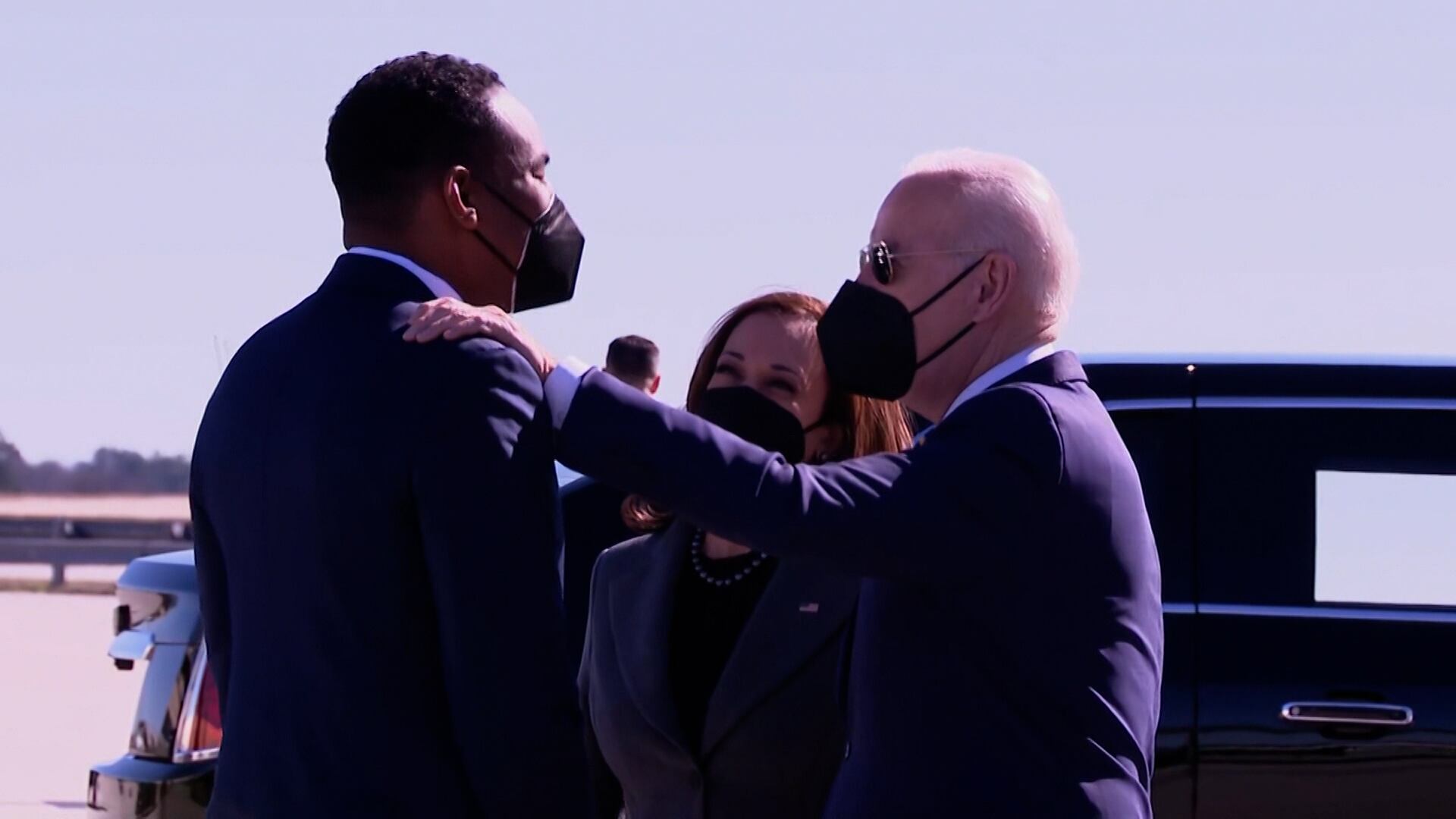
As President Biden's poll numbers fall with Black voters, Rep. Ayanna Pressley (D-Mass. 7th District) joined Cheddar to discuss what she feels could help the embattled administration: deliver on policies. Pressley pointed to stalled legislation such as new voting rights laws and Build Back Betters and canceling student loan debt, which would go a long way to improving his standing with Black constituents. "President Biden has the authority and the power to alleviate this burden, which would also help in closing the racial wealth gap, and he can do it by executive action with the stroke of a pen," she said. "And it doesn't require one vote from Congress. So, the Biden administration just needs to deliver to Black America in a tangible and impactful way."