*By Carlo Versano*
There is an unspoken tradition in Washington that the president faces the press a day after a midterm election that revokes power from his party in Congress. When Democrats gained control of both houses in 2006, a humbled President George W. Bush called it a "thumping." In 2010, an equally-chastened President Barack Obama admitted his party took a "shellacking."
No such thing happened on Wednesday.
President Trump vacillated between subdued and combative as he called Tuesday's election ー in which Democrats took control of the House and several pivotal governorships ー a "very close-to-complete victory."
Trump took credit for the GOP's ability to maintain control of the Senate and blamed certain losses of House Republican candidates on their disloyalty. He praised Rep. Nancy Pelosi, calling her "very smart," but then warned House Democrats that he would have Senate Republicans probe their conduct, should they use their newfound subpoena power to investigate him.
In a nearly two-hour-long press conference from the East Room of the White House that began with a low-key statement but quickly deteriorated into a rollicking Q&A, the president ratcheted up his antagonism of the gathered press corps. He called CNN's Jim Acosta a "rude, terrible person" and excoriated PBS' Yamiche Alcindor for asking "a racist question" when she attempted to probe him on whether his rhetoric was emboldening white nationalists.
As the president spoke, the AP called the contested Montana Senate race for Jon Tester, one of the Democrats that Trump was reportedly most hoping to defeat.
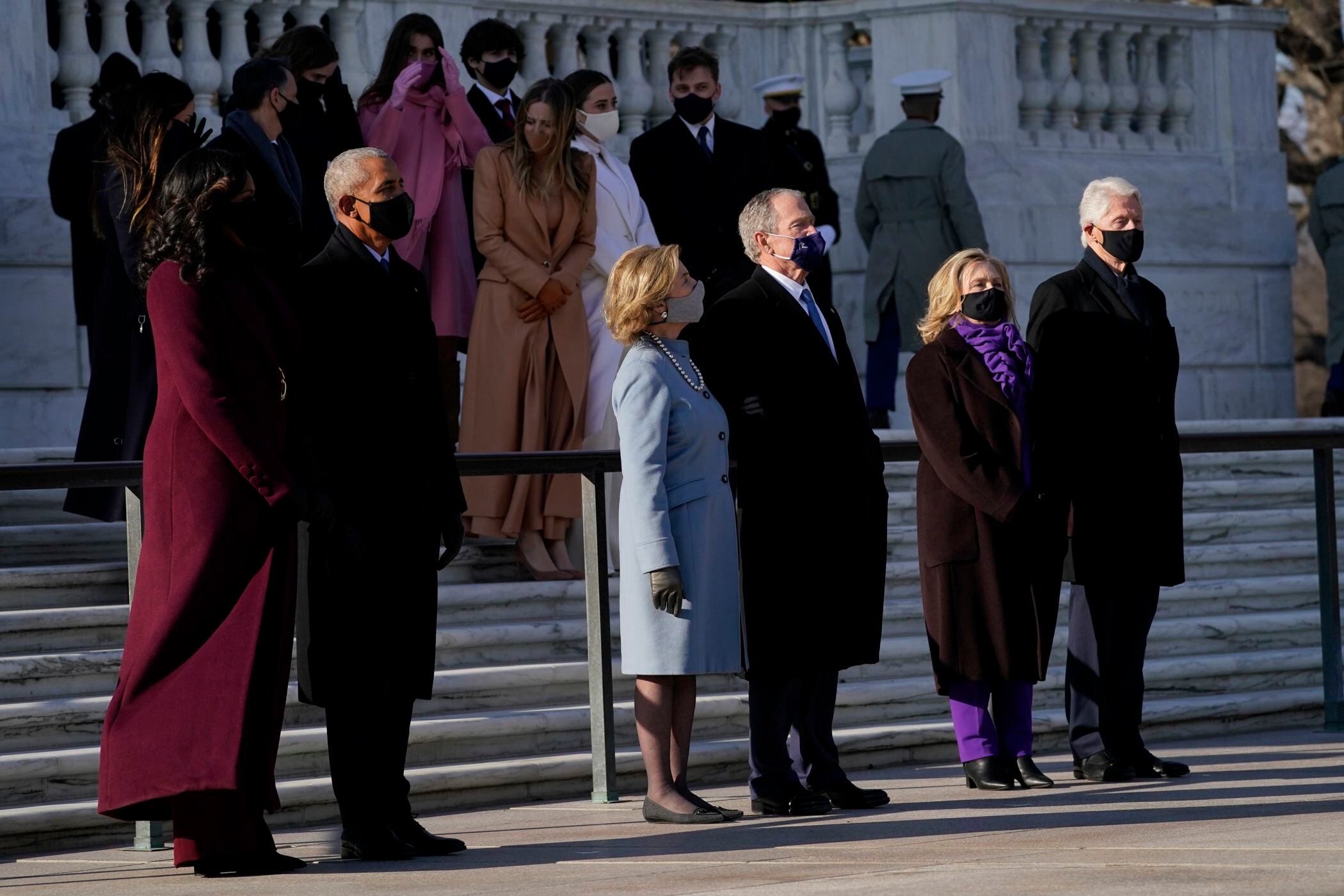
Four former presidents are urging Americans to get vaccinated as soon as COVID-19 doses are available to them, as part of a campaign to overcome hesitancy for the shots.
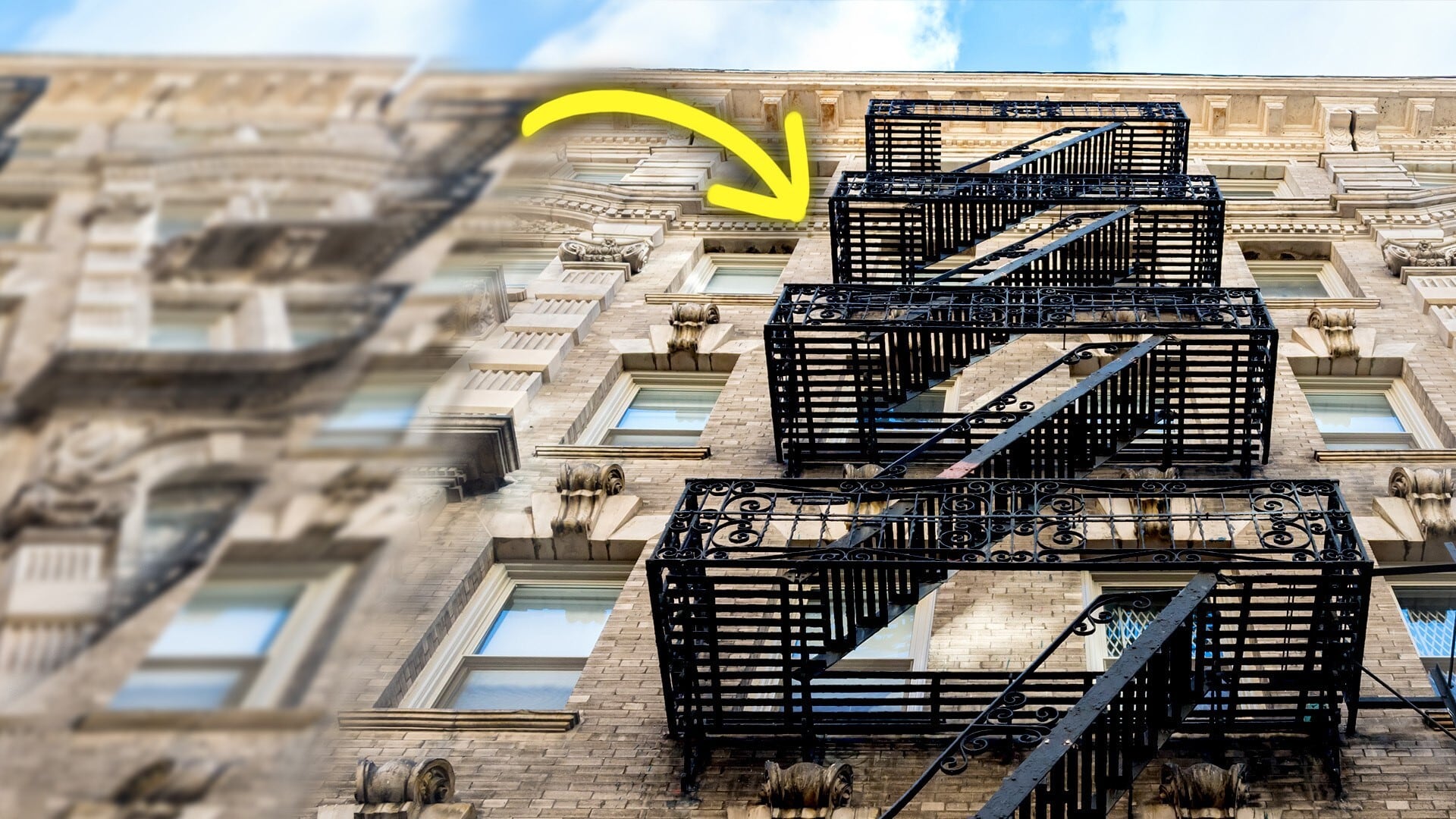
You can’t separate classic New York City architecture from the fire escape. They’re all over.
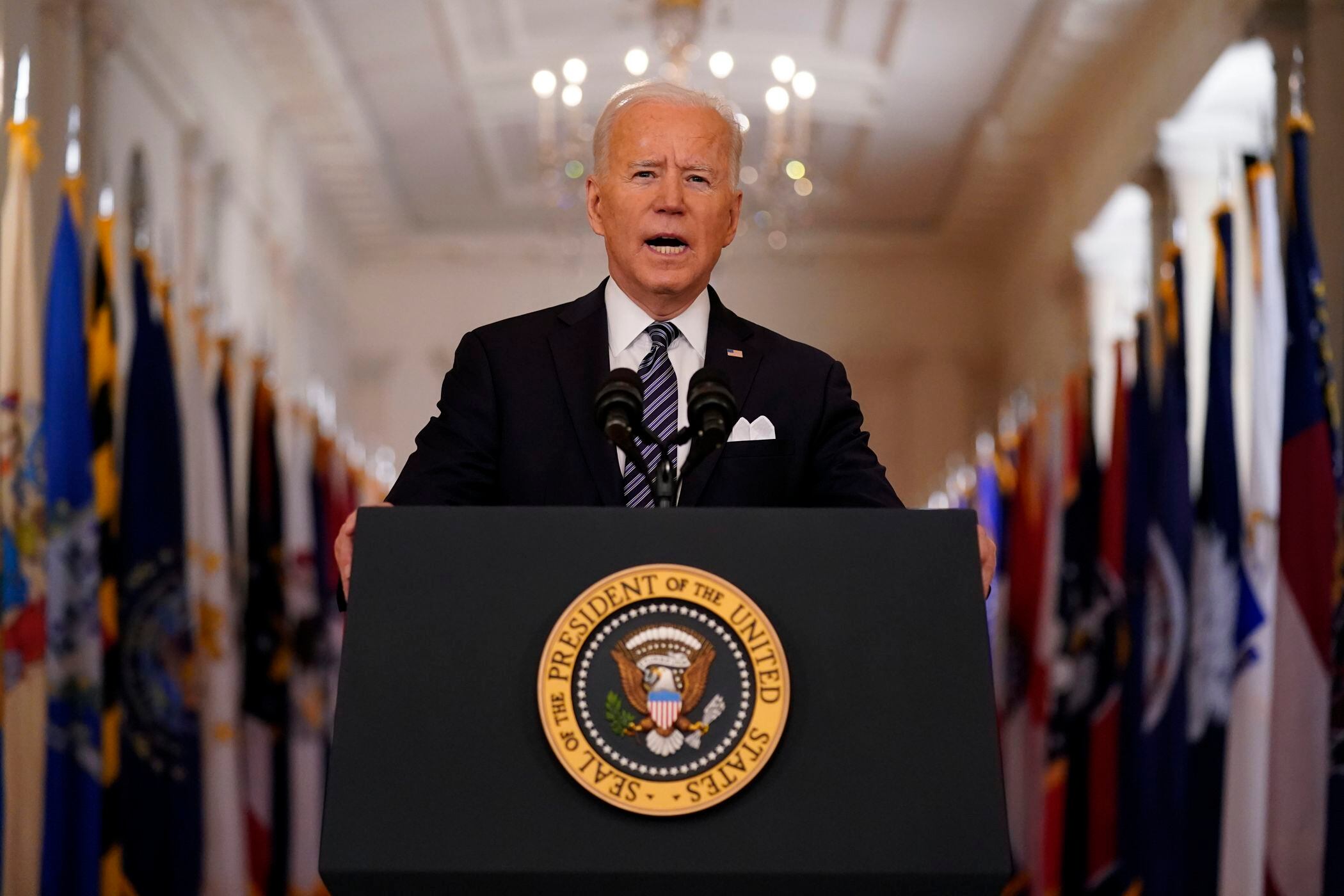
President Joe Biden is outlining his plan to make all adult Americans eligible for vaccination by May 1 and get the nation back “closer to normal” by the Fourth of July.
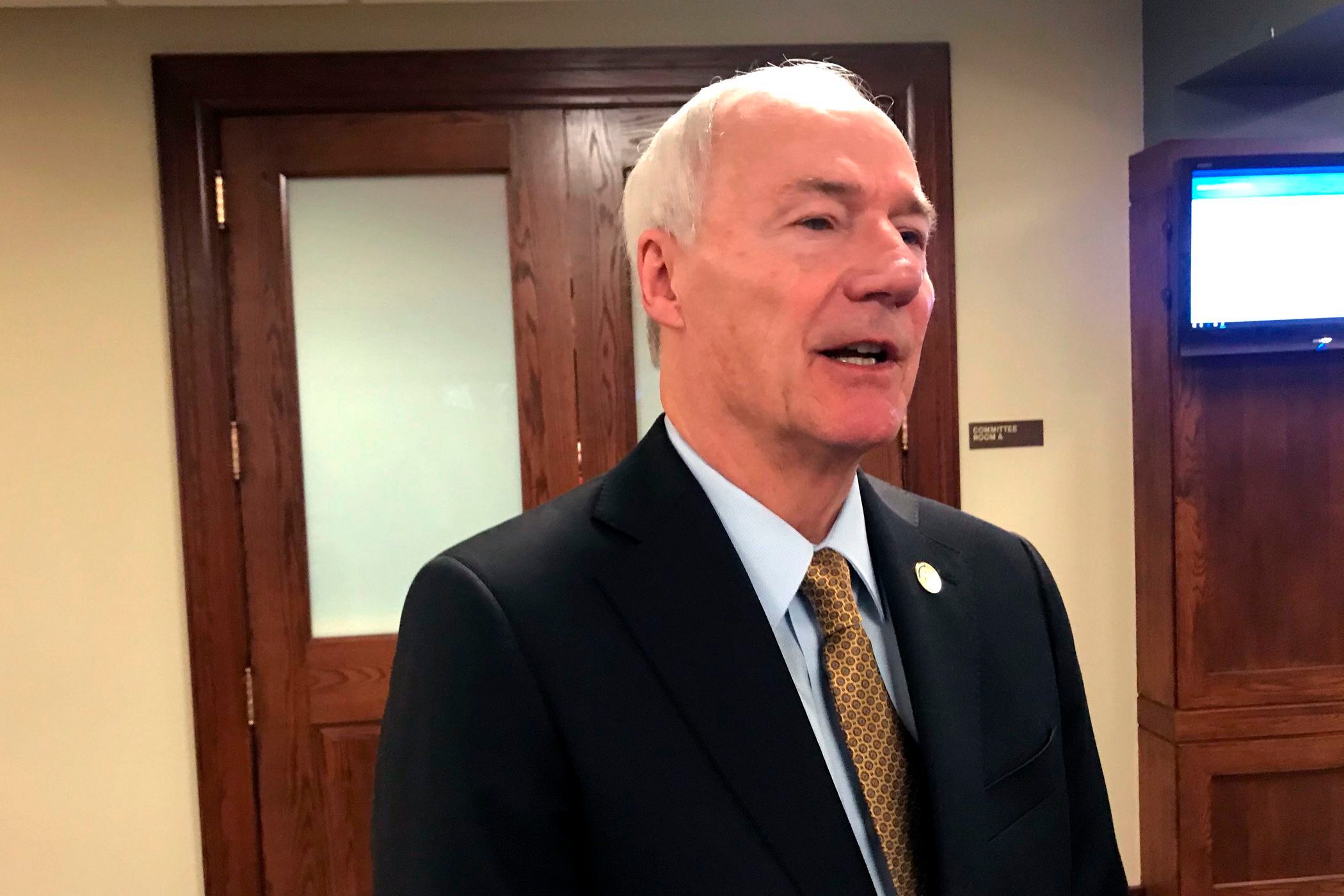
Arkansas Gov. Asa Hutchinson defended his decision to keep much of the economy, including schools, open during the pandemic., as well as signing a near-total abortion ban bill.
When the World Health Organization declared a pandemic one year ago on Thursday, it did so only after weeks of resisting the term and maintaining the coronavirus could still be stopped.
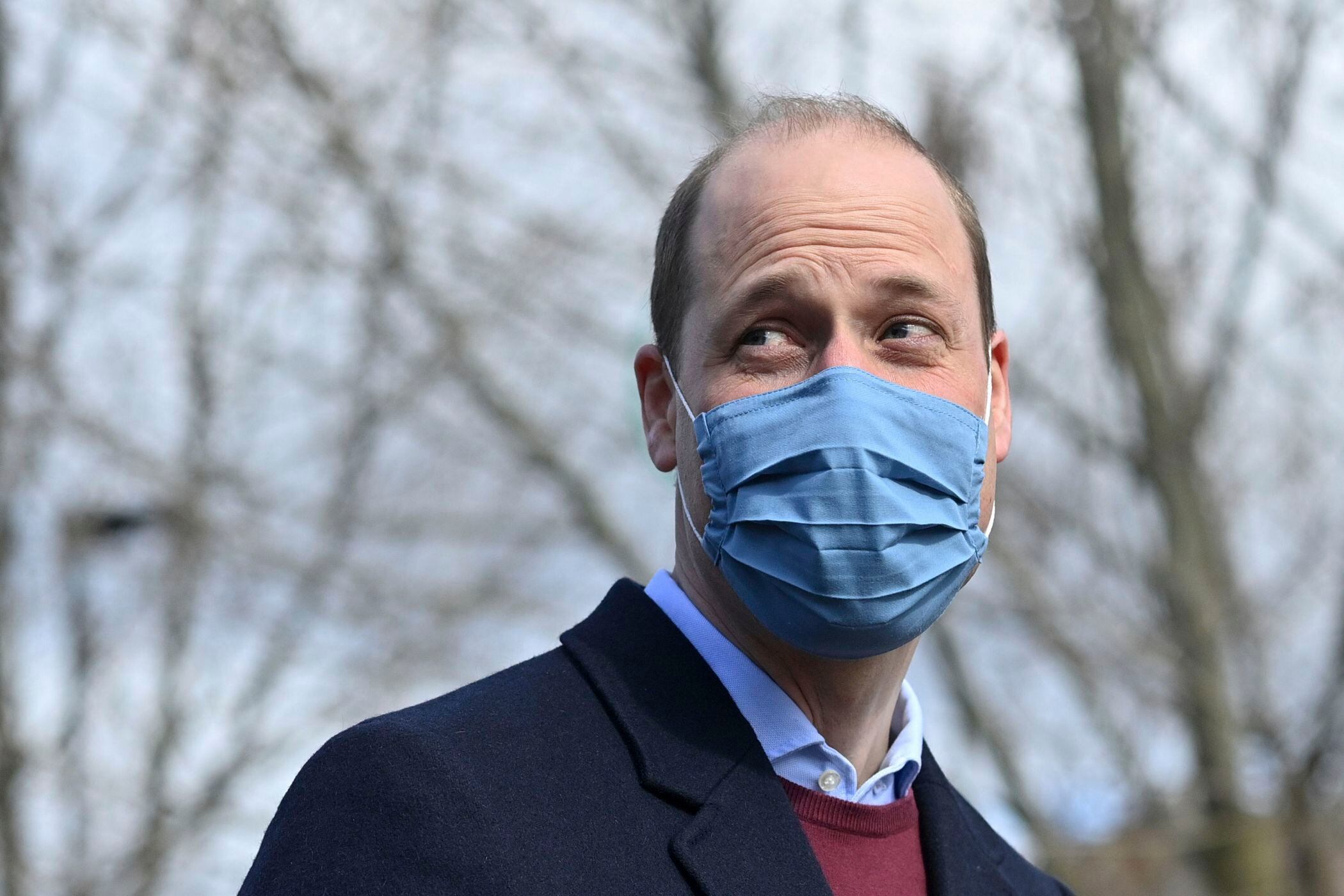
Prince William says that his family is not racist, becoming the first British royal to speak out about accusations of bigotry made by Prince Harry and Meghan, his brother and sister-in-law.
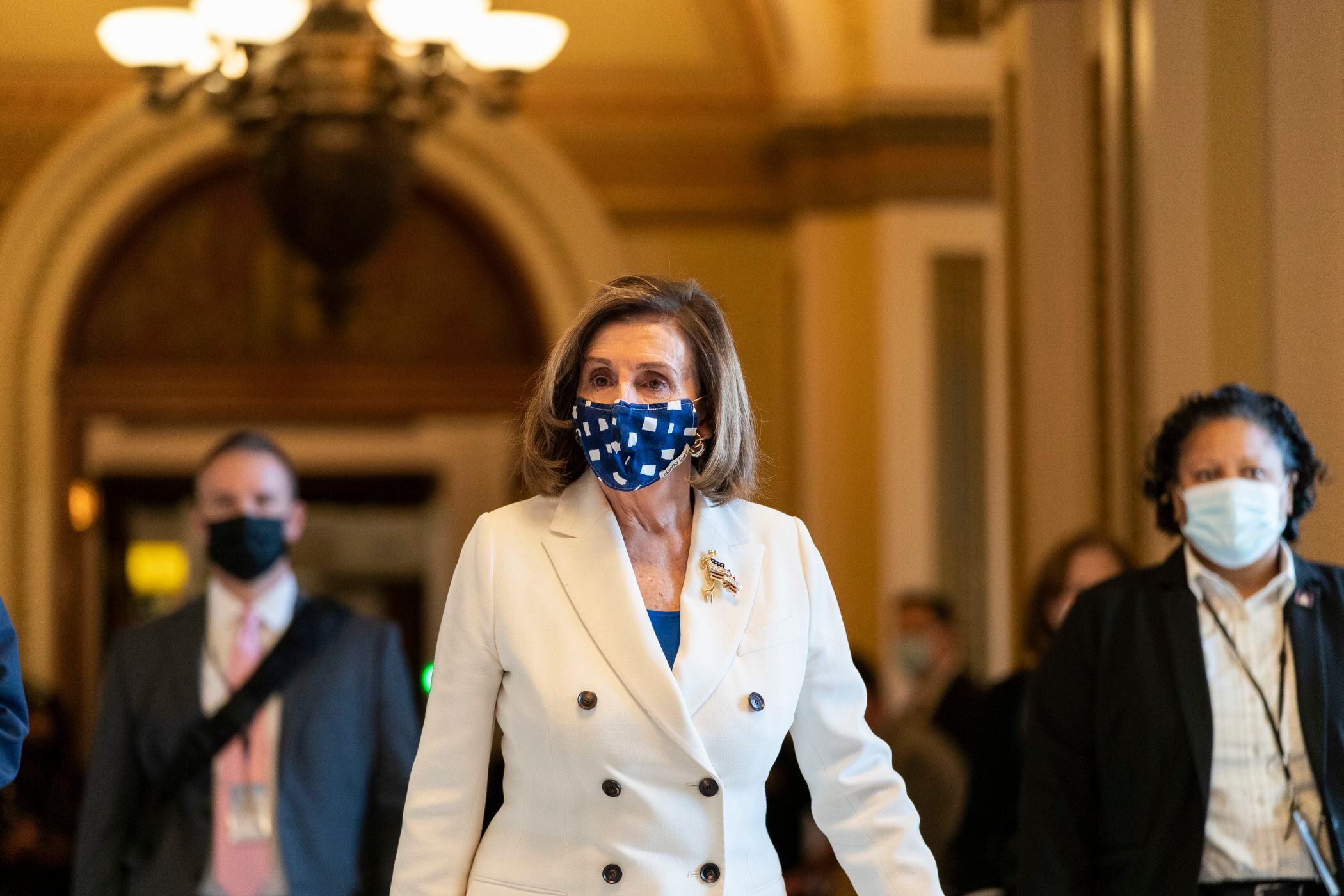
Congress has sent President Joe Biden the landmark $1.9 trillion COVID-19 relief bill.
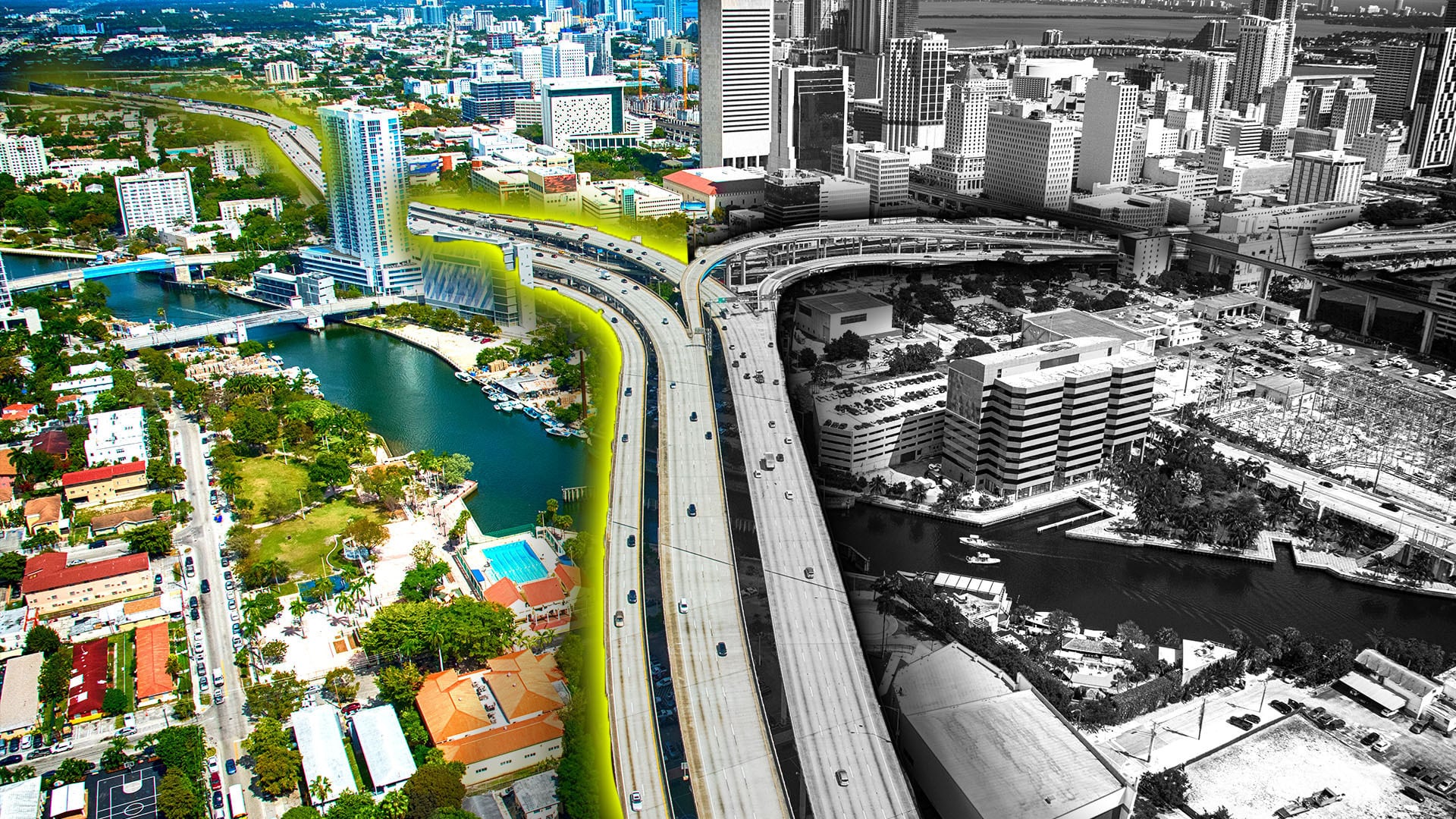
Eisenhower’s interstate system was the biggest infrastructure project of its time. What justified the cost was its potential to connect all corners of America, but the unforeseen impacts of the highway system seemed to do the opposite of the intention.
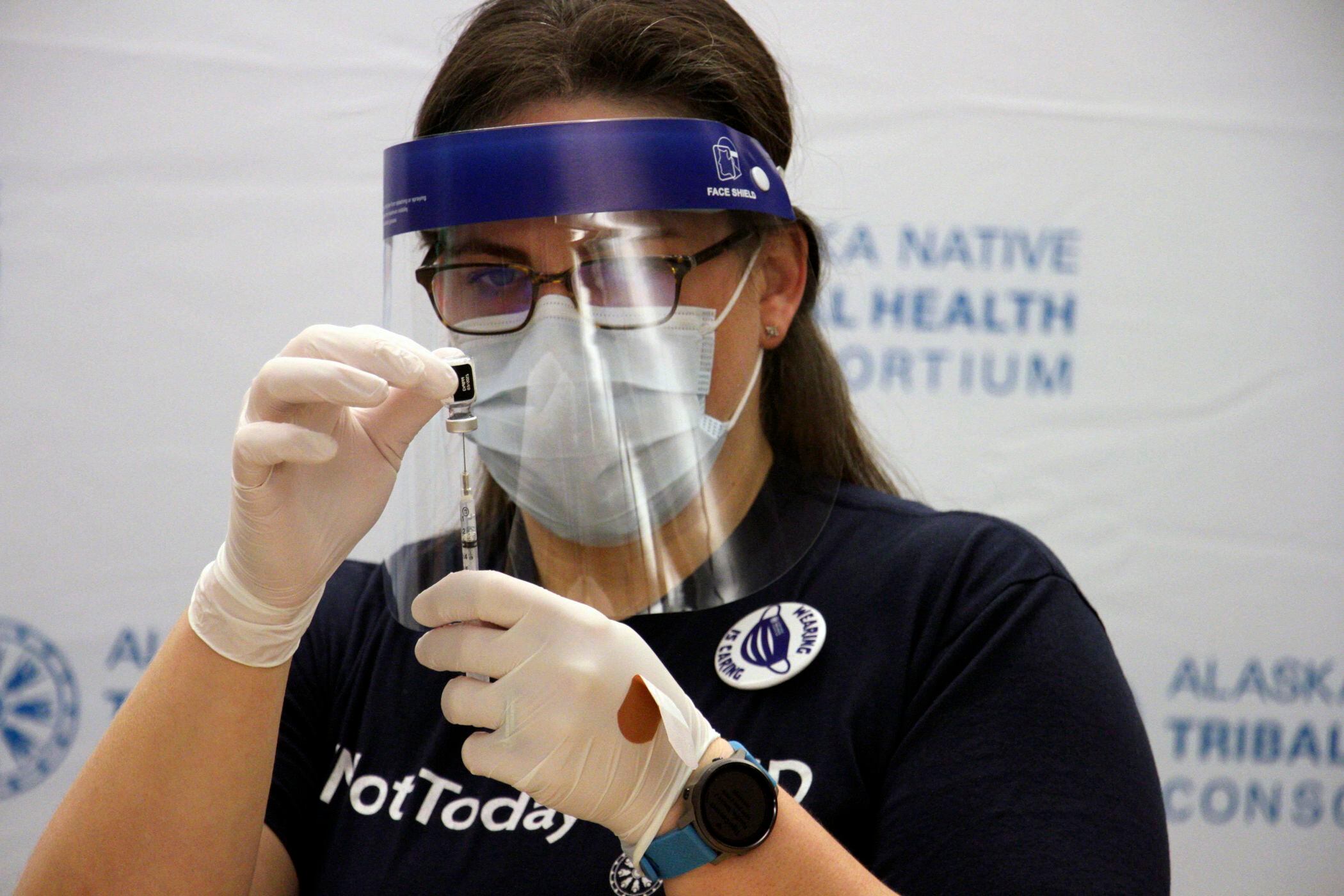
Dr. Anne Zink, chief medical officer for the state of Alaska, spoke to Cheddar about Alaska's remarkable task of getting COVID vaccines to a widespread populace even as the state opens up eligibility to nearly everyone.
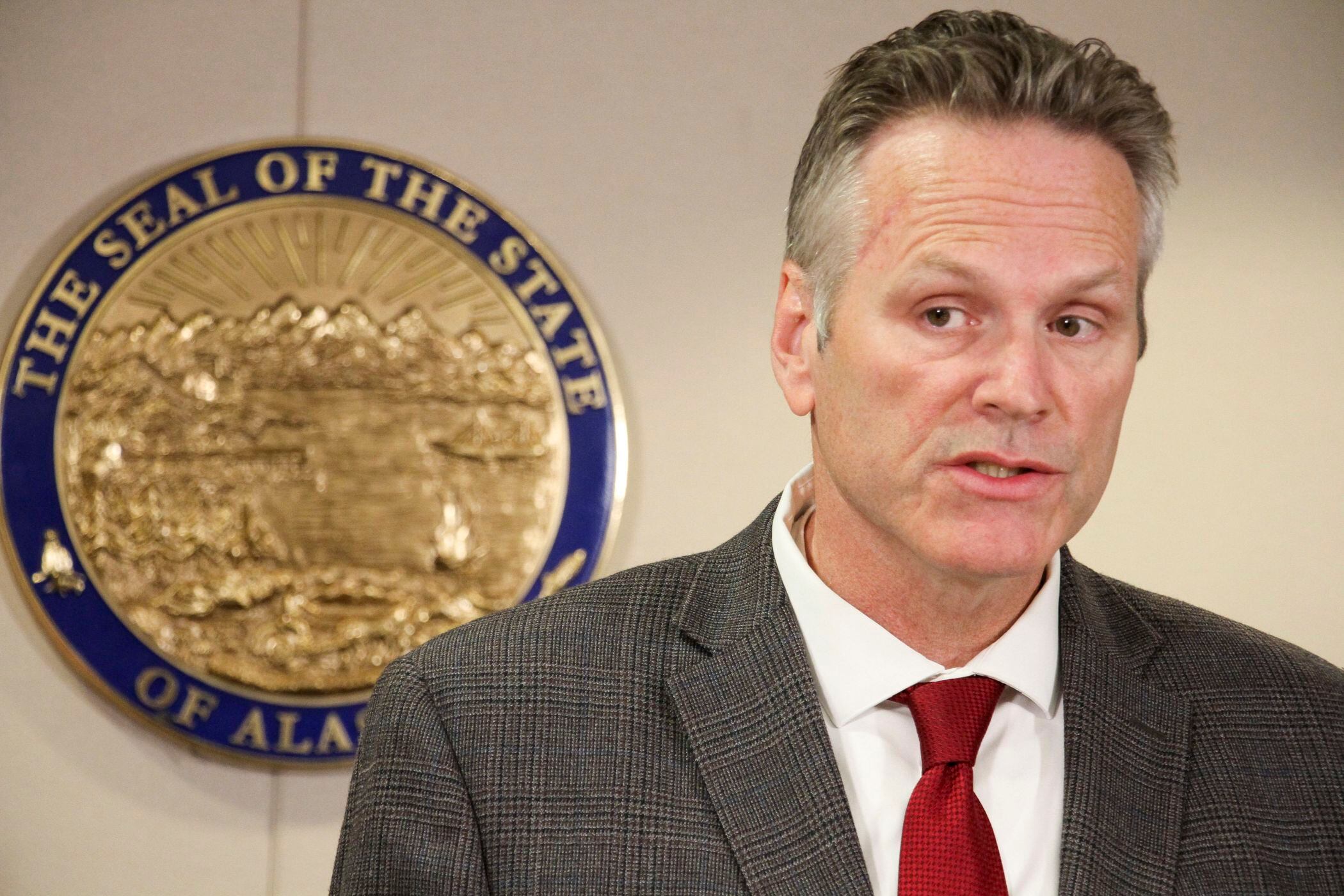
Gov. Mike Dunleavy says Alaska has become the first state to drop eligibility requirements and allow anyone 16 or older who lives or works in the state to get a COVID-19 vaccination.