*By Carlo Versano*
There is an unspoken tradition in Washington that the president faces the press a day after a midterm election that revokes power from his party in Congress. When Democrats gained control of both houses in 2006, a humbled President George W. Bush called it a "thumping." In 2010, an equally-chastened President Barack Obama admitted his party took a "shellacking."
No such thing happened on Wednesday.
President Trump vacillated between subdued and combative as he called Tuesday's election ー in which Democrats took control of the House and several pivotal governorships ー a "very close-to-complete victory."
Trump took credit for the GOP's ability to maintain control of the Senate and blamed certain losses of House Republican candidates on their disloyalty. He praised Rep. Nancy Pelosi, calling her "very smart," but then warned House Democrats that he would have Senate Republicans probe their conduct, should they use their newfound subpoena power to investigate him.
In a nearly two-hour-long press conference from the East Room of the White House that began with a low-key statement but quickly deteriorated into a rollicking Q&A, the president ratcheted up his antagonism of the gathered press corps. He called CNN's Jim Acosta a "rude, terrible person" and excoriated PBS' Yamiche Alcindor for asking "a racist question" when she attempted to probe him on whether his rhetoric was emboldening white nationalists.
As the president spoke, the AP called the contested Montana Senate race for Jon Tester, one of the Democrats that Trump was reportedly most hoping to defeat.
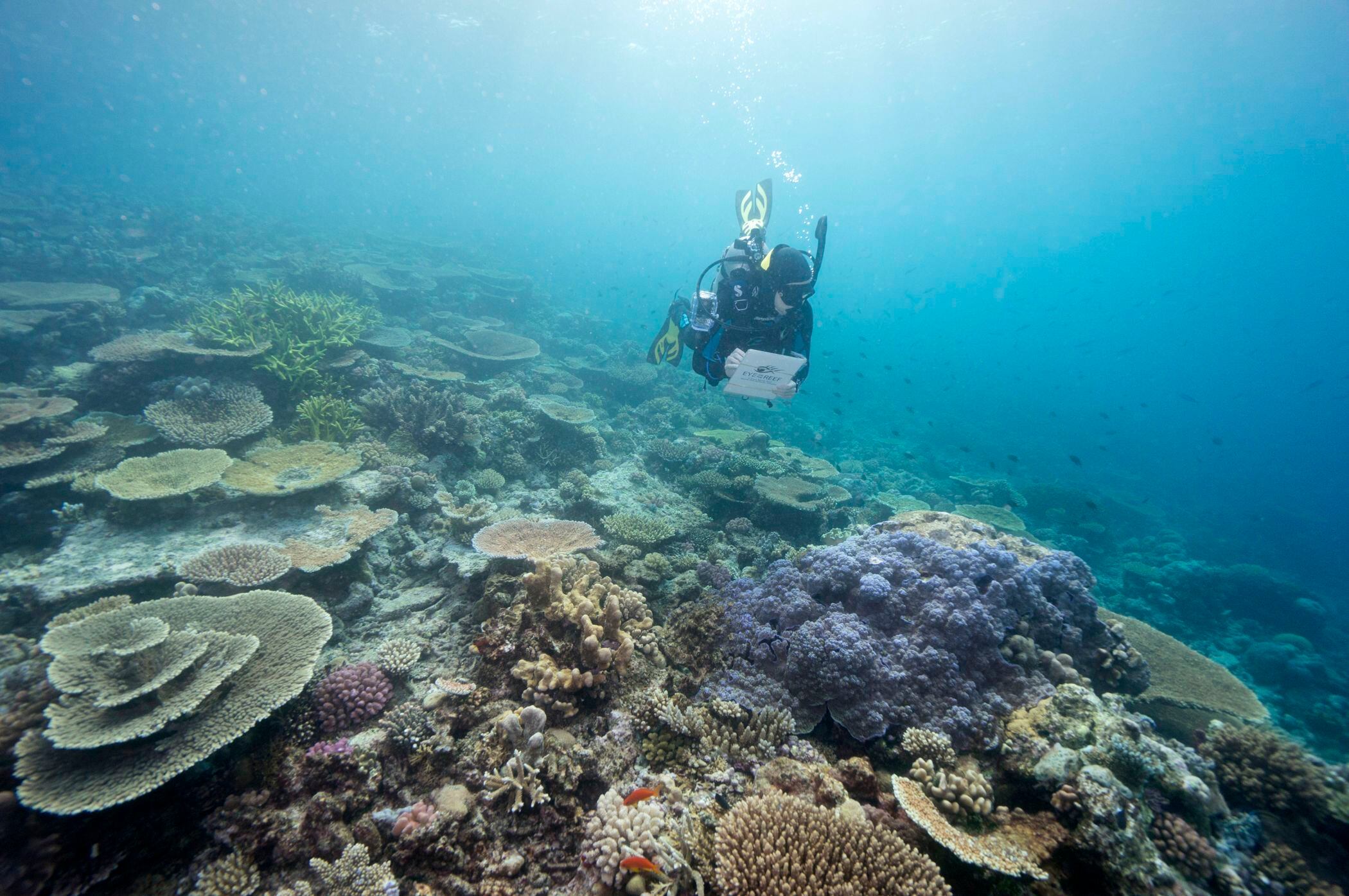
Australia has garnered enough international support to defer for two years an attempt by the United Nations’ cultural organization to downgrade the Great Barrier Reef’s World Heritage status because of damage caused by climate change.
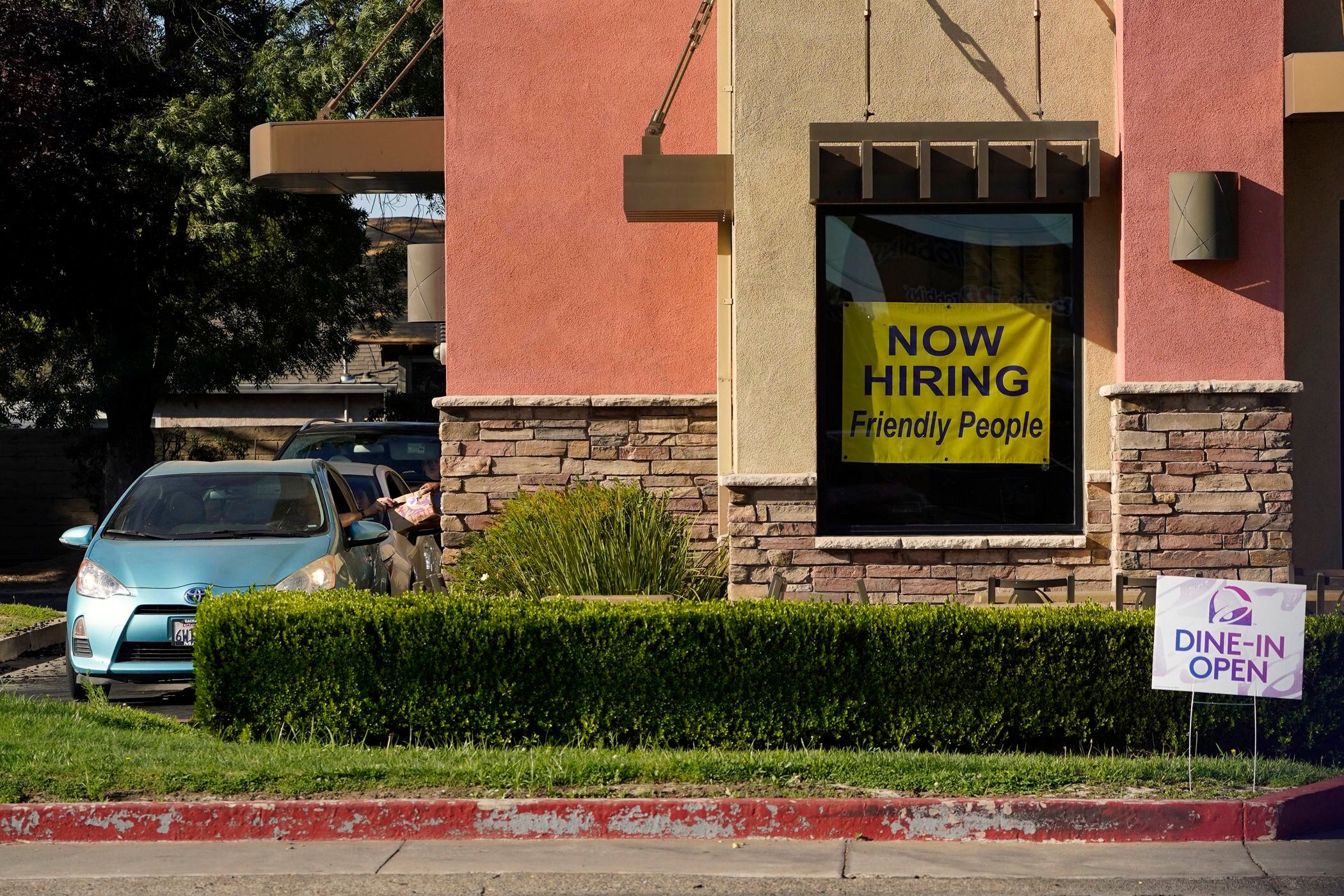
The number of Americans seeking unemployment benefits rose last week from the lowest point of the pandemic, even as the job market appears to be rebounding on the strength of a reopened economy
Dollar-pegged cryptocurrencies called stablecoins are on the rise, and U.S. regulators are taking notice.
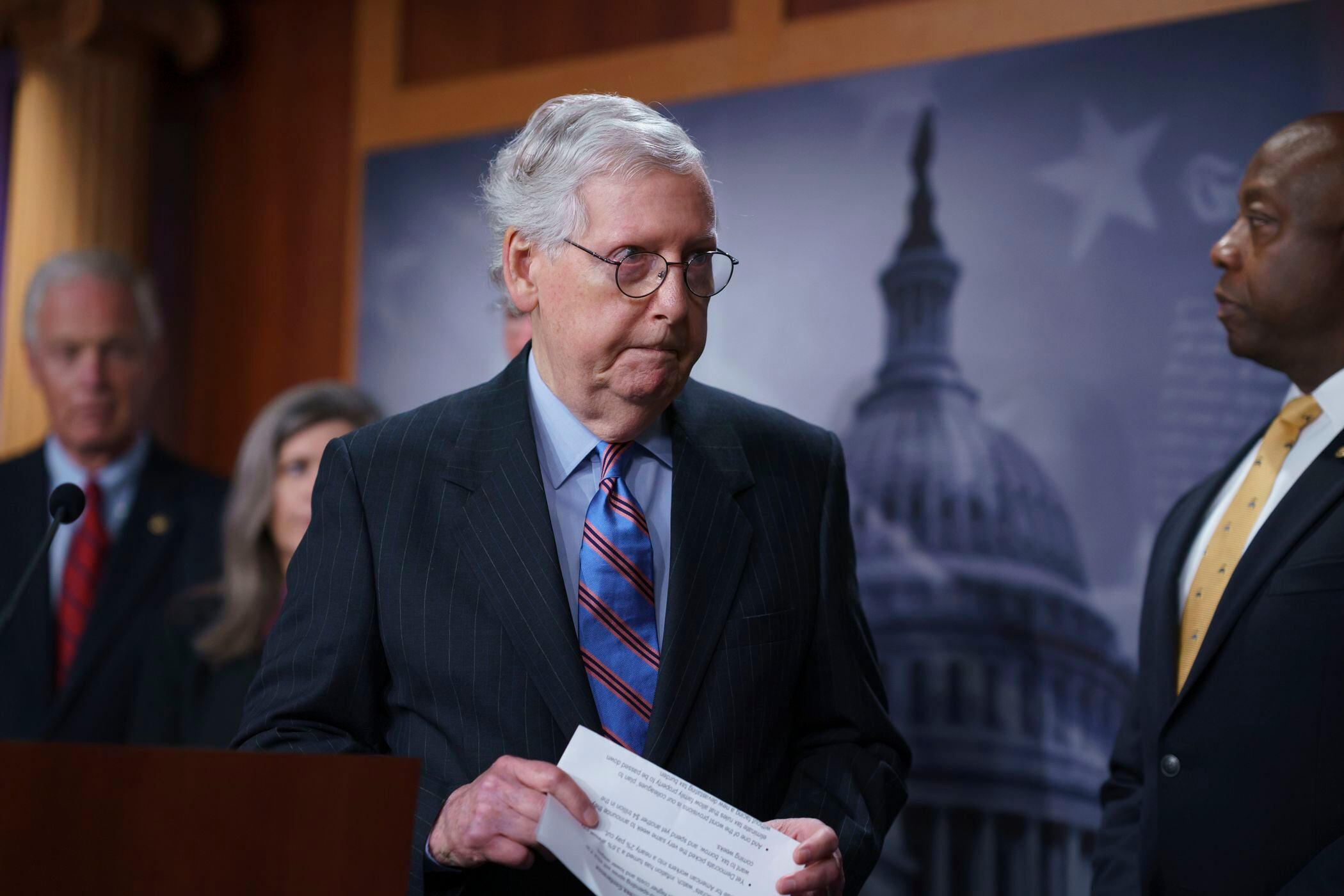
Senate Republicans have rejected an effort to begin debate on a bipartisan infrastructure deal that senators brokered with President Joe Biden.
While the Biden administration has been busy undoing some of former President Trump's legacy decisions, the latest military branch, the U.S. Space Force established in 2019, isn't going anywhere.
Israeli Prime Minister Naftali Bennett spoke to the head of Unilever after its subsidiary Ben & Jerry’s announced it would stop selling its ice cream in the Israeli-occupied West Bank and contested east Jerusalem.
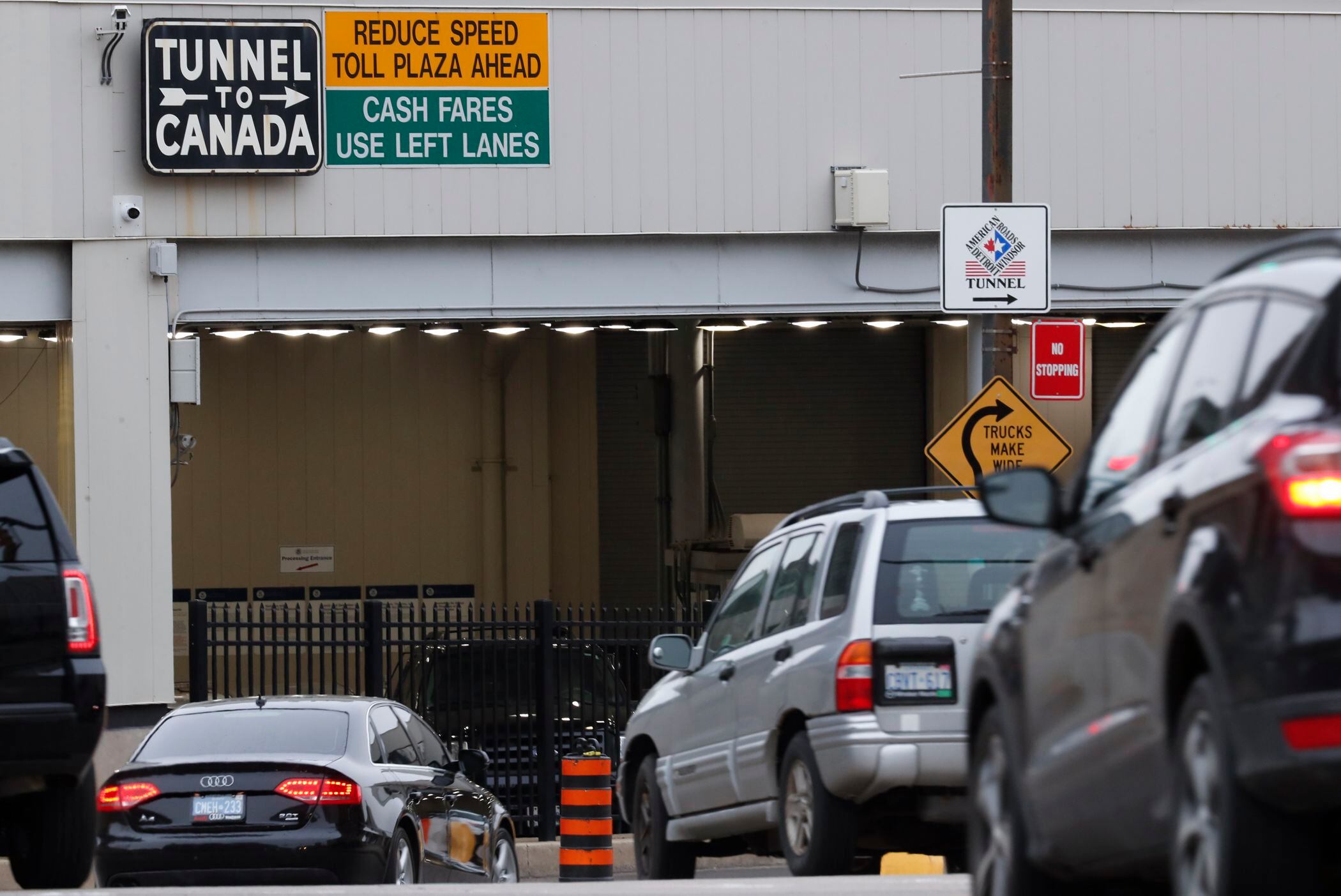
Canada will begin letting fully vaccinated U.S. citizens into Canada on Aug. 9, and those from the rest of the world on Sept. 7.
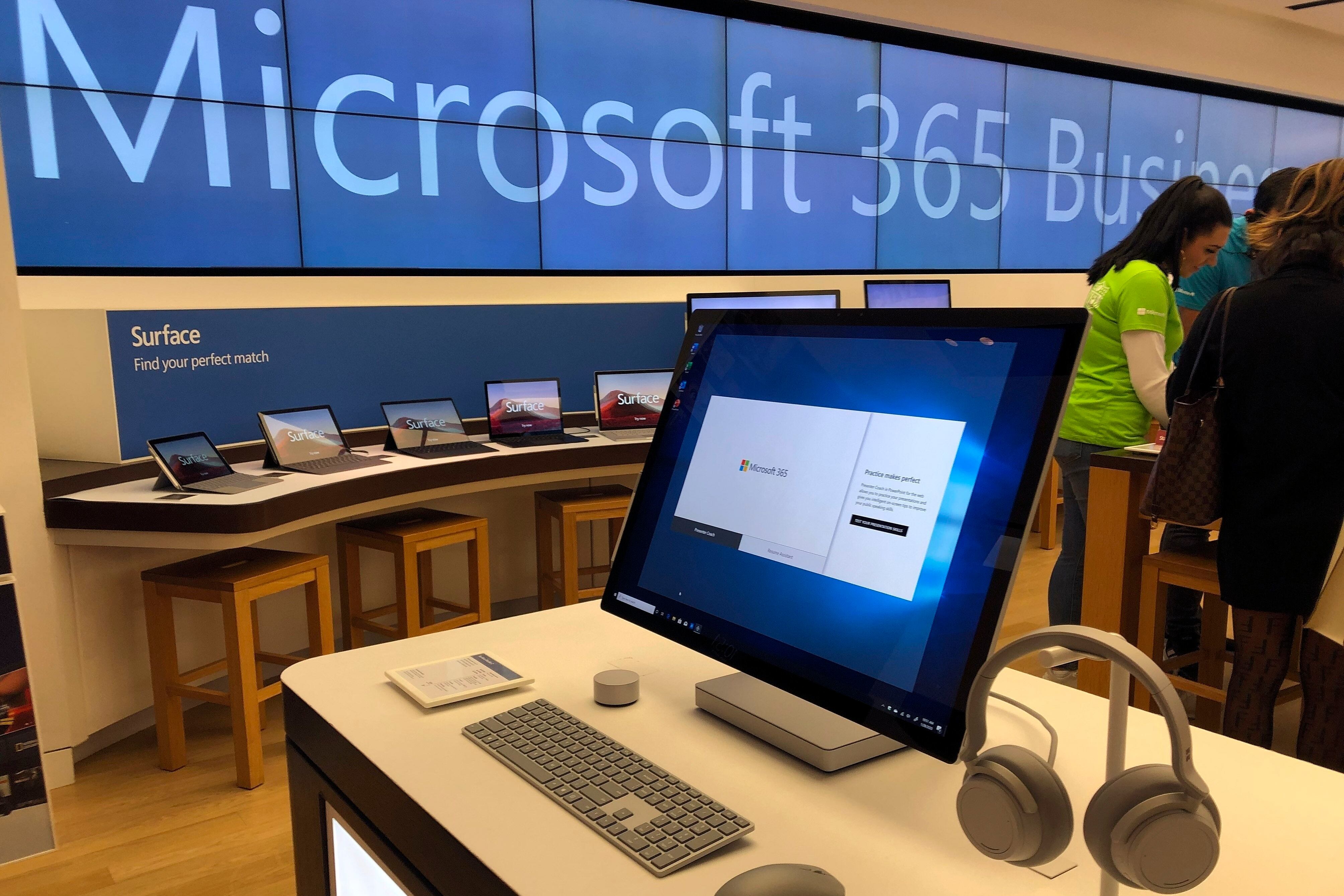
The Biden administration is blaming China for a hack of Microsoft Exchange email server software that compromised tens of thousands of computers around the world earlier this year.
The State Department will offer rewards up to $10 million for information leading to the identification of anyone engaged in foreign state-sanctioned malicious cyber activity, including ransomware attacks, against critical U.S. infrastructure.
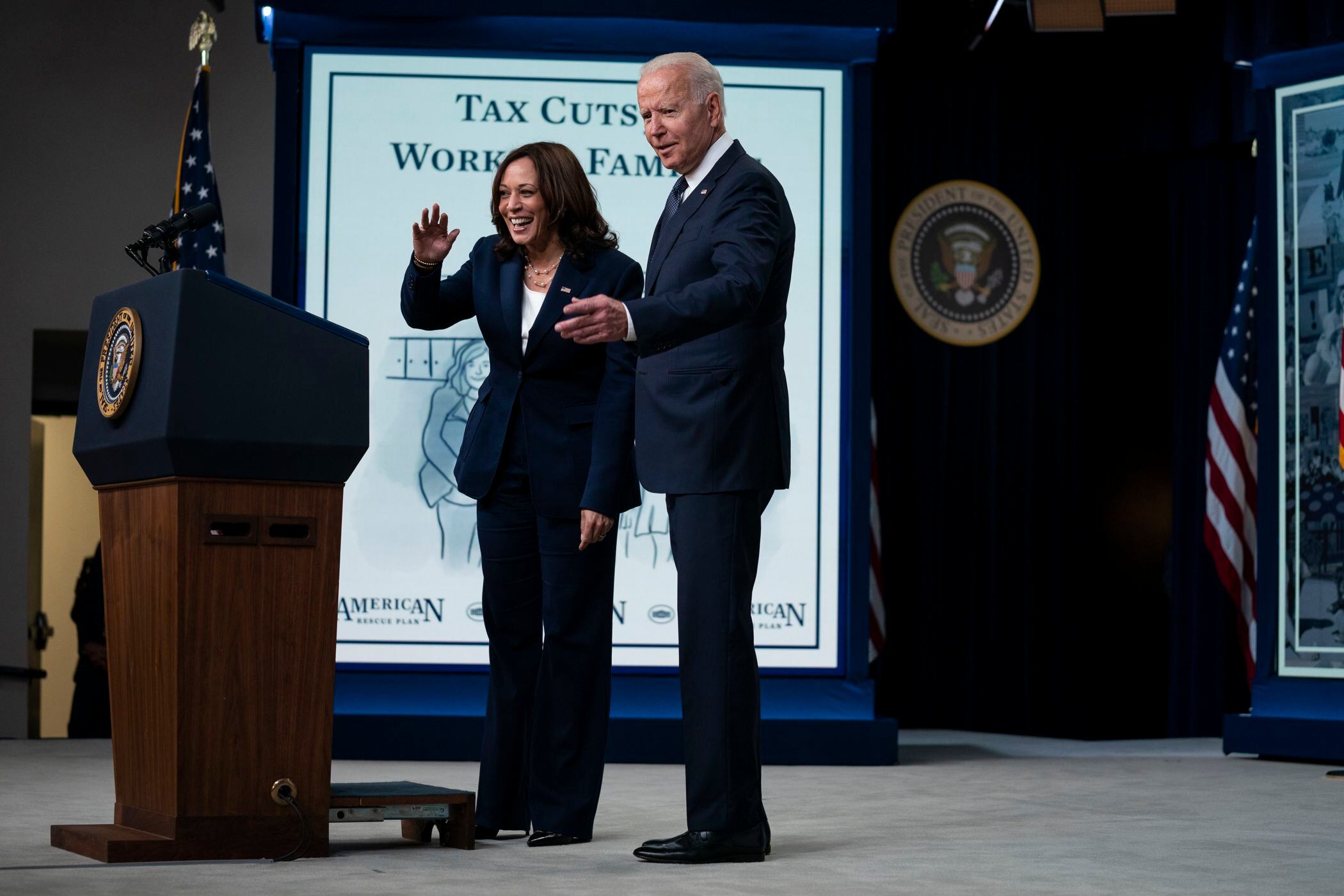
The U.S. government is starting to deposit child tax credit money into the accounts of more than 35 million families.