*By Carlo Versano*
There is an unspoken tradition in Washington that the president faces the press a day after a midterm election that revokes power from his party in Congress. When Democrats gained control of both houses in 2006, a humbled President George W. Bush called it a "thumping." In 2010, an equally-chastened President Barack Obama admitted his party took a "shellacking."
No such thing happened on Wednesday.
President Trump vacillated between subdued and combative as he called Tuesday's election ー in which Democrats took control of the House and several pivotal governorships ー a "very close-to-complete victory."
Trump took credit for the GOP's ability to maintain control of the Senate and blamed certain losses of House Republican candidates on their disloyalty. He praised Rep. Nancy Pelosi, calling her "very smart," but then warned House Democrats that he would have Senate Republicans probe their conduct, should they use their newfound subpoena power to investigate him.
In a nearly two-hour-long press conference from the East Room of the White House that began with a low-key statement but quickly deteriorated into a rollicking Q&A, the president ratcheted up his antagonism of the gathered press corps. He called CNN's Jim Acosta a "rude, terrible person" and excoriated PBS' Yamiche Alcindor for asking "a racist question" when she attempted to probe him on whether his rhetoric was emboldening white nationalists.
As the president spoke, the AP called the contested Montana Senate race for Jon Tester, one of the Democrats that Trump was reportedly most hoping to defeat.
Prices for U.S. consumers rose last month but at the slowest pace since February, a sign that Americans could gain some relief after four months of sharp increases that elevated inflation to its fastest pace in more than a decade.
Senate Majority Leader Chuck Schumer is conceding that Democrats face a tough pathway to delivering a $3.5 trillion package for family, health and environment programs to President Joe Biden’s desk.
Kathy Hochul will become the state’s first female governor once Cuomo's resignation is effective in two weeks.
Gov. Andrew Cuomo says he will resign over a barrage of sexual harassment allegations in a fall from grace a year after he was widely hailed nationally for his detailed daily briefings and leadership during the darkest days of COVID-19.
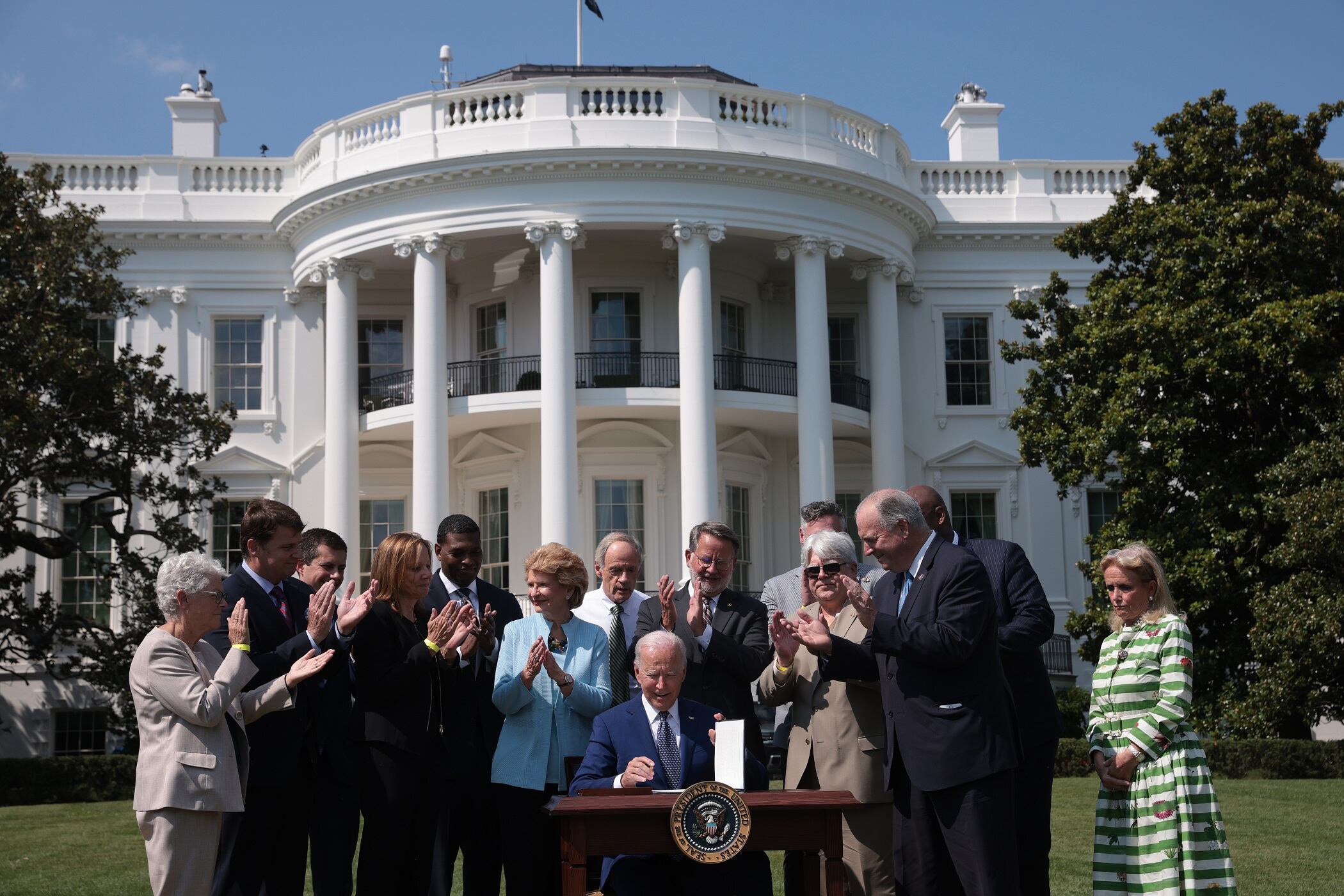
With a robust vote after weeks of fits and starts, the Senate has approved the $1 trillion bipartisan infrastructure plan.
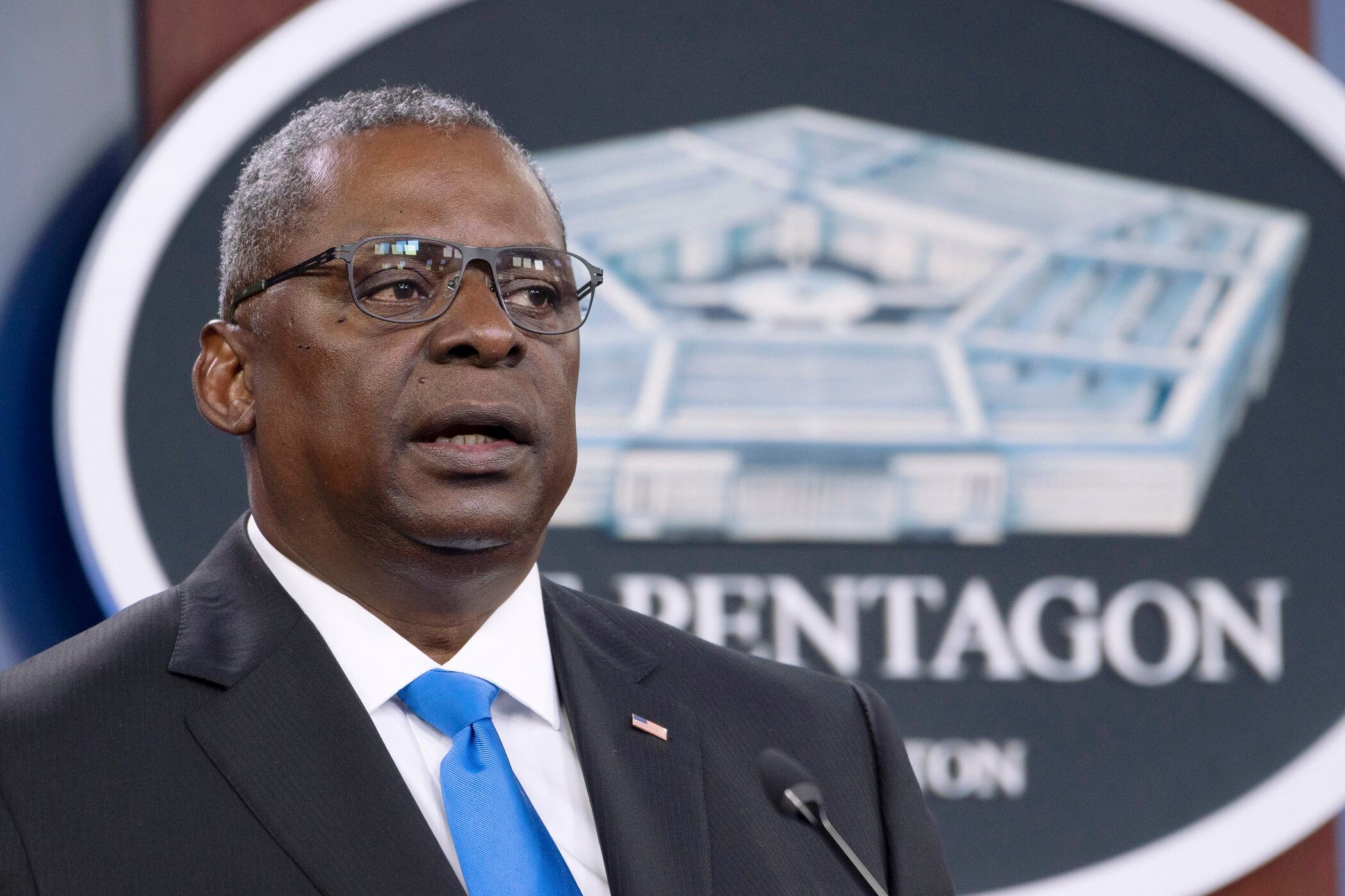
Members of the U.S. military would be required to have the COVID-19 vaccine beginning Sept. 15, under a plan announced by the Pentagon on Monday and endorsed by President Joe Biden.
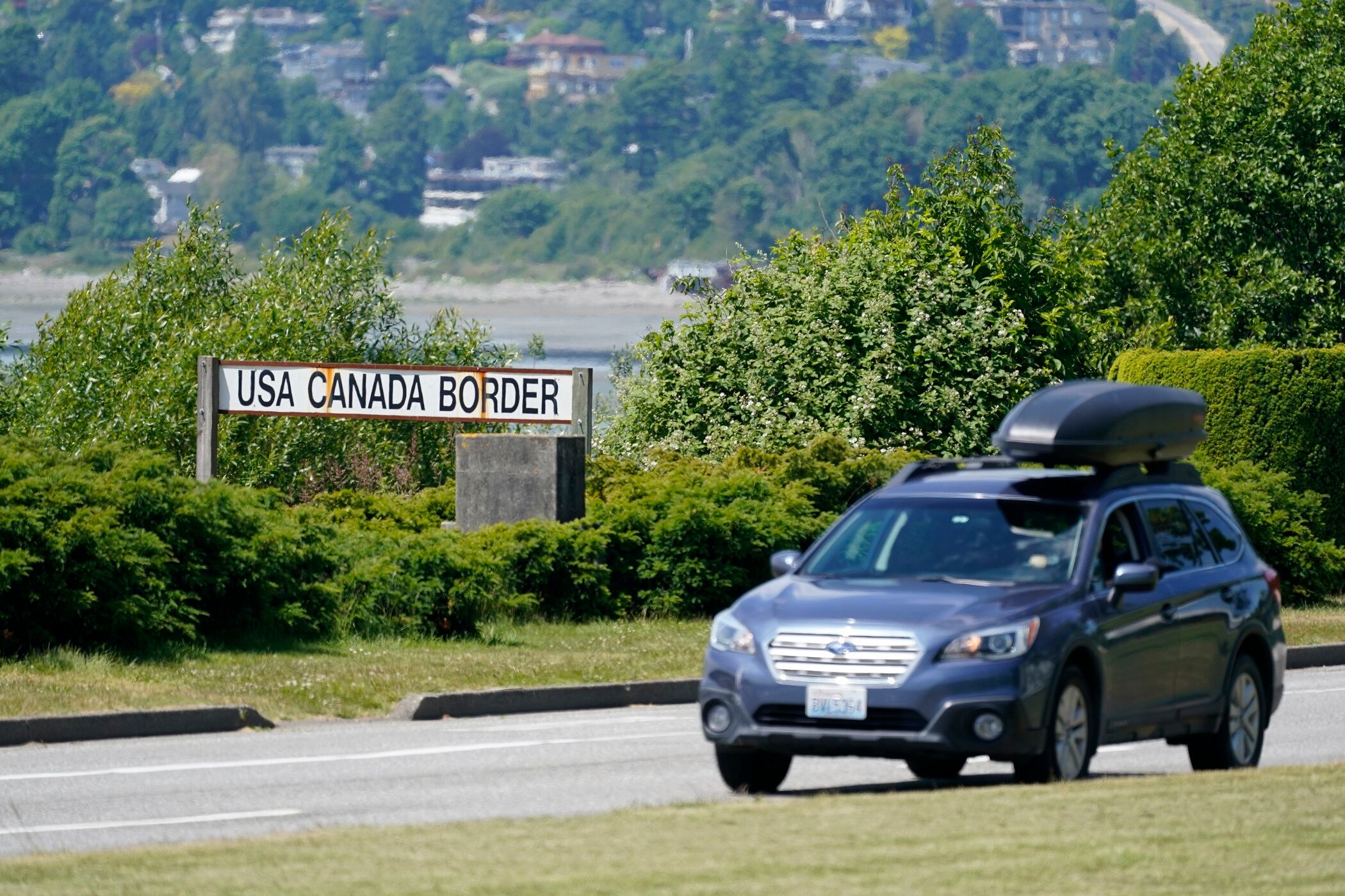
Canada is lifting its prohibition on Americans crossing the border to shop, vacation or visit, but the United States is keeping similar restrictions in place for Canadians.
Earth is getting so hot that temperatures in about a decade will probably blow past a level of warming that world leaders have sought to prevent.
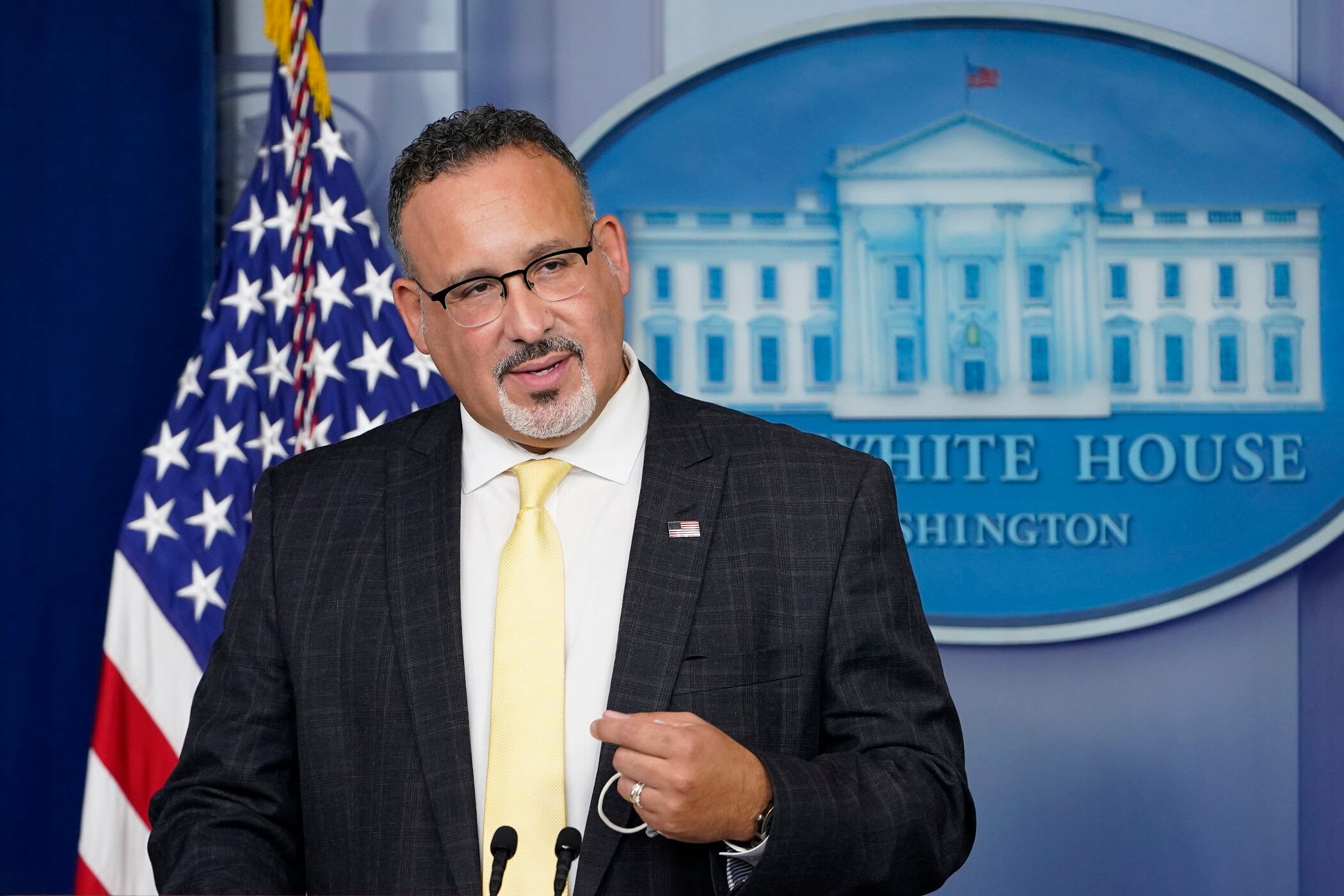
The Biden administration has announced that federal student loan payments will remain suspended through January 2022, extending a pause that was scheduled to expire next month.
From Wall Street to Silicon Valley, these are the top stories that moved markets and had investors, business leaders, and entrepreneurs talking this week on Cheddar.