Trump Congratulates Self, Takes Swings at Disloyal Republicans
*By Carlo Versano*
There is an unspoken tradition in Washington that the president faces the press a day after a midterm election that revokes power from his party in Congress. When Democrats gained control of both houses in 2006, a humbled President George W. Bush called it a "thumping." In 2010, an equally-chastened President Barack Obama admitted his party took a "shellacking."
No such thing happened on Wednesday.
President Trump vacillated between subdued and combative as he called Tuesday's election ー in which Democrats took control of the House and several pivotal governorships ー a "very close-to-complete victory."
Trump took credit for the GOP's ability to maintain control of the Senate and blamed certain losses of House Republican candidates on their disloyalty. He praised Rep. Nancy Pelosi, calling her "very smart," but then warned House Democrats that he would have Senate Republicans probe their conduct, should they use their newfound subpoena power to investigate him.
In a nearly two-hour-long press conference from the East Room of the White House that began with a low-key statement but quickly deteriorated into a rollicking Q&A, the president ratcheted up his antagonism of the gathered press corps. He called CNN's Jim Acosta a "rude, terrible person" and excoriated PBS' Yamiche Alcindor for asking "a racist question" when she attempted to probe him on whether his rhetoric was emboldening white nationalists.
As the president spoke, the AP called the contested Montana Senate race for Jon Tester, one of the Democrats that Trump was reportedly most hoping to defeat.
Jill and Carlo are a bit delayed today on account of Carlo's internet not working. Better late than never, they discuss what we know about the suspect in the Christmas parade crash, closing arguments in the Arbery killing trial, and more.
Stocks began the week closing at session lows on a day when bond yields rose and President Biden decided to stick with Jerome Powell as Fed Chair. Bryan Lee, Chief Investment Officer at Blue Zone Wealth Advisors, joins Cheddar News' Closing Bell, where he breaks down the day's activity and discusses what the Fed now needs to do going forward.
President Joe Biden announced Monday he is re-nominating Federal Reserve Chairman Jerome Powell after weeks of speculation that he would choose Democrat and Fed Governor Lael Brainard to fill the role. Biden could be looking for continuity as the U.S. continues to grapple with COVID-19 and high inflation, and investors could be on the same page: markets and treasuries ticked up after the White House made the announcement. MarketWatch Senior Reporter Greg Robb joins Cheddar News' Closing Bell to discuss Powell's re-nomination, what we can expect from the Fed's December meeting, whether it will speed up its taper timeline, and more.
President Joe Biden named Jerome Powell, initially appointed by President Trump, to keep his seat as the chair of the Federal Reserve on Monday amid the ongoing challenges of the pandemic, inflation, and unemployment. David Beckworth, a former international economist for the Treasury Department and a senior fellow with the Mercatus Center, joined Cheddar to discuss what he sees as the practicality of Biden's decision. "What Powell brings to the table is he's built up political capital with Republicans and Democrats," he said. "It's easy for him to get the job done. I think in one way he was the path of least resistance for the president."
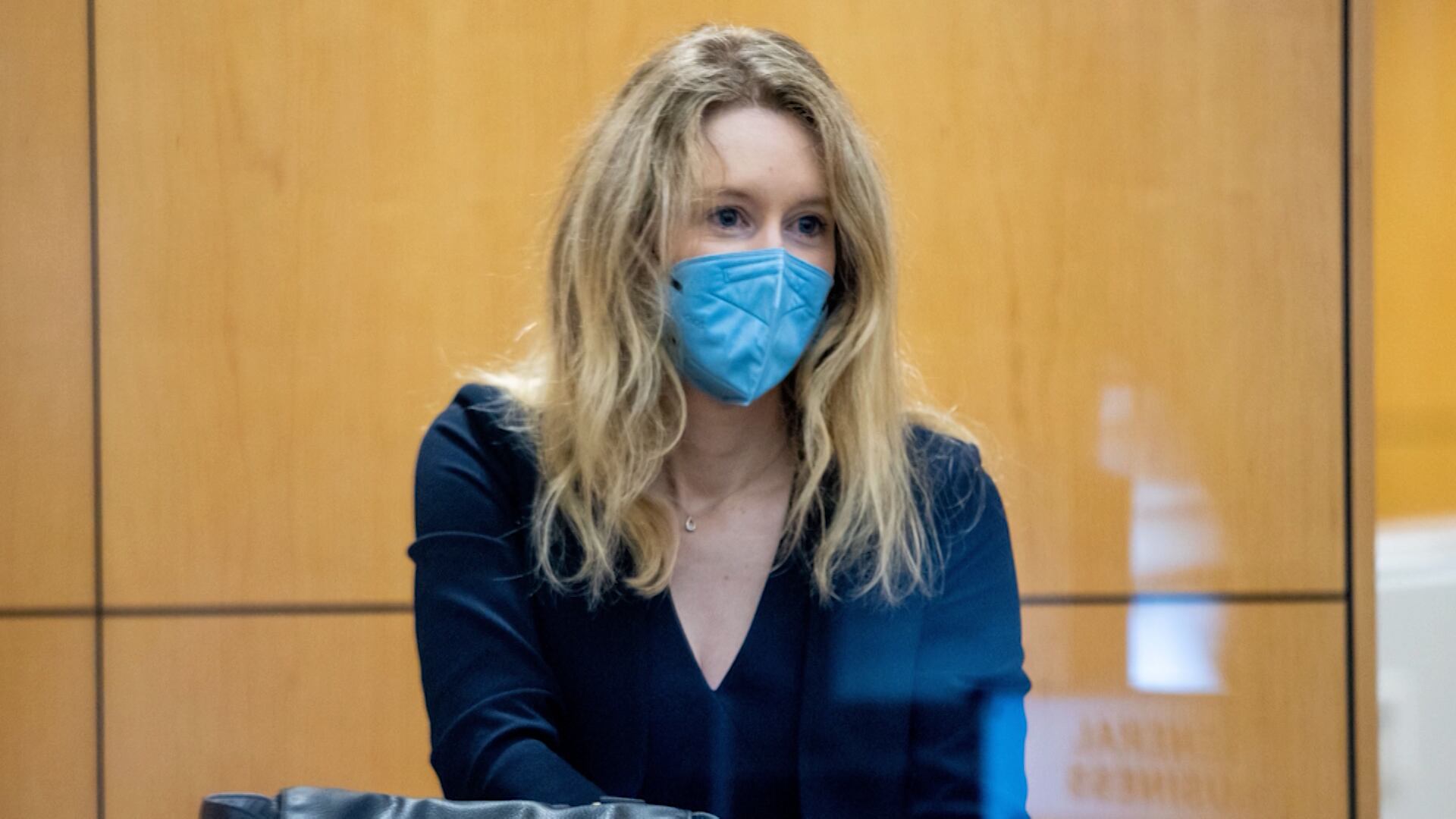
In a surprise turn of events, Elizabeth Holmes took the stand in her own defense on Friday and is expected to continue her testimony later today. Holmes, who founded a blood testing start-up Theranos back in 2003, faces 11 counts of wire fraud as well as conspiracy to commit wire fraud. Aron Solomon, Chief Legal Analyst, Esquire Digital joined Cheddar's Opening Bell to discuss.
Jill and Carlo cover the developing story out of suburban Milwaukee, where a speeding SUV careened through a Christmas parade. Looters get more brazen in San Francisco, the missing Chinese tennis star resurfaces, and more.
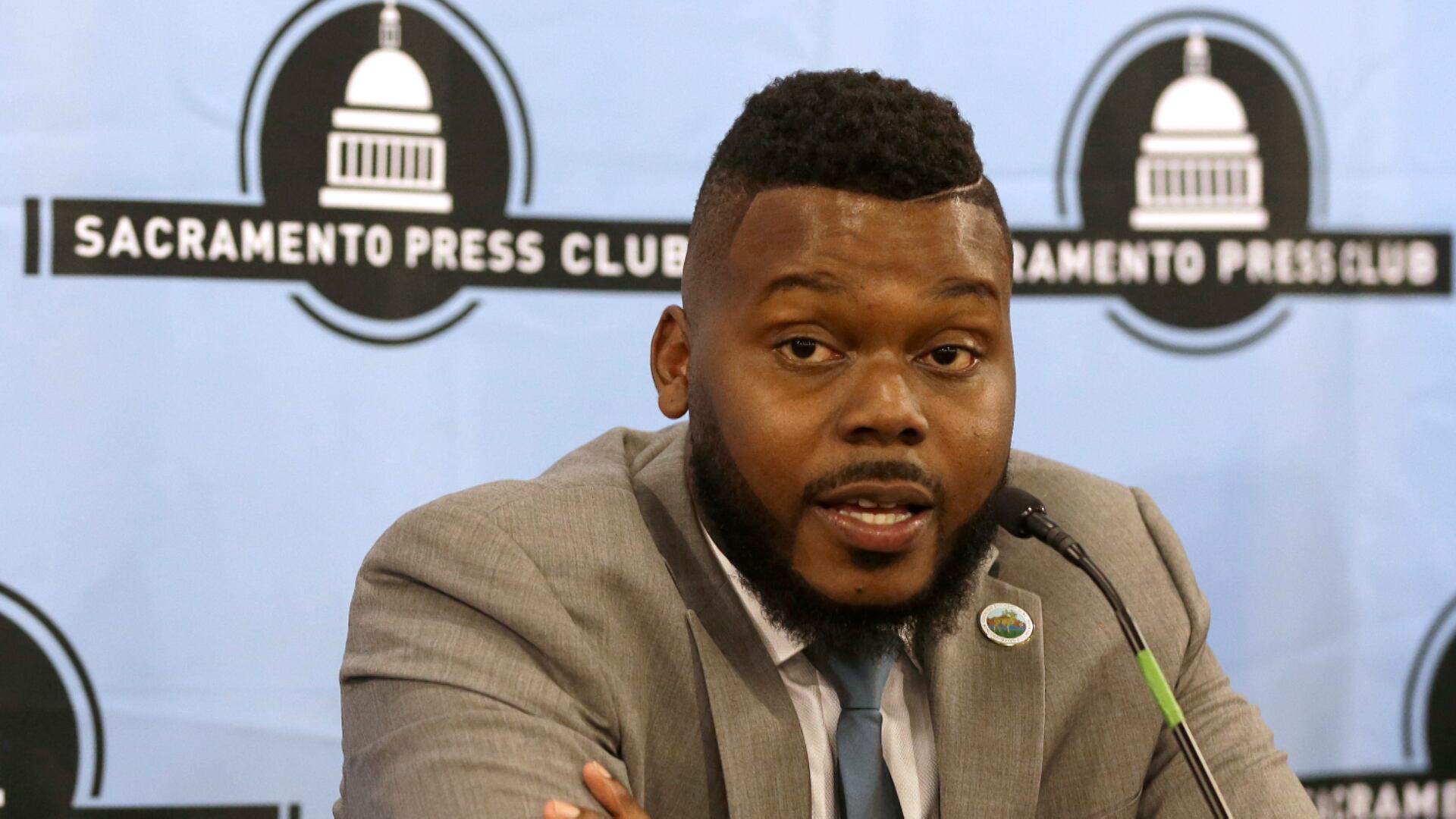
Michael Tubbs, former Mayor of Stockton, California and author of 'The Deeper the Roots,' joined Cheddar Movers to talk all about his new memoir, and his ongoing fight to make meaningful change in his community.