On Tuesday a federal appeals court in New York ruled that President Donald Trump, when using his infamous @realDonaldTrump Twitter account, cannot block his critics. That decision upholds an earlier district court ruling.
The court found that an account used by a public official to conduct "all manner of public purposes" cannot exclude those who disagree that official from participating in an open, online discussion.
The Justice Department defended the president in the case, which was first brought by the Knight First Amendment Institute in 2017. The Institute represented several critics of the president who have been "blocked" by the @realDonaldTrump account.
In an emailed statement, Justice Department spokesperson Kelly Laco said, "We are disappointed with the court's decision and are exploring possible next steps. As we argued, President Trump's decision to block users from his personal twitter account does not violate the First Amendment."
However, the court found that the account was not "private," meaning the government had engaged in "viewpoint discrimination," which violates the First Amendment.
When asked by Cheddar whether Twitter would stop the @realDonaldTrump account from blocking other users, the social media company declined to comment.
"Public officials' social media accounts are now among the most significant forums for discussion of government policy," said Jameel Jaffer, the executive director of the Knight Institute, in a press release Tuesday. "This decision will ensure that people aren't excluded from these forums simply because of their viewpoints, and that public officials aren't insulated from their constituents' criticism."
Trump has frequently announced his policy intentions ー and other ruminations on politics ー through that account, though he also has access to an official presidential Twitter account run by the White House.
Also unhelpful to the Justice Department's argument that the account is private is that multiple White House officials have referred to the @realDonaldTrump account as an official source of information. For instance, in 2017, then-White House Press Secretary Sean Spicer said that tweets from that account should be considered "official statements by the President," and the White House itself has included statements made from the account in collections of official White House records.
The White House Director of Social Media, and assistant to the president, Dan Scavino, helps Trump run that account.
Although this week's weather is predicted to be less severe than the 2021 storm, Texans are preparing for the worst - stocking up on supplies and emptying shelves in grocery stores, once again. Some Texans still have not recovered from last year's tragedy, and are heading into the next few weeks with anxiety for what's to come. Leslie Beyer, CEO of the Houston-based energy workforce & technology council, joins Cheddar News to discuss if the Texas grid will fail again.
Student loan debt continues to be a major concern for tens of millions of Americans who collectively owe about $1.7 trillion. Black college students often take on larger amounts of student debt in order to pay for a higher education. In turn, they are more likely to struggle post-graduation with repaying their debt, creating a racial wealth gap divide. Andre Perry, senior fellow at Brookings Institution joined All Hands to help break down the black student debt crisis.
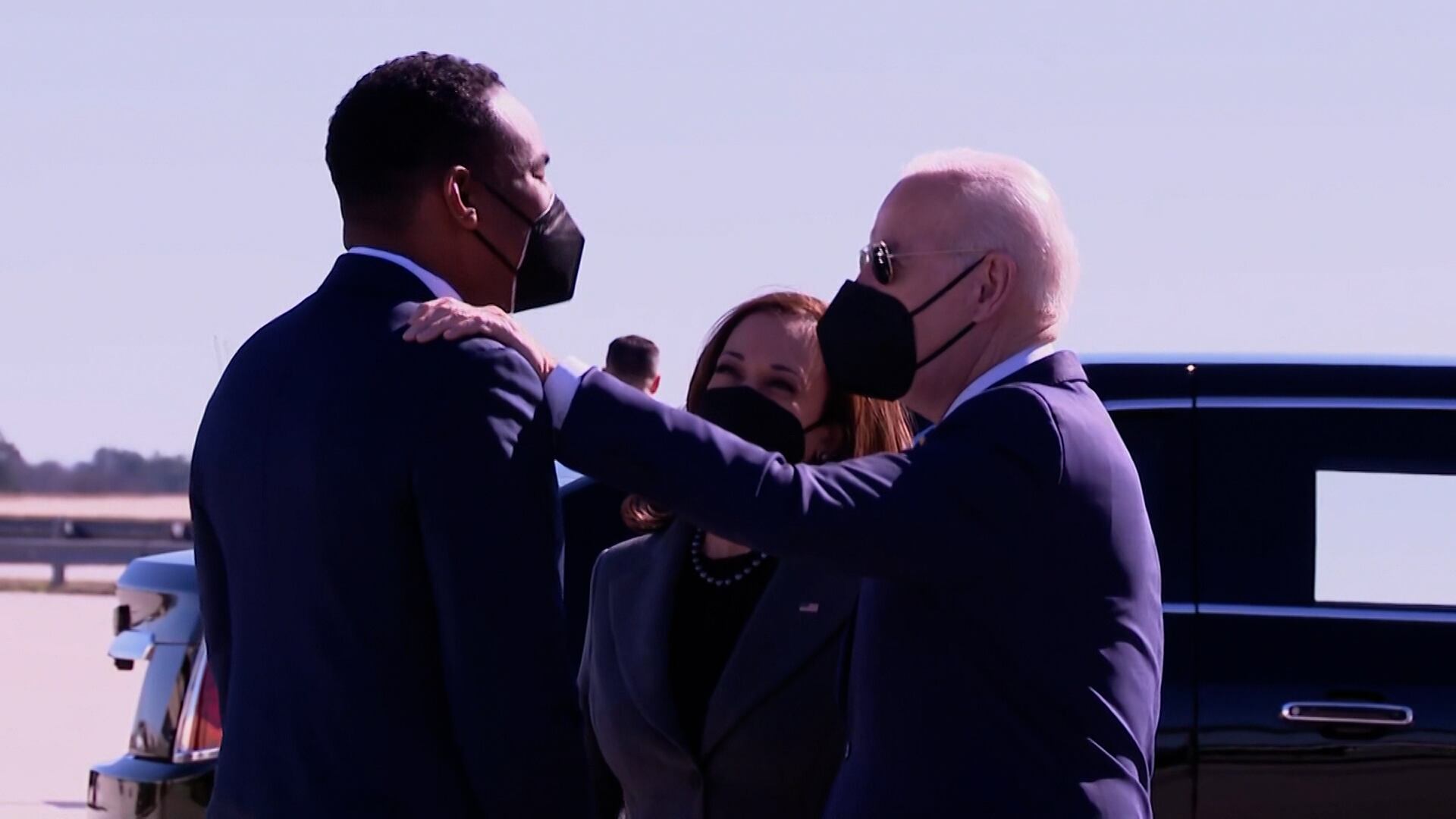
After two NYPD officers were killed with an illegal gun, President Biden made a trip to New York City to speak on the issue of gun violence fed by the "iron pipeline" of illegal firearms that make their way from the South to the Big Apple. Kris Brown, the president of the gun violence prevention organization Brady United, joined Cheddar to discuss what this visit from the president could mean for the future of gun laws in America. "He's asked Congress to pass things like expanding the Brady background check system, but with the filibuster a barrier to so much action right now in the Congress, he's looking at solutions that involve funding at the federal level and really involve enforcement."
Following the surprising big beat on estimates for the January jobs report, William M. Rodgers III, vice president and director of the Institute for Economic Equity at the Federal Reserve Bank of St. Louis, joined Cheddar News to break down the data. “We ended 2021 with a strong crescendo to a recovery that had taken hold, and we started 2022 in good fashion." He also discussed the dueling pressures of wage growth and inflation.
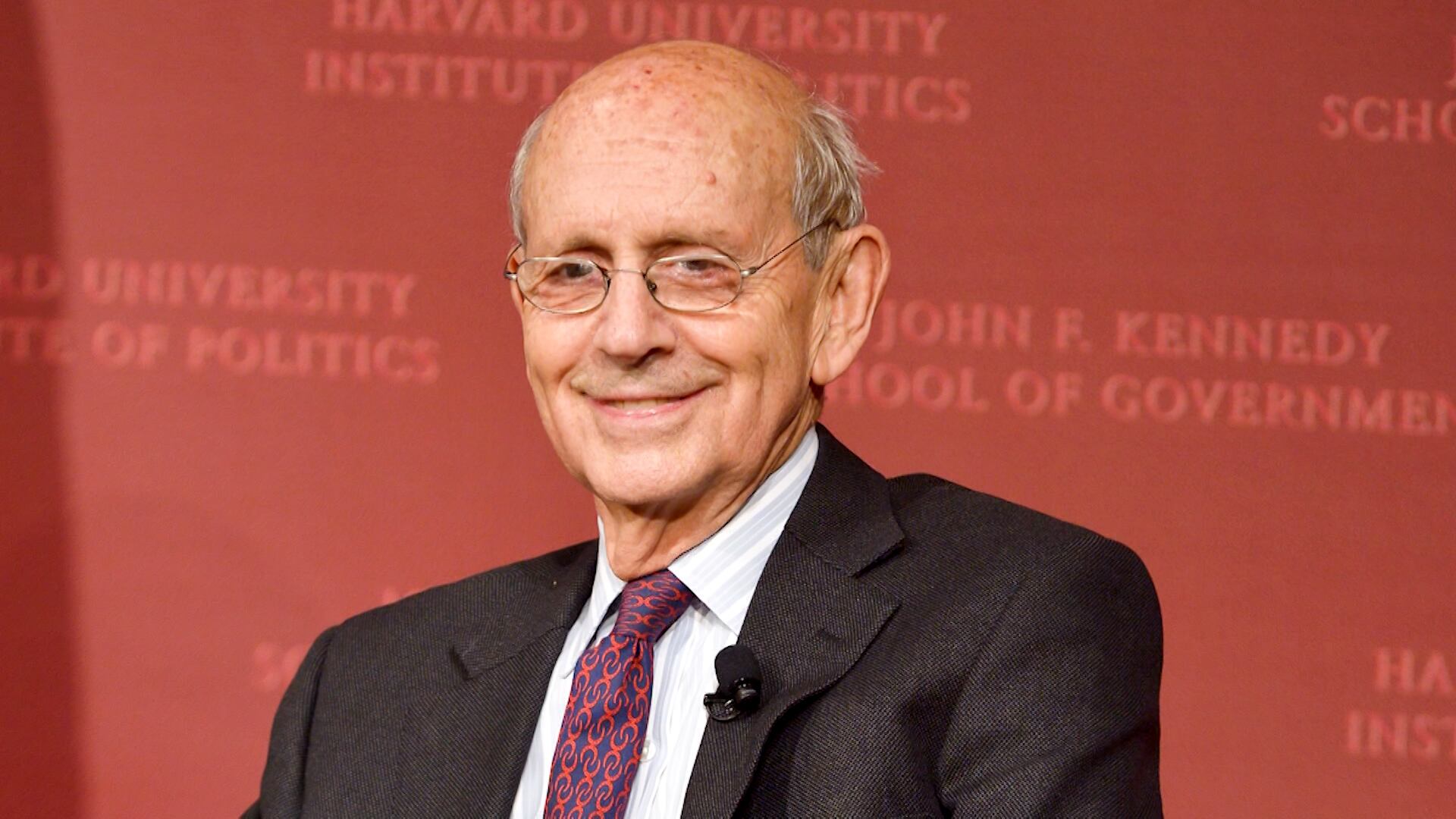
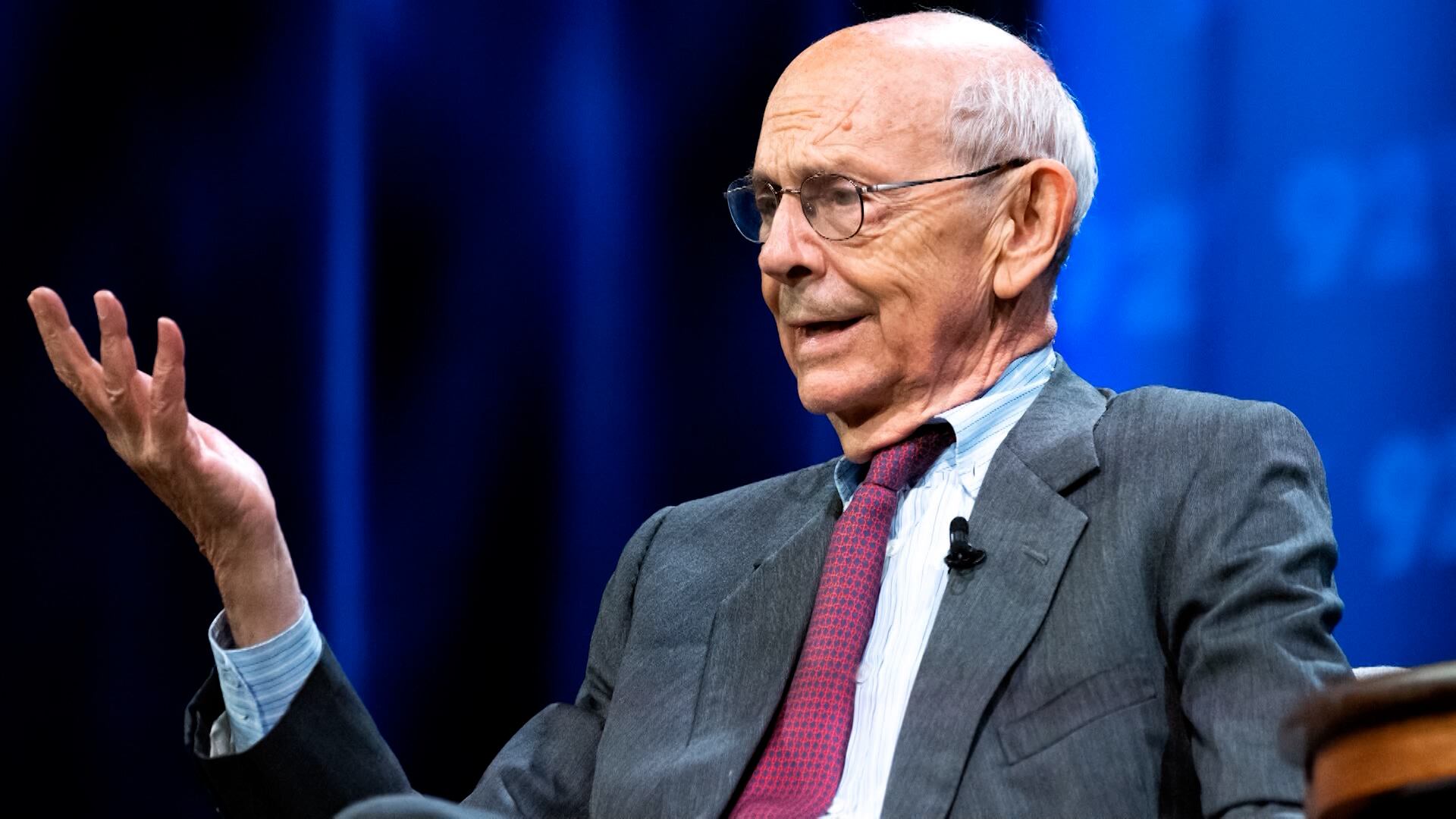
Jessica Mason Pieklo, senior vice president and executive editor of the Rewired News Group and co-host of the podcast. "Boom! Lawyered," joins Cheddar Politics to discuss Justice Stephen Breyer's retirement, legacy and potential replacement on the Supreme Court.
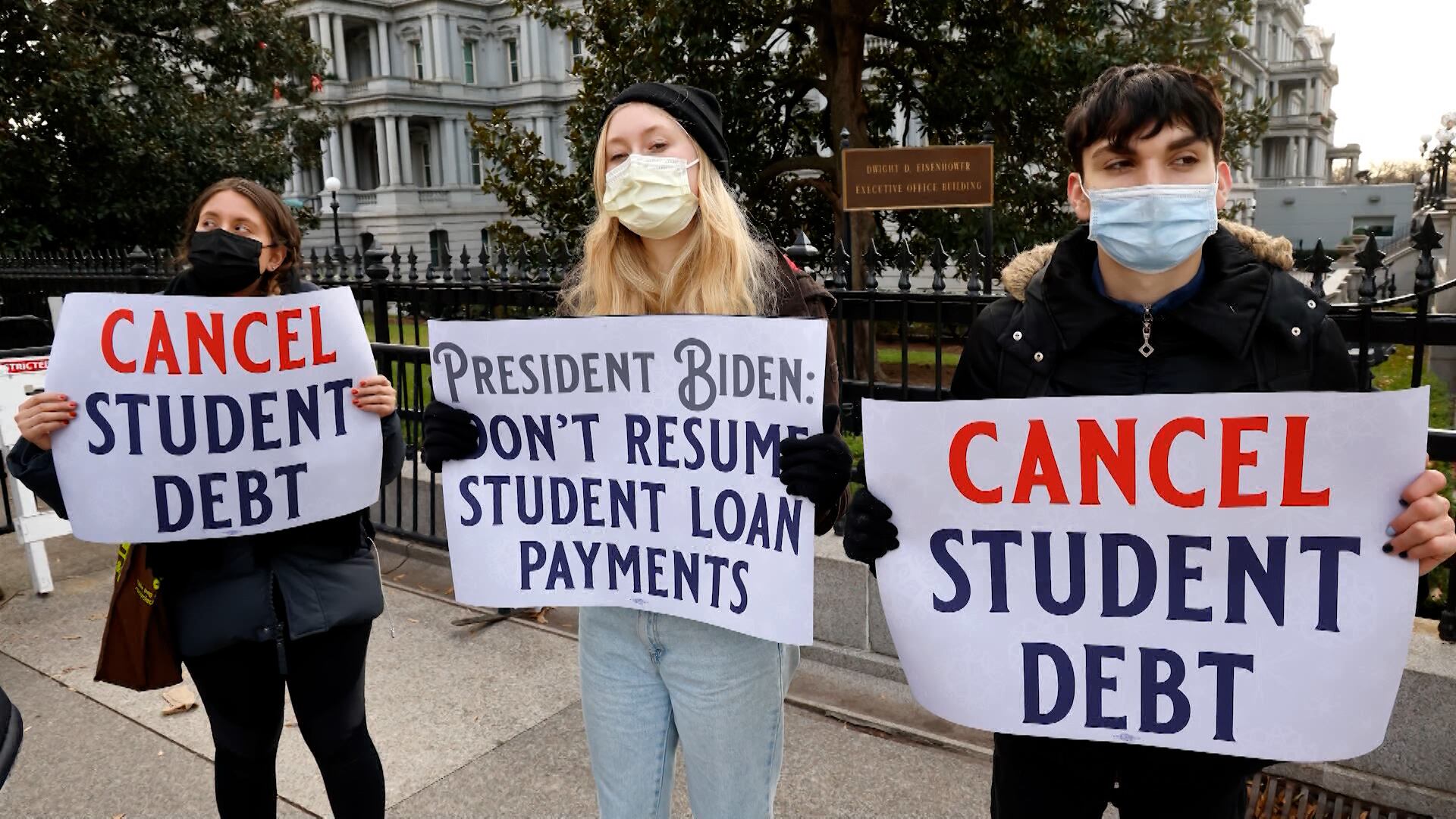
The Biden administration delivered a temporary win for student loan borrowers this year by extending the moratorium on federal payments for a few more months. That moratorium is coming to an end on May 1st and borrowers will again have their monthly loan payment plopped in their lap.
Stephanie Vanderslice, a creative writing professor paying off debt through the Parent Plus program, and Mike Pierce, executive director of the Student Borrower Protection Center, join Cheddar Politics to discuss.
2022 was already going to be a big year for the Supreme Court. We have decisions on major issues like abortion and gun rights on the way. Then, Justice Stephen Breyer announced his retirement and that set up a major confirmation fight for later this year. Amy Howe, co-founder of SCOTUSblog, joins Cheddar Politics to discuss.
The Labor Department released a better-than-expected report of 467,000 jobs added in January. Heather Boushey, Council of Economic Advisers Member for President Biden, joined Cheddar to tout the administration's handling of the economy amid the pandemic and the upward revisions for the previous month. "It also shows that, because of the revisions, the economy was stronger over the past couple of months," she said. "I don't think that this can be said enough, but economic forecasting during an historic pandemic is extremely difficult." Boushey also addressed issues involving wage growth versus the rapid rise of inflation.