Trump Leaves Future of North Korean Summit in Kim Jong-un's Hands
*By Alisha Haridasani*
Though President Trump abruptly canceled his planned meeting with North Korea's Kim Jong-un, there's still a possibility the highly-anticipated summit could take place in the future, if the two sides can tamp down their antagonism and agree to a framework for denuclearization, analysts said.
In a [letter](https://twitter.com/realDonaldTrump/status/999686062082535424) Thursday to the North Korean leader, Trump said, “it is inappropriate, at this time, to have this long-planned meeting.” The summit was scheduled to take place on June 12 in Singapore.
"The North Koreans have two choices: They can either choose to overreact and perhaps engage in a heated rhetorical exchange with President Trump in the future," said Lisa Collins, a fellow at the Korea chair at the Center for Strategic and International Studies. "Or they can play it cool and engage with the Trump administration in back-channel communications."
South Korean President Moon Jae-in, a crucial player in setting up the summit, was taken by surprise, describing the abrupt turn of events as “very regretful and disconcerting.”
Trump's letter was sent just hours after North Korea threatened to scuttle the meeting, and several antagonistic comments by Kim, which may have prompted the president to get ahead of the devolving diplomatic situation.
North Korea's threats were inspired, in part, by Vice President Mike Pence’s comments on Fox News on Monday where he warned that if the country doesn’t agree to denuclearization, it would meet the same fate as Libya.
Pence was referring to the case of the former Libyan leader Moammar Gadhafi, who was captured and killed by rebels in 2011 during the Arab Spring. The country had given up its nuclear arsenal in 2003, and the United States helped rebel groups topple him eight years later.
The comments alarmed Kim, who has made clear he would not agree to any sort of regime changes.
“North Korea, on its own side, has referred to denuclearization as a process by which the U.S. first guarantees its security,” Collins said in an interview with Cheddar.
Trump’s letter was a mix of praise for Kim and forceful language. He thanked North Korea for releasing American hostages and reminded Kim that the U.S. nuclear arsenal is “so massive and powerful.”
Trump did, however, keep the door open for a future summit.
“There’s still room for them to agree to have a meeting in the future, it just depends on whether can narrow their difference,” Collins said.
For the full interview, [click here](https://cheddar.com/videos/trump-cancels-summit-with-north-korea).
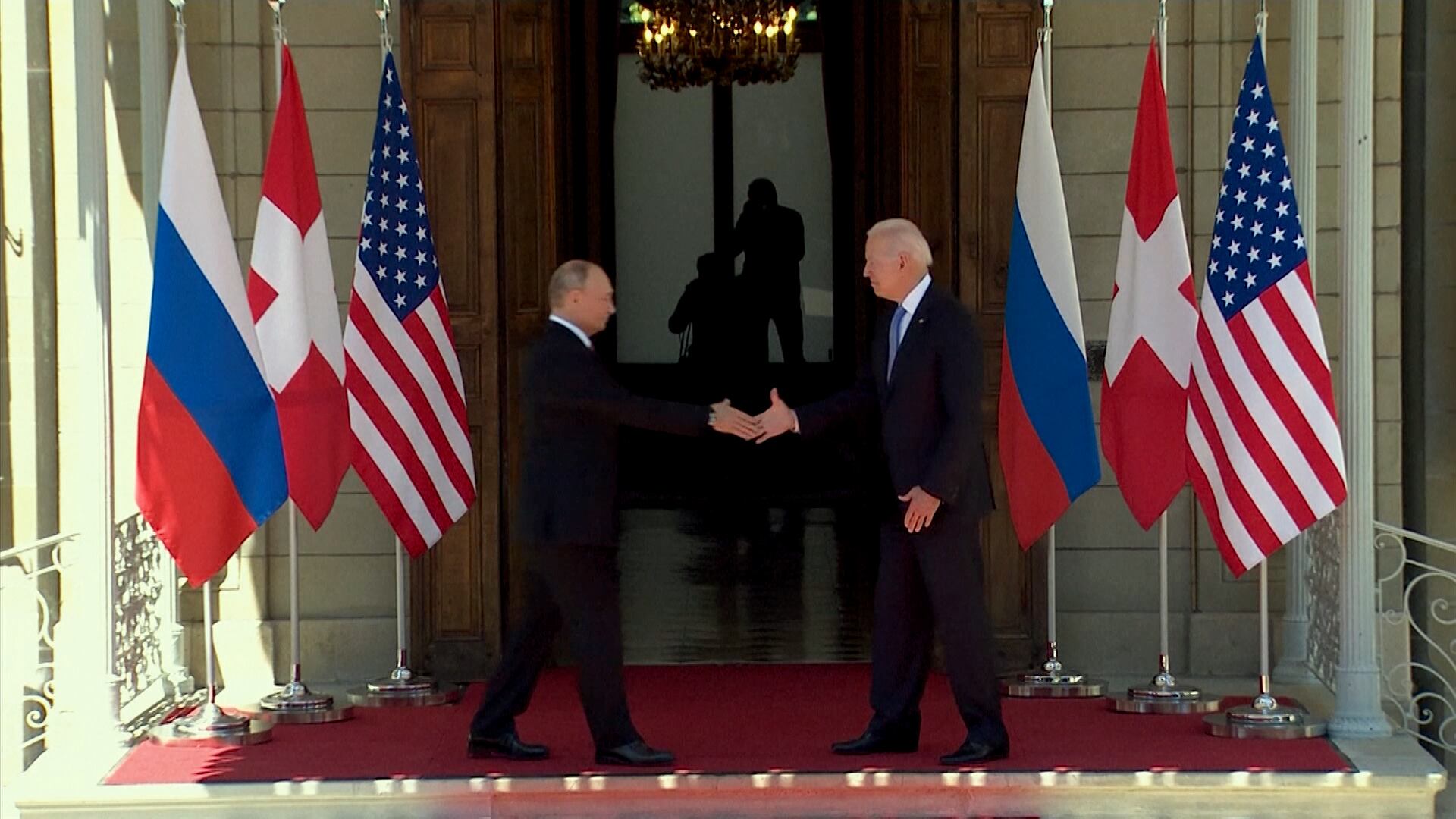
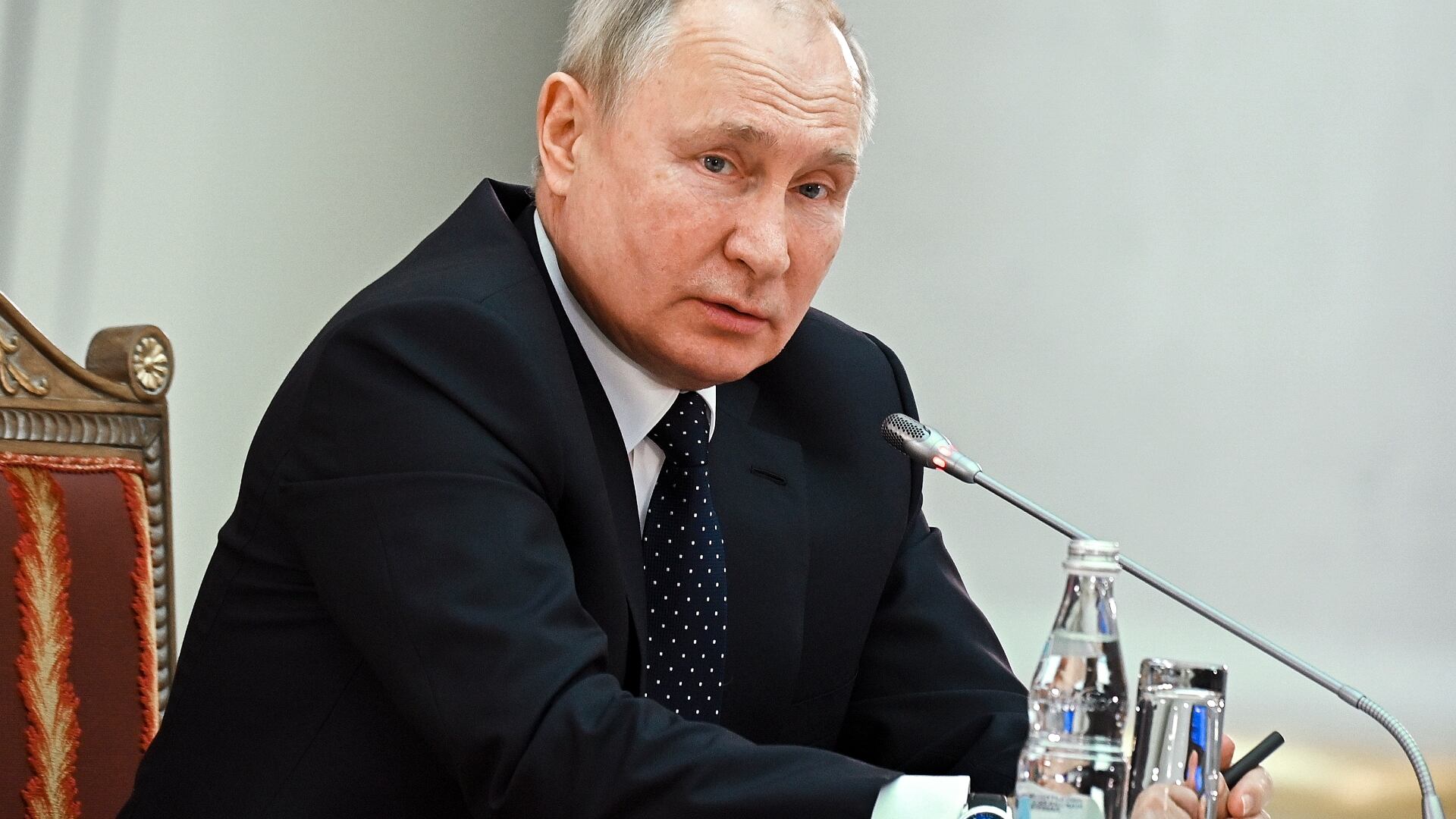
Matt Hayden, vice president of govtech solutions at Exiger and a former assistant secretary of cyber at Department of Homeland Security, joined Cheddar to discuss the surprise phone call initiated by Russian President Vladimir Putin to President Joe Biden, ahead of January security talks about the rising tensions over Ukraine. "We're hoping to hear that we're able to talk about the aggression and the leadup of the Ukrainian militarization," Hayden said. "But we're also looking to hear is how the Kremlin leveraged their talking points to try to test their negotiation stance with the United States leading into this January 10th meeting."
The No Surprises Act begins implementation on January 1, 2022. The legislation is meant to curb the practice of unexpected billing for care from providers the patient was unaware were out-of-network from their insurance. Patricia Kelmar, director of health care campaigns for U.S. PIRG joined Cheddar to describe the hundreds, sometimes thousands, of dollars charged to unsuspecting patients and how things will change under the new law. "If we are picking an in-network doctor and an in-network hospital, we should not see those added costs from anesthesiologists, radiologists, scrub-in surgeons," she said. "The other area it protects you is in air ambulances — not ground ambulances, unfortunately — but the helicopters or the airplanes you might need to transport you in an emergency situation."
President Joe Biden and Russian President Vladmir Putin are expected to have another conversation surrounding escalating tensions between Russia and Ukraine. Ariel Cohen, senior fellow at the Atlantic Council, joined Cheddar's Ken Buffa to discuss the ongoing tensions and why Putin's request for a conversation with Biden comes now. "This is very serious. This is the worst security crisis we had since the collapse of the Soviet Union," Cohen told Cheddar.
Stocks closed mixed on Wednesday, but two indexes - the Dow and the S&P 500 - ended the session with a new record. Akshata Bailkeri, Equity Analyst at Bruderman Asset Management, joins Cheddar News' Closing Bell, where she says there is a consensus for robust consumer spreading in 2022, especially as the Omicron variant is proving to be milder than other COVID-19 strains.
John Quelch, Dean of Miami Herbert Business School, joins Cheddar News' Closing Bell, where he says the retail giant is acting in accordance to President Biden's new law banning goods from China's Xinjiang region. Quelch also elaborates on the importance of China in Walmart's overall strategy.