Trump Leaves Future of North Korean Summit in Kim Jong-un's Hands
*By Alisha Haridasani*
Though President Trump abruptly canceled his planned meeting with North Korea's Kim Jong-un, there's still a possibility the highly-anticipated summit could take place in the future, if the two sides can tamp down their antagonism and agree to a framework for denuclearization, analysts said.
In a [letter](https://twitter.com/realDonaldTrump/status/999686062082535424) Thursday to the North Korean leader, Trump said, “it is inappropriate, at this time, to have this long-planned meeting.” The summit was scheduled to take place on June 12 in Singapore.
"The North Koreans have two choices: They can either choose to overreact and perhaps engage in a heated rhetorical exchange with President Trump in the future," said Lisa Collins, a fellow at the Korea chair at the Center for Strategic and International Studies. "Or they can play it cool and engage with the Trump administration in back-channel communications."
South Korean President Moon Jae-in, a crucial player in setting up the summit, was taken by surprise, describing the abrupt turn of events as “very regretful and disconcerting.”
Trump's letter was sent just hours after North Korea threatened to scuttle the meeting, and several antagonistic comments by Kim, which may have prompted the president to get ahead of the devolving diplomatic situation.
North Korea's threats were inspired, in part, by Vice President Mike Pence’s comments on Fox News on Monday where he warned that if the country doesn’t agree to denuclearization, it would meet the same fate as Libya.
Pence was referring to the case of the former Libyan leader Moammar Gadhafi, who was captured and killed by rebels in 2011 during the Arab Spring. The country had given up its nuclear arsenal in 2003, and the United States helped rebel groups topple him eight years later.
The comments alarmed Kim, who has made clear he would not agree to any sort of regime changes.
“North Korea, on its own side, has referred to denuclearization as a process by which the U.S. first guarantees its security,” Collins said in an interview with Cheddar.
Trump’s letter was a mix of praise for Kim and forceful language. He thanked North Korea for releasing American hostages and reminded Kim that the U.S. nuclear arsenal is “so massive and powerful.”
Trump did, however, keep the door open for a future summit.
“There’s still room for them to agree to have a meeting in the future, it just depends on whether can narrow their difference,” Collins said.
For the full interview, [click here](https://cheddar.com/videos/trump-cancels-summit-with-north-korea).
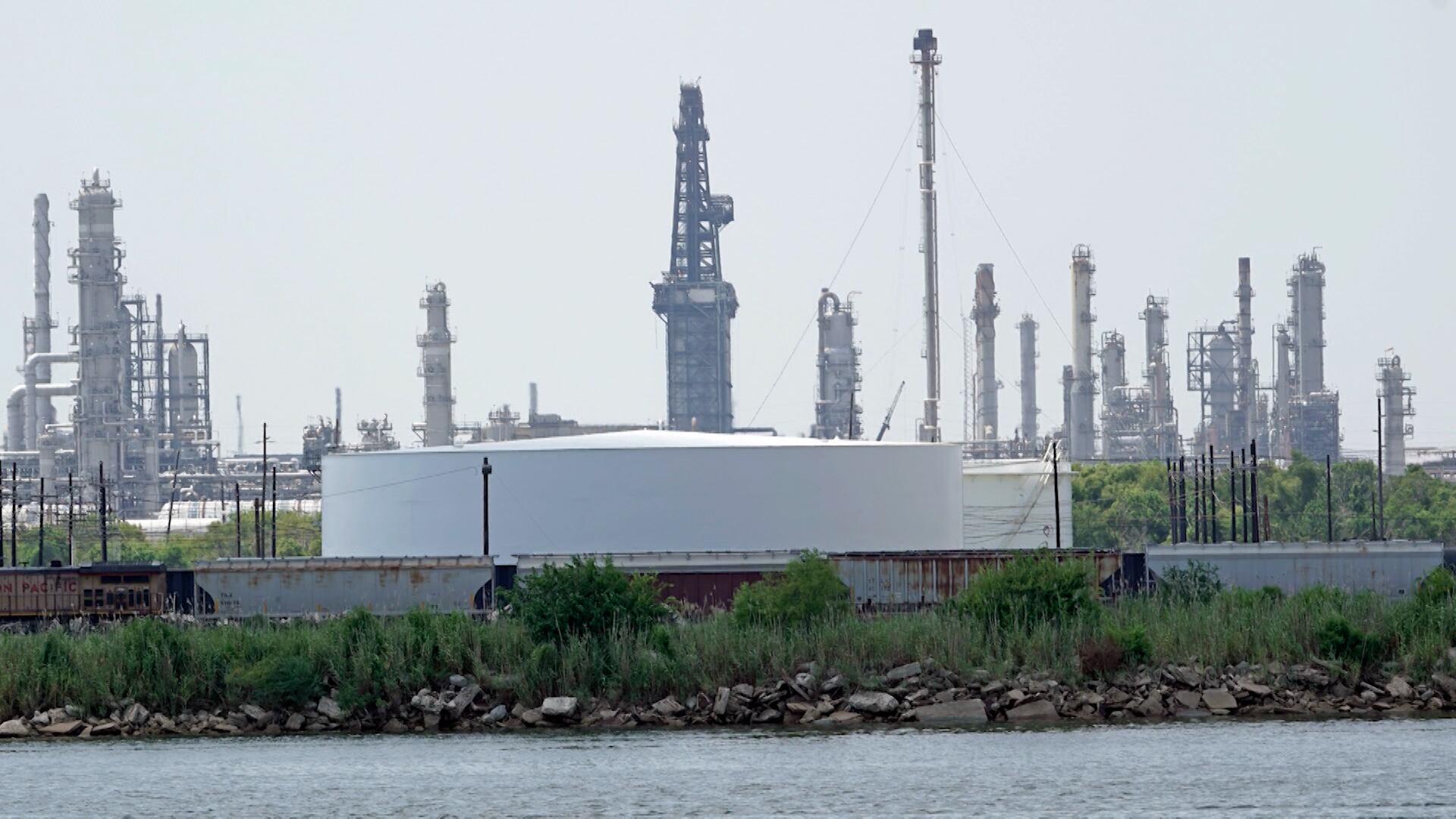
President Biden announced a ban on Russian oil and natural gas imports to the U.S. in response to its invasion of Ukraine, a move he warned could lead to an even greater surge in gas prices. The ban is prompting a conversation about the current oil production levels in the U.S. and whether or not the industry can ramp up production to soften the blow to American families at the gas pump. Clark Williams-Derry, Energy Finance Analyst with the Institute for Energy Economics and Financial Analysis, breaks down the state of the U.S. oil industry and how the ban might impact production levels here at home.
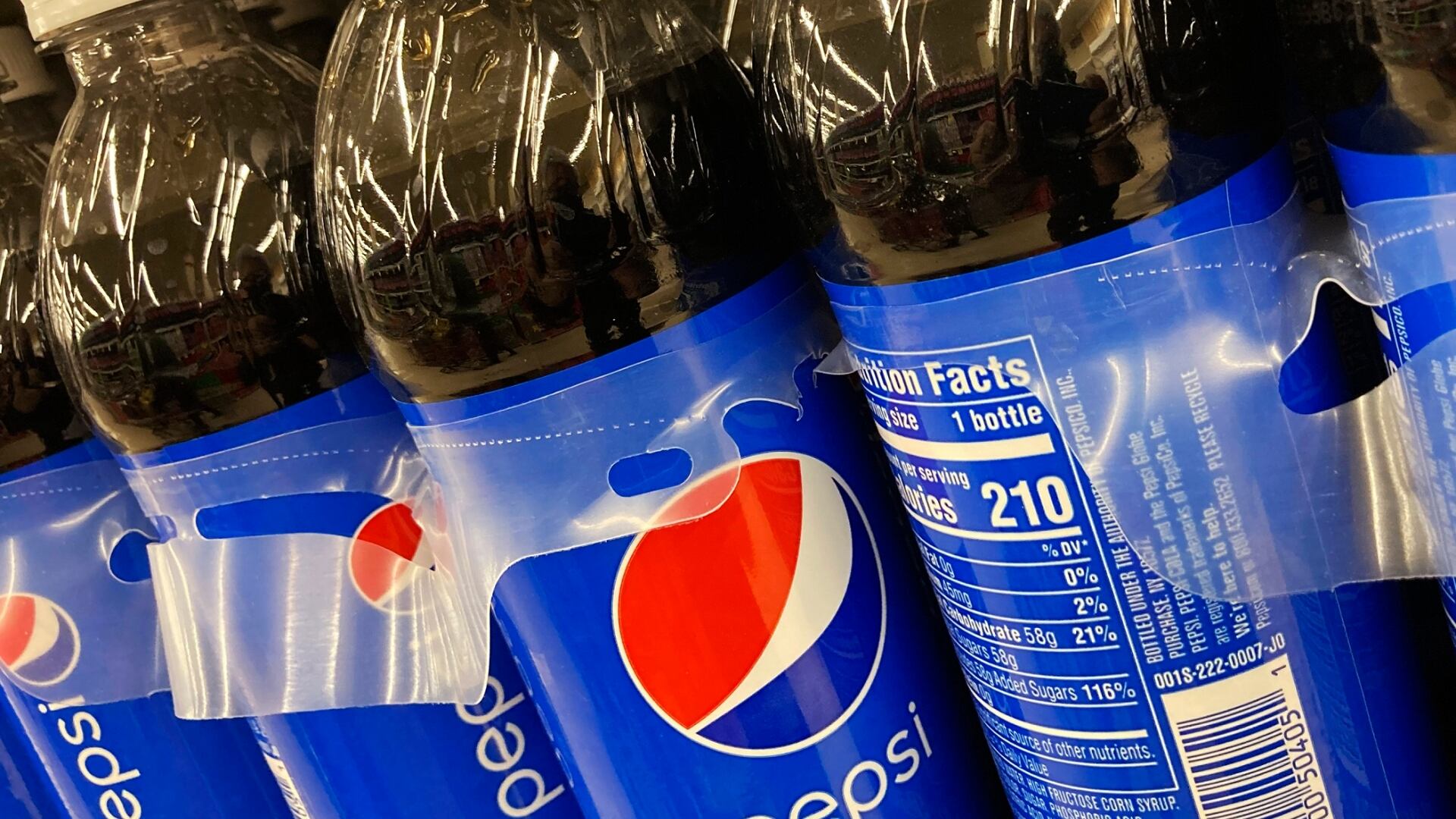
PepsiCo, Coca-Cola, McDonald’s, and Starbucks are the latest American food brands to have halted business operations in Russia after having faced scrutiny and criticism for originally failing to do so amid the country's invasion of Ukraine.
As Russia intensifies its war on Ukraine, President Biden announced a ban on oil imported from the aggressor nation. Critics of Russia have said this would be the best way to force Putin to pull back, but curbs on Russian oil exports are expected to send already skyrocketing oil and gas prices even higher, further impacting consumers, businesses, financial markets, and the global economy. Leslie Beyer, CEO of the Energy Workforce and Technology Council, joined Cheddar News' Closing Bell to discuss. "It's certainly going to increase pricing, but it is the right thing to do," she said. "The industry itself has already pulled out of the significant portion of its operations in Russia."
Sports Betting in the U.S. is booming. According to industry experts, we could see another boom this year as more states move towards statewide legalization of sports wagering. While this comes as huge news for fans, there are some very real concerns as to whether or not sports betting potentially poses a threat to public health. Senior Clinician at the Caron Treatment Centers, Eric Webber, joined Cheddar to discuss more.
The Biden administration has made gender policy a core part of how it governs. The president established the first Gender Policy Council. It's on the same level as the National Security Council, Domestic Policy Council and National Economic Council, putting the interests of women and other underserved groups at the table for the most important policy discussions.
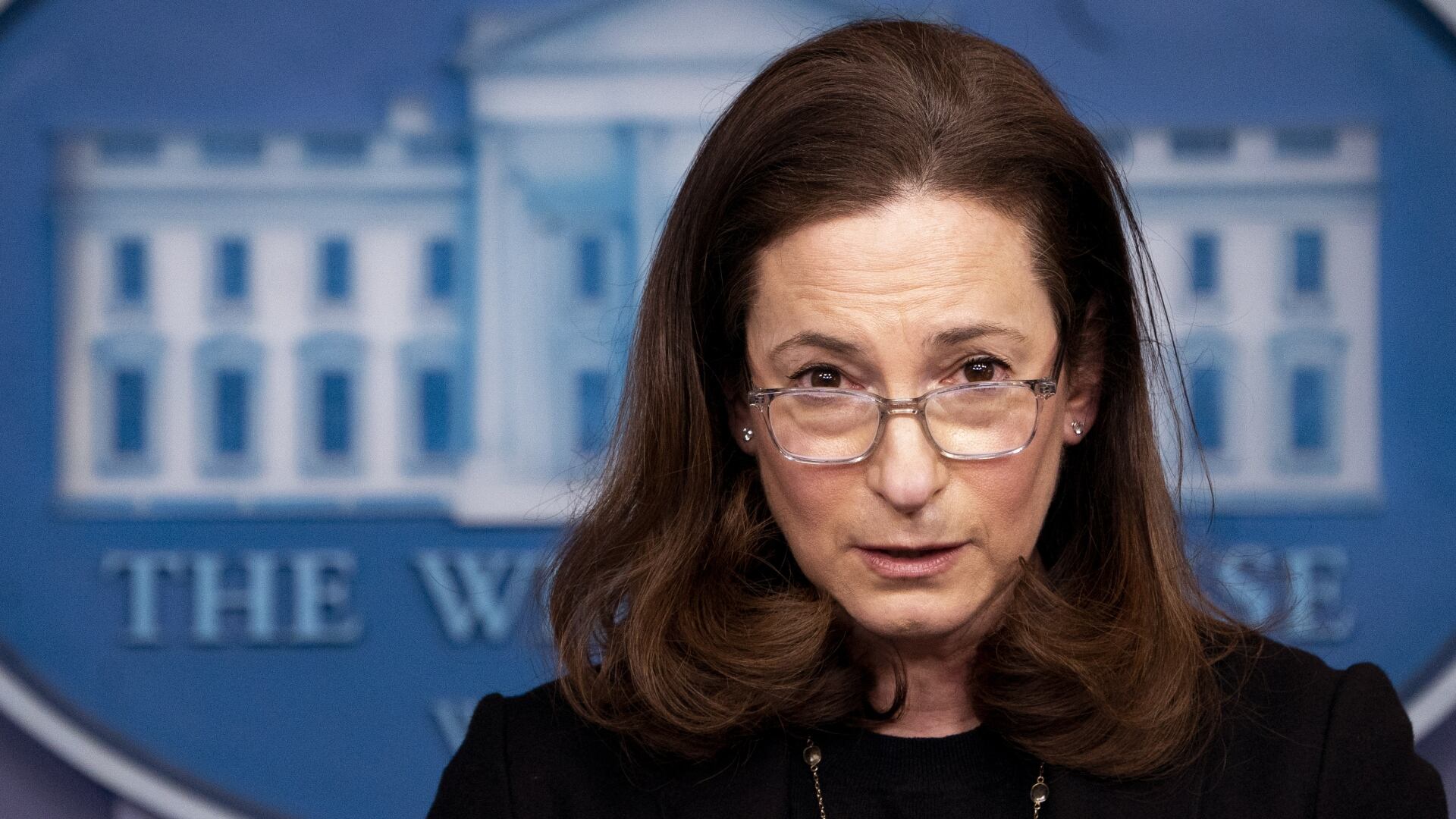
Cheddar News sat down with Jennifer Klein, executive director and co-chair of the White House Gender Policy Council, to discuss the council's work and its significance during Women's History Month.
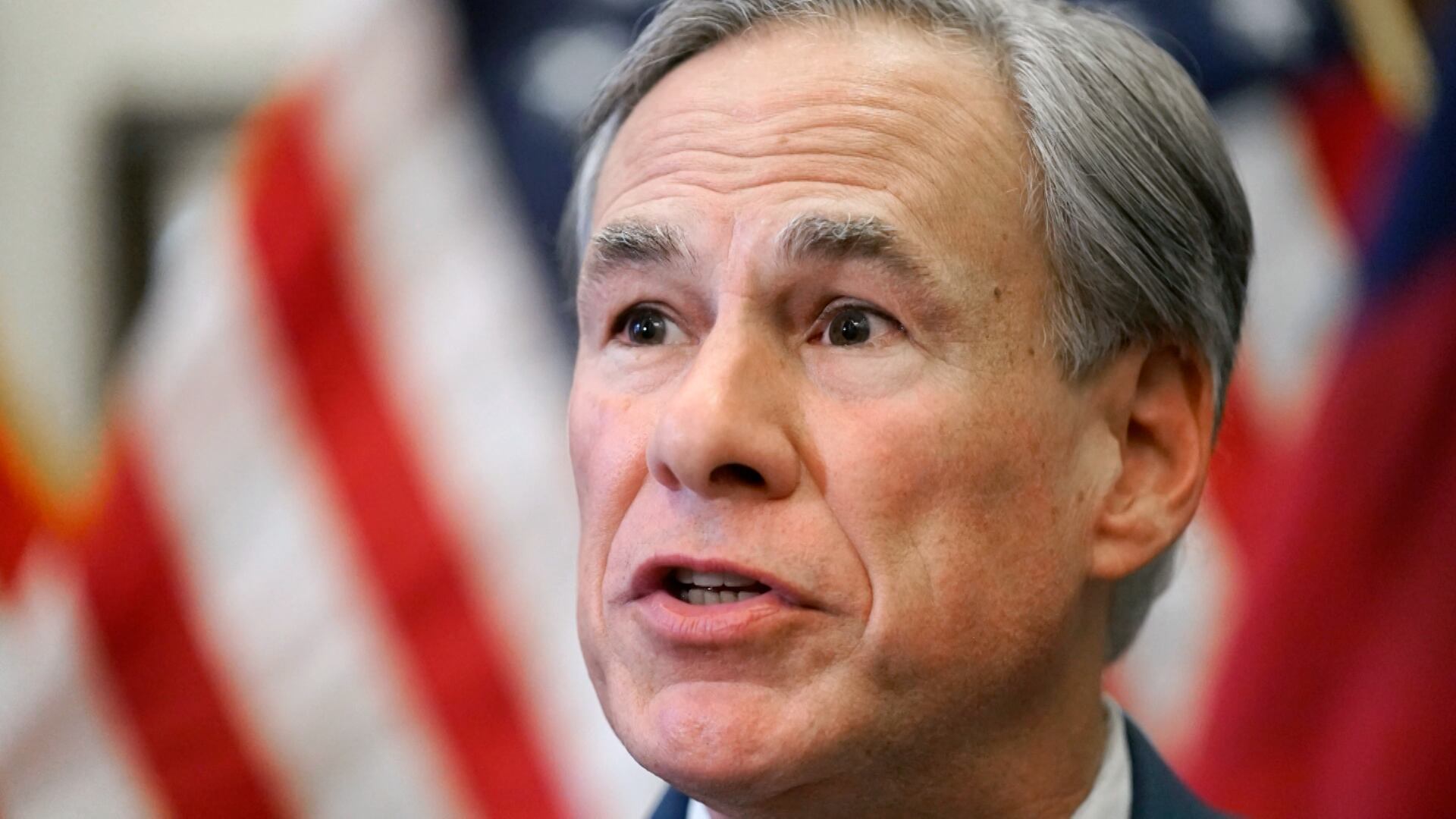
State Representative Jessica González, Vice Chair of the Texas House LGBTQ Caucus, joins Cheddar News to discuss the latest Texas anti-transgender directive.
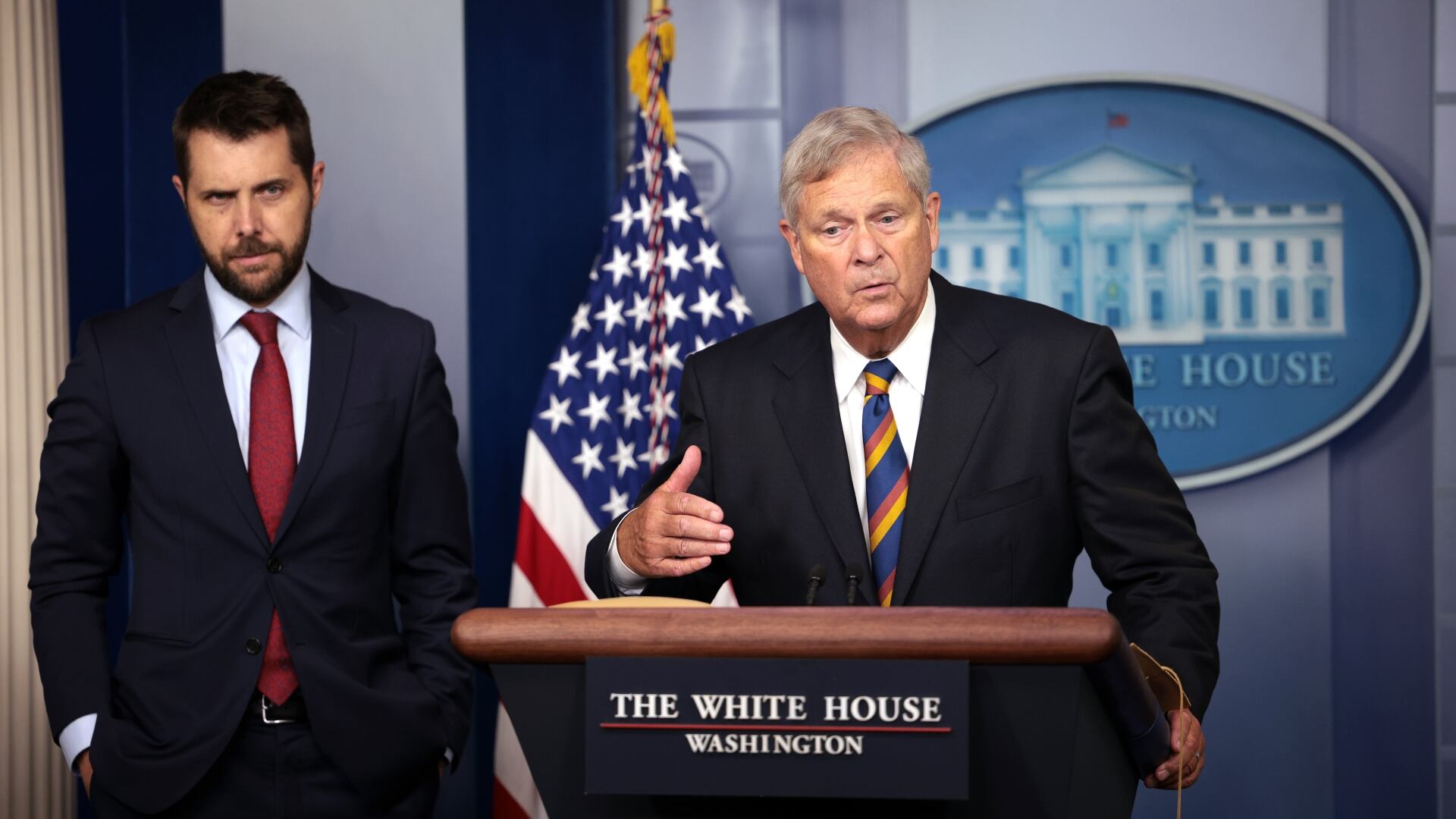
The United States Secretary of Agriculture, Tom Vilsack joins None of the Above to discuss the newly emerging conflict in Europe, what it means for agriculture in the states, dairy and meat consumption, and how the department is planning to promote climate-smart agriculture.
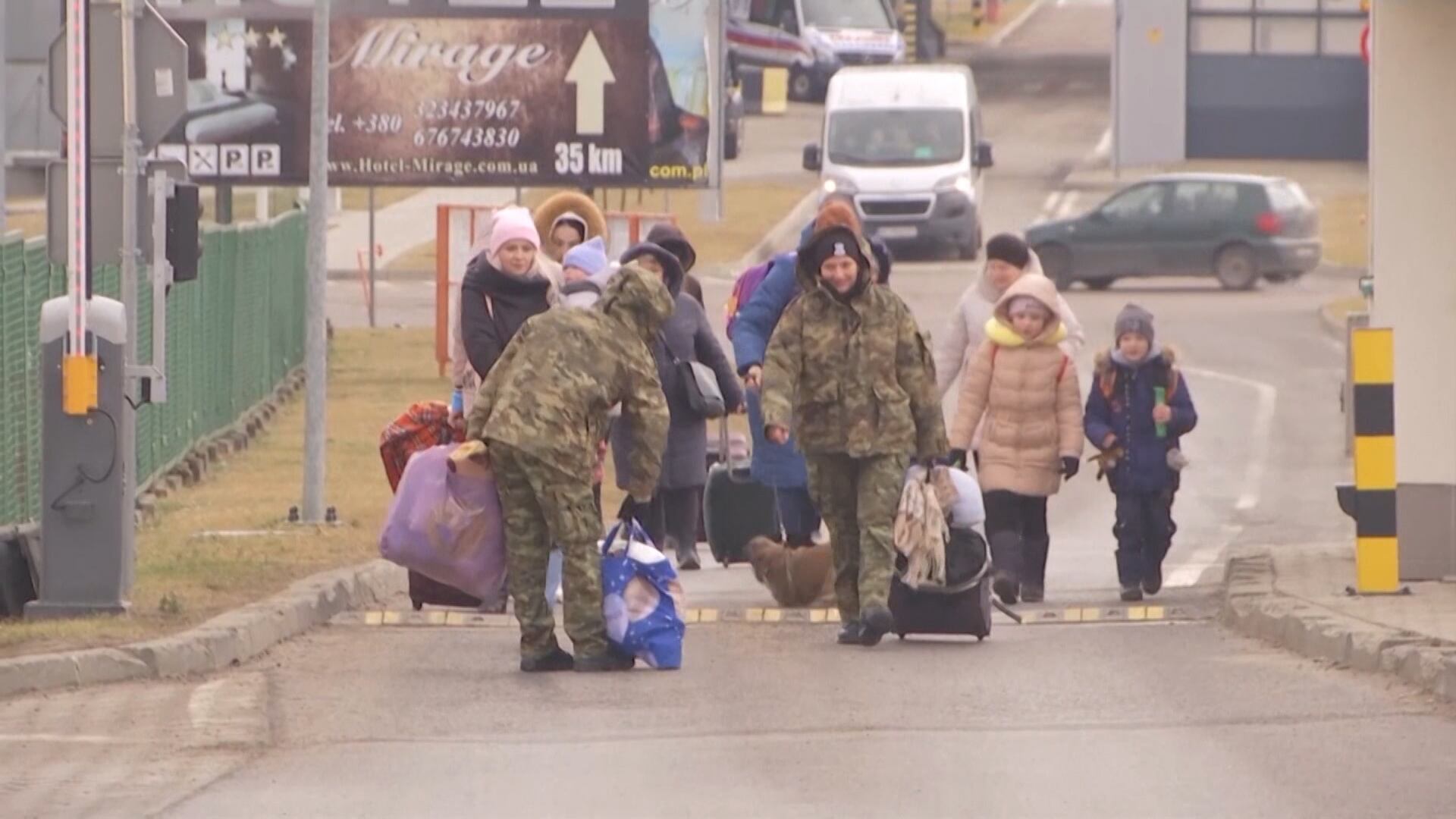
Tens of thousands of people have fled Ukraine in attempts to escape the Russian Invasion. According to the U.N. neighboring countries like Poland, Hungary, and even Romania have seen half a million refugees. While the hospitality is being welcomed by many, it also highlights the mistreatment of migrants and refugees from the Middle East and Africa. Professor of Philosophy and Director of Politics at Northeastern University Serena Parekh, joined Cheddar, to discuss more.
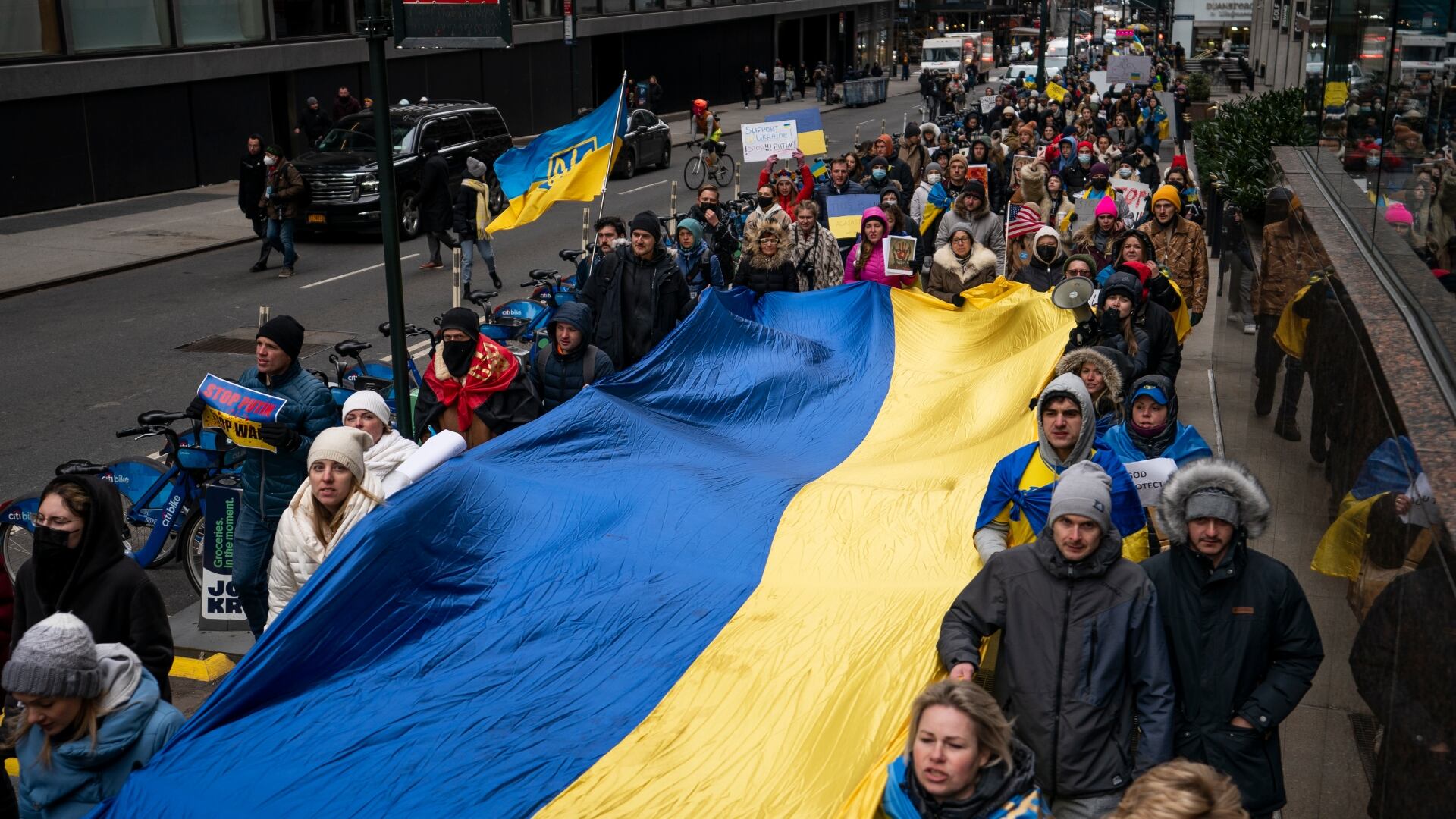
As Russia unleashed war in the country of Ukraine, global leaders have started inflicting punishment on Vladimir Putin's regime via commercial and financial penalties. According to President Joe Biden Putin's aggression is "a flagrant violation of international law and it demands a firm response from the international community".However, the main question is will these sanctions actually work. Partner at Jenner & Block LLP, Rachel Alpert, joined Cheddar to discuss more.